Inhibited Ethylene Glycol 20/80 with OAT-908 is a ready-to-use coolant of 20% ethylene glycol by weight in deionized water with the OAT-908 hybrid corrosion inhibitor, freeze point approx. 18 °F (-8 °C). Data center, HVAC and facility teams use it in indoor closed loops: CDU technology cooling system (TCS) loops, rear-door heat exchangers and chillers. It comes in sizes from 1 quart to 55-gallon drums and 330-gallon IBC totes, starting at $15.45 (1 quart), and is not regulated by DOT in any package we sell.
OAT-908 is a nitrite-containing hybrid: it combines organic-acid inhibitors with sodium nitrite, sodium molybdate, sodium benzoate and triethanolamine. Blended at our Taylor, TX facility.
Applications
- Data center liquid cooling secondary loops
- Coolant distribution unit (CDU) technology cooling system (TCS) loops
- Rear-door heat exchanger loops
- HVAC chillers & hydronic loops
- Light freeze protection, to approx. 18 °F (-8 °C)
Specifications
-
Composition: ethylene glycol 19.5–20.5% by weight (w/w); OAT-908 corrosion inhibitor package 2.0 % w/w (1.8–2.2 %); deionized water balance
-
CAS: 107-21-1 (EG), 7732-18-5 (Water); product is a mixture
-
Nitrite: contains sodium nitrite from the inhibitor package; this is not a nitrite-free coolant
-
Density: 1.027 g/cm³ at 20 °C (calculated)
-
Freeze point: approx. 18 °F (-8 °C) at 20% ethylene glycol by weight
-
Boiling point: approx. 216 °F (102 °C)
-
Flash point: not flammable (aqueous solution)
-
pH and reserve alkalinity: reported on the lot Certificate of Analysis
-
Appearance: clear, colorless to pale liquid; not dyed
Documentation
Handling
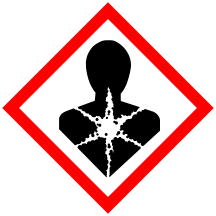
GHS signal word: Warning. May cause damage to organs (kidneys) through prolonged or repeated exposure (H373). Ethylene glycol is toxic to people, pets and wildlife if swallowed: clean up spills immediately and use propylene glycol where accidental ingestion or food contact is credible. Not regulated for transport by DOT in any package we sell, 1 quart through 330-gallon IBC tote. Contains sodium nitrite: install as a fresh fill after draining and flushing, do not mix with phosphate-, silicate- or nitrite-free coolants, keep away from strong acids, and avoid galvanized (zinc) surfaces. Refer to the Safety Data Sheet (SDS) for full handling information.
Available sizes: 1 quart through 330-gallon IBC tote. Bulk loads quoted on request.
Not for: direct or incidental food contact, potable water, open recirculation, automotive crankcase, or single-pass cooling.
Frequently asked questions
What is in Inhibited Ethylene Glycol 20/80 with OAT-908?
Ethylene glycol 19.5–20.5% by weight in deionized water, with the OAT-908 hybrid organic-acid corrosion inhibitor package at 2.0 % w/w (1.8–2.2 %). OAT-908 combines organic-acid inhibitors with sodium nitrite, sodium molybdate, sodium benzoate and triethanolamine. It is blended in Taylor, Texas, and is not dyed.
What is the freeze point of 20% ethylene glycol?
The freeze point is approx. 18 °F (-8 °C) at 20% ethylene glycol by weight. The percentage is by weight, not by volume, so compare it against weight-percent freeze tables. It suits indoor closed loops that do not see freezing temperatures.
Should I choose EG 20/80, 30/70 or a stronger blend?
20/80 is the lightest ethylene glycol blend in the line, for indoor loops such as CDU technology cooling loops, rear-door heat exchangers and chilled-water loops inside a conditioned building. If piping, dry coolers or equipment can get near 18 °F, choose 30/70 or 40/60, which carry more glycol and freeze at lower temperatures.
Is the OAT-908 package nitrite-free?
No. OAT-908 is a nitrite-containing hybrid inhibitor. If your specification requires a nitrite-free coolant, this product does not meet it.
Is it hazardous?
It carries the GHS signal word Warning: may cause damage to organs (kidneys) through prolonged or repeated exposure (H373). Ethylene glycol is toxic to people, pets and wildlife if swallowed, so clean up spills immediately. See the Safety Data Sheet for full hazard, first-aid and disposal guidance.
Is it DOT regulated for shipping?
No. It is not regulated for transport by DOT in any package we sell, from 1 quart through the 330-gallon IBC tote, and ships without a hazmat surcharge.
Ethylene glycol or propylene glycol?
Both are offered at 20% with an OAT inhibitor. Choose propylene glycol (PG 20/80) where accidental ingestion, pets or food areas are a concern; ethylene glycol is more toxic if swallowed. Neither is for food contact or potable water.
Which metals is it compatible with?
OAT-908 protects steel, cast iron, copper, brass and solder. Avoid galvanized (zinc) surfaces and strong acids. Install it as a fresh fill after draining and flushing; do not mix it with phosphate-, silicate- or nitrite-free coolants.
How do I top off or dilute it?
It is supplied ready to use, so do not dilute it further. Top off with the same 20/80 premix to keep glycol and inhibitor on spec; adding water alone lowers both.
Are the SDS, TDS and COA available?
Yes. The Safety Data Sheet (English, Spanish, French and Japanese) and the Technical Data Sheet are published on this page. A lot-specific Certificate of Analysis is available on request at no charge; pH and reserve alkalinity are reported on it.
What sizes are available and what does it cost?
1 quart, 1 gallon, 4-gallon case, 5 gallon, 15- and 55-gallon drums, and 275- and 330-gallon IBC totes, plus multi-packs and pallets. Prices start at $15.45 (1 quart); drum and tote prices are on the size selector. For larger quantities contact sales@alliancechemical.com.
Related products and resources