• 200+ Chemicals
  • 14 Industries Served
  • Same-Day Shipping
  • Taylor, Texas

What Cosmetics & Personal Care Buyers Need

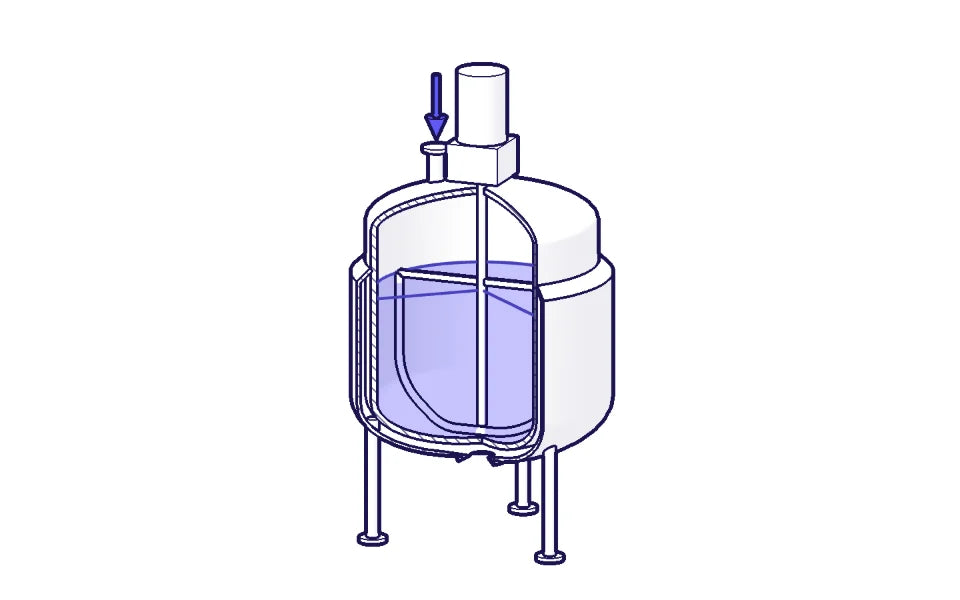
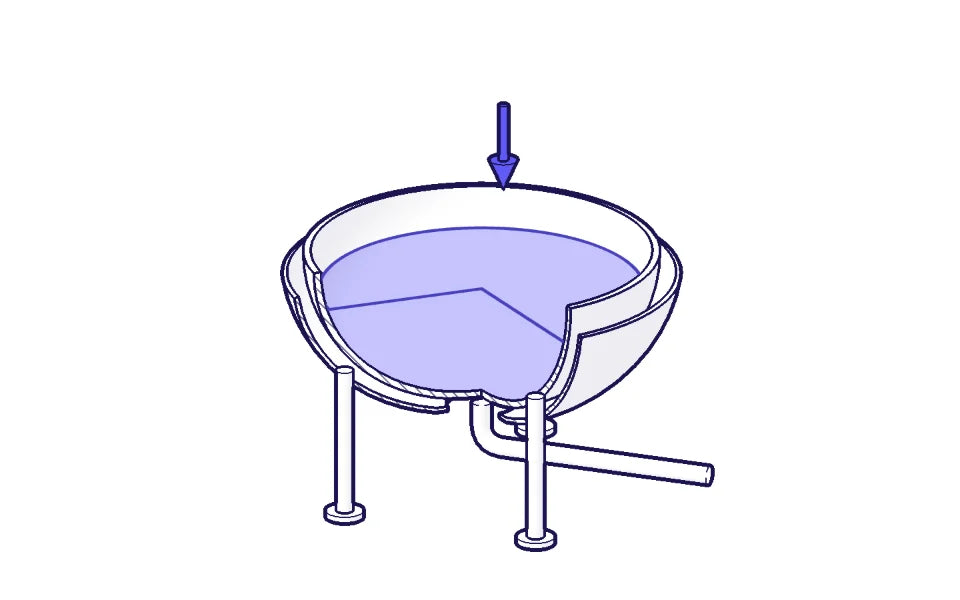
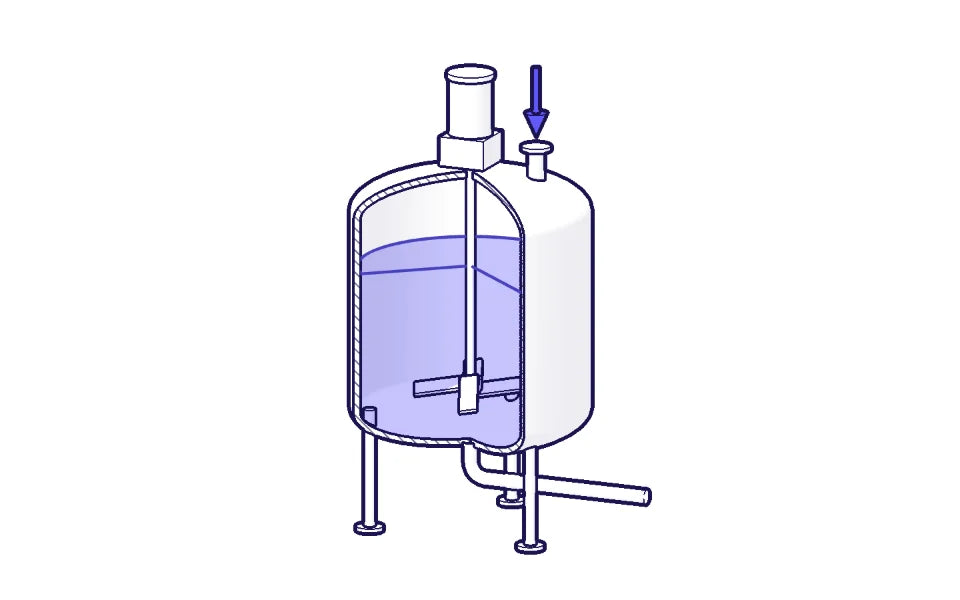
Buyers in the cosmetics and personal care sector prioritize raw material purity and rigorous documentation above all else. The primary requirement is strict adherence to USP/NF monographs to ensure ingredients meet safety standards for topical consumer products. Quality Control teams specifically scrutinize Certificates of Analysis (COA) for heavy metal content (lead, arsenic, mercury) and microbial limits to prevent contamination in aqueous formulations. Supply chain transparency is also essential; auditors require complete lot traceability from the manufacturer to the mixing vessel to satisfy FDA 21 CFR requirements and EU Regulation 1223/2009. Consistency in organoleptic properties, such as color and odor, is vital to ensure the final consumer product maintains a uniform appearance and scent profile across batches. Additionally, formulation chemists require precise validation of solvent purity, particularly for Isopropyl Alcohol and Ethyl Acetate used in extraction or nail care applications.

Key Specifications

Specification Why It Matters
USP/NF compliance Regulatory requirement for personal care ingredients
Heavy metals (ppm) FDA and EU safety limits
Microbial limits Product safety and shelf stability
Color / odor Finished product aesthetics
Lot traceability Recall capability and audit compliance

Recommended Products

Primary Fit

Denatured Alcohol 200 Proof 3C

Denatured Alcohol 200 Proof 3C

Perfume base, fragrance carrier, extraction solvent

From $24.00

View Product
Glycerin USP Grade

Glycerin USP Grade

Humectant, moisturizer base, solvent

From $23.88

View Product
Propylene Glycol USP Grade

Propylene Glycol USP Grade

Humectant, solvent, viscosity modifier

From $19.66

View Product
100% USP Grade Pure Castor Oil

100% USP Grade Pure Castor Oil

Emollient, hair care, lip products

From $25.00

View Product
D-Limonene 94% - Food Grade

D-Limonene 94% - Food Grade

Natural fragrance, solvent, cleaning agent

From $52.00

View Product
Isopropyl Alcohol 99.9% ACS Reagent Grade

Isopropyl Alcohol 99.9% ACS Reagent Grade

Extraction solvent, equipment cleaning

From $25.00

View Product
Isopropyl Alcohol 70% USP Grade

Isopropyl Alcohol 70% USP Grade

Surface sanitization in production

From $20.00

View Product
Citric Acid Monohydrate - USP Food Grade

Citric Acid Monohydrate - USP Food Grade

pH adjuster, chelating agent

From $13.98

View Product
Deionized Water

Deionized Water

Formulation base, dilution

From $21.00

View Product

Conditional Fit

Ethyl Acetate

Ethyl Acetate

Nail polish solvent, extraction

Verify grade suitability for your formulation

From $26.00

View Product

Packaging & Logistics

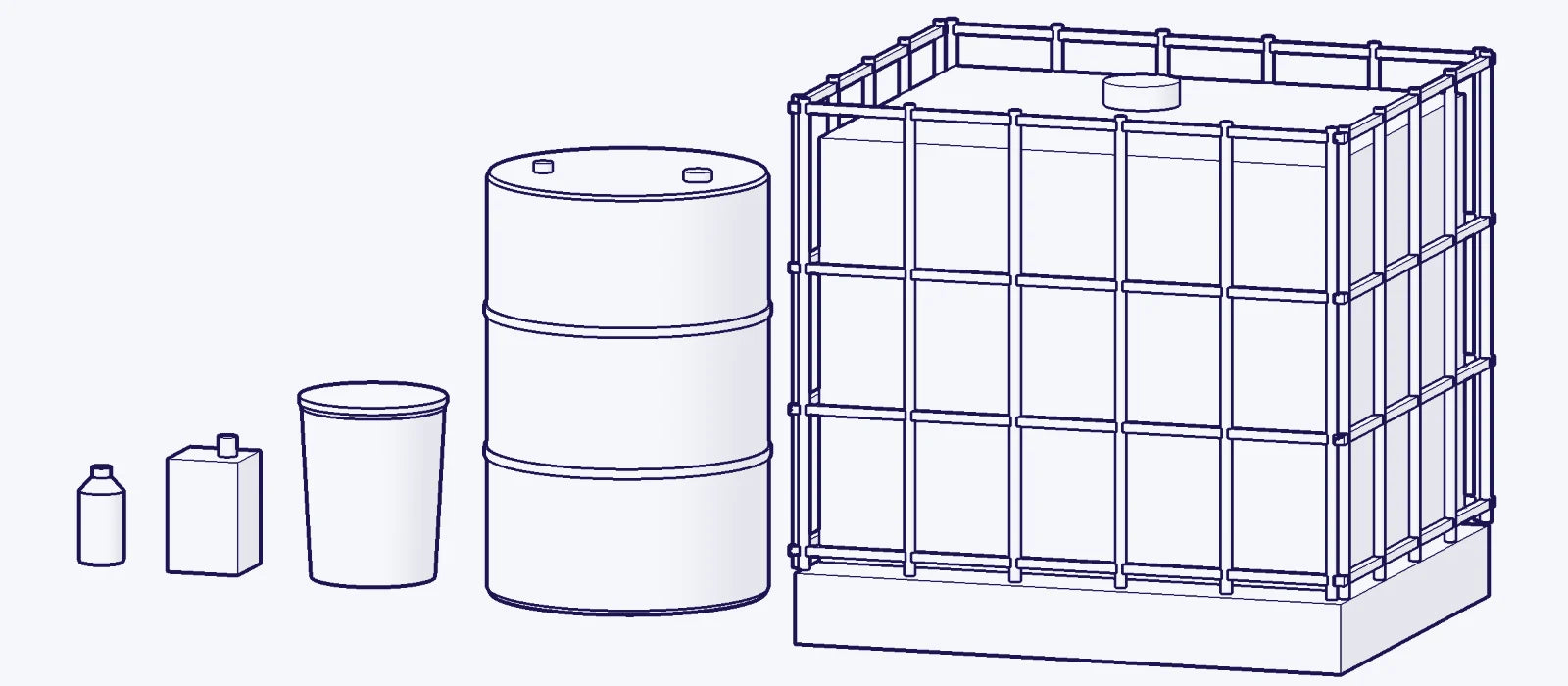
Cosmetic manufacturers typically procure ingredients in diverse container sizes depending on production scale, ranging from 5-gallon pails for specialty extracts to 55-gallon drums for solvents and oils. High-volume structural ingredients like USP Glycerin and Propylene Glycol are often sourced in 275-gallon intermediate bulk containers (IBC totes). Packaging integrity is critical to prevent contamination; hermetically sealed containers are standard to protect hygroscopic materials from moisture absorption. Solvents like Ethyl Acetate and Isopropyl Alcohol require UN-rated steel drums and hazmat ground shipping compliance, necessitating access to a loading dock. Purchasing agents often coordinate deliveries to align with just-in-time manufacturing schedules to minimize storage time for shelf-life-sensitive organic oils.

Common Mistakes to Avoid

A frequent purchasing error in the personal care industry is sourcing "Technical Grade" chemicals instead of "USP/NF Grade" for topical applications. While the chemical identity is the same, technical grades do not undergo the rigorous testing for impurities, heavy metals, and residual solvents required for regulatory compliance. Another oversight involves neglecting specific gravity or viscosity specifications for humectants like Glycerin; slight variations can significantly alter the texture and stability of an emulsion. Buyers also sometimes fail to verify the source of origin for natural ingredients like Castor Oil or D-Limonene, leading to batch-to-batch inconsistency in color or scent profile. Finally, overlooking strict shelf-life management for natural oils can result in the use of oxidized materials, which compromise the final product's quality.

Why Alliance Chemical

COA Per Lot

Every lot ships with a Certificate of Analysis. Full traceability for your quality system.

SDS Included

Safety Data Sheets included with every order. Available on demand for any product.

Same-Day Shipping

Order by 2 PM CT and it ships today. DOT-certified hazmat packaging.

Real People

Call us and a person answers. No phone trees, no ticket queues. Taylor, Texas.

Made in the USAOwned and operated since 1998Certificate of Analysis (COA) available per lotSafety Data Sheet (SDS) provided with every orderTrusted by DOD, DLA, NASA, SOCOM, and Space ForceCAGE Code 1LT50Bulk pricing and purchase orders acceptedTechnical support availableContact: sales@alliancechemical.com

Frequently Asked Questions

Is your USP Glycerin vegetable-derived or tallow-derived?
Our USP Glycerin is vegetable-derived, suitable for formulations requiring plant-based ingredients. We can provide specification sheets confirming the origin to assist with your formulation requirements and compliance documentation.
Does the Certificate of Analysis include microbial testing results?
Yes, Certificates of Analysis for USP grade products typically include data on total plate count, yeast, and mold. Review the specific lot COA to confirm it meets your internal quality control limits regarding microbial load.
Can Isopropyl Alcohol 99.9% be used for cleaning compounding vessels?
Isopropyl Alcohol 99.9% ACS Reagent Grade is frequently used as a solvent for cleaning manufacturing equipment and removing residue between batches. Facilities should consult their internal process engineering protocols for proper application methods and evaporation times.
How do you ensure consistency in the scent profile of D-Limonene?
D-Limonene is a natural citrus extract, so slight variations in aroma can occur between harvest lots. While we verify purity and grade, we recommend purchasing adequate volume for a production run from a single lot to ensure consistent fragrance profiles.
What is the difference between USP Food Grade and standard USP for Citric Acid?
USP Food Grade indicates the product meets the standards of both the United States Pharmacopeia and the Food Chemicals Codex. This dual designation ensures the Citric Acid is suitable for use in both ingestible products and topical personal care formulations.

Industry Insights & Guides

Deep-dive articles on the chemicals, processes, and best practices for Cosmetics & Personal Care.

Need Chemicals for Your Cosmetics & Personal Care Operation?

Get the chemicals your Cosmetics & Personal Care operation needs — with documentation, fast shipping, and real support.

Or call: (512) 365-6838