Esters

Ethyl Acetate, N-Butyl Acetate, Amyl Acetate & more

9 Products
Sort by:: Best Selling
Sort by: Best Selling

FILTERS

Chemical name
  • (2)
  • (2)
  • (2)
  • (1)
  • (1)
  • (1)
Grade
  • (4)
  • (5)
Percentage
  • (2)
  • (2)
Form
  • (7)
Industry
  • (5)
  • (2)
  • (1)
  • (6)
  • (2)
  • (1)

About Esters

Buy ethyl acetate, n-butyl acetate, tert-butyl acetate, and amyl acetate from Alliance Chemical in ACS and Reagent Grade purity levels. Available in quarts through 55-gallon drums.

Products In This Collection

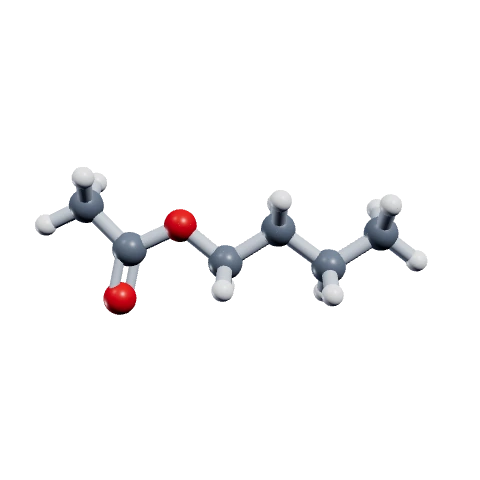
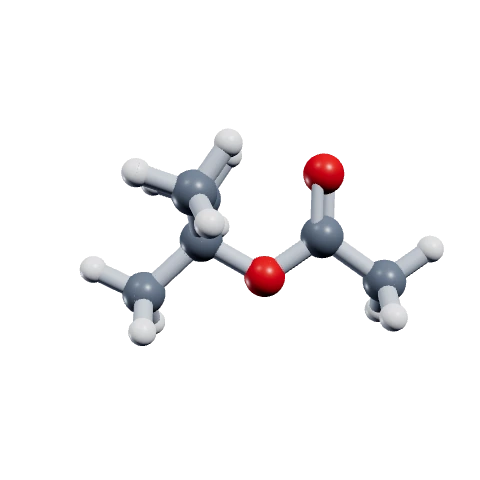
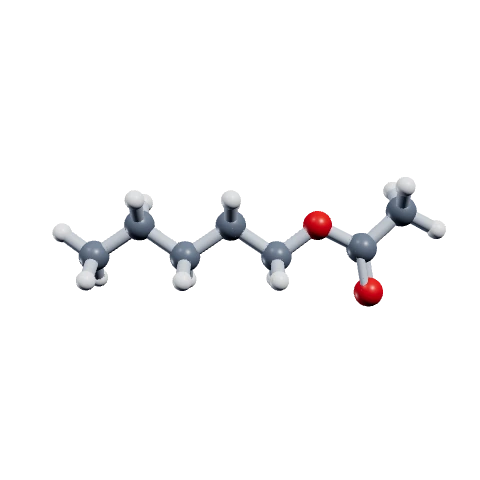
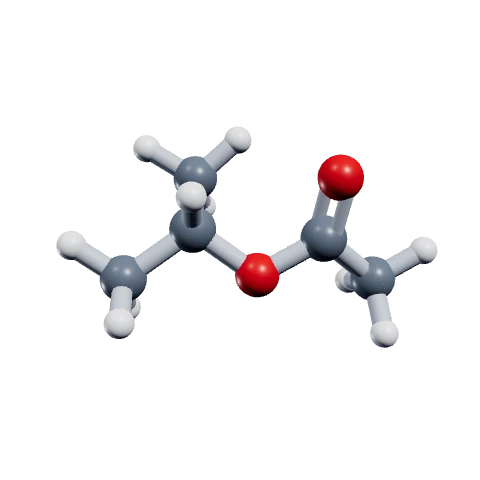
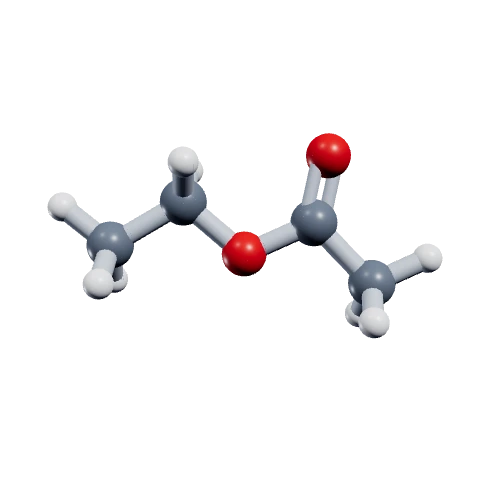
This collection includes ethyl acetate Reagent Grade (CAS 141-78-6, boiling point 77.1°C), ethyl acetate ACS Grade (≥99.5%), n-butyl acetate Reagent Grade (CAS 123-86-4, boiling point 126–128°C), tert-butyl acetate Reagent Grade (boiling point 100–102°C), and amyl acetate Technical Grade (CAS 123-92-2, boiling point 150–153°C).

Common Applications

Ethyl acetate is used as an HPLC mobile phase component, coating and ink solvent, and extraction solvent for food and pharmaceutical applications. N-butyl acetate serves in lacquers, automotive finishes, and industrial adhesives. Tert-butyl acetate provides VOC-exempt solvent properties for regulated air quality districts. Amyl acetate is used in textile processing and specialty coatings.

Why Buy From Alliance Chemical

All ester solvents ship with Safety Data Sheets (SDS) and Certificates of Analysis (COA). Alliance Chemical offers 1-2 business day shipping, no minimum orders, and DOT-compliant packaging for Class 3 flammable liquids.

Related: See the Solvents and Ketones collections.

Frequently Asked Questions

What are the common grades of ester solvents available?
Ester solvents like ethyl acetate, n-butyl acetate, tert-butyl acetate, and amyl acetate are available in bulk and technical grades suitable for various industrial applications. Alliance Chemical ensures high quality and purity in all grades.
How do I store ester solvents safely?
Ester solvents should be stored in a cool, dry place, away from direct sunlight and heat sources. Use airtight containers to prevent evaporation and ensure proper ventilation in storage areas. Alliance Chemical provides safety data sheets with specific storage instructions.
What are the common applications of ester solvents?
Ester solvents are widely used in paint, lacquer, and coating formulations, adhesive and sealant manufacturing, printing ink production, and cosmetic formulations. Their excellent solvency and controlled evaporation rates make them ideal for these applications.
Is it safe to use ester solvents in cosmetic formulations?
Yes, ester solvents are safe for cosmetic formulations when used within recommended limits. They are often used in products like nail polish for their effective solvency. Refer to the safety data sheet provided by Alliance Chemical for proper handling precautions.
What is the evaporation rate of esters like ethyl acetate?
Ethyl acetate and other esters have a moderate evaporation rate, which makes them suitable for applications like coatings and adhesives where controlled drying is essential. This characteristic is important for achieving specific finishes and performance.
Can these solvents be used for pharmaceutical synthesis?
Yes, ester solvents are used in pharmaceutical synthesis and extraction processes due to their ability to effectively dissolve various compounds. Alliance Chemical supplies these solvents with grades suitable for pharmaceutical usage.
Which industry benefits the most from using ester solvents?
Ester solvents are particularly beneficial for the coatings and printing industries due to their excellent solvency and evaporation characteristics, providing superior finishes and printing quality.
Are there safety concerns when using esters in printing inks?
When used as directed, ester solvents such as those provided by Alliance Chemical pose no significant health risks in printing inks. Ensure adequate ventilation and follow safety guidelines for handling volatile organic compounds.