What Cannabis, Kratom & Botanical Extraction Buyers Need

In the botanical extraction and processing industry, purchasing decisions hinge on purity assurance and strict regulatory traceability. Lab directors and procurement officers prioritize solvents with consistently low non-volatile residue (NVR) to prevent contamination in the final oleoresin or isolate. State regulations typically dictate rigorous residual solvent limits for finished goods; therefore, the assay percentage and specific impurity profiles of the solvent itself are critical data points during vendor selection. Quality Control teams require Certificates of Analysis (COA) for every specific lot to maintain a robust audit trail for state inspectors. Consistency in water content is also vital, particularly for ethanol used in low-temperature extraction, as excess moisture affects solvation efficiency and chlorophyll uptake. Buyers typically seek ACS Reagent or USP grades where applicable to ensure reagents meet the necessary specifications for processing consumable botanical products without introducing heavy metals or unknown organic byproducts.

Key Specifications

Specification Why It Matters
Purity / assay (%) Extract quality and residual solvent testing
Residual solvent limits State compliance for finished products
Water content (%) Extraction efficiency
Non-volatile residue Contamination in concentrate
COA per lot Audit trail for state regulators

Recommended Products

Primary Fit

Denatured Alcohol 200 Proof 3C

Denatured Alcohol 200 Proof 3C

Ethanol extraction, winterization

From $24.00

View Product
D-Limonene 94% - Food Grade

D-Limonene 94% - Food Grade

Terpene-based extraction solvent

From $52.00

View Product
Hexane ACS Reagent Grade

Hexane ACS Reagent Grade

Non-polar extraction, chromatography

From $27.00

View Product
Isopropyl Alcohol 99.9% ACS Reagent Grade

Isopropyl Alcohol 99.9% ACS Reagent Grade

Cleaning, winterization, QWISO extraction

From $25.00

View Product
Ethyl Acetate

Ethyl Acetate

Liquid-liquid partitioning

From $26.00

View Product
Acetone ACS Grade

Acetone ACS Grade

Equipment cleaning, dewaxing

From $23.00

View Product
Citric Acid Monohydrate - USP Food Grade

Citric Acid Monohydrate - USP Food Grade

pH adjustment in post-processing

From $13.98

View Product
Deionized Water

Deionized Water

Dilution, equipment rinsing

From $21.00

View Product

Conditional Fit

60/40 Methanol/DI Water Solution ACS Grade

60/40 Methanol/DI Water Solution ACS Grade

Chromatography, lab analysis

Not for direct extraction — lab/analytical use only

From $19.32

View Product

Packaging & Logistics

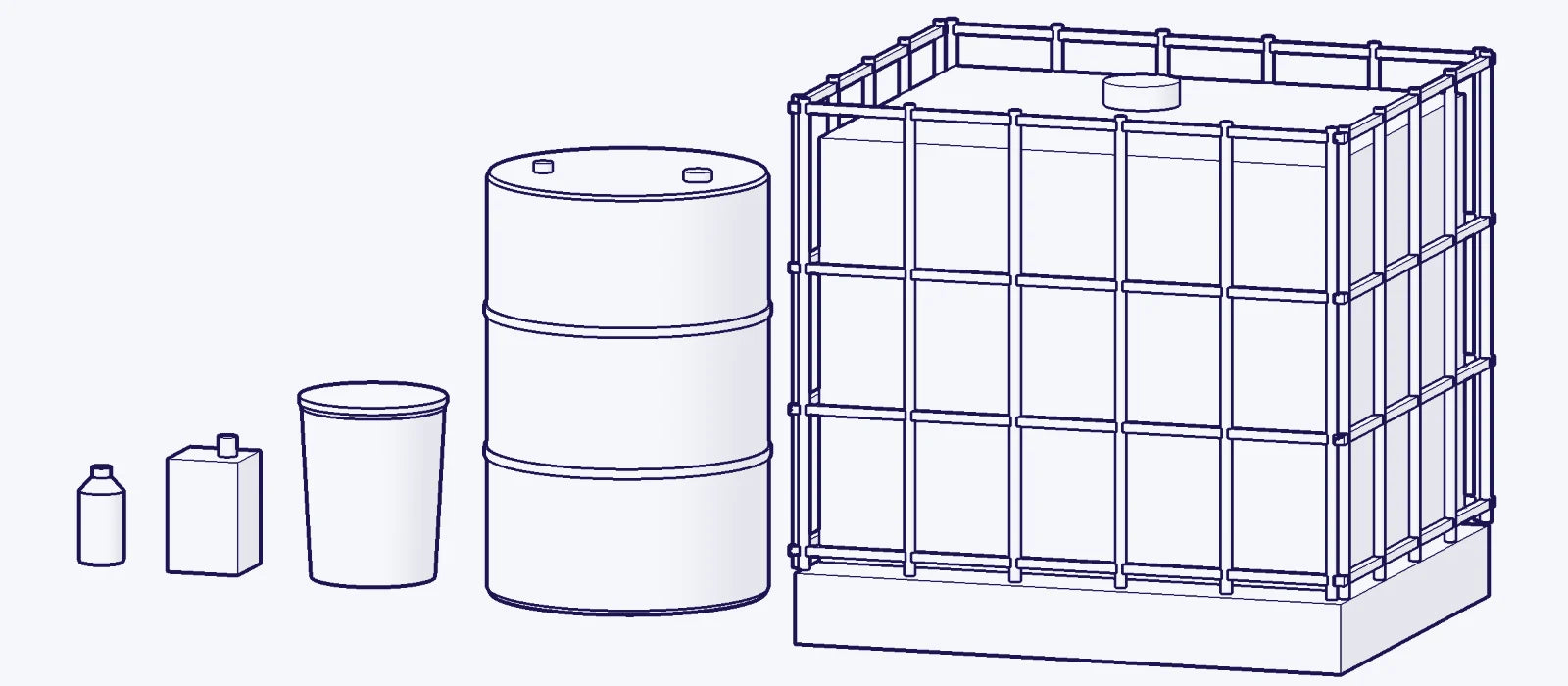
Extraction facilities range from boutique laboratories to large-scale industrial processors, necessitating diverse packaging options. High-volume solvents like Denatured Alcohol and Hexane are most commonly procured in 55-gallon steel drums or 275-gallon intermediate bulk containers (IBC totes) to support continuous closed-loop processing. Due to the high flammability of most extraction solvents (Class 3 Flammable Liquids), shipping requires hazardous material (Hazmat) ground freight coordination. Receiving facilities must possess appropriate loading docks and bonding/grounding equipment for safe transfer. While smaller operations or R&D labs may source chemicals in 5-gallon pails, bulk purchasing is standard for production runs to minimize unit costs. Storage typically requires fire-rated cabinets or explosion-proof rooms in accordance with local fire codes.

Common Mistakes to Avoid

A frequent oversight in botanical extraction sourcing is selecting the wrong formula of denatured alcohol. While "200 Proof" indicates minimal water content, the denaturant matters significantly; using formulas containing methanol or aggressive ketones can complicate downstream separation and residual solvent testing. Processors must verify the specific denaturant profile to ensure compatibility with their recovery systems. Another common error involves confusing Technical Grade solvents with ACS or Food Grade options. For processes involving direct contact with the botanical matrix, ignoring non-volatile residue specifications can lead to failing state-mandated purity tests for the final concentrate. Additionally, failing to request a COA for the specific current lot—rather than a generic sample COA—creates gaps in the regulatory audit trail. Buyers should also confirm gasket compatibility, as solvents like D-Limonene can degrade certain seal materials.

Why Alliance Chemical

COA Per Lot

Every lot ships with a Certificate of Analysis. Full traceability for your quality system.

SDS Included

Safety Data Sheets included with every order. Available on demand for any product.

Same-Day Shipping

Order by 2 PM CT and it ships today. DOT-certified hazmat packaging.

Real People

Call us and a person answers. No phone trees, no ticket queues. Taylor, Texas.

Made in the USAOwned and operated since 1998Certificate of Analysis (COA) available per lotSafety Data Sheet (SDS) provided with every orderTrusted by DOD, DLA, NASA, SOCOM, and Space ForceCAGE Code 1LT50Bulk pricing and purchase orders acceptedTechnical support availableContact: sales@alliancechemical.com

Frequently Asked Questions

Why is Formula 3C Denatured Ethanol frequently requested for botanical extraction?
Formula 3C is denatured with Isopropyl Alcohol rather than Methanol or Heptane. Many processors prefer this profile because Isopropyl Alcohol forms an azeotrope with Ethanol that is often easier to manage during solvent recovery compared to other denaturants.
How do I verify if a solvent meets the requirements for my state's residual solvent limits?
You must review the Certificate of Analysis (COA) provided with the specific lot number of the chemical. The COA lists the purity assay and non-volatile residue levels, which your Quality Control team can cross-reference against state compliance thresholds.
Is D-Limonene suitable for winterization processes?
D-Limonene is a non-polar solvent primarily used for direct extraction or as a cleaning agent for sticky residues. Winterization typically requires a polar solvent, such as Ethanol or Methanol, to precipitate waxes and lipids from the crude extract.
What documentation is provided to support our internal compliance audits?
We provide a Safety Data Sheet (SDS) and a lot-specific Certificate of Analysis (COA) with orders. These documents allow your compliance team to trace the origin and specifications of the raw materials used in your processing chain.

Ready to Order?

Get the chemicals your Cannabis, Kratom & Botanical Extraction operation needs — with documentation, fast shipping, and real support.

Or call: (512) 894-2194