• 200+ Chemicals
  • 14 Industries Served
  • Same-Day Shipping
  • Taylor, Texas

What HVAC & Geothermal Cooling Buyers Need

Procurement teams in the HVAC and geothermal sectors prioritize heat transfer efficiency balanced against reliable freeze protection. Buyers typically require precise glycol concentrations based on local climate data and the specific "burst protection" versus "freeze protection" thresholds defined by their mechanical engineers. System compatibility is paramount; facility managers seek formulations with robust inhibitor packages designed to maintain stable pH levels and prevent galvanic corrosion in systems containing copper, brass, carbon steel, or aluminum. For open-loop geothermal systems or facilities with potential food contact (such as breweries or cold storage), auditors mandate USP-grade Propylene Glycol to meet environmental and toxicity safety standards. Documentation requirements include current Certificates of Analysis (COA) verifying reserve alkalinity and specific gravity. Additionally, maintenance departments often request specific pre-mixed ratios to eliminate the risk of on-site dilution errors during system charging.

Key Specifications

Specification Why It Matters
Glycol concentration (%) Freeze protection and heat transfer balance
Inhibitor package Corrosion protection for system metals
pH (as supplied) System compatibility and corrosion rate
Freeze point (°F) Climate zone protection
Toxicity profile Open-loop vs closed-loop system selection

Recommended Products

Primary Fit

100% Ethylene Glycol Inhibited

100% Ethylene Glycol Inhibited

Closed-loop HVAC and geothermal systems

From $19.41

View Product
Ethylene Glycol 50/50

Ethylene Glycol 50/50

Standard freeze protection (-34°F)

From $14.00

View Product
Ethylene Glycol 60/40

Ethylene Glycol 60/40

Extended freeze protection (-52°F)

From $18.00

View Product
Ethylene Glycol 30/70

Ethylene Glycol 30/70

Mild climate freeze protection (-4°F)

From $14.00

View Product
Propylene Glycol USP Grade

Propylene Glycol USP Grade

Open-loop and food-facility HVAC systems

From $19.66

View Product
Propylene Glycol Technical Grade

Propylene Glycol Technical Grade

Closed-loop HVAC where toxicity is not a concern

From $19.04

View Product
100% Propylene Glycol Inhibited

100% Propylene Glycol Inhibited

Corrosion-inhibited propylene glycol for HVAC

From $19.66

View Product
Deionized Water

Deionized Water

Glycol dilution and system fill

From $21.00

View Product

Conditional Fit

Calcium Chloride

Calcium Chloride

Secondary brine coolant

Corrosive to some metals — verify system compatibility

From $9.75

View Product

Packaging & Logistics

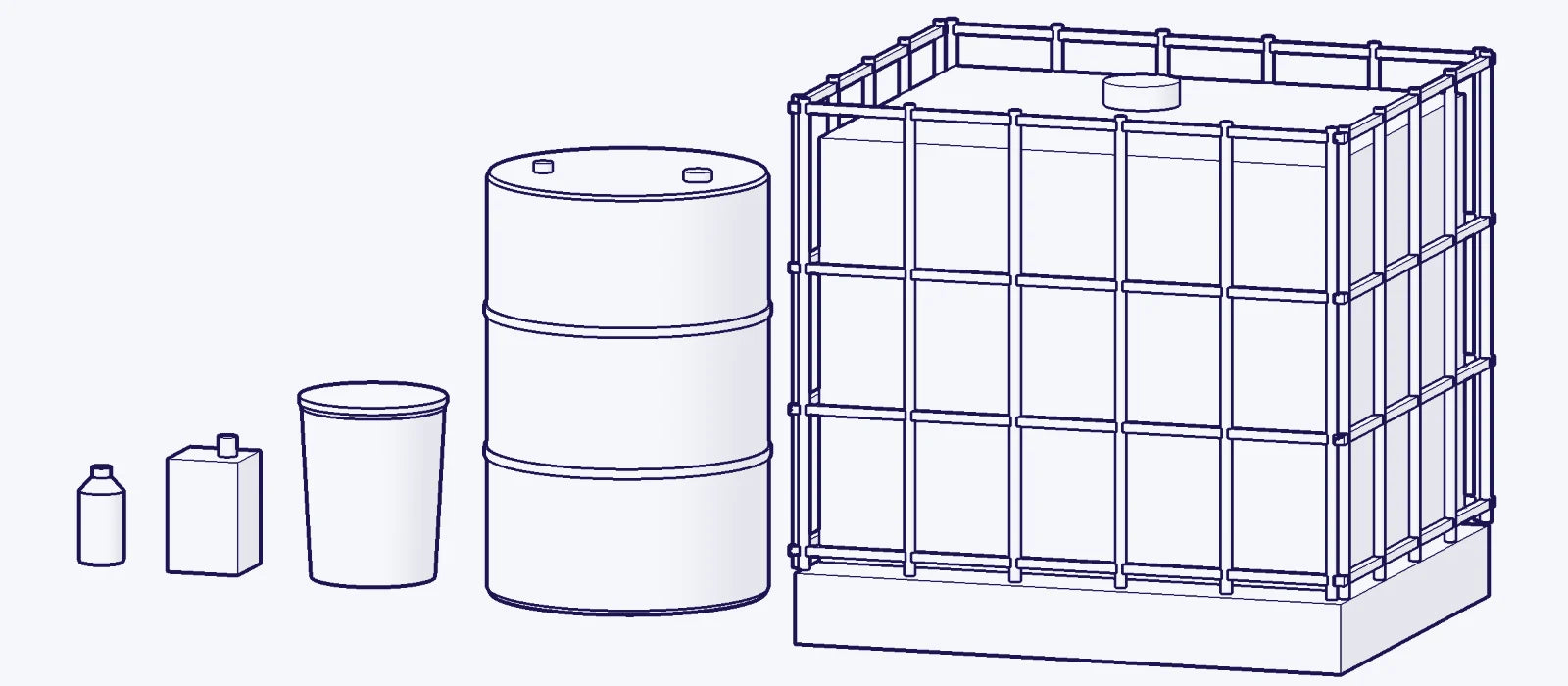
Large-scale commercial HVAC installations and geothermal loop fills typically necessitate bulk delivery via tanker truck or 275-gallon totes to facilitate efficient system charging. For ongoing maintenance and seasonal top-offs, 55-gallon drums are the standard unit of purchase. Buyers must consider site accessibility, as mechanical rooms and rooftop units often require liftgate delivery or specialized pumping equipment not provided by standard freight carriers. Storage stability is critical; buyers should plan for indoor climate-controlled storage to maintain the efficacy of inhibitor packages. Hazardous material classifications apply to Ethylene Glycol shipments, requiring specific labeling and handling protocols that logistics coordinators must verify prior to transport.

Common Mistakes to Avoid

A frequent error in this industry involves substituting uninhibited technical glycols for inhibited versions in multi-metal systems. Without the proper inhibitor package, glycol can degrade into glycolic acid, leading to rapid corrosion of expensive heat exchangers and piping. Another critical oversight is diluting concentrated glycol with municipal tap water instead of Deionized Water. The minerals and chlorides found in tap water react with corrosion inhibitors, precipitating them out of the solution and causing scale buildup that impedes heat transfer. Buyers also mistakenly select Ethylene Glycol for applications where drainage might interact with the water table or food processing zones; in these scenarios, Propylene Glycol is the required choice for toxicity reasons. Finally, over-concentrating the glycol solution beyond the necessary freeze point reduces thermal efficiency and increases strain on system pumps due to higher viscosity.

Why Alliance Chemical

COA Per Lot

Every lot ships with a Certificate of Analysis. Full traceability for your quality system.

SDS Included

Safety Data Sheets included with every order. Available on demand for any product.

Same-Day Shipping

Order by 2 PM CT and it ships today. DOT-certified hazmat packaging.

Real People

Call us and a person answers. No phone trees, no ticket queues. Taylor, Texas.

Made in the USAOwned and operated since 1998Certificate of Analysis (COA) available per lotSafety Data Sheet (SDS) provided with every orderTrusted by DOD, DLA, NASA, SOCOM, and Space ForceCAGE Code 1LT50Bulk pricing and purchase orders acceptedTechnical support availableContact: sales@alliancechemical.com

Frequently Asked Questions

What is the difference between freeze protection and burst protection in HVAC loops?
Freeze protection prevents crystals from forming and allows the fluid to pump at the lowest rated temperature. Burst protection allows the fluid to freeze into a slush that expands without rupturing pipes, suitable for dormant systems. Engineering teams determine the required concentration based on these operational distinctions.
When should I choose Propylene Glycol over Ethylene Glycol?
Propylene Glycol is typically selected for open-loop systems, food processing facilities, or applications where low toxicity is required due to environmental or safety regulations. Ethylene Glycol is often preferred for closed-loop industrial systems due to its superior heat transfer properties and lower viscosity.
Why is Deionized Water recommended for diluting concentrated glycol?
Deionized Water removes minerals and impurities that exist in standard tap water. Using high-purity water prevents scale formation and ensures the glycol's corrosion inhibitor package remains effective and in solution.
Can I mix different brands or types of glycol in my geothermal system?
Mixing different glycol formulations is generally discouraged as inhibitor packages may be incompatible, potentially leading to precipitation or reduced corrosion protection. It is advisable to flush the system or consult a process engineer before introducing a new fluid chemistry.

Industry Insights & Guides

Deep-dive articles on the chemicals, processes, and best practices for HVAC & Geothermal Cooling.

Need Chemicals for Your HVAC & Geothermal Cooling Operation?

Get the chemicals your HVAC & Geothermal Cooling operation needs — with documentation, fast shipping, and real support.

Or call: (512) 365-6838