Chlorinated Solvents

PCE, TCE & more — ACS and technical grade

4 Products
Sort by:: Best Selling
Sort by: Best Selling

FILTERS

Chemical name
  • (2)
  • (2)
Grade
  • (2)
  • (2)
Percentage
  • (1)
Form
  • (4)
Industry
  • (1)
  • (2)
  • (4)
  • (4)

About Chlorinated Solvents

Buy trichloroethylene (TCE) and perchloroethylene (PERC) from Alliance Chemical in ACS Reagent Grade and Technical Grade. These non-flammable chlorinated solvents are available in quarts through 55-gallon drums.

Products In This Collection

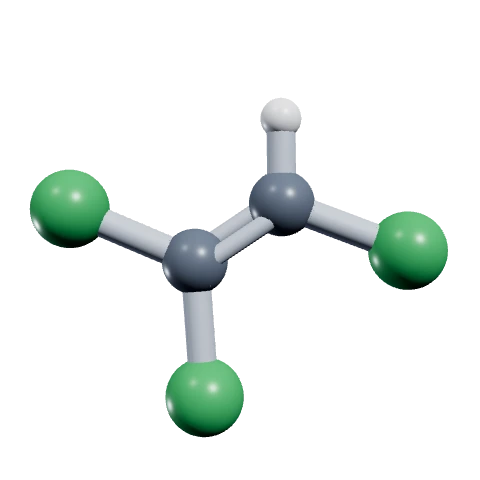
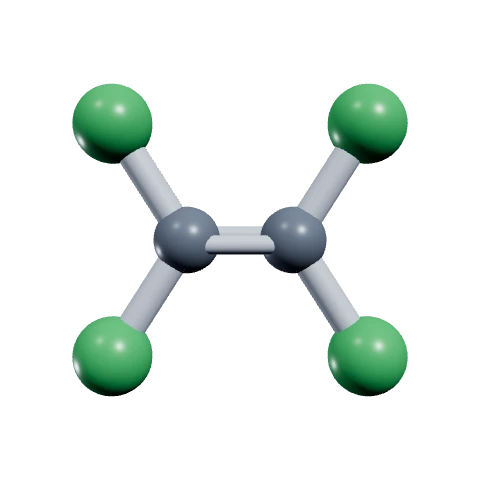
This collection includes trichloroethylene (TCE) Technical Grade (CAS 79-01-6, boiling point 87.2°C, specific gravity 1.463), TCE ACS Grade (99.8% assay), perchloroethylene (PERC, CAS 127-18-4, boiling point 121.1°C, density 1.62 g/cm³), and PERC ACS Grade (minimum 99.0%). Both compounds are non-flammable.

Common Applications

Trichloroethylene is used for vapor degreasing of machined metal parts, aerospace component cleaning, and as a laboratory extraction solvent. Perchloroethylene serves heavy-duty metal degreasing, dry cleaning operations, and precision cleaning where a higher boiling point is needed. The ACS grades provide purity required for analytical chemistry and spectroscopy.

Why Buy From Alliance Chemical

All chlorinated solvents include Safety Data Sheets (SDS) and lot-specific Certificates of Analysis (COA). Alliance Chemical ships same-day on in-stock items with no minimum order requirement.

Related: See the Solvents collection.

Frequently Asked Questions

Is Trichloroethylene (TCE) currently banned by the EPA for industrial use?
As of early 2026, the EPA is implementing phased restrictions on TCE under the Toxic Substances Control Act (TSCA), specifically targeting most consumer uses and certain industrial applications. However, specific exemptions remain for critical applications like vapor degreasing in the aerospace and defense industries, provided stringent Workplace Chemical Protection Programs (WCPP) are followed. Users should consult the latest EPA Risk Management Rules for TCE to ensure compliance with specific use-case deadlines.
What is the difference between TCE and PCE for vapor degreasing?
Trichloroethylene (TCE) has a lower boiling point (87°C) and higher solvency power (Kauri-Butanol value of 130), making it more effective for removing heavy, high-melt-point greases. Perchloroethylene (PCE) has a higher boiling point (121°C) and a Kauri-Butanol value of 90, which is preferable for removing moisture from parts or cleaning components with higher-temperature contaminants. PCE is also generally considered more stable and less prone to acidification during the boiling process compared to TCE.
How should chlorinated solvents be disposed of according to RCRA?
Spent chlorinated solvents like TCE and PCE are classified as listed hazardous wastes under EPA RCRA regulations, typically carrying waste codes F001 (degreasing) or F002 (general solvent use). These materials must be collected in compatible, closed containers, labeled correctly, and transported by a licensed hazardous waste hauler to a TSDF (Treatment, Storage, and Disposal Facility). Federal law prohibits the disposal of these solvents in municipal drains or on the ground due to groundwater contamination risks.
What PPE is required for handling Perchloroethylene under OSHA 1910.132?
Under OSHA 1910.132, employers must provide appropriate PPE based on a hazard assessment, which for PCE includes chemical-resistant gloves made of Viton™ or specialized laminate materials, as PCE permeates nitrile and latex rapidly. Chemical splash goggles or a full-face shield are required to prevent ocular exposure, and if vapor concentrations exceed the OSHA PEL of 100 ppm (8-hour TWA), a NIOSH-approved respirator with organic vapor cartridges must be utilized. Protective aprons should be worn to prevent skin absorption through clothing.
Can Perchloroethylene ACS Grade be used for laboratory extraction?
Yes, Perchloroethylene ACS Grade meets the stringent purity standards set by the American Chemical Society, making it suitable for analytical laboratory extraction and chemical synthesis. It is frequently used in the extraction of fats, oils, and waxes from organic matter where high purity is required to prevent sample contamination. Because of its high density (1.62 g/cm³), it is also effective for liquid-liquid extractions where it forms the bottom layer in aqueous mixtures.
How do I prevent acid breakdown of chlorinated solvents in a degreaser?
Chlorinated solvents can undergo hydrolysis or thermal breakdown, forming corrosive hydrochloric acid, especially when exposed to moisture and reactive metals like aluminum. To prevent this, users should utilize 'stabilized' grades of TCE or PCE which contain acid acceptors and antioxidants. Regular testing of the solvent's pH and acid-neutralizing capacity using a field test kit is recommended to determine when stabilizer replenishment or solvent distillation is necessary.
What are the DOT shipping requirements for Trichloroethylene?
Trichloroethylene is regulated by the DOT under 49 CFR Part 172 as a Class 6.1 Toxic Substance, UN1710, Packing Group III. Shipping containers must be marked with the Proper Shipping Name, UN number, and Toxic placards for bulk shipments. For smaller quantities, Limited Quantity exemptions may apply depending on the inner packaging size, but a manifest and proper hazardous material shipping papers are almost always required for B2B transport.
How should TCE and PCE be stored according to NFPA 30 standards?
Although chlorinated solvents have high flash points and are often considered non-flammable, they should be stored in accordance with NFPA 30 guidelines for stable liquids. Store in a cool, dry, well-ventilated area away from direct sunlight and incompatible materials like strong bases, reactive metals, and oxidizing agents. Containers must remain tightly sealed when not in use to prevent the escape of vapors, which are heavier than air and can accumulate in low-lying areas.