What AI & Data Center Cooling Buyers Need

Data center facility managers and thermal engineers prioritize fluid stability and material compatibility above all else when sourcing liquid cooling solutions. With the rise of AI workloads driving rack densities beyond 50kW, the thermal transfer efficiency of the fluid directly impacts Power Usage Effectiveness (PUE). Buyers require Certificate of Analysis (COA) documentation that verifies specific inhibitor packages designed for mixed-metal loops, particularly those containing both copper cold plates and aluminum manifolds. For Direct-to-Chip (DTC) applications, strict filtration specifications and low electrical conductivity metrics are essential to mitigate risks associated with potential leaks near sensitive components. Procurement teams also evaluate the freeze point depression relative to the facility’s geographic location to prevent burst pipes during free cooling cycles. Furthermore, auditors frequently request documentation proving the fluid constitutes a consistent formulation to ensure long-term chemical compatibility with seals, hoses, and quick disconnects found in Coolant Distribution Units (CDUs).

Key Specifications

Specification Why It Matters
Thermal conductivity Heat transfer efficiency
pH / inhibitor package Corrosion protection for loop metals
Freeze point (°F/°C) Protection range for your climate
Viscosity (cSt) Pump energy and flow rate
Electrical conductivity Leak risk in direct-to-chip systems

Recommended Products

Primary Fit

Ethylene Glycol Semiconductor Grade

Ethylene Glycol Semiconductor Grade

Direct-to-chip cooling loops

From $14.11

View Product
100% Ethylene Glycol Inhibited

100% Ethylene Glycol Inhibited

Cooling loops with corrosion protection

From $19.41

View Product
Ethylene Glycol 50/50

Ethylene Glycol 50/50

Pre-mixed coolant for standard loops

From $14.00

View Product
Ethylene Glycol 60/40

Ethylene Glycol 60/40

High-protection coolant blend

From $18.00

View Product
Ethylene Glycol 30/70

Ethylene Glycol 30/70

Light-duty cooling

From $14.00

View Product
30% Propylene Glycol USP Grade

30% Propylene Glycol USP Grade

Food-safe facility cooling systems

From $15.00

View Product
Propylene Glycol Technical

Propylene Glycol Technical

Standard facility cooling

From 19.04

Propylene Glycol 50% – USP Grade (C3H8O2)

Propylene Glycol 50% – USP Grade (C3H8O2)

Pre-mixed facility coolant

From $21.00

View Product
Propylene Glycol Inhibited ACS Grade

Propylene Glycol Inhibited ACS Grade

High-purity cooling with inhibitor

From $21.43

View Product
Deionized Water

Deionized Water

Cooling loop base fluid

From $21.00

View Product

Conditional Fit

Ethylene Glycol ACS Grade

Ethylene Glycol ACS Grade

High-purity cooling

Verify compatibility for your system

From $20.85

View Product
Glycol Ether EE

Glycol Ether EE

Specialty coolant formulation

Verify for your application

From $22.47

View Product

Packaging & Logistics

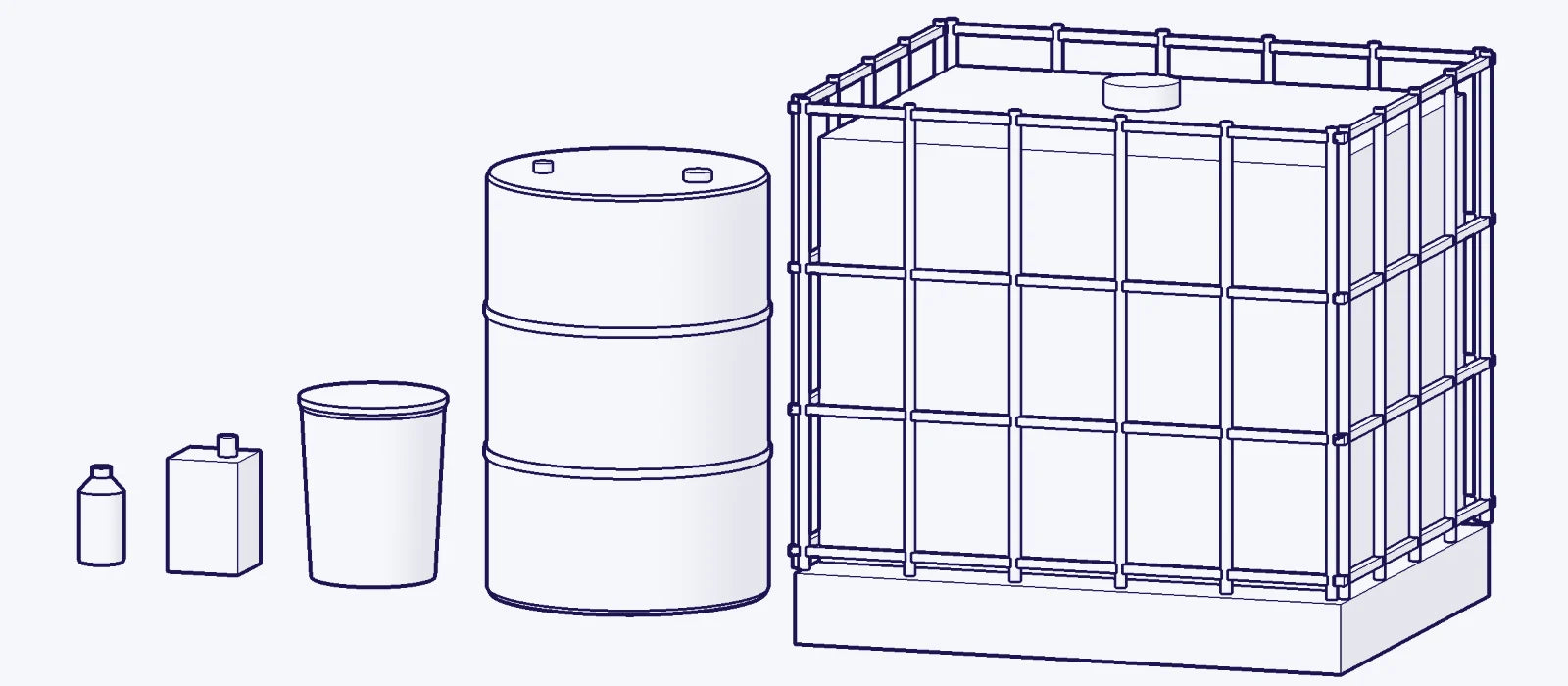
Facilities managing liquid cooling infrastructure typically procure heat transfer fluids in 55-gallon drums for routine maintenance and top-offs, or 275-gallon totes for initial loop fills and large-scale expansions. Because rapid deployment is often critical in the data center sector, buyers frequently require expedited freight options to minimize downtime during commissioning. Deliveries generally arrive palletized and require a forklift or loading dock for safe handling. For hyperscale facilities, bulk tanker delivery arrangements may be necessary. Storage protocols usually demand indoor, climate-controlled environments to maintain the integrity of inhibitor packages before introduction into the cooling loop. Buyers should confirm site access capabilities for heavy freight carriers prior to finalizing purchase orders.

Common Mistakes to Avoid

A prevalent error in the data center industry is the substitution of automotive-grade antifreeze for industrial heat transfer fluids. Automotive formulations often contain silicates or phosphates that can precipitate out of solution, coating heat exchangers and clogging the micro-channels in cold plates, which drastically reduces thermal performance. Another common oversight is failing to verify water quality when purchasing concentrated glycol. Diluting technical grade glycol with facility tap water introduces chlorides and minerals that accelerate corrosion and scale; utilizing pre-mixed solutions or on-site Deionized Water is required to maintain system integrity. Additionally, engineers sometimes overestimate the glycol concentration needed. Running a higher percentage of glycol than necessary increases fluid viscosity, which forces pumps to work harder and consumes more energy, negatively affecting the facility's overall PUE. Finally, neglecting to monitor reserve alkalinity results in sudden inhibitor depletion.

Why Alliance Chemical

COA Per Lot

Every lot ships with a Certificate of Analysis. Full traceability for your quality system.

SDS Included

Safety Data Sheets included with every order. Available on demand for any product.

Same-Day Shipping

Order by 2 PM CT and it ships today. DOT-certified hazmat packaging.

Real People

Call us and a person answers. No phone trees, no ticket queues. Taylor, Texas.

Made in the USAOwned and operated since 1998Certificate of Analysis (COA) available per lotSafety Data Sheet (SDS) provided with every orderTrusted by DOD, DLA, NASA, SOCOM, and Space ForceCAGE Code 1LT50Bulk pricing and purchase orders acceptedTechnical support availableContact: sales@alliancechemical.com

Frequently Asked Questions

What is the recommended purity for Direct-to-Chip (DTC) cooling loops?
Direct-to-chip systems often utilize Semiconductor Grade Ethylene Glycol or highly filtered Technical Grade fluids. These grades minimize particulate matter that could block micro-channels within the cold plates and offer controlled electrical conductivity profiles.
How does glycol concentration affect the Power Usage Effectiveness (PUE)?
Glycol has a lower heat transfer coefficient and higher viscosity than pure water. Higher concentrations require more pumping energy to achieve the same thermal removal, potentially raising PUE; engineers should calculate the minimum concentration required for freeze and burst protection.
Can we mix different brands of inhibited glycol in our Coolant Distribution Unit (CDU)?
Mixing different fluid brands is generally discouraged without a compatibility study from your engineering team. Different inhibitor technologies (e.g., OAT vs. inorganic) can react chemically, potentially causing precipitation or reducing corrosion protection.
Why is electrical conductivity a critical spec for data center coolants?
In the event of a leak, fluids with high electrical conductivity increase the risk of short-circuiting expensive server hardware. Many operators specify fluids with low conductivity to provide a safety margin for IT equipment.
What documentation is required for facility audits regarding cooling fluids?
Auditors typically require the Safety Data Sheet (SDS) for compliance and the Certificate of Analysis (COA) for quality verification. These documents confirm batch consistency and adherence to the specifications required by the hardware manufacturers.

Ready to Order?

Get the chemicals your AI & Data Center Cooling operation needs — with documentation, fast shipping, and real support.

Or call: (512) 894-2194