Organic Acids

Acetic, Citric & Oxalic Acid — ACS to food grade

22 Products
Sort by:: Best Selling
Sort by: Best Selling

FILTERS

Chemical name
  • (9)
  • (6)
  • (2)
  • (5)
Grade
  • (5)
  • (8)
  • (3)
  • (5)
  • (1)
Percentage
  • (1)
  • (2)
  • (1)
  • (1)
  • (2)
  • (3)
  • (3)
  • (1)
  • (1)
  • (3)
Form
  • (4)
  • (6)
  • (2)
Industry
  • (3)
  • (2)
  • (2)
  • (6)
  • (2)
  • (5)
  • (3)
  • (2)
  • (2)

About Organic Acids

About Organic Acids

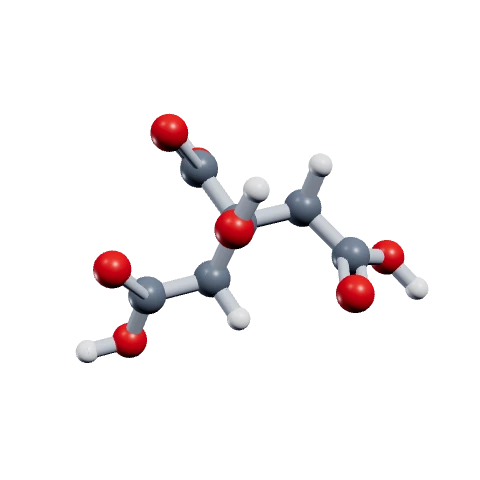
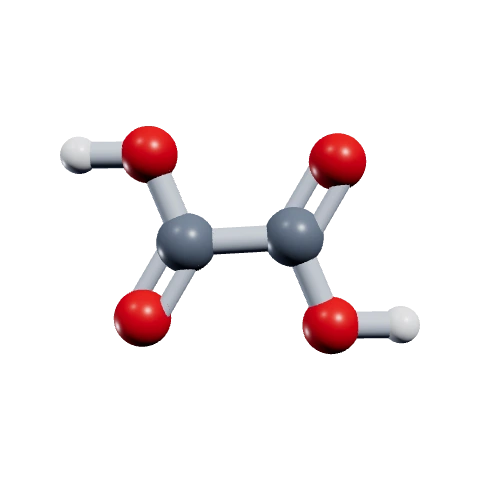
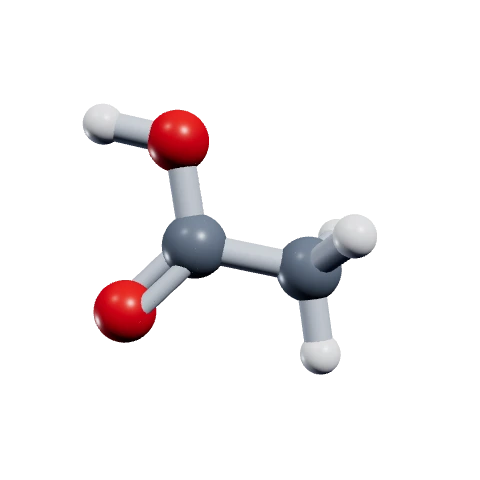
Organic acids are carbon-based compounds characterized by their acidic properties and the presence of one or more carboxyl groups (-COOH). These versatile chemicals, including Acetic Acid (CAS 64-19-7), Citric Acid (CAS 77-92-9), and Oxalic Acid (CAS 144-62-7), serve as critical reagents in food preservation, industrial cleaning, and chemical synthesis. Unlike mineral acids, organic acids generally exhibit lower dissociation constants, making them ideal for precise pH adjustment and sensitive material applications.

Common Applications

  • Industrial Cleaning and Descaling: Citric acid solutions (5%–10%) are used to remove calcium and magnesium scale from heat exchangers and food-service equipment without damaging internal components.
  • Stainless Steel Passivation: Citric acid passivation removes free iron from stainless surfaces to enhance corrosion resistance per ASTM A967 standards.
  • Agricultural Weed Control: Concentrated vinegar (30%–50% acetic acid) serves as a non-selective, post-emergent herbicide for organic farming and property maintenance.
  • Wood Refinishing: Oxalic acid acts as a wood bleach to remove iron stains and restore natural brightness to timber and decks.
  • Chemical Manufacturing: Glacial acetic acid serves as a precursor for the production of vinyl acetate monomer (VAM) and acetic anhydride.
  • Metal Finishing: Acetic acid is utilized in controlled oxidation processes to create specific patinas and verdigris finishes on copper and brass.
  • Food Preservation: FCC grade citric and acetic acids are used as acidulants to lower pH and inhibit microbial growth in processed foods.

What We Carry

We supply a comprehensive range of organic acids in concentrations from 10% solutions to 99.7% glacial grades. Our inventory includes ACS Reagent Grade for laboratory precision, FCC/USP Food Grade for consumable applications, and Technical Grade for industrial descaling and agriculture. Available packaging sizes range from 1-quart bottles and 5-gallon pails to 55-gallon drums and 275-gallon IBC totes.

Grade Purity Range Best For
ACS Grade 99.5% - 99.9% Analytical laboratories and high-purity chemical synthesis.
FCC/Food Grade 99.0%+ Food preservation, beverage acidulants, and nutritional supplements.
Technical Grade 75% - 99% Industrial cleaning, agricultural herbicidal use, and textile dyeing.
Industrial Strengths 10% - 50% General descaling, concrete etching, and municipal water treatment.

Safety & Handling

Concentrated organic acids are classified under GHS05 Corrosion and GHS07 Exclamation Mark hazards. Glacial Acetic Acid is a flammable liquid and vapor (Flash Point: 39°C), requiring storage in flame-resistant cabinets away from strong oxidizers and mineral acids like sulfuric or nitric acid. Personnel must utilize chemical-resistant gloves (nitrile or butyl), splash goggles, and face shields when handling concentrations above 20%.

Compliance with OSHA 29 CFR 1910.1200 (HazCom) is mandatory for workplace safety training, and all spills must be managed according to EPA RCRA guidelines for corrosive wastes. Always store organic acids in original, vented containers in a cool, dry area between 15°C and 25°C. In case of skin contact, flush with water for at least 15 minutes and seek medical attention if irritation persists. Safety Data Sheets are available for every product to ensure full regulatory compliance.

Sourcing & Quality

Shipped from Taylor, Texas — same-day on in-stock items.

COA included with every order. Certificate of Analysis documents lot-specific purity and specifications.

28 years serving 55,000+ customers including 244 federal contracts.

✓ SDS Included ✓ COA Available ⚡ Same-Day Shipping ★ No Minimum Order

Last updated: March 2026

Frequently Asked Questions

What concentration of acetic acid is needed to kill weeds effectively?
Agricultural applications generally require a 20% to 30% acetic acid concentration for effective weed suppression. While household vinegar is only 5%, industrial strengths like 30% vinegar (CAS 64-19-7) act as non-selective desiccants, killing plant tissue on contact by dissolving cell membranes. For heavy woody growth, a 45% or 50% solution may be required, though these higher concentrations require strict adherence to PPE protocols including eye protection and acid-resistant gloves.
Is glacial acetic acid considered a hazardous material for DOT shipping?
Yes, acetic acid concentrations exceeding 80% are classified by the Department of Transportation under 49 CFR 172.101 as a Class 8 (Corrosive) material with a Class 3 (Flammable) subsidiary risk. Glacial Acetic Acid (99.7%) has a flash point of approximately 39°C (103°F), requiring UN2789 labeling and specific performance-oriented packaging (Packing Group II). Alliance Chemical ensures all shipments comply with 49 CFR requirements for hazardous material transport.
What is the specific ratio for descaling an espresso machine with citric acid?
Industrial descaling typically utilizes a ratio of 1 to 2 tablespoons of food-grade anhydrous citric acid (CAS 77-92-9) per liter of water. This creates a solution concentration of approximately 1.5% to 3%, which is sufficient to dissolve calcium carbonate buildup without corroding internal copper or brass components. Ensure the solution is heated to roughly 60°C for maximum efficacy and followed by a triple-rinse cycle with deionized or distilled water.
Does oxalic acid remove rust from automotive and marine parts?
Oxalic acid (CAS 144-62-7) is a highly effective chelating agent that converts insoluble iron oxides into soluble ferric oxalate ions. For rust removal, a 5% to 10% aqueous solution is applied to the metal surface and allowed to dwell for 20 to 60 minutes depending on the depth of the oxidation. Unlike mineral acids, oxalic acid is less aggressive toward the underlying base metal, though it must be neutralized with a basic solution like sodium bicarbonate (baking soda) after treatment to prevent flash rusting.
What are the OSHA PPE requirements for handling concentrated organic acids?
Per OSHA 29 CFR 1910.132 and 1910.133, employers must provide personal protective equipment including chemical-splash goggles and face shields when there is a risk of splashing corrosive organic acids. For concentrations such as 75% Vinegar or Glacial Acetic Acid, nitrile or butyl rubber gloves (minimum 14 mil thickness) are required to prevent dermal absorption and chemical burns. Work areas should also be equipped with an ANSI Z358.1 compliant emergency eyewash station accessible within 10 seconds of the hazard.
What is the difference between Technical, ACS, and FCC grades of Citric Acid?
Technical grade citric acid is intended for industrial cleaning and water treatment where trace impurities do not impact the process. FCC (Food Chemicals Codex) grade meets strict purity standards for human consumption and is verified for heavy metal limits (Lead < 0.5 mg/kg). ACS Reagent grade is the highest purity level, meeting American Chemical Society standards for laboratory analysis and critical manufacturing processes, ensuring minimal interference from trace elements.
How should organic acids be stored to prevent hazardous reactions?
Organic acids must be stored in a cool, well-ventilated area away from strong oxidizers, such as Nitric Acid or Hydrogen Peroxide, to prevent exothermic reactions. According to NFPA 704 guidelines, glacial acetic acid should be segregated in a dedicated corrosive or flammable cabinet. Never store organic acids in proximity to strong bases like Sodium Hydroxide, as neutralization reactions can generate significant heat and pressure within closed containers.
Is oxalic acid considered a hazardous waste under EPA RCRA standards?
Oxalic acid waste is primarily regulated under EPA 40 CFR 261.22 due to its characteristic of corrosivity if the pH of the waste stream is less than or equal to 2.0. Spent solutions from industrial cleaning or wood bleaching must be tested or neutralized prior to disposal in municipal sewer systems, depending on local POTW (Publicly Owned Treatment Works) regulations. Always consult your local environmental compliance officer to determine if your specific waste stream qualifies as D002 hazardous waste.