Other Oxidizing Agents

Sort by:: Best Selling
Sort by: Best Selling

FILTERS

Industry
  • (4)
  • (4)
  • (2)
  • (4)
Form
  • (2)
  • (3)
  • (1)
Grade
  • (3)
  • (3)

About Other Oxidizing Agents

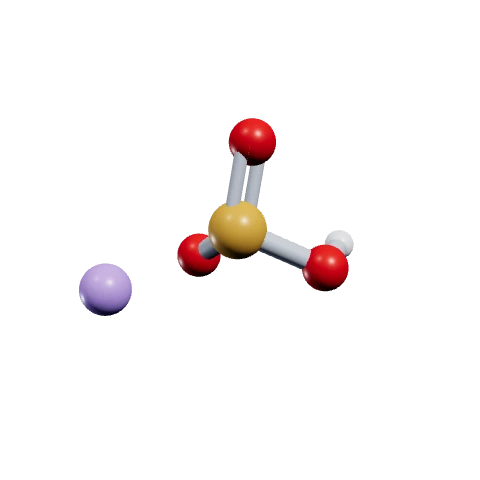
Specialty oxidizing agents beyond the common hydrogen peroxide and hypochlorite families serve critical roles in water treatment, chemical processing, and industrial applications. These compounds—including bisulfites, thiosulfates, and chlorite compounds—provide precise oxidation control for demanding processes where standard oxidizers fall short.

Common Applications

  • Water Dechlorination: Sodium bisulfite and thiosulfate neutralize residual chlorine in municipal and industrial water systems
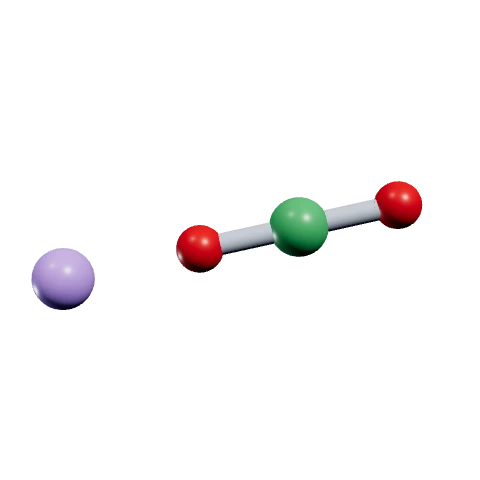
  • Pulp and Paper Processing: Chlorite compounds generate chlorine dioxide for selective bleaching without forming harmful organochlorines
  • Photography and Film Processing: Sodium thiosulfate serves as a fixing agent to remove unexposed silver halides
  • Chemical Synthesis: Controlled reduction reactions using bisulfite solutions in pharmaceutical and fine chemical manufacturing
  • Food Processing: Antioxidant applications and preservation using food-grade bisulfite formulations
  • Analytical Chemistry: Standardized solutions for iodometric titrations and redox analysis

Our comprehensive water treatment guide covers the specific roles these oxidizers play in municipal and industrial systems.

What We Carry

Alliance Chemical stocks both ACS reagent grade and technical grade formulations. Available products include Sodium Bisulfite (25% and 40% solutions), Sodium Thiosulfate (anhydrous crystals), and Sodium Chlorite Flakes (80% concentration). Solutions offer immediate use convenience, while solid forms provide longer shelf life and concentrated storage.

Available Pack Sizes

We supply from laboratory quantities (1-gallon containers) up to bulk industrial volumes (275-gallon totes and 55-gallon drums). This flexibility supports both R&D applications and continuous manufacturing processes.

Understanding chemical grades is crucial for your application—review our detailed chemical grades comparison guide to select the right specification. Every shipment includes complete SDS and Certificate of Analysis documentation. We offer same-day shipping with no minimum order requirements, ensuring you get the specialty oxidizers you need when you need them.

SDS Included COA Available Same-Day Shipping No Minimum Order

Frequently Asked Questions

What are some common applications for specialty oxidizing agents?
Specialty oxidizing agents, like those offered by Alliance Chemical, find use in a variety of applications. These include dechlorination of treated water, photography and film processing, pulp and paper bleaching, water disinfection through chlorine dioxide generation, and various chemical reduction and neutralization processes. The specific application depends on the oxidizing agent's reactivity and properties.
How does sodium bisulfite work as a dechlorinating agent?
Sodium bisulfite is a reducing agent that neutralizes chlorine by converting it to chloride ions. It reacts with free chlorine to form harmless salts, effectively removing chlorine from water streams. Alliance Chemical provides sodium bisulfite in various grades suitable for water treatment and industrial applications. Always follow proper safety protocols when handling.
What are the safety precautions when handling chlorite compounds?
Chlorite compounds are strong oxidizers and require careful handling. Avoid contact with skin, eyes, and clothing, and always wear appropriate personal protective equipment (PPE) such as gloves, goggles, and a lab coat. Store in a cool, dry, and well-ventilated area, away from incompatible materials, as outlined in the safety data sheet (SDS) provided by Alliance Chemical.
What is chlorine dioxide generation, and why is it important?
Chlorine dioxide (ClO2) is a powerful disinfectant used in water treatment and other applications. It's generated on-site because it's unstable for storage and transportation. Its generated by reacting a chlorite salt with an acid. Alliance Chemical supplies the precursor chemicals necessary for generating chlorine dioxide to customers in the water treatment sector.
What grades of sodium thiosulfate are available from Alliance Chemical?
Alliance Chemical offers sodium thiosulfate in technical and photographic grades. The photographic grade is purified to ensure minimal impurities that could interfere with film processing. These grades are available in various concentrations and package sizes to meet diverse customer needs. Refer to product specifications for exact purity levels.
How do I properly store bisulfites to prevent decomposition?
Bisulfites are sensitive to air and moisture, which can cause them to decompose and lose their effectiveness. Store them in tightly sealed containers in a cool, dry, and well-ventilated area. Avoid exposure to direct sunlight and high temperatures. Alliance Chemical provides packaging that is appropriate for transport and storage.
Can sodium bisulfite be used in food processing?
Yes, sodium bisulfite is sometimes used as a preservative in food processing to prevent discoloration and spoilage. However, regulations regarding its use vary depending on the specific application and region. Always check local regulations and ensure that the sodium bisulfite used is food-grade and meets the required purity standards. Always consult with an expert and research laws before adding anything to food for commercial sale.
How can I determine the concentration of an oxidizing agent solution?
The concentration of an oxidizing agent solution can be determined using various analytical techniques, such as titration or spectrophotometry. These methods involve reacting the oxidizing agent with a known amount of a reducing agent or measuring its absorbance at a specific wavelength. Alliance Chemical's technical support team can assist with choosing the appropriate analytical method.
What documentation does Alliance Chemical provide with its oxidizing agents?
Alliance Chemical provides a Safety Data Sheet (SDS) with every order, which contains detailed information on the chemical's properties, hazards, safe handling procedures, and emergency measures. A Certificate of Analysis (COA) is also provided, detailing the specific chemical composition, purity, and other quality control parameters. These documents ensure transparency and compliance.