Ketones

MEK, MIBK, Acetone & Cyclohexanone — ACS to technical

12 Products
Sort by:: Best Selling
Sort by: Best Selling

FILTERS

Chemical name
  • (2)
  • (2)
  • (2)
  • (2)
  • (2)
  • (2)
Grade
  • (6)
  • (6)
Percentage
  • (1)
  • (2)
Form
  • (12)
Industry
  • (7)
  • (8)
  • (1)
  • (12)
  • (6)

About Ketones

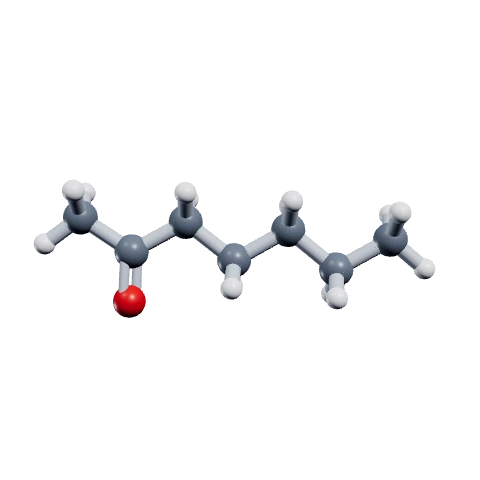
Buy acetone, methyl ethyl ketone (MEK), and methyl isobutyl ketone (MIBK) from Alliance Chemical in ACS Reagent and Technical grades.

Products In This Collection

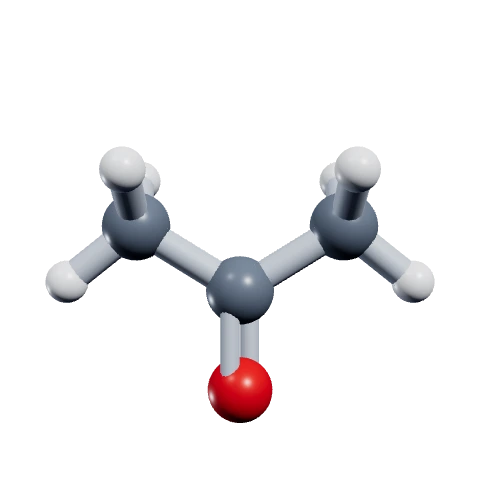
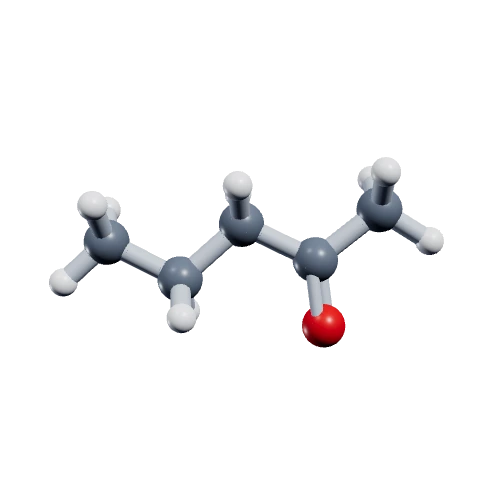
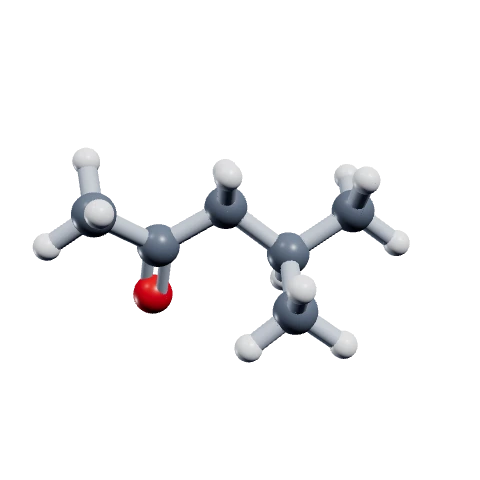
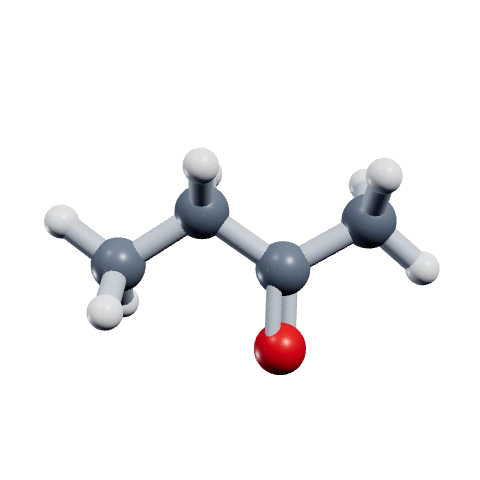
This collection includes acetone ACS Grade (CAS 67-64-1, ≥99.5%, boiling point 56–57°C), acetone Technical Grade (99.9%), MEK Technical Grade (CAS 78-93-3, boiling point 79.6°C), MEK ACS Grade (≥99.0%), and MIBK Technical Grade (CAS 108-10-1, boiling point 116–118°C).

Common Applications

Acetone is used for HPLC preparation, fiberglass resin cleanup, precision cleaning, and extraction. MEK serves in paint and coating formulations, adhesive manufacturing, and printing inks. MIBK provides a slower-evaporating option for high-quality lacquer systems, rare earth metal extraction, and pharmaceutical intermediate synthesis.

Why Buy From Alliance Chemical

All ketone solvents ship with Safety Data Sheets (SDS) and Certificates of Analysis (COA). Alliance Chemical provides rapid shipping with DOT-compliant hazmat packaging and no minimum order.

Related: See the Solvents and Esters collections.

Frequently Asked Questions

What is the difference between Acetone and MEK evaporation rates?
Acetone (CAS 67-64-1) evaporates significantly faster than Methyl Ethyl Ketone (MEK, CAS 78-93-3), with a relative evaporation rate of 5.6 compared to MEK's 3.8 (where n-butyl acetate = 1.0). This makes Acetone ideal for rapid drying tasks, while MEK is preferred for applications like lacquer thinning or adhesive formulation where a longer 'open time' is required for the solvent to penetrate or level out.
Which glove material is required for handling Methyl Ethyl Ketone (MEK)?
Nitrile and latex gloves offer very poor resistance to MEK and will degrade or permeate in seconds; instead, use Butyl Rubber or multi-layer laminate gloves (like Silver Shield). According to industrial hygiene standards, Butyl rubber provides a breakthrough time of over 480 minutes for MEK, ensuring operator safety during bulk transfer or manual cleaning as per OSHA 29 CFR 1910.138 guidelines.
Is MEK or Acetone better for 3D print smoothing?
Acetone is the industry standard for smoothing ABS (Acrylonitrile Butadiene Styrene) because it interacts predictably with the polymer chains to melt the surface layers. While MEK is a stronger solvent and can also be used, it is often considered too aggressive for delicate vapor smoothing, though it is highly effective for 'welding' or bonding ABS parts together permanently.
What are the storage requirements for ketones under NFPA 30?
Ketones like Acetone and MEK are Class IB Flammable Liquids because they have flash points below 73°F (22.8°C) and boiling points at or above 100°F (37.8°C). Under NFPA 30, they must be stored in approved flammable liquid storage cabinets or inside specially designed cut-off rooms with explosion-proof electrical fixtures, grounding/bonding capabilities, and secondary containment to mitigate fire risks.
What is the purity difference between ACS Grade and Technical Grade Acetone?
Acetone ACS Grade (American Chemical Society) is held to a purity standard of ≥99.5% with strictly defined limits for impurities like aldehydes, isopropyl alcohol, and heavy metals. Technical Grade Acetone typically has a purity of ≥99.0% and is suitable for industrial degreasing and resin cleanup where the micro-impurities tracked in ACS grade do not affect the outcome of the process.
How should spent ketone solvents be disposed of according to EPA RCRA?
Spent ketones like Acetone, MEK, MIBK, and Cyclohexanone are generally classified as F-listed hazardous wastes (specifically F003 for ignitability or F005 for toxicity) under 40 CFR 261.31. They must be collected in compatible, closed containers and disposed of through a certified TSDF (Treatment, Storage, and Disposal Facility), and facilities must track their generator status (SQG vs. LQG) based on monthly waste volume.
What is the flash point of Methyl Isobutyl Ketone (MIBK)?
Methyl Isobutyl Ketone (MIBK, CAS 108-10-1) has a flash point of approximately 14°C (57°F), which classifies it as a flammable liquid under DOT and GHS criteria. While it is less volatile than Acetone, it still requires stringent ignition source control and must be shipped as a UN1245 hazardous material in Packing Group II.
Can Cyclohexanone be used as a solvent for PVC?
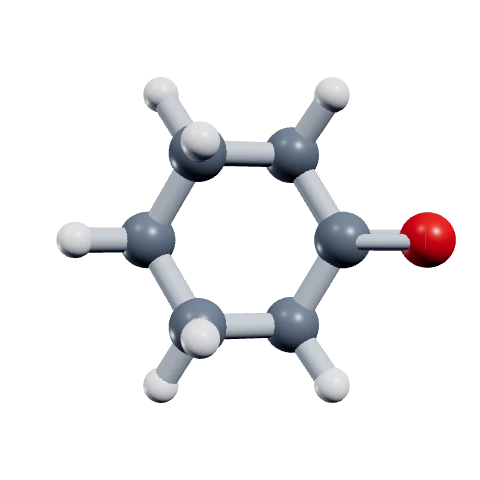
Cyclohexanone (CAS 108-94-1) is one of the most effective solvents for Polyvinyl Chloride (PVC) and is a primary ingredient in high-strength PVC pipe cements. Its high boiling point (155°C) and slow evaporation rate allow it to deeply soften the PVC surface, creating a true chemical weld when the pieces are joined, which is essential for pressure-rated plumbing applications.
What are the OSHA PEL limits for Acetone and MEK?
The OSHA Permissible Exposure Limit (PEL) for Acetone is 1,000 ppm (2,400 mg/m3) as an 8-hour Time Weighted Average (TWA), while the PEL for MEK is 200 ppm (590 mg/m3). Because ketones can cause central nervous system depression and respiratory irritation at high concentrations, 29 CFR 1910.1000 requires employers to implement engineering controls or respiratory protection to remain below these thresholds.