



Using acetone in carbon fiber & composites? See Acetone in Carbon Fiber & Composite Manufacturing — surface prep, resin cleanup, fiber recycling (solvolysis), and which grade to buy.
Acetone Essentials: Your Complete Guide to Nail Care, Home Cleaning & Industrial Use
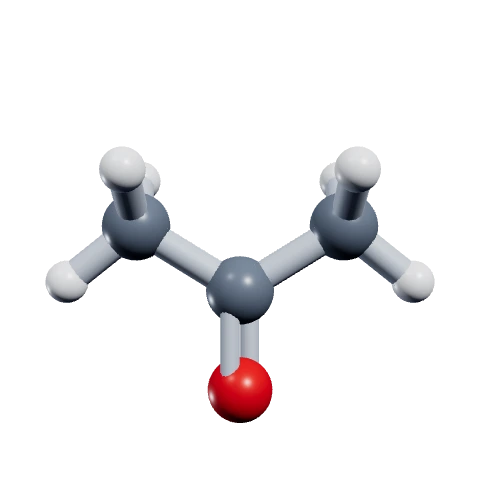
Acetone (propan-2-one, C₃H₆O) is far more than just a nail polish remover. It is the most widely used ketone solvent on earth, and its remarkable combination of powerful solvency, rapid evaporation, and water miscibility makes it indispensable across a stunning range of applications. Whether you are a nail technician, a homeowner tackling stubborn stains, or an industrial professional performing precision surface preparation, understanding how to use acetone correctly for your specific purpose is the key to getting excellent results safely. This comprehensive guide focuses on practical, hands-on use cases with actionable instructions for every skill level. For a deeper dive into acetone's chemistry and molecular properties, see our companion article on acetone uses and safety fundamentals.
Buying or specifying acetone?
Use the canonical commercial route: Acetone Technical Grade product for grade, packaging, SDS/COA, and ordering context.
Pure acetone — technical or lab grade
Same molecule the article describes. Big-box "acetone" is fine for nails; serious cleaning and lab work want the technical or ACS grade.
Ships from Taylor, TX · Need the COA? Just ask, no charge.
Understanding Acetone Grades: Matching Purity to Purpose
Not all acetone is created equal. The grade you select directly impacts both performance and safety. Using the wrong grade can mean wasted effort, damaged surfaces, or compromised results. Before diving into specific applications, understanding how chemical grades work will help you make the right purchasing decision every time.
| Grade | Purity | Best For | Typical Use Cases | Price Tier |
|---|---|---|---|---|
| ACS Reagent Grade | ≥99.5% | Lab & Pharma | Analytical chemistry, HPLC sample prep, pharmaceutical synthesis, electronic component cleaning | Premium |
| Technical Grade | ≥99.0% | Industrial & Pro Salon | Heavy degreasing, fiberglass cleanup, professional nail care, paint stripping, resin work | Mid-Range |
| Household / Beauty Grade | ≥98% | Consumer Use | Nail polish removal, light stain cleaning, small craft projects, adhesive removal | Economy |
| Non-Acetone Remover | 0% (ethyl acetate) | Sensitive Nails Only | Basic polish removal only; cannot dissolve gels or acrylics | Economy |
Many store-bought "acetone" products are diluted to 80-90% and contain water, fragrances, and moisturizing oils. While gentle on skin, these additives dramatically slow gel and acrylic dissolution, often doubling soak time. Professional nail technicians should always source 100% pure technical-grade acetone for efficient, predictable results. The cost difference is minimal, but the time savings and client satisfaction improvements are significant.
Nail Care Mastery: Professional Acetone Techniques
Acetone is the gold standard in professional nail care because no other solvent can match its speed and effectiveness at dissolving gel polish, acrylic enhancements, and dip powder systems. The key to protecting natural nails lies not in avoiding acetone but in mastering the correct technique. Below are step-by-step protocols used by licensed nail professionals. For more on protective equipment for chemical work, see our guide on PPE and chemical safety essentials.
Gel Polish Removal (Soak-Off Method)
You will need: 100% pure acetone, cotton pads, aluminum foil (or clip caps), a cuticle pusher or orangewood stick, nail file (180 grit), cuticle oil.
- Buff the top coat: Use a 180-grit file to gently break through the gel's shiny top coat. This step is critical—it allows acetone to penetrate the polymer matrix. Do not file aggressively; just remove the shine.
- Saturate cotton pads: Soak small cotton pads in pure acetone. They should be wet but not dripping.
- Wrap each nail: Place a saturated pad on each nail, then wrap tightly with a small square of aluminum foil. The foil traps heat and prevents evaporation, speeding dissolution by up to 40%.
- Wait 10-15 minutes: Keep hands still. Gel should lift and wrinkle. Hard gels may need 15-20 minutes.
- Gently push off: Remove foil one finger at a time. Use an orangewood stick to gently push the softened gel off the nail. If it resists, re-wrap for 3-5 more minutes rather than scraping.
- Hydrate immediately: Acetone is a powerful dehydrator. Apply cuticle oil generously and follow with a rich hand cream. This step is non-negotiable for maintaining nail health.
Acrylic Nail Removal (Bowl Soak Method)
You will need: 100% pure acetone, a glass or ceramic bowl (never plastic—acetone dissolves many plastics), nail clippers, a coarse file (100 grit), orangewood stick, cuticle oil.
- Trim length: Clip acrylic nails as short as comfortable to reduce material volume and soak time.
- File the surface: Use a coarse file to remove the top layer and thin the acrylic. More surface area exposed means faster dissolution.
- Warm soak: Pour enough acetone into a glass bowl to submerge fingertips. For faster results, place the glass bowl inside a larger bowl of warm (not hot) water. Never microwave or directly heat acetone—it is extremely flammable.
- Soak 20-30 minutes: Submerge nails. Acrylic will become soft and gel-like. Periodically use an orangewood stick to gently scrape loosened material.
- Clean and hydrate: Wash hands thoroughly, then apply cuticle oil and moisturizer.
Nail Plate Preparation (Pre-Application Dehydration)
Before applying gel polish, acrylics, or dip powder, wiping each nail with an acetone-soaked lint-free pad removes oils, moisture, and residue from the nail plate. This dehydration step is the single biggest factor in how long your enhancement lasts. Skipping it is the number one cause of premature lifting. Use a lint-free pad (not cotton balls, which leave fibers) for a clean, oil-free surface ready for primer and product.
Home users removing standard nail polish can use drugstore acetone or even non-acetone remover with minimal concern. However, professional salon work with gel systems, acrylics, and dip powders absolutely requires 100% pure acetone. The difference in dissolution speed, consistency of results, and client comfort is dramatic. Alliance Chemical's Technical Grade Acetone is the preferred choice of professional nail salons nationwide.
Home Cleaning with Acetone: DIY Formulations & Techniques
Acetone's ability to dissolve adhesives, paints, inks, and organic residues makes it an extraordinarily powerful cleaning agent for household use. However, its aggressive solvency means you must know what surfaces it is safe for and where it will cause damage. When used correctly and in a safety-conscious manner, acetone tackles cleaning challenges that other household products simply cannot.
| Stain / Residue Type | Surface | Effectiveness | Technique | Caution Level |
|---|---|---|---|---|
| Super glue (cyanoacrylate) | Glass, metal, ceramic | Excellent | Soak cotton pad, hold on glue 5 min, wipe | Low |
| Permanent marker (Sharpie) | Glass, metal, whiteboards | Excellent | Dab with acetone-soaked cloth, wipe immediately | Low |
| Paint overspray / drips | Glass, tile, metal hardware | Excellent | Apply, wait 2-3 min, scrape with plastic razor | Low |
| Sticker / label residue | Glass, metal, ceramic | Excellent | Saturate, wait 1-2 min, rub off with cloth | Low |
| Nail polish spills | Tile, glass, countertops | Excellent | Blot (don't spread), apply acetone, wipe | Medium |
| Grease / cooking oil | Range hoods, metal surfaces | Good | Apply with cloth, wipe in circular motion | Low |
| Scuff marks | Linoleum, tile floors | Good | Small amount on cloth, buff gently | Medium |
| Ink stains | Fabric (test first!) | Moderate | Blot from back, acetone on cloth, dab gently | High |
| Anything on plastic | Most plastics | AVOID | Acetone dissolves many plastics; use isopropyl alcohol instead | Danger |
DIY Acetone Cleaning Recipes
For: Removing sticker residue, tape adhesive, label gunk from glass and metal.
- Apply a small amount of acetone to a folded paper towel or lint-free cloth.
- Press the saturated cloth against the adhesive residue for 30-60 seconds.
- Rub in a circular motion. The adhesive will dissolve and ball up.
- Wipe clean with a dry cloth. For stubborn residue, repeat or allow longer contact time.
- Finish by wiping the area with a damp cloth to remove any remaining solvent traces.
For: Dried latex or enamel paint on glass windows, tile, door hardware. For larger paint projects, also consider mineral spirits vs. paint thinner options.
- Dampen a cotton pad or cloth with acetone.
- Hold against the paint spot for 2-3 minutes to soften.
- Use a plastic scraper or old credit card to lift the softened paint. Avoid metal blades on glass to prevent scratching.
- Wipe the area clean with fresh acetone, then follow with glass cleaner for a streak-free finish.
For: Yellowed sinks, stained bathtub rings, discolored grout on ceramic tile.
- Ensure the area is well ventilated. Open windows or turn on the bathroom exhaust fan.
- Apply acetone to a cloth and wipe the stained porcelain or ceramic surface.
- For tough stains, soak a paper towel in acetone and lay it over the stain for 5 minutes.
- Scrub with a non-abrasive sponge, then rinse thoroughly with water.
- Do NOT use on acrylic tubs, fiberglass showers, or cultured marble—acetone will damage these surfaces. Use isopropyl alcohol for those materials instead.
Always test first. Before using acetone on any surface, test a tiny hidden spot. Acetone will damage lacquered wood, varnished furniture, laminate countertops, most plastics, and synthetic fabrics. Use in well-ventilated areas only. Keep away from all heat sources and open flames—acetone vapor is heavier than air and can travel to ignition sources. Store in a properly rated container away from living spaces.
Industrial Cleaning Protocols: Professional-Grade Applications
In manufacturing, aerospace, automotive, and composites industries, acetone plays a mission-critical role in surface preparation and equipment cleaning. Industrial use demands both the right grade and strict adherence to protocol. The stakes are higher: improper cleaning can cause coating failures, bonding defects, and costly rework. For context on how acetone compares to other industrial solvents, see our industrial solvents guide.
Metal Surface Preparation (Pre-Coat / Pre-Bond Wipe)
Application: Final degreasing before painting, powder coating, adhesive bonding, or welding on steel, aluminum, and stainless steel. This protocol meets ASTM D2651 and most aerospace primer adhesion specifications.
- PPE check: Don butyl rubber or laminated film gloves (a saturated wiping cloth holds acetone against the glove, and disposable nitrile is splash protection only), splash-proof goggles, and a solvent-rated apron. Work in a well-ventilated area or use a chemical-rated respirator.
- Two-cloth method: Use two clean, lint-free white cloths. Saturate the first with Technical Grade Acetone. Wipe the surface in one direction only.
- Dry wipe immediately: Before the acetone evaporates, wipe with the second dry cloth in the same direction. This captures dissolved contaminants rather than redepositing them.
- Rotate cloth sections: Fold and turn cloths frequently. Never reuse a contaminated section, as this spreads contamination.
- Break test: Spray a fine mist of water on the cleaned surface. If it sheets evenly, the surface is clean. If it beads, re-clean.
- Apply coating within 1 hour: Cleaned surfaces re-contaminate from airborne particles and skin oils. Minimize the time between cleaning and coating.
Fiberglass & Epoxy Resin Cleanup
Acetone is the standard solvent for cleaning uncured polyester and epoxy resin from tools, rollers, brushes, and mixing containers. The critical rule is timing: clean tools while the resin is still wet. Once resin cures (cross-links), acetone cannot dissolve it effectively, and the tool is often lost. For fiberglass work, keep a dedicated acetone rinse can at your workstation. After each layup, immediately submerge rollers and brushes. Agitate to dissolve resin, then wipe dry. This practice extends tool life dramatically and saves significant cost over time. Acetone also excels at cleaning up automotive coating equipment between color changes.
3D Printing: ABS Vapor Smoothing
For 3D printing enthusiasts working with ABS filament, acetone vapor smoothing transforms rough, layer-lined prints into smooth, glossy parts that look injection-molded. The process involves placing your ABS print inside a sealed container with a small amount of acetone on a paper towel. The vapor gently melts the outer surface, filling in layer lines. Monitor closely—overexposure causes detail loss and structural weakening. Typical smoothing time is 15-45 minutes depending on part size and ambient temperature. This technique does not work on PLA, PETG, or nylon—only ABS and ASA.
Laboratory Glassware Rinsing
In research labs, an acetone rinse is the final step in glassware cleaning. After washing with detergent and water, rinsing with ACS Grade Acetone displaces water and dissolves any remaining organic residues. Because acetone evaporates in seconds, glassware is left spotless and bone-dry almost immediately, eliminating the need for oven drying. This saves time and ensures no water residues interfere with sensitive experiments. For more on proper lab chemical management, see our chemical storage guide.
Acetone vs. Alternative Solvents: Choosing the Right Tool
Acetone is powerful, but it is not always the best choice. Understanding when to reach for acetone versus an alternative solvent prevents damage, saves money, and ensures the best outcome. Here is how acetone stacks up against common alternatives across different cleaning scenarios. Many of these solvents are covered in depth in our industrial solvents guide.
| Scenario | Acetone | IPA (Isopropyl Alcohol) | MEK | D-Limonene | Best Choice |
|---|---|---|---|---|---|
| Gel nail removal | Ideal | Ineffective | Too harsh | Too slow | Acetone |
| Electronics cleaning | Risky (dissolves plastic) | Ideal (99%) | Too aggressive | Leaves residue | IPA 99% |
| Metal degreasing | Excellent | Moderate | Excellent | Good (slow dry) | Acetone or MEK |
| Paint stripping (large area) | Evaporates fast | Ineffective | Better dwell time | Eco-friendly option | MEK |
| Super glue removal | Fast, effective | Very slow | Effective | Slow | Acetone |
| Eco-sensitive degreasing | VOC concerns | VOC concerns | High VOC | Bio-based, low toxicity | D-Limonene |
| Plastic-safe cleaning | Destroys many plastics | Safe on most plastics | Attacks many plastics | Some plastics | IPA |
Acetone should be avoided on: painted surfaces you want to keep, lacquered or varnished wood, laminate countertops, acrylic (plexiglass), polycarbonate, ABS plastic (unless intentionally smoothing), synthetic fabrics (polyester, rayon, acetate), rubber seals and gaskets, and any surface where you are unsure of the material composition. When in doubt, isopropyl alcohol is a safer first choice for cleaning.
Safety Guide: Consumer vs. Professional Use Scenarios
Acetone safety requirements vary dramatically depending on the quantity used, the environment, and the application. A nail technician removing gel polish needs different precautions than a factory worker degreasing aircraft parts. This section breaks down safety requirements by real-world scenario so you can protect yourself appropriately without over-engineering or under-preparing. For an in-depth treatment of chemical safety principles, read our comprehensive chemical safety guide.
| Scenario | Volume Used | Ventilation | Gloves | Eye Protection | Respirator | Fire Precautions |
|---|---|---|---|---|---|---|
| Removing nail polish at home | <30 mL | Open window | Optional | Optional | Not needed | No open flame nearby |
| Salon gel/acrylic work | 100-500 mL/day | Ventilation system required | Nitrile for splashes only, changed as soon as wetted; butyl or laminated film for soak-off and wrap removal | Recommended | If ventilation is poor | No flame, fire extinguisher on site |
| Home cleaning (spot use) | <100 mL | Open windows, fan | Nitrile gloves, changed as soon as splashed | If splashing | Not needed | No pilot lights, no smoking |
| DIY craft / 3D print smoothing | 50-200 mL | Well-ventilated room | Nitrile gloves, changed as soon as splashed | Safety glasses | Recommended | No ignition sources, sealed container |
| Industrial degreasing | 1-20 L/day | Engineered exhaust / fume hood | Butyl rubber gloves | Splash goggles | OV cartridge respirator | EX-rated equipment, grounding, fire watch |
| Lab / pharmaceutical work | Variable | Fume hood mandatory | Butyl or laminated film for handling; nitrile for incidental splashes only, changed immediately | Splash goggles | Fume hood sufficient | No flames, grounded containers, spill kit |
Flash point: -20°C (-4°F). Acetone is classified as a Class IB flammable liquid. Its vapors are heavier than air and can travel along floors and surfaces to reach distant ignition sources. Even static electricity from pouring can ignite vapors in enclosed spaces. Always ground metal containers when transferring. Never use near gas stoves, pilot lights, space heaters, or while smoking. Keep a dry chemical or CO₂ fire extinguisher accessible. Acetone-soaked rags can spontaneously combust if balled up—always lay flat to dry or place in a sealed, fire-rated waste container. For complete disposal guidelines, refer to our article on how to dispose of chemicals safely.
Skin, Eye, and Inhalation First Aid
Skin contact: Acetone is a powerful defatting agent. Brief exposure causes dryness and irritation. Prolonged or repeated contact can cause dermatitis. Wash affected skin with soap and water, then apply moisturizer. Eye contact: Flush immediately with clean water for 15-20 minutes. Remove contact lenses if present. Seek medical attention if irritation persists. Inhalation: Move to fresh air immediately. At concentrations above 500 ppm, acetone vapor causes dizziness, headache, and nausea. The OSHA permissible exposure limit (PEL) is 1,000 ppm (8-hour TWA), but discomfort begins well below this level. If symptoms persist, seek medical attention.
Proper Disposal: Regulations & Best Practices
Acetone is a regulated hazardous waste under EPA guidelines. Improper disposal—pouring down the drain, putting in regular trash, or dumping outdoors—is both illegal and environmentally harmful. How you dispose of acetone depends on the quantity and whether it is contaminated. For a complete walkthrough, see our dedicated guide on safe chemical disposal methods.
Small Quantities (Home / Salon)
- Used cotton pads and rags: Allow to fully dry in a ventilated area (acetone evaporates completely), then dispose in regular trash once all solvent has evaporated.
- Unused acetone (small amounts): Allow to evaporate in a well-ventilated outdoor area away from ignition sources, or take to a household hazardous waste collection event.
- Never pour down the drain—even small amounts can damage plumbing seals and contaminate water treatment systems.
Large Quantities (Industrial / Lab)
- Collect in approved containers: Use fire-rated, properly labeled waste solvent drums. Do not mix acetone with other chemical wastes unless compatibility is confirmed.
- Solvent recycling: Many facilities recover and redistill used acetone on-site using solvent recovery systems. This is both cost-effective and environmentally responsible—a principle aligned with green chemistry practices.
- Licensed waste hauler: Contract with a licensed hazardous waste disposal company for pickup and proper handling. Maintain all manifests and disposal records as required by RCRA regulations.
Acetone Storage Best Practices
Proper storage extends shelf life, prevents accidents, and ensures regulatory compliance. Acetone should be stored in original containers or approved solvent-rated containers made of metal, HDPE, or glass (small quantities only). Keep containers tightly sealed when not in use to minimize vapor accumulation and prevent moisture absorption. Store in a cool, well-ventilated area away from direct sunlight, heat sources, and incompatible materials (strong oxidizers, acids). Acetone is compatible with most metals but will attack some plastics, rubber, and coatings. For a comprehensive treatment of solvent storage, our chemical storage guide covers flammable liquid cabinets, secondary containment, and regulatory requirements in detail.
Pure acetone in a sealed container has an essentially indefinite shelf life. It does not degrade, polymerize, or go "bad" over time. However, it is hygroscopic and will absorb moisture from the air if the container is repeatedly opened. For critical applications (lab work, precision cleaning), use acetone from freshly opened containers or verify purity with a simple water content test. For industrial bulk storage, consider Alliance Chemical's bulk technical grade options with Certificate of Analysis documentation.
How do I choose the right acetone for my application?
From salon-grade purity for nail care professionals to technical-grade performance for industrial degreasing, Alliance Chemical supplies domestically sourced acetone in every grade and size, with free technical support and a satisfaction guarantee. Need the Certificate of Analysis? Just ask — we send it at no charge.
Shop Acetone Products Talk to a Chemical ExpertBuying this chemical? See our Acetone Supplier Comparison for supplier comparisons, grade selection, and pricing guidance.
Acetone is fully water-miscible, which makes it the wrong tool for many oil, wax, and lipid extractions where any trace moisture ruins the product. For those workflows, a non-polar hydrocarbon solvent like petroleum ether is the standard choice in analytical and pharmaceutical laboratories.
Related: n-Propyl Alcohol vs Isopropyl: The 1-Propanol Guide to Uses, Grades & Pharma Applications — Another solvent in the same procurement family — n-propyl alcohol vs isopropyl chemistry compared.
References & Authoritative Sources
Chemical identity, properties, and safety data sourced from the U.S. National Library of Medicine's PubChem database — the authoritative open-chemistry data resource maintained by the National Institutes of Health.
- PubChem CID 180: Acetone Technical Grade — National Center for Biotechnology Information, U.S. National Library of Medicine. CAS 67-64-1.
- PubChem CID 6569: Methyl Ethyl Ketone (MEK) — National Center for Biotechnology Information, U.S. National Library of Medicine. CAS 78-93-3.
- PubChem CID 440917: D-Limonene 94% - Food Grade — National Center for Biotechnology Information, U.S. National Library of Medicine. CAS 5989-27-5.
Related: Acetone in Carbon Fiber & Composite Manufacturing — from nail care to industrial composite prep.
Shop acetone — Technical & ACS grade
Quart bottles to 275/330-gallon totes, and the CoA free on request. Not sure which grade? Tell us the application and we’ll spec it.


Key numbers and sources
| Fact | Value | Source |
|---|---|---|
| Chemical formula | C₃H₆O | See article text |
| Boiling point | 56°C | See article text |
| Flash point | -20°C | See article text |
| Water miscibility | 100% miscible with water | See article text |
| Annual production volume | 8 million tons annually | See article text |
| Technical Grade acetone purity | ≥99.0% | See article text |
| ACS Reagent Grade acetone purity | ≥99.5% | See article text |
Frequently asked questions
What is acetone used for in industry?
Acetone is one of the most versatile industrial solvents. Key applications include: surface preparation and degreasing before painting or coating, dissolution of resins and polymers in manufacturing, pharmaceutical synthesis as a reaction solvent, fiberglass and composite production, electronics cleaning, nail polish removal in cosmetics, and laboratory use as an analytical solvent.
Is acetone safe for cleaning electronics?
Acetone is effective for cleaning electronics but must be used carefully. It evaporates quickly leaving no residue, which is ideal for circuit boards and connectors. However, it can dissolve certain plastics, coatings, and adhesives. Always test on a small area first. Use in a well-ventilated area and ensure all power is disconnected. Isopropyl alcohol is often a safer alternative for general electronics cleaning.
What is the difference between acetone grades?
Technical grade acetone is suitable for general cleaning, degreasing, and industrial use. ACS Reagent grade meets American Chemical Society purity standards for laboratory analysis. USP/NF grade meets pharmaceutical standards for cosmetic and medical applications like nail polish removal. Higher grades have lower levels of water, non-volatile residue, and trace metals.
How should acetone be stored safely?
Acetone is extremely flammable with a flash point of -4°F (-20°C). Store in approved flammable liquids cabinets, away from all heat sources and ignition points. Keep containers tightly sealed to prevent evaporation and vapor buildup. Acetone vapors are heavier than air and can travel to distant ignition sources. Use grounded, bonded containers for transfer to prevent static discharge.
Related Chemical Collections
About the author
Andre Taki
This article is for informational purposes only.


