



Why Histology Labs Depend on Xylene
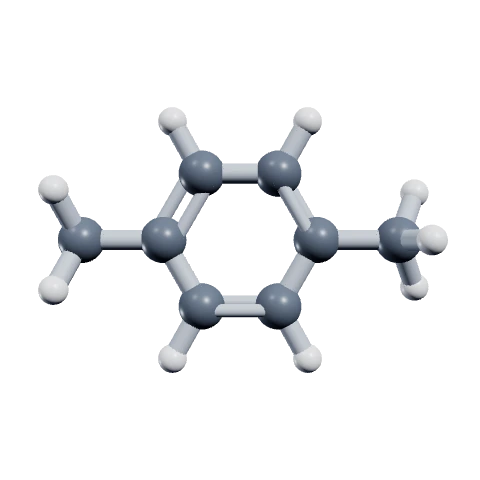
Xylene (dimethylbenzene, C8H10) is the clearing agent used most commonly in histopathology laboratories worldwide. It plays three distinct roles in the tissue processing pipeline: clearing tissue specimens after dehydration, deparaffinizing sections before staining, and serving as the final mounting medium solvent during coverslipping.
No single alternative matches xylene across all three functions at the same cost and performance level. That's why, despite decades of substitute development, xylene remains the solvent pathology labs reach for every day.
Xylene's Three Critical Roles in Tissue Processing
1. Clearing (Post-Dehydration)
After tissue specimens are fixed (typically in formalin) and dehydrated through a graded alcohol series, they must be cleared — all residual alcohol must be removed so that paraffin wax can fully infiltrate the tissue. Xylene is miscible with both ethanol and paraffin wax, making it the ideal intermediary. It displaces alcohol rapidly and renders tissue transparent, confirming complete penetration.
2. Deparaffinization (Before Staining)
Once paraffin-embedded tissue is sectioned on a microtome and mounted on slides, the wax must be removed before staining. Xylene dissolves paraffin wax completely in 2–5 minutes per bath, far faster than most alternatives. Incomplete deparaffinization leaves wax residue that blocks dye penetration and produces uneven staining — a diagnostic liability.
3. Coverslipping (Mounting Medium Solvent)
The final step in slide preparation is applying a coverslip with a mounting medium (typically a synthetic resin dissolved in xylene). The xylene evaporates as the medium dries, bonding the coverslip to the slide with an optically clear, permanent seal. This step demands a solvent that evaporates cleanly without leaving residue or haze.

Standard Tissue Processing Protocol: Where Xylene Fits
| Step | Reagent | Purpose | Duration |
|---|---|---|---|
| 1. Fixation | 10% Neutral Buffered Formalin | Preserve tissue structure | 6–24 hours |
| 2. Dehydration | Graded Ethanol (70% → 100%) | Remove water | 1 hr per grade |
| 3. Clearing | Xylene (2–3 baths) | Remove alcohol, make tissue transparent | 30–60 min per bath |
| 4. Infiltration | Molten Paraffin Wax | Infiltrate tissue with embedding medium | 1–2 hours |
| 5. Embedding | Paraffin Wax | Create block for sectioning | Until solidified |
| 6. Sectioning | Microtome | Cut 3–5 μm sections | Per slide |
| 7. Deparaffinization | Xylene (2 baths) | Remove wax before staining | 2–5 min per bath |
| 8. Staining | H&E or special stains | Visualize tissue components | Varies |
| 9. Coverslipping | Xylene-based mounting medium | Permanent seal, optical clarity | Dry overnight |
Xylene appears in three of the nine major steps — clearing, deparaffinization, and coverslipping — making it the most-used single solvent in the entire workflow.
Choosing the Right Xylene Grade for Your Lab
Not all xylene is equal. The grade you select directly affects staining quality, tissue morphology, and reproducibility of results.
| Grade | Purity | Best For | Key Specs |
|---|---|---|---|
| ACS Reagent | ≥98.5% | Diagnostic histology, IHC, research | Meets American Chemical Society standards; low residue on evaporation |
| Histological Grade | ≥99% | Clearing and coverslipping | Specifically tested for tissue processing; minimal fluorescence |
| Technical Grade | ~95% | Equipment cleaning, degreasing | Lower cost; higher ethylbenzene content; not ideal for diagnostic slides |
| HPLC Grade | ≥99.5% | Chromatography mobile phase | Ultra-low UV-absorbing impurities |
Understanding Xylene Isomers: What's in the Bottle
Commercial "xylene" is actually a mixture of three isomers plus ethylbenzene. The ratio matters for lab performance:
| Component | Typical % | Boiling Point | Role |
|---|---|---|---|
| meta-Xylene | 40–65% | 139 °C | Primary clearing component |
| para-Xylene | ~20% | 138 °C | Similar clearing properties |
| ortho-Xylene | ~20% | 144 °C | Slightly slower evaporation |
| Ethylbenzene | 6–20% | 136 °C | Impurity; higher in technical grades |
For histology, the isomer ratio is less critical than overall purity and residue-on-evaporation. All three isomers perform comparably as clearing agents. What matters is keeping ethylbenzene low — it evaporates at a slightly different rate and can leave residue that affects optical clarity.

Xylene vs. Substitutes: An Honest Comparison
Labs concerned about xylene exposure often evaluate alternatives. Here is how the most common substitutes actually stack up:
| Clearing Agent | Clearing Speed | Tissue Quality | Cost vs. Xylene | Safety Profile |
|---|---|---|---|---|
| Xylene | Fast (benchmark) | Excellent | 1x (baseline) | Moderate hazard (CNS depressant, VOC) |
| d-Limonene (citrus-based) | Slower | Good | 2–3x | Lower inhalation risk; skin sensitizer |
| Isopropanol + Mineral Oil | Comparable | Good | 0.5–1x | Lowest hazard |
| Naphthenic Solvents | Comparable or faster | Excellent | 1.5–2x | Lower volatility than xylene |
| Toluene | Fast | Excellent | ~1x | Similar to xylene (no safety advantage) |
| Natural Oils (coconut, groundnut) | Slow | Variable | 0.5x | Low hazard; limited consistency |
Xylene Safety in the Histology Lab
Xylene is a real hazard, and labs that use it daily need real controls. Here are the essential safety measures:
- Engineering Controls: Process tissue in a ducted fume hood or enclosed automated processor. OSHA's Permissible Exposure Limit (PEL) is 100 ppm (8-hour TWA). Well-ventilated labs typically stay below 25 ppm.
- PPE: Viton or laminated film gloves for extended xylene work, chemical splash goggles, and a lab coat. Disposable nitrile is splash protection only — change it as soon as xylene touches it — and butyl is a poor choice for xylene. Check the glove manufacturer's permeation chart for your exact glove.
- Waste Management: Collect spent xylene in designated waste containers. Many labs recycle xylene through distillation — one university reported recycling 1,000 gallons per year from their histology department alone.
- Spill Response: Evacuate area, ventilate, absorb with chemical spill pads. Do not wash xylene down the drain. Xylene floats on water and can spread contamination.
- Monitoring: Use passive badge-type air monitors for routine exposure assessment. Maintain an SDS on file and ensure all staff are Hazard Communication (HazCom) trained.
How Much Xylene Does a Lab Use?
Xylene consumption scales directly with specimen volume. Here are real-world benchmarks:
| Lab Size | Annual Case Volume | Est. Xylene Consumption | Typical Order Size |
|---|---|---|---|
| Small Clinic / Vet Lab | 500–2,000 cases | 50–100 gallons/year | 4 x 1-gallon bottles |
| Community Hospital | 5,000–15,000 cases | 200–500 gallons/year | 5-gallon pails or drums |
| Academic Medical Center | 30,000–80,000 cases | 500–1,500 gallons/year | 55-gallon drums |
| Reference / Commercial Lab | 100,000+ cases | 1,000–3,000+ gallons/year | Drum or tote delivery |
At these volumes, cost per gallon and delivery reliability matter. Switching from a pharmacy distributor to a direct chemical supplier like Alliance Chemical can reduce per-gallon costs by 20–40% while ensuring consistent ACS-grade quality and lot traceability.
Why Labs Source Xylene from Alliance Chemical
Alliance Chemical supplies xylene in Technical and ACS Reagent grades, with nationwide shipping and documentation built for regulated environments:
- ACS Reagent Grade — Meets American Chemical Society specifications for analytical and diagnostic use
- Certificate of Analysis (COA) — Lot-specific documentation for accreditation compliance, free on request
- Safety Data Sheets (SDS) — Current GHS-compliant SDS in our document library, or ask us for it
- Flexible Sizing — From quart bottles to 55-gallon drums and totes for high-volume labs
- Consistent Supply — No surprise backorders or substitutions that disrupt your processing schedule
Need Xylene for Your Lab?
ACS Reagent and Technical grade xylene, shipped nationwide with SDS documentation. Need the COA? Just ask — we send it at no charge. Contact us for volume pricing.
Browse Xylene Products Email Sales TeamReferences & Authoritative Sources
Chemical identity, properties, and safety data sourced from the U.S. National Library of Medicine's PubChem database — the authoritative open-chemistry data resource maintained by the National Institutes of Health.
- PubChem CID 440917: D-Limonene 94% - Food Grade — National Center for Biotechnology Information, U.S. National Library of Medicine. CAS 5989-27-5.
- PubChem CID 1140: Toluene — National Center for Biotechnology Information, U.S. National Library of Medicine. CAS 108-88-3.
- Toluene — thermophysical data — NIST Chemistry WebBook, SRD 69, National Institute of Standards and Technology. Accessed 2026-09-04.
- (+)-Limonene — thermophysical data — NIST Chemistry WebBook, SRD 69, National Institute of Standards and Technology. Accessed 2026-09-04.
Related from Alliance Chemical
Toluene 99.5%: The Complete Guide to Race-Gas Octane, Nitrocellulose Lacquer & Synthesis Solvent
The aromatic hydrocarbon at the intersection of race-fuel octane chemistry, nitrocellulose lacquer formulation, and organic-synthesis Grignard work.
Related: MEK vs. Acetone: Which Solvent Do You Actually Need? — how these ketone solvents compare with aromatic solvents like xylene.
Related: Tert-Butyl Acetate (TBAc): The VOC-Exempt Solvent Guide — a counted VOC that TBAc frequently replaces.
Key numbers and sources
| Fact | Value | Source |
|---|---|---|
| Chemical formula of xylene | C8H10 | See article text |
| Xylene refractive index | 1.494 | See article text |
| OSHA permissible exposure limit (PEL) for xylene (8-hour TWA) | 100 ppm | See article text |
| Xylene is miscible with ethanol and paraffin wax | miscible with both ethanol and paraffin wax | See article text |
| Boiling point of meta-xylene | 139 °C | See article text |
| Boiling point of para-xylene | 138 °C | See article text |
| Boiling point of ortho-xylene | 144 °C | See article text |
Frequently asked questions
What is xylene used for in histology?
Xylene serves three critical roles in histology: clearing tissue specimens after dehydration to allow paraffin infiltration, deparaffinizing tissue sections before staining, and as the solvent in mounting media during coverslipping. It is the most widely used clearing agent in pathology labs worldwide.
What grade of xylene should I use for diagnostic histology?
Use ACS Reagent grade or Histological grade xylene for diagnostic histopathology and immunohistochemistry (IHC). Technical grade xylene has higher ethylbenzene content and impurities that can produce background artifacts on diagnostic slides. Reserve technical grade for instrument cleaning and recycling baths.
Is d-limonene a good substitute for xylene in histology?
D-limonene (citrus-based solvent) works as a clearing agent but has limitations: it clears tissue more slowly than xylene, costs 2-3x more, and can cause skin sensitization in some lab workers. A 2026 review in the Journal of Applied Toxicology found d-limonene-based substitutes less effective and more expensive than xylene for routine tissue processing.
What is the OSHA exposure limit for xylene?
OSHA's Permissible Exposure Limit (PEL) for xylene is 100 ppm as an 8-hour time-weighted average (TWA). The ACGIH TLV is also 100 ppm TWA with a 150 ppm short-term exposure limit (STEL). Well-ventilated histology labs with ducted fume hoods typically maintain levels below 25 ppm.
How much xylene does a typical histology lab use per year?
Xylene consumption depends on case volume. A small clinic processes 50-100 gallons per year, a community hospital uses 200-500 gallons, and large academic medical centers or reference labs may consume 1,000-3,000+ gallons annually. Many labs reduce costs by recycling spent xylene through distillation.
Related Chemical Collections
About the author
Andre Taki
This article is for informational purposes only.


