

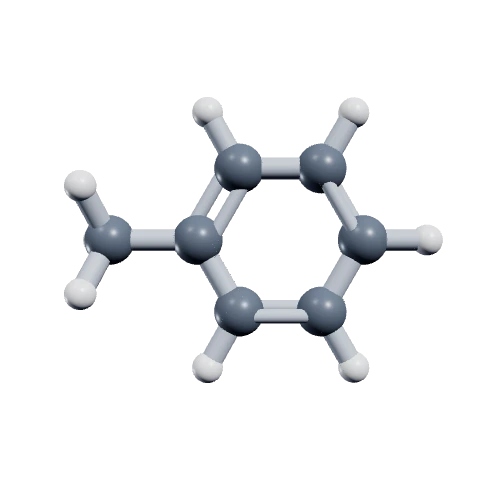


Unlock professional-grade paint finishes by understanding the power, applications, and critical safety precautions of Toluene. Alliance Chemical illuminates the path to perfect paint consistency.
Can you use toluene as a paint thinner?
Yes, for solvent-borne coatings. Toluene thins oil-based and alkyd enamels, many lacquers, solvent-based varnishes and rubber-based paints, and it evaporates faster and dissolves more than mineral spirits. It does not work with latex or other water-based paint, and it should not be added to a mixed two-part epoxy or urethane unless the manufacturer's data sheet lists it.
Every painter, whether a seasoned professional or a dedicated DIY enthusiast, knows the frustration of paint that's too thick to apply smoothly, resulting in brush marks, uneven coverage, or a finish that simply falls short of expectations. The critical role of the right paint thinner is to bridge the gap between a challenging can of paint and a beautiful, professional finish. While many all-purpose thinners exist, for certain demanding applications and specific paint chemistries, a more powerful solvent is required. Enter Toluene, an aromatic hydrocarbon renowned for its potent solvency and ability to achieve optimal viscosity in a range of coatings.
This isn't just about making paint runnier; it's about achieving superior flow, leveling, and ultimately, a more durable and aesthetically pleasing finish. At Alliance Chemical, we understand that professionals and serious hobbyists demand performance and reliability from their chemical tools. This ultimate guide will delve deep into the world of Toluene, exploring its chemical nature, its ideal applications as a paint thinner for oil-based paints, alkyds, lacquers, and specialty coatings, effective techniques for use, its role in cleanup, and the absolutely critical safety precautions necessary when handling this powerful solvent. Prepare to elevate your painting projects from good to exceptional.
Your Definitive Toluene Resource
This guide is designed for painters, finishers, restorers, and industrial users who need to understand the specific benefits and safe handling of Toluene for achieving professional-quality results with solvent-based coatings.
Chapter 1: Understanding Toluene - The Aromatic Solvent Powerhouse
To effectively master toluene as a paint thinner, it's essential to first understand what it is and why its specific chemical properties make it so effective—and why it requires careful handling. Toluene is not just any solvent; it belongs to a class of organic compounds known as aromatic hydrocarbons, which are characterized by their unique ring-like structures and distinct solvency characteristics.
Chemical Profile: What Exactly is Toluene?
Toluene, also known by its systematic name methylbenzene (NIOSH also lists methyl benzol, phenyl methane and toluol, the older name still printed on many cans), has the chemical formula C₇H₈ or, more descriptively, C₆H₅CH₃. This formula reveals its structure: a benzene ring (C₆H₆) where one hydrogen atom has been replaced by a methyl group (-CH₃).

Key physical and chemical properties of toluene include:
- Appearance: A clear, colorless liquid.
- Odor: It has a characteristic sweet, pungent, aromatic odor, often associated with paint thinners or airplane glue.
- Volatility: Toluene is highly volatile, meaning it evaporates relatively quickly at room temperature.
- Flammability: It is a HIGHLY FLAMMABLE liquid, with a flash point of approximately 4°C (40°F). This is a critical safety consideration.
- Solvency: Toluene is an excellent solvent for a wide array of nonpolar substances. Its aromatic structure allows it to effectively dissolve many resins, oils, fats, rubber, and numerous polymers that other less aggressive solvents (like mineral spirits) may struggle with.
- Miscibility: It is miscible with most common organic solvents but has very low solubility in water.
- Density: Slightly less dense than water (specific gravity ~0.87).
- Boiling point: 110.6 °C (231 °F). Its vapor is about 3.1 times heavier than air, so it pools low and spreads along floors.
- Water solubility: About 526 mg/L at 25 °C, which is why it floats on water as a separate layer and cannot thin latex paint.
The "Hot" Solvent: Toluene's Superior Solvency Power
In the world of solvents, toluene is often referred to as a "hot" or "strong" solvent. This doesn't refer to its temperature but rather to its aggressive dissolving action. Its ability to break down and liquefy a wide range of binders and resins is what makes it so effective for thinning certain types of stubborn, thick, or highly polymerized paints and coatings. This strong solvency power means it can often succeed where weaker thinners fail, but it also means it can potentially damage sensitive surfaces if not used correctly (more on this in the safety and application chapters).
Toluene vs. Other Common Paint Thinners: A Quick Comparison
Understanding how toluene stacks up against other common thinners helps clarify its specific role:
| Thinner | Solvency Power | Evaporation Rate | Primary Use |
|---|---|---|---|
| Toluene | Very High ("Hot") | Fast | Thinning oil/alkyd enamels, lacquers, specialty coatings, rubber-based paints. |
| Mineral Spirits | Medium | Slow | Thinning basic oil-based paints, varnishes; general cleanup. |
| Acetone | Very High | Very Fast | Cleanup, thinning some epoxies/lacquers, 3D print smoothing. |
| Xylene | Very High ("Hot") | Medium (slower than Toluene) | Similar to Toluene; for oil-based paints, enamels, and coatings where a slightly longer open time is desired. |
Grades of Toluene
For paint thinning and general solvent use, technical grade toluene is typically sufficient and cost-effective. This grade is suitable for applications where ultra-high purity (like ACS Reagent Grade, used in laboratories for analytical work) is not required. Alliance Chemical provides quality technical grade Toluene suitable for these demanding solvent applications. It's always good to check the paint manufacturer's recommendation, but technical grade is the standard for thinning purposes. You can find it within our Solvents and Hydrocarbons collections.
Understanding these fundamental properties of toluene is the first step in harnessing its power effectively and, most importantly, safely for your painting projects.
Is toluene the same as paint thinner or acetone?
No to both. "Paint thinner" is a product category, not a chemical: a can labeled paint thinner may be mineral spirits, a blend, or occasionally a single solvent, while toluene is one pure compound, C₇H₈. Acetone is a different chemical altogether: a ketone (C₃H₆O) that mixes with water, boils at 56 °C and flashes at 0 °F, where toluene is a water-insoluble aromatic hydrocarbon that boils at 110.6 °C.
ATSDR lists paints, paint thinners, lacquers and adhesives among the products made with toluene, so toluene can be an ingredient of a paint thinner or lacquer thinner. Read the Safety Data Sheet of any thinner to see what is actually in it; section 3 lists the components.
| Property | Toluene | Acetone |
|---|---|---|
| Formula | C₇H₈ (C₆H₅CH₃) | C₃H₆O ((CH₃)₂CO) |
| CAS number | 108-88-3 | 67-64-1 |
| Chemical class | Aromatic hydrocarbon | Ketone |
| Boiling point | 231 °F (110.6 °C) | 133 °F (56 °C) |
| Flash point | 40 °F (4 °C) | 0 °F (-18 °C) |
| Mixes with water? | No (about 0.05%, 526 mg/L at 25 °C) | Yes, miscible |
| OSHA PEL (8-h TWA) | 200 ppm | 1,000 ppm |
| NIOSH REL (TWA) | 100 ppm | 250 ppm |
| DOT shipping | UN1294, Class 3 | UN1090, Class 3 |
In the paint shop the difference shows up as working time and what each dissolves: acetone flashes off in seconds and suits cleanup and some lacquers and epoxies, while toluene stays wet longer and is the stronger choice for oil, alkyd and rubber-based coatings. Neither replaces the thinner a coating's data sheet specifies.
Chapter 2: When to Reach for Toluene - Paint Compatibility & Ideal Applications
Toluene is a powerful solvent, and its strength is precisely why it's chosen for specific paint thinning tasks. However, this same strength means it's not a universal thinner. Using toluene with an incompatible paint type can lead to disastrous results, such as a curdled mess, poor adhesion, or a ruined finish. The golden rule is always to check the paint manufacturer's technical data sheet (TDS) or can label for recommended thinners. This chapter will guide you on the types of paints and situations where Toluene is often the pro's choice.
Paint Types That Often Welcome Toluene:
Toluene's robust solvency makes it particularly suitable for paints and coatings that have strong, resilient binders or are highly viscous:
- Oil-Based Enamels and Alkyd Paints: Especially true for traditional, heavy-bodied enamels or industrial alkyd coatings designed for durability. Toluene can effectively reduce their viscosity for smoother application by brush, roller, or spray, and can help "re-wet" or partially dissolve the surface of a previous oil-based coat for better intercoat adhesion if recoating times are stretched.
- Lacquers (Certain Types): While dedicated "lacquer thinners" are complex blends, toluene is a primary solvent for many types of lacquers, including some nitrocellulose and acrylic lacquers. It helps dissolve the lacquer resins quickly. If a specific lacquer thinner is unavailable, or for specific adjustments, pure toluene might be used, but always test compatibility.
- Varnishes (Solvent-Based): Traditional oil-based varnishes, spar varnishes, and some polyurethane varnishes (solvent-based, not water-based) may specify or be compatible with toluene for thinning, especially to achieve a desired consistency for spraying or for wiping varnish applications.
- Specialty Coatings & Primers: Many heavy-duty industrial coatings, designed to withstand harsh environments, utilize strong resin systems that require a powerful solvent like toluene for thinning. This includes some marine paints and specific primers for metal or challenging surfaces.
- Rubber-Based Paints and Adhesives: Toluene is an excellent solvent for many types of natural and synthetic rubbers. This makes it effective for thinning rubber-based paints or for cleaning up rubber cement and other similar adhesives.

Situations Where Toluene's Strength is an Advantage:
- Thick or Aged Paint: If you have a can of compatible oil-based paint that has thickened considerably over time (but hasn't fully cured or skinned over), toluene can often rejuvenate it by re-dissolving the partially polymerized binders.
- Achieving Optimal Spray Viscosity: For professional spray applications (HVLP, conventional spray guns), reducing paint to the correct viscosity is critical for proper atomization, a smooth spray pattern, and minimizing orange peel or runs. Toluene allows for precise control over this reduction for compatible paints.
- Cleaning Heavily Soiled Equipment: When brushes or spray equipment are heavily caked with dried, compatible paint, toluene's strong solvency can be more effective than milder thinners for breakdown and cleanup.
Paints to AVOID Using Toluene With:
It's just as important to know when not to use toluene:
- Water-Based Paints (Latex, Acrylic Emulsions): Absolutely not! Toluene is immiscible with water and will cause latex paints to curdle, separate, and become unusable. Always use water for thinning and cleaning water-based paints.
- Most Two-Part Epoxies or Polyurethanes (after mixing): While toluene might be a component in the *unmixed* parts or used for cleanup *before* a two-part system cures, adding it after the components are mixed can interfere with the chemical curing reaction and compromise the coating's integrity. Always follow the manufacturer's specific thinner recommendations for these systems.
- Delicate Surfaces or Certain Plastics: Toluene can damage or dissolve many plastics, vinyl, styrofoam, and some finished or painted surfaces. Always test on an inconspicuous area if unsure about the substrate's compatibility.
The Golden Rule: Read the Label!
No guide can replace the specific instructions provided by the paint manufacturer. The paint can label or the product's Technical Data Sheet (TDS) is your primary reference for recommended thinners, thinning ratios, and compatibility. If toluene is not listed, or if a different specific thinner is mandated, follow those instructions precisely to ensure the best results and avoid costly mistakes.
By understanding which paint systems benefit from toluene's powerful solvency, you can confidently choose it for the right applications, leading to smoother, more professional, and durable finishes.
Chapter 3: The Art of Thinning - How to Use Toluene Effectively for Optimal Paint Consistency
Thinning paint with toluene isn't just about randomly pouring solvent into a can; it's a measured process that requires attention to detail to achieve the perfect consistency for your application method and desired finish. Over-thinning can be as detrimental as under-thinning. This chapter will walk you through the best practices for using toluene effectively, transforming your thick paint into a smoothly flowing medium.
Safety Gear On! Ventilation Ready!
Before you even open the can of toluene or paint, ensure you are wearing the appropriate Personal Protective Equipment (PPE): chemical-resistant gloves, safety goggles (preferably with a face shield), and a NIOSH-approved respirator with organic vapor cartridges. Crucially, ensure you are working in an extremely well-ventilated area, ideally outdoors or in a dedicated spray booth with active exhaust. Toluene fumes are hazardous.
The Goal: Why Thin Paint in the First Place?
Understanding the "why" helps with the "how." Painters thin paint to:
- Reduce Viscosity: This is the primary reason. Lowering the paint's thickness makes it easier to apply.
- Improve Flow and Leveling: Thinned paint flows out more smoothly, minimizing brush strokes or roller marks and creating a more uniform, professional-looking surface.
- Enable Spray Application: Most spray equipment requires paint to be at a specific, lower viscosity for proper atomization and a consistent spray pattern.
- Enhance Penetration (on some surfaces): Thinner paint can sometimes penetrate porous surfaces better, leading to improved adhesion for the first coat.
The Step-by-Step Guide to Thinning with Toluene:
- Consult the Paint Manufacturer's Instructions: This is always step one. Check the paint can label or the product's Technical Data Sheet (TDS) for specific recommendations regarding thinning. They may specify if toluene is a suitable thinner and the maximum recommended thinning ratio (e.g., "do not exceed 10% by volume").
- Start with a Test Batch (Highly Recommended): Don't thin your entire can of paint at once. Pour a manageable amount of paint into a separate, clean, metal or solvent-resistant mixing container.
- Measure Your Toluene Carefully: Precision matters. Use a measuring cup or graduated cylinder designed for solvents. Begin with no more than 5% toluene by volume. For a quart of paint (32 oz), 5% is about 1.6 oz of toluene. It's much easier to add more toluene if needed than to try and thicken over-thinned paint.
- Add Toluene Gradually and Mix Thoroughly: Pour the measured toluene slowly into the paint while stirring gently but thoroughly with a clean stir stick. Stir from the bottom up to ensure complete incorporation. Avoid vigorous shaking, which can introduce air bubbles.
-
Assess the Consistency:
- Drip Test (String Test): Dip your stir stick into the thinned paint and observe how the paint drips off. For brushing, you typically want a consistency where it flows smoothly but doesn't run off like water. For spraying, it will need to be thinner, often like heavy cream.
- Viscosity Cup (for Sprayers): For professional results, use a viscosity cup to measure the efflux time. The paint or spray gun manual will often specify the ideal viscosity range in seconds.
- Test Application: The best way to know if your paint is thinned correctly is to apply it to a test piece of the same material you intend to paint. Check for ease of application, flow-out of brush marks, and whether it sags or runs.
- Adjust if Necessary: If the paint is still too thick, add another very small increment of toluene (e.g., 1-2% more), mix thoroughly, and re-test. Repeat this process until you achieve the desired consistency. Document how much toluene you added in total so you can replicate it.

The Perils of Over-Thinning:
Adding too much toluene can lead to a host of problems:
- Reduced Hiding Power/Poor Coverage: The paint film will be too thin, requiring more coats.
- Runs and Sags: The paint will be too fluid and won't hold its place on vertical surfaces.
- Extended Drying and Curing Times: More solvent needs to evaporate.
- Compromised Film Integrity: The dried paint film may be weaker, less durable, and have poor adhesion.
- Altered Sheen: Can sometimes make a gloss paint appear duller.
By following these steps and paying close attention to your paint's behavior, you can master the art of thinning with toluene, ensuring your compatible paints apply beautifully and yield a professional, durable finish every time.
Chapter 4: Beyond Thinning - Toluene for Powerful Cleanup
Toluene's potent solvency doesn't just stop at thinning paint; it makes it an exceptionally effective solvent for cleanup tasks where milder thinners might struggle. A clean workspace and well-maintained tools are the hallmarks of a professional, and toluene can be a valuable part of that regimen when used appropriately and safely with compatible materials.
Cleaning Brushes, Rollers, and Spray Equipment
For tools used with toluene-soluble paints (oil-based enamels, alkyds, lacquers), a thorough cleaning is essential to preserve their life and ensure they're ready for the next job. Toluene excels at dissolving thick, resinous paint residues:
- Initial Removal: First, remove as much excess paint as possible from the tool by scraping it against the rim of the paint can or rolling it out on newspaper.
- Toluene Rinse/Soak: Pour a small amount of Toluene into a solvent-resistant container (metal is best). Work the brush or roller in the toluene, squeezing it against the sides to work the solvent into the bristles or nap. For spray guns, disassemble as recommended by the manufacturer and soak the nozzle, needle, and other metal parts.
- Agitate and Repeat: You may need to use a second, cleaner bath of toluene for a final rinse to remove all paint traces. A brush comb can help remove stubborn paint from deep within the bristles.
- Final Cleaning (Optional but Recommended for Brushes): After the toluene has dissolved all the paint, you can wash brushes with warm, soapy water to remove the solvent and condition the bristles. Rinse thoroughly.
- Drying: Shake out excess liquid and let tools air dry completely in a well-ventilated area away from ignition sources before storing.
Will toluene remove paint?
It will soften and lift coatings that toluene can redissolve: fresh or uncured oil-based paint, lacquers, many adhesives and rubber-based coatings. It is a poor stripper for fully cured catalyzed finishes such as two-part epoxy and polyurethane, because those cross-link into a film that solvents swell but do not dissolve.
For a spot job, wet a rag, hold it on the area for a short dwell, and scrape; test first on a hidden area, since the same solvency attacks plastics, vinyl and many factory finishes underneath.
Removing Fresh Spills and Overspray
Accidents happen. Toluene can be effective for removing fresh drips, spills, or overspray of compatible paints from certain surfaces. However, this requires extreme caution.
Critical Pre-Test for Surface Damage!
Toluene is a powerful solvent that can damage or dissolve many surfaces, including plastics, vinyl, asphalt, some laminates, and certain types of finished wood or painted/sealed surfaces. ALWAYS test toluene on a small, hidden, inconspicuous area of the surface FIRST to ensure it does not cause damage, discoloration, or softening before attempting to clean a visible spot.
To clean a spill on a confirmed compatible surface, apply a small amount of toluene to a clean, lint-free rag and gently dab or wipe the spill. Do not pour toluene directly onto the surface. Work from the outside of the spill inward to prevent spreading it. Again, ensure the area is well-ventilated.
Heavy-Duty Degreasing
While often overkill for general degreasing, toluene can be used as a heavy-duty solvent to remove stubborn grease, tar, or adhesive residues from metal parts prior to painting or repair. Its ability to dissolve a wide range of organic compounds makes it effective where other degreasers might fail. Ensure the surface is completely dry and all toluene has evaporated before applying any primer or paint.
Responsible Disposal of Used Toluene
The mixture of toluene and dissolved paint sludge generated during cleanup is considered hazardous waste. It must never be poured down the drain, into the sewer system, or onto the ground. Responsible disposal is a legal and environmental obligation:
- Containment: Store used toluene and sludge in a clearly labeled, sealed metal container.
- Local Regulations: Check with your local municipality or county for information on household hazardous waste (HHW) collection days or licensed disposal facilities.
- Professional Services: For larger quantities, such as in a professional paint shop, a licensed hazardous waste disposal company must be used.
- Waste codes: For businesses, spent toluene, and spent solvent blends that contained a total of 10% or more by volume of toluene or other listed solvents before use, are EPA hazardous waste code F005 (40 CFR 261.31); unused toluene that is discarded is U220 (40 CFR 261.33). Household waste is excluded from these federal codes (40 CFR 261.4(b)(1)), but local rules usually still send it to a household hazardous waste drop-off.
Chapter 5: Safety Imperative - Handling Toluene with Extreme Care
We've discussed the power and effectiveness of toluene, but this utility comes with significant responsibilities. Toluene is a hazardous chemical with serious health and safety risks if not handled with the utmost respect and adherence to strict safety protocols. This chapter is the most critical in this guide. Your safety, and the safety of those around you, depends on understanding and managing these risks.
🛑 EXTREME CAUTION: Toluene is Highly Flammable & Hazardous to Your Health! 🛑
Failure to follow proper safety procedures can result in fire, explosion, serious injury, or significant short-term and long-term health effects. Always read the Safety Data Sheet (SDS) provided by Alliance Chemical for Toluene thoroughly before any use. If you are not equipped to handle this chemical safely, do not use it.
Fire and Explosion Hazard: The #1 Physical Risk
Toluene is HIGHLY FLAMMABLE. Its vapors are heavier than air and can travel a considerable distance to an ignition source and flash back.
- Flash Point: Approximately 4°C (40°F). This means it can easily ignite at normal room temperatures.
- Ignition Sources: Absolutely NO smoking, open flames (pilot lights, water heaters), sparks, or creating static electricity in the work area. Use only non-sparking tools.
- Grounding & Bonding: When transferring toluene from a larger container (like a drum) to a smaller one, containers must be electrically bonded and grounded to prevent a static spark from igniting the vapors.
- Electrical Equipment: Use only explosion-proof electrical equipment (lighting, fans, motors) in areas where toluene vapors may be present.
Is toluene toxic? Exposure limits and hazard class
Yes, toluene is toxic at workplace-relevant levels. OSHA's permissible exposure limit is 200 ppm as an 8-hour TWA with a 300 ppm ceiling and a 500 ppm 10-minute peak; NIOSH recommends 100 ppm TWA and 150 ppm short-term, and the IDLH level is 500 ppm. Under the EU harmonized GHS classification it carries H225, H304, H315, H336, H361d and H373.
| Limit or class | Value |
|---|---|
| OSHA PEL | 200 ppm TWA; 300 ppm ceiling; 500 ppm 10-minute maximum peak |
| NIOSH REL | 100 ppm (375 mg/m³) TWA; 150 ppm (560 mg/m³) STEL |
| NIOSH IDLH | 500 ppm |
| GHS hazard statements | H225 highly flammable; H304 may be fatal if swallowed and enters airways; H315 skin irritation; H336 drowsiness or dizziness; H361d suspected of damaging the unborn child; H373 organ damage through prolonged or repeated exposure |
What does toluene do to the human body?
According to ATSDR, breathing toluene affects the nervous system: low to moderate levels can cause headaches, dizziness, tiredness, confusion, weakness, memory loss and nausea, and these usually stop when exposure stops. ATSDR also reports that long-term daily workplace exposure may cause some hearing and color-vision loss.
ATSDR notes that studies in workers and animals generally show toluene does not cause cancer, and IARC rates it not classifiable as to carcinogenicity in humans. The practical controls are the ones in this chapter: ventilation, an organic vapor respirator, and skin protection. For symptoms or first aid, follow the SDS and a medical professional, not this article.
Is toluene toxic to touch?
Skin contact is a real exposure route. Toluene is classified as a skin irritant (H315), and NIOSH lists skin absorption alongside inhalation as a way it enters the body, so liquid on bare skin adds to what you breathe. Wear gloves rated for toluene (see below) and change them when they are wetted.
Why is toluene banned? Can you still buy it?
Toluene is not banned in the United States; it is sold and used legally as an industrial solvent, and Alliance Chemical sells technical grade toluene. It is heavily regulated: EPA lists it as a hazardous air pollutant under the Clean Air Act, DEA lists it as a List II chemical in 21 CFR 1310.02 (alongside acetone and MEK), OSHA sets the exposure limits above, and it ships as UN1294, a Class 3 flammable liquid. "Toluene-free" labels on nail polish or thinners are a formulator's choice, not a federal ban.
Health Hazards: Protecting Your Body
Inhalation: The Primary Route of Exposure
- Short-Term Effects: Inhaling toluene vapors can cause dizziness, headache, euphoria, drowsiness, nausea, fatigue, confusion, and lack of coordination. It acts as a central nervous system depressant.
- Long-Term (Chronic) Effects: Repeated, prolonged exposure can cause serious damage to the nervous system (neurotoxicity), liver, and kidneys. It is also a suspected reproductive toxin.
- Control - Ventilation: ALWAYS use toluene in an extremely well-ventilated area. Outdoors is best. If indoors, a professional-grade spray booth with active exhaust or powerful local exhaust ventilation is necessary. Simply opening a window in a small garage is often insufficient.
- Control - Respiratory Protection: A NIOSH-approved respirator with organic vapor (OV) cartridges is essential for most indoor applications, spraying, or any situation where you can smell the toluene strongly. The user must be properly trained and fit-tested for the respirator to be effective.
Skin and Eye Contact
- Skin: Toluene is a strong degreaser and can cause skin irritation, redness, and dryness. It can also be absorbed through the skin into the bloodstream. Prolonged or repeated contact can lead to severe dermatitis.
- PPE - Gloves: Wear appropriate chemical-resistant gloves. Common latex or nitrile gloves may not provide adequate protection against toluene for prolonged use. Gloves made of Viton™, PVA, or specific multi-laminate materials are often recommended. Always check the glove manufacturer's chemical resistance chart for toluene.
- Eyes: Vapors can cause severe irritation. Splashes can cause serious pain and potential eye damage.
- PPE - Eye Protection: Always wear chemical splash goggles. A full-face shield worn over the goggles provides the best protection against splashes.
Ingestion
- Toluene is harmful or fatal if swallowed and can be aspirated into the lungs during ingestion or vomiting, causing severe chemical pneumonitis. Do not eat, drink, or smoke in the work area. If ingested, do NOT induce vomiting; seek immediate medical attention.
Safe Storage and Handling
- Storage: Store in a cool, dry, well-ventilated area designated for flammable liquids, away from direct sunlight and heat. Keep containers tightly sealed.
- Segregation: Store away from strong oxidizers (e.g., chlorine, peroxides, nitrates) and other incompatible materials.
- Emergency Equipment: Ensure an emergency eyewash station and safety shower are immediately accessible. Have a Class B fire extinguisher rated for flammable liquids nearby and know how to use it.
Working with powerful solvents like toluene is a task for informed and prepared individuals. By treating it with the caution it deserves and using the proper controls and PPE, you can leverage its benefits while protecting your health.
Chapter 6: Making the Right Choice - Sourcing Quality Toluene
When you're thinning a valuable batch of paint or cleaning a critical piece of equipment, the quality and consistency of your solvent matter. Sourcing Toluene from a reputable, reliable supplier ensures that you receive a product that performs as expected every time, backed by the proper documentation and support you need to use it safely and effectively.
What to Look for in a Toluene Supplier:
- Clear Product Specifications: A good supplier will clearly state the grade of the toluene (e.g., Technical Grade), so you know exactly what you are purchasing. This ensures it's suitable for your intended application, such as paint thinning or industrial cleanup.
- Proper Packaging and Labeling: Toluene must be supplied in appropriate UN-rated containers that are designed to safely hold flammable solvents. The label must be compliant with regulations (e.g., GHS standards), clearly identifying the product, its hazards, and essential safety information.
- Availability of Safety Data Sheets (SDS): Access to a comprehensive and up-to-date SDS is not just important—it's a legal requirement. The SDS is your most critical resource for detailed information on hazards, handling, storage, PPE, first aid, and disposal. A reputable supplier like Alliance Chemical will make the SDS for their products readily available.
- Reliability and Consistency: You need a supplier who can provide a consistent product from batch to batch. Inconsistent quality can lead to unpredictable thinning results, poor paint performance, or unexpected contamination.
- Range of Sizes: Whether you need a quart for a small project or a 55-gallon drum for industrial use, a good supplier can accommodate your needs, preventing you from having to store excessive quantities.
- Experience and Support: Choose a supplier with experience in handling and distributing industrial chemicals. They should be able to answer technical questions and provide support regarding their products.
Alliance Chemical is committed to being that reliable partner for professionals and industrial users. We provide high-quality technical grade Toluene, packaged securely and labeled correctly, with all necessary safety documentation. We understand the demands of your work and strive to supply the quality solvents you need to achieve outstanding results. You can find Toluene and other powerful solvents in our Solvents and Hydrocarbons collections.
Is toluene the right thinner for your paint?
Toluene stands as a powerful tool in the painter's and finisher's arsenal, offering a level of solvency that is essential for thinning specific high-performance coatings and tackling the toughest cleanup jobs. As we've explored, its effectiveness is rooted in its unique chemical properties as an aromatic hydrocarbon. Mastering its use is not just about knowing when to use it—for compatible oil-based enamels, lacquers, and specialty paints—but how to use it, by adding it gradually and methodically to achieve the perfect viscosity for a flawless, professional finish.
However, this power comes with an undeniable and critical responsibility. The path to mastery is paved with an unwavering commitment to safety. The hazards of flammability and toxicity associated with toluene are significant, and they demand robust ventilation, meticulous handling procedures, and the diligent use of appropriate personal protective equipment. There are no shortcuts when it comes to safety.
By combining technical knowledge with a culture of safety, you can confidently leverage toluene to its full potential. Alliance Chemical is proud to be your partner on this journey, providing high-quality, reliable Toluene and a comprehensive range of other solvents, all backed by clear documentation and expert support. When your project demands a superior finish, trust in the power of the right solvent and the quality of a dedicated supplier.
Toluene - Technical Grade
Powerful aromatic solvent, ideal for thinning compatible oil-based paints, enamels, lacquers, and for heavy-duty cleanup tasks.
Shop ToluenePaint Thinners & Solvents
Explore our comprehensive range of high-quality solvents and thinners for all your painting, cleaning, and industrial needs.
Browse SolventsNeed Expert Advice?
Our chemical specialists can help you choose the right solvent for your specific application and provide guidance on safe usage.
Contact UsReady to Achieve Flawless Paint Finishes?
Equip yourself with high-performance Toluene and other professional-grade solvents from Alliance Chemical. Quality you can trust, for results that impress. Explore our offerings or contact our team for expert support.
Order Toluene Today View Industrial SolventsRelated Reading
References & Authoritative Sources
Chemical identity, properties, and safety data sourced from the U.S. National Library of Medicine's PubChem database — the authoritative open-chemistry data resource maintained by the National Institutes of Health.
- PubChem CID 1140: Toluene — National Center for Biotechnology Information, U.S. National Library of Medicine. CAS 108-88-3.
- PubChem CID 180: Acetone Technical Grade — National Center for Biotechnology Information, U.S. National Library of Medicine. CAS 67-64-1.
- Toluene — thermophysical data — NIST Chemistry WebBook, SRD 69, National Institute of Standards and Technology. Accessed 2026-09-04.
- Acetone — thermophysical data — NIST Chemistry WebBook, SRD 69, National Institute of Standards and Technology. Accessed 2026-09-04.
- NIOSH Pocket Guide to Chemical Hazards: Toluene, Centers for Disease Control and Prevention. CAS 108-88-3. Accessed 2026-09-28.
- NIOSH Pocket Guide to Chemical Hazards: Acetone, Centers for Disease Control and Prevention. CAS 67-64-1. Accessed 2026-09-28.
- ToxFAQs for Toluene, Agency for Toxic Substances and Disease Registry, CDC. Accessed 2026-09-28.
- Initial List of Hazardous Air Pollutants with Modifications, U.S. Environmental Protection Agency. Accessed 2026-09-28.
- 21 CFR 1310.02: Substances covered (DEA List I and List II chemicals), Electronic Code of Federal Regulations. Accessed 2026-09-28.
- 40 CFR 261.31: Hazardous wastes from non-specific sources (F005), Electronic Code of Federal Regulations, U.S. EPA. Accessed 2026-09-28.
- 40 CFR 261.33: Discarded commercial chemical products (U220), Electronic Code of Federal Regulations, U.S. EPA. Accessed 2026-09-28.
- 40 CFR 261.4: Exclusions (household waste, (b)(1)), Electronic Code of Federal Regulations, U.S. EPA. Accessed 2026-09-28.
Key numbers and sources
| Fact | Value | Source |
|---|---|---|
| Chemical formula of toluene | C₇H₈ (C₆H₅CH₃) | pubchem.ncbi.nlm.nih.gov |
| Appearance of toluene | A clear, colorless liquid | atsdr.cdc.gov |
| Odor of toluene | sweet, pungent, aromatic odor | cdc.gov/niosh |
| Flash point of toluene | approximately 4°C (40°F) | cdc.gov/niosh |
| Specific gravity of toluene | ~0.87 | cdc.gov/niosh |
| DOT hazmat training regulation cited | 49 CFR 172.704 | ecfr.gov |
| Boiling point of toluene | 110.6 °C (231 °F) | pubchem.ncbi.nlm.nih.gov |
| OSHA PEL / NIOSH REL / IDLH for toluene | 200 ppm TWA / 100 ppm TWA / 500 ppm | cdc.gov/niosh |
Frequently asked questions
What is toluene?
Toluene (methylbenzene, toluol, CAS 108-88-3) is an aromatic hydrocarbon with the formula C7H8, a benzene ring carrying one methyl group. It is a clear, colorless liquid with a sweet, pungent odor that boils at 110.6 °C (231 °F) and has a flash point of about 4 °C (40 °F). ATSDR lists paints, paint thinners, lacquers, adhesives and rubber among the products made with it.
Is toluene the same as paint thinner?
No. Paint thinner is a product category, and a can labeled paint thinner may contain mineral spirits, a solvent blend, or a single solvent. Toluene is one specific compound, C7H8. It can be an ingredient in some paint and lacquer thinners, and it thins oil-based and alkyd coatings more aggressively than mineral spirits. Check the thinner's Safety Data Sheet, section 3, to see what it contains.
Is toluene the same as acetone?
No. Toluene is an aromatic hydrocarbon (C7H8, CAS 108-88-3) that does not mix with water, boils at 110.6 °C and flashes at 40 °F. Acetone is a ketone (C3H6O, CAS 67-64-1) that mixes completely with water, boils at 56 °C and flashes at 0 °F. Acetone evaporates much faster; toluene stays wet longer and is the stronger thinner for oil, alkyd and rubber-based coatings.
What makes toluene effective for paint thinning applications?
Toluene is an aromatic solvent that dissolves the resins in oil-based and alkyd enamels, many lacquers, solvent-based varnishes and rubber-based paints, including heavy or aged material that mineral spirits struggle with. It evaporates faster than mineral spirits but slower than acetone, giving time for flow-out and leveling. It is the wrong choice for latex and other water-based paints, which it curdles.
How much toluene should I add to thin paint for spraying?
Start with no more than 5% toluene by volume, about 1.6 oz per quart, stir it in, and test. Add 1 to 2% at a time until the paint reaches the viscosity your spray gun or the paint's data sheet calls for, measured with a viscosity cup where specified. Never exceed the maximum thinning ratio on the paint's technical data sheet; over-thinning causes runs, poor hiding and a weaker film.
What safety equipment is required when using toluene?
Use an organic vapor respirator where air levels can approach OSHA's 200 ppm PEL or NIOSH's 100 ppm REL, plus local exhaust or outdoor ventilation. Wear Viton, PVA or laminate gloves (ordinary latex and thin nitrile are not toluene gloves), chemical splash goggles with a face shield, and long sleeves. The flash point is 40 °F (4 °C): use explosion-proof equipment, bond and ground transfers, and remove ignition sources.
What are safer alternatives to toluene for paint thinning?
Use whatever thinner the coating's technical data sheet names first. For ordinary oil-based paint, mineral spirits thin with milder solvency and slower evaporation. Xylene is the closest aromatic substitute and evaporates more slowly than toluene. Acetone suits fast cleanup and some lacquers and epoxies. Switching to a water-based coating removes the need for an organic solvent thinner altogether.
What does toluene do to the human body?
According to ATSDR, breathing toluene affects the nervous system: low to moderate levels can cause headaches, dizziness, tiredness, confusion, memory loss and nausea, which usually stop when exposure stops. Long-term daily workplace exposure may cause some hearing and color-vision loss. It is classified H361d, suspected of damaging the unborn child. OSHA's limit is 200 ppm and NIOSH recommends 100 ppm. Follow the SDS for first aid.
Is toluene toxic to touch?
Skin contact is a real exposure route. Toluene is classified as a skin irritant (GHS H315), and NIOSH lists skin absorption, along with inhalation, ingestion and eye contact, as a way it enters the body, so liquid on bare skin adds to what you breathe. Wear gloves rated for toluene such as Viton, PVA or laminate film, and change them once they are wetted.
Why is toluene banned? Can you still buy it?
Toluene is not banned in the United States. It is sold legally as an industrial solvent, and Alliance Chemical sells technical grade toluene. It is regulated: EPA lists it as a hazardous air pollutant, DEA lists it as a List II chemical under 21 CFR 1310.02, OSHA sets a 200 ppm exposure limit, and it ships as UN1294, a Class 3 flammable liquid. Toluene-free labels are a formulation choice.
What's another name for toluene?
Toluene's systematic name is methylbenzene. The NIOSH Pocket Guide also lists methyl benzol, phenyl methane and toluol as synonyms, and toluol is still printed on many cans of solvent. All of these names refer to the same compound, CAS number 108-88-3, formula C7H8, which ships under the UN number UN1294 as a Class 3 flammable liquid.
Will toluene remove paint?
It softens and lifts coatings it can redissolve: fresh or uncured oil-based paint, lacquers, many adhesives and rubber-based coatings. It is a poor stripper for fully cured two-part epoxy and polyurethane, which cross-link into films that solvents swell but do not dissolve. Apply it with a rag rather than pouring, and test a hidden spot first because it also attacks plastics, vinyl and many factory finishes.
Related Chemical Collections
About the author
Andre Taki
This article is for informational purposes only.


