About Industrial & Automotive Chemicals
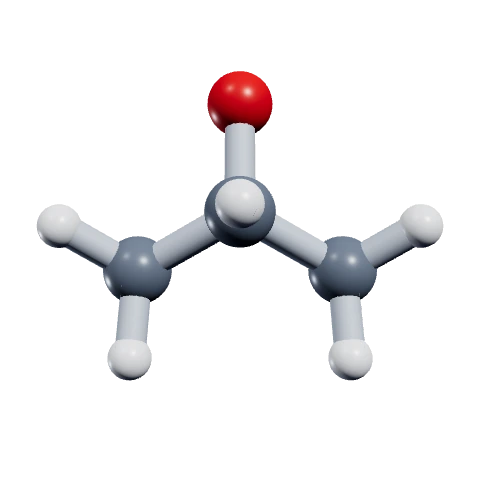
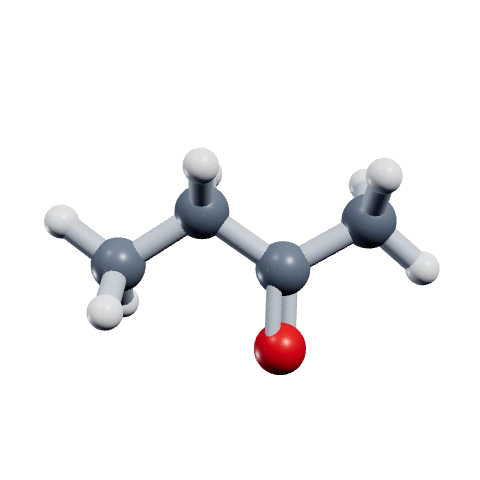
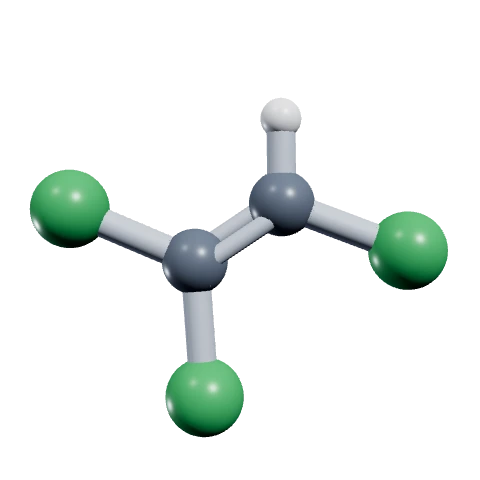
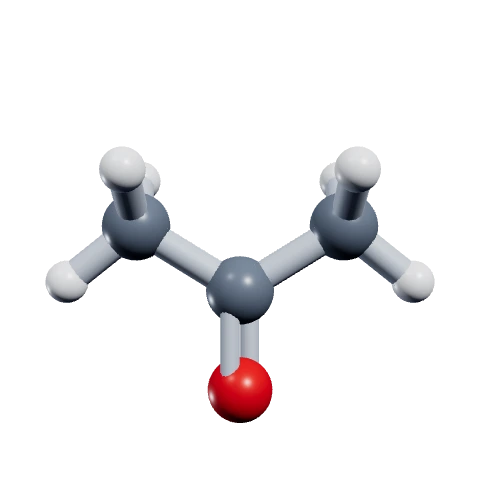
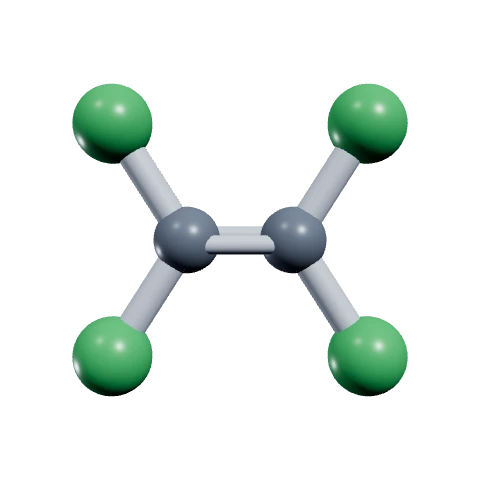
Industrial & Automotive Chemicals represent a high-performance category of solvents, degreasers, lubricants, and specialty fluids engineered to meet the rigorous demands of manufacturing and fleet maintenance. This collection features essential compounds such as Isopropyl Alcohol (CAS 67-63-0), Methyl Ethyl Ketone (CAS 78-93-3), and Trichloroethylene (CAS 79-01-6), which are critical for precision cleaning and industrial process efficiency. These chemicals are selected for their high solvency, controlled evaporation rates, and compliance with industrial purity standards required for modern shop environments.
Common Applications
-
Industrial Degreasing: High-solvency removal of oils, resins, and heavy greases from metal substrates prior to assembly or coating.
-
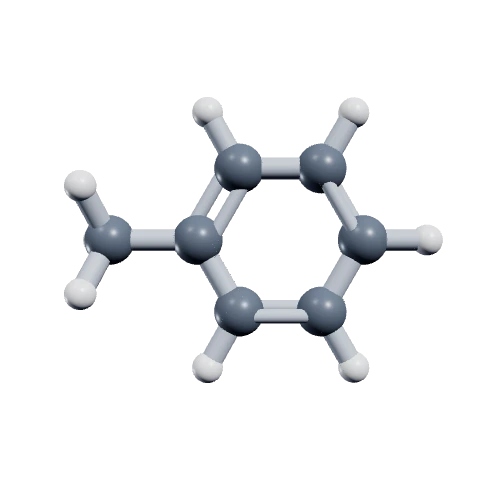
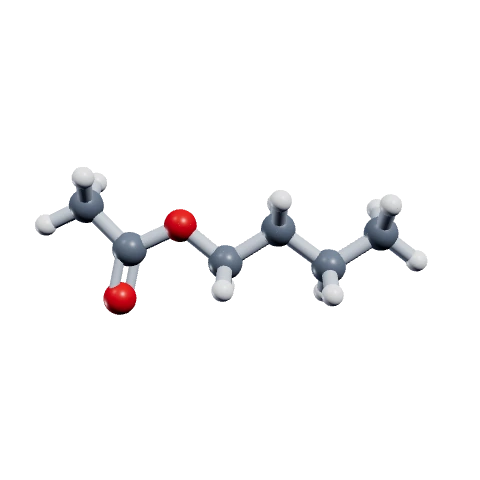
Automotive Coating Thinning: Using N-Butyl Acetate or Toluene to adjust the viscosity of high-solids clearcoats and primers for consistent spray patterns.
-
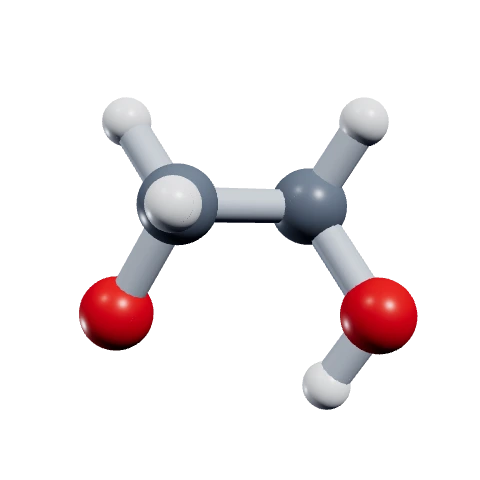
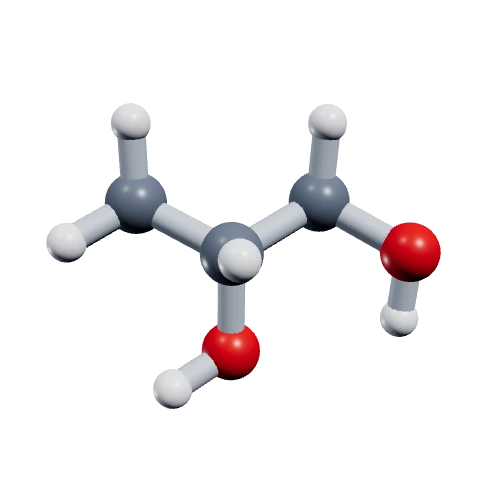
Equipment Cooling: Utilizing inhibited ethylene glycol mixtures in TIG welders and industrial chillers to prevent corrosion and scale at operating temperatures up to 180°F.
-
Parts Cleaning: Immersive solvent cleaning of mechanical components to dissolve carbon deposits and varnish in automotive restoration.
-
Vapor Degreasing: Precision cleaning of complex geometries using Trichloroethylene (TCE) in specialized closed-loop vapor recovery systems.
-
Surface Preparation: Using ACS Reagent Grade Isopropyl Alcohol for final wipe-downs to ensure zero-residue surfaces for critical bonding applications.
-
Metalworking Fluid Maintenance: Application of specialty lubricants and pH adjusters to extend the life of coolant sumps in CNC machining operations.
What We Carry
Alliance Chemical stocks a wide array of industrial grades tailored for specific application sensitivity and regulatory requirements. We offer technical-grade chemicals for general shop use and high-purity ACS Reagent grade for precision electronics or laboratory-integrated manufacturing. Our inventory is available in packaging ranging from 1-quart bottles for small-batch work to 275-gallon IBC totes for high-volume production lines.
| Grade |
Purity |
Best For |
| ACS Reagent |
≥99.9% |
Electronics cleaning, analytical testing, precision finishing |
| Technical |
95-99% |
Bulk degreasing, paint thinning, general shop cleaning |
| USP/FCC |
Food Grade |
Applications requiring high safety profiles or food-contact surface prep |
Safety & Handling
Industrial chemicals in this category often carry GHS02 Flame, GHS07 Exclamation Mark, and GHS08 Health Hazard pictograms due to flammability and potential toxicity. Operators must utilize appropriate PPE, including solvent-resistant nitrile or Viton gloves, Z87.1 safety goggles, and proper respiratory protection in areas with poor ventilation. Storage must comply with NFPA 30 Flammable and Combustible Liquids Code, ensuring materials are kept in grounded containers away from strong oxidizers and ignition sources.
All handling procedures should align with OSHA 29 CFR 1910.1200 (HazCom) and DOT 49 CFR regulations for hazardous material transport and storage. In the event of skin contact, flush the affected area with water for at least 15 minutes and consult the specific SDS for further clinical guidance. Access full safety documentation here: Safety Data Sheets.
Sourcing & Quality
Shipped from Taylor, Texas — on in-stock items.
COA included with every order. Certificate of Analysis documents lot-specific purity and specifications.
28 years serving 55,000+ customers including 244 federal contracts.
Reviewed by Andre Taki, Chief Commercial Officer — 20+ years in chemical distribution
✓ SDS Included ✓ COA Available ⚡ 1-2 Day Ship Times ★ No Minimum Order
Last updated: March 2026