Product Overview
Hydrochloric Acid 37% Technical Grade is concentrated hydrochloric acid — hydrogen chloride gas dissolved in water at 37% by weight, CAS 7647-01-0. Buyers also know it as muriatic acid or hydrochloric acid solution. It is a strong, corrosive mineral acid and that corrosivity is exactly why industry buys it: it dissolves rust and scale, drives pH down quickly and serves as a workhorse technical in chemical production.
This page is written for the people who actually use it: water-treatment operators adjusting pH, metal-processing shops stripping oxide and scale and industrial manufacturers running synthesis steps. Alliance Chemical packs and ships this acid as a UN1789, Class 8 corrosive (per 49 CFR 172.101) from our Taylor, Texas warehouse, in sizes from 1 quart to 330-gallon totes, offered to order.
Why This Concentration
37% is the full-strength commercial concentration of hydrochloric acid. Buying at full strength gives you the most acid per gallon shipped and lets you dilute down to whatever working strength your process calls for — one drum of 37% replaces several drums of a weaker solution and cuts your freight and container count.
The trade-off is handling. At 37%, the solution fumes: it produces an irritating vapor and carries a sharp, pungent odor, so it demands ventilation, closed containers and disciplined PPE. If your process only ever needs a dilute wash and your crew is not set up for concentrated corrosives, a weaker working solution prepared on site from this product — added acid to water, never the reverse — is the standard approach.
Technical Grade is the procurement designation for general industrial work: pH adjustment, metal cleaning and synthesis where a laboratory-grade purity designation is not required. Buyers whose specifications call for a specific analytical grade should confirm that requirement against the technical data sheet before ordering.
Chemical Profile
Hydrochloric acid solution is a colorless, watery liquid with a sharp, irritating odor. It is hydrogen chloride — formula HCl, molecular weight 36.46 — dissolved in water; the gas itself is soluble at 82.3 g per 100 g of water at 32 °F. The 37% w/w solution has a density of 1.19 at 20 °C, so a gallon weighs noticeably more than a gallon of water, which matters when you are sizing drum handling and secondary containment. The concentrated solution sinks and mixes with water and it gives off an irritating vapor with a vapor pressure of 413.6 mmHg. It arrives as a liquid, CAS 7647-01-0. Note the appearance: this material is colorless. If you receive yellow-tinged muriatic acid elsewhere, that tint is typically iron contamination — color is one of the first things a QC check on incoming acid should confirm.
Industrial Applications
-
pH adjustment in water treatment.Operators dose hydrochloric acid to pull pH down in treatment trains, neutralization steps and process water. It reacts fast and completely, which makes it a standard choice for pH control.
-
Metal cleaning and scale removal.Metal-processing shops use it to strip rust, mill scale and mineral scale from steel and other surfaces ahead of finishing. It attacks iron oxides aggressively — the same reactivity that makes it corrosive to metals makes it effective at cleaning them.
-
Chemical synthesis.Industrial manufacturers use hydrochloric acid as a technical and chlorine source in producing downstream chemicals and for acidification steps in batch processes.
Handling & Storage
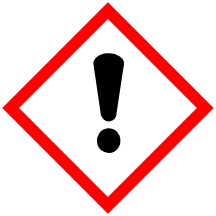
The signal word for this product is Danger (per the product's GHS classification). Its hazard statements are H290 May be corrosive to metals, H314 Causes severe skin burns and eye damage and H335 May cause respiratory irritation (per the product's GHS classification). Treat every transfer accordingly: acid-resistant gloves, splash goggles or a face shield and ventilation that carries vapor away from the operator.
Store it cool, dry and well ventilated, in compatible containers — HDPE or glass, never unlined metal. Keep it away from bases, metals and organic materials; contact can drive hazardous reactions and H290 is a reminder that this acid will attack metal fittings, shelving and drum racks over time. Keep containers tightly closed when not in use to hold down vapor release and never add water to concentrated acid when diluting — add the acid to water.
Hazmat & Shipping
This product ships as a regulated hazardous material. Its proper shipping name is Hydrochloric acid, UN1789, Hazard Class 8, Packing Group II (per 49 CFR 172.101). Our team preps Class 8 corrosive shipments daily — correct UN-spec packaging, labeling and shipping papers — because a mislabeled corrosive is what draws carrier refusals, reclassification fees and delays. Getting the classification right the first time is the fastest path through a carrier's hazmat network and it is the part of this purchase we control end to end.
Documentation
A Safety Data Sheet ships with every order, available in English, Spanish, French and Japanese — useful when your EHS program serves a multilingual crew. A technical data sheet is available for spec review before you buy and a lot-specific Certificate of Analysis is available with your shipment, so your receiving QC can tie the drum on your dock to the numbers on paper.
Why Buy from Alliance Chemical
We offer this acid across the full industrial range — 1-quart bottles for bench work up through 55-gallon drums and 275- and 330-gallon totes for bulk consumers — all packed and documented as UN1789 Class 8, Packing Group II shipments (per 49 CFR 172.101). Unlike sellers that treat hazmat as an occasional exception, shipping corrosives is our daily operation and buyers comparing competitors on price should compare on that basis too: the acid is only as reliable as the classification, packaging and paperwork it arrives with. Alliance Chemical has been distributing industrial chemicals since 1998 and has served more than 55,000 customers. The shipping and handling guidance on this page was reviewed by Andre Taki, DOT Hazmat Specialist.
Related Reading
Westlake's Cologne PVC closure and Century Lithium's planned Nevada or Utah chlor-alkali plant, read through the cell arithmetic: 1.128 t of caustic soda per tonne of chlorine, and over 90% of US hydrochloric acid made as a byproduct. Membrane versus diaphragm caustic on a certificate (0.01% vs 1.10% salt), and how to compare strengths by the kilogram. Chlorine, Caustic Soda and Hydrochloric Acid Come Out of One Cell.
Related Reading
Seoul prosecutors allege six Korean makers fixed the prices of caustic soda, hydrochloric acid, hypochlorite and chlorine for the Korean market and sent their price-increase notices in a pre-arranged order. How that compares with the US DOJ warning signs, what EPA trade data says about US exposure, and what to keep on file when you compare quotes. Prosecutors Say Korea’s Chlor-Alkali Makers Took Turns Sending Price Notices.