Buy fuels and petroleum-related chemicals from Alliance Chemical, including K-1 kerosene, petroleum-derived solvents, hydrocarbons, refinery-support chemicals, and lab materials used in fuel, maintenance, and process workflows. This hub supports buyers comparing fuel use, solvency, volatility, purity, and storage requirements.
Product Families In This Collection
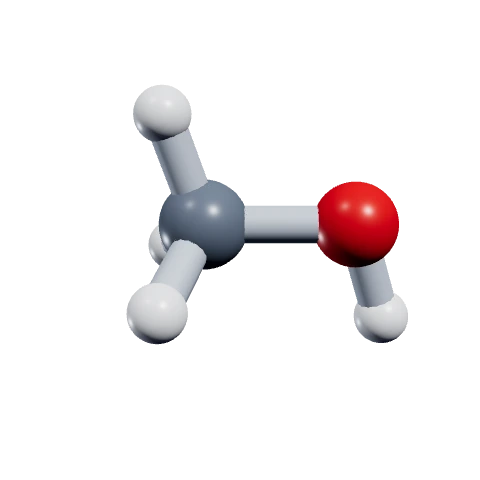
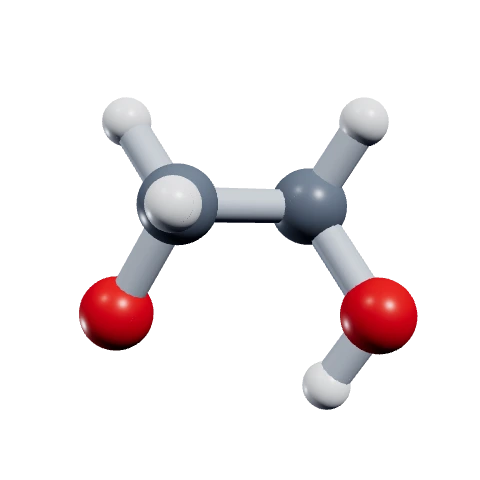
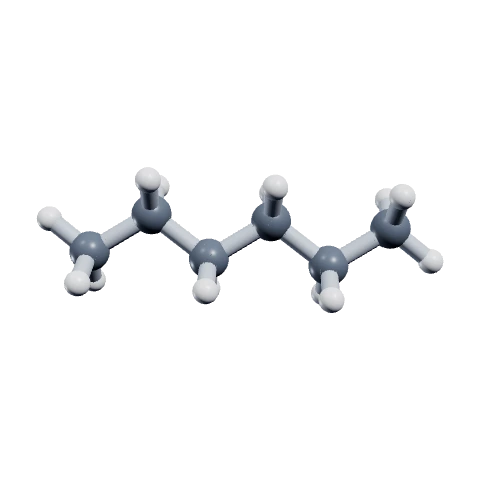
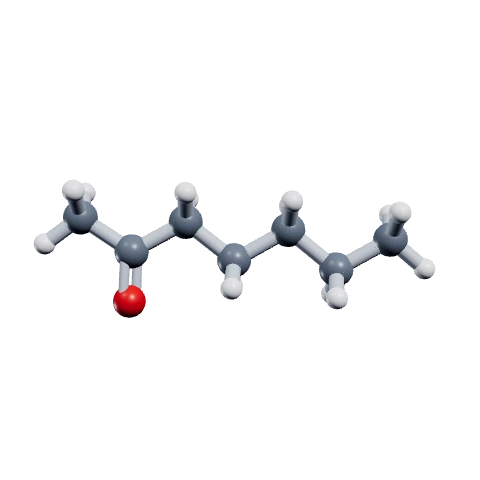
This collection includes K-1 kerosene, mineral spirits, naphtha, toluene, xylene, hexane, heptane, methanol, selected glycol products, and related petrochemical materials where available. Product selection depends on whether the requirement is fuel, solvent, lab reagent, field maintenance, or process support.
Common Applications
-
Fuel and heating use: K-1 kerosene supports compatible heaters, lamps, burners, and selected field fuel applications where equipment manuals and local rules allow it.
-
Petroleum-derived solvent work: Mineral spirits, naphtha, aromatic hydrocarbons, and aliphatic solvents are used for cleaning, thinning, extraction, and maintenance.
-
Oil, gas, and refining support: Solvents, glycols, and lab reagents support sample prep, equipment maintenance, hydrate inhibition, and refinery-adjacent workflows.
-
Battery recycling and process aids: Kerosene and related petroleum fractions can serve as process aids in selected recycling and separation workflows.
Selection Notes
Choose by end use first: fuel, solvent, lab reagent, or process aid. Confirm flash point, aromatic content, purity, evaporation rate, odor, material compatibility, and whether the product can be used in the equipment or process without substitution risk.
Safety & Handling
Petroleum products may be flammable or combustible and can create vapor exposure hazards. Store away from ignition sources, oxidizers, and heat; use ventilation; ground and bond during larger transfers; and follow SDS spill and disposal procedures. Review the Safety Data Sheets before use and follow your site-specific handling procedure.
Why Buy From Alliance Chemical
Most in-stock petroleum and fuel-related products ship from Taylor, Texas with SDS support. Bulk and repeat orders can be quoted for maintenance, lab, fuel, and industrial buyers.
Related: Kerosene K-1, Hydrocarbons, Solvents, Oil & Gas.