What Pharmaceutical & Laboratory Research Buyers Need

In pharmaceutical and research laboratories, procurement focuses heavily on reagent consistency and documentation traceability. Quality Control (QC) teams require strict adherence to American Chemical Society (ACS) specifications to ensure assay accuracy and method reproducibility. Even minor variances in trace metal content or residue after evaporation can introduce noise into analytical instruments like HPLC, GC-MS, or ICP-MS. Consequently, buyers prioritize lot-specific Certificates of Analysis (COA) to validate raw materials before they enter the analytical workflow. Regulatory compliance is another critical factor. Auditors often review the supply chain for transparency, requiring proof that the chemical grade matches the specific requirements of the Standard Operating Procedure (SOP). Whether for sample digestion, mobile phase preparation, or extraction, the stoichiometry depends on precise assay percentages. Supply reliability also prevents downtime in ongoing stability studies or time-sensitive research projects where changing lots could introduce unwanted variables.

Key Specifications

Specification Why It Matters
ACS assay range (%) Method accuracy and reproducibility
Trace metals (ppm) Interference in trace analysis
Water content (%) Reaction stoichiometry
Residue after evaporation Contamination in extraction/concentration
Lot-specific COA Audit trail and method validation

Recommended Products

Nitric Acid 70% ACS Grade - Low Particle

Nitric Acid 70% ACS Grade - Low Particle

Sample digestion, trace analysis

From $67.00

View Product
Sulfuric Acid 96% ACS Grade

Sulfuric Acid 96% ACS Grade

Digestion, titration, chromatography

From $26.00

View Product
Hydrochloric Acid 37% (HCL 37%) - Technical Grade

Hydrochloric Acid 37% (HCL 37%) - Technical Grade

Titration, pH adjustment, digestion

From $19.00

View Product
Phosphoric Acid 85% - Technical Grade

Phosphoric Acid 85% - Technical Grade

Buffer preparation, HPLC mobile phase

From $18.50

View Product
Isopropyl Alcohol 99.9% ACS Reagent Grade

Isopropyl Alcohol 99.9% ACS Reagent Grade

Cleaning, extraction, chromatography

From $25.00

View Product
Acetone ACS Grade

Acetone ACS Grade

Cleaning, extraction, chromatography

From $23.00

View Product
60/40 Methanol/ DI Water Solution

60/40 Methanol/ DI Water Solution

HPLC solvent, extraction

From $18.38

View Product
Hexane ACS Reagent Grade

Hexane ACS Reagent Grade

Extraction, chromatography

From $27.00

View Product
Ethyl Acetate

Ethyl Acetate

Extraction, chromatography

From $26.00

View Product
Toluene

Toluene

Extraction solvent

From $20.00

View Product
Xylene

Xylene

Histology, clearing agent

From $16.03

View Product
n-Heptane 99% ACS

n-Heptane 99% ACS

Reference standard solvent

From $24.00

View Product
Hydrogen Peroxide 30% ACS Grade

Hydrogen Peroxide 30% ACS Grade

Oxidizing agent, cleaning

From $22.53

View Product
Ammonium Hydroxide 29% ACS Grade

Ammonium Hydroxide 29% ACS Grade

Buffer preparation, reagent

From $25.00

View Product
Sodium Hydroxide 25%

Sodium Hydroxide 25%

Titration, pH adjustment

From $13.32

View Product
Boric Acid

Boric Acid

Buffer preparation

From $14.00

View Product
Deionized Water

Deionized Water

Universal lab solvent

From $21.00

View Product

Packaging & Logistics

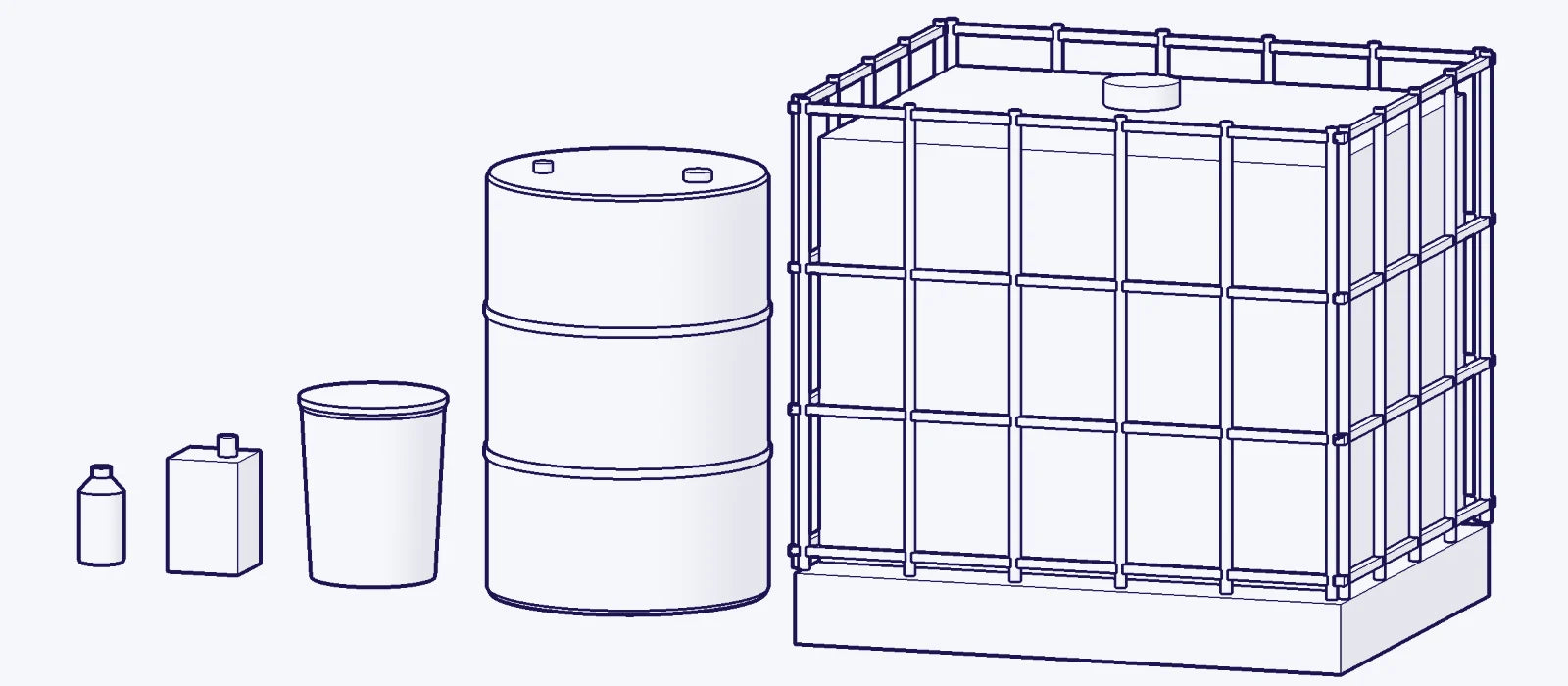
Laboratories typically procure high-purity reagents in smaller, specialized packaging to maintain integrity and reduce shelf-life risks. Common configurations include 500mL, 1L, and 4L amber glass bottles to protect light-sensitive solvents, or PVC-coated safety glass to contain spills in the event of breakage. Corrosives like Hydrochloric Acid and Nitric Acid often require specific poly or glass containers compatible with chemical resistance charts. Purchasing patterns vary from case quantities for benchtop use to 55-gallon drums for pilot plant scale-up. Because many of these items, such as Nitric Acid and Methanol, are hazardous materials, shipments require hazmat-certified ground transportation. Facilities must ensure adequate flammables cabinets or acid storage lockers are available prior to receipt to meet safety regulations.

Common Mistakes to Avoid

A frequent oversight in laboratory procurement involves selecting the incorrect chemical grade for analytical applications. While Technical or General Purpose grades are cost-effective for general cleaning, they lack the tightly controlled impurity profiles required for sensitive instrumentation. Using a solvent with high residue on evaporation in gas chromatography can damage columns and invalidate results. Similarly, overlooking trace metal specifications in acids used for digestion leads to background interference in spectroscopic analysis. Another common issue relates to packaging compatibility and storage. Ordering high-purity solvents in unlined steel drums for long-term storage can result in leaching, compromising the purity level initially certified on the COA. Buyers also occasionally fail to verify if a lot-specific COA is available prior to delivery, creating bottlenecks when QC teams attempt to release the material for use. Verifying the specific ACS parameters against the laboratory's internal specifications prevents costly revalidation or material disposal.

Why Alliance Chemical

COA Per Lot

Every lot ships with a Certificate of Analysis. Full traceability for your quality system.

SDS Included

Safety Data Sheets included with every order. Available on demand for any product.

Same-Day Shipping

Order by 2 PM CT and it ships today. DOT-certified hazmat packaging.

Real People

Call us and a person answers. No phone trees, no ticket queues. Taylor, Texas.

Made in the USAOwned and operated since 1998Certificate of Analysis (COA) available per lotSafety Data Sheet (SDS) provided with every orderTrusted by DOD, DLA, NASA, SOCOM, and Space ForceCAGE Code 1LT50Bulk pricing and purchase orders acceptedTechnical support availableContact: sales@alliancechemical.com

Frequently Asked Questions

Do you provide lot-specific Certificates of Analysis (COA) for method validation?
Yes, lot-specific Certificates of Analysis are available upon request at the time of purchase. These documents detail the actual test results against ACS specifications, allowing your QC team to verify compliance with internal standards and SOPs.
What is the difference between ACS Reagent grade and USP grade for our research?
ACS Reagent grade adheres to specifications set by the American Chemical Society, focusing on high purity for analytical and research applications. USP grade follows United States Pharmacopeia standards, which are primarily designed for pharmaceutical formulation and manufacturing safety rather than analytical sensitivity.
Can we reserve a specific lot number to ensure consistency across a long-term study?
We understand the need for variable control in longitudinal studies. While we cannot guarantee indefinite availability, we can discuss bulk purchasing or standing orders to maximize lot consistency for your project duration.
How are incompatible reagents like Nitric Acid and Ammonium Hydroxide shipped?
We strictly adhere to DOT regulations regarding the segregation of incompatible materials during transport. Acids, bases, and flammables are packaged and shipped according to their specific hazard classes to ensure safety and compliance upon arrival at your loading dock.

Ready to Order?

Get the chemicals your Pharmaceutical & Laboratory Research operation needs — with documentation, fast shipping, and real support.

Or call: (512) 894-2194