• 200+ Chemicals
  • 14 Industries Served
  • Same-Day Shipping
  • Taylor, Texas

What Craft Distilling & Spirits Buyers Need

Distillers operate under strict scrutiny from the Alcohol and Tobacco Tax and Trade Bureau (TTB), making raw material compliance a primary concern. Every additive, processing aid, and cleaning agent used in the production facility must meet rigorous identity and purity standards. Production managers specifically require United States Pharmacopeia (USP) or Food Chemicals Codex (FCC) designations to ensure materials are appropriate for beverage production environments. A Certificate of Analysis (COA) is critical for daily operations; auditors require full traceability for every lot of citric acid used for pH adjustment or activated carbon used for filtration. Beyond regulatory compliance, chemical consistency is essential for product quality. Variations in chemical assay or heavy metal content can alter fermentation kinetics or impact the sensory profile of the final spirit. Procurement teams demand lot-specific documentation that validates purity levels and strictly monitors impurities. The supply chain must support batch-to-batch uniformity to maintain the integrity of the distillery's established flavor profiles.

Key Specifications

Specification Why It Matters
Food-grade / USP status TTB compliance for beverage contact
Heavy metals (ppm) FDA limits for food-grade chemicals
Assay / purity (%) Dosing accuracy and flavor consistency
COA per lot TTB audit trail and quality documentation
Packaging size Right-sized for craft production volumes

Recommended Products

Citric Acid Monohydrate - USP Food Grade

Citric Acid Monohydrate - USP Food Grade

pH adjustment, flavor enhancement

From $13.98

View Product
Phosphoric Acid 75% USP Food Grade

Phosphoric Acid 75% USP Food Grade

pH control, mash acidification

From $16.36

View Product
Sodium Metabisulfite - Food Grade

Sodium Metabisulfite - Food Grade

Antioxidant, sanitizer

From $30.00

View Product
Glycerin USP Grade

Glycerin USP Grade

Mouthfeel, sweetness, extract base

From $23.88

View Product
Propylene Glycol USP Grade

Propylene Glycol USP Grade

Flavor carrier, antifreeze in chilling systems

From $19.66

View Product
Potassium Bicarbonate - FCC USP Grade

Potassium Bicarbonate - FCC USP Grade

pH adjustment, deacidification

From $34.16

View Product
Isopropyl Alcohol 70% USP Grade

Isopropyl Alcohol 70% USP Grade

Equipment sanitization

From $20.00

View Product
Deionized Water

Deionized Water

Proofing, dilution, equipment rinsing

From $21.00

View Product

Packaging & Logistics

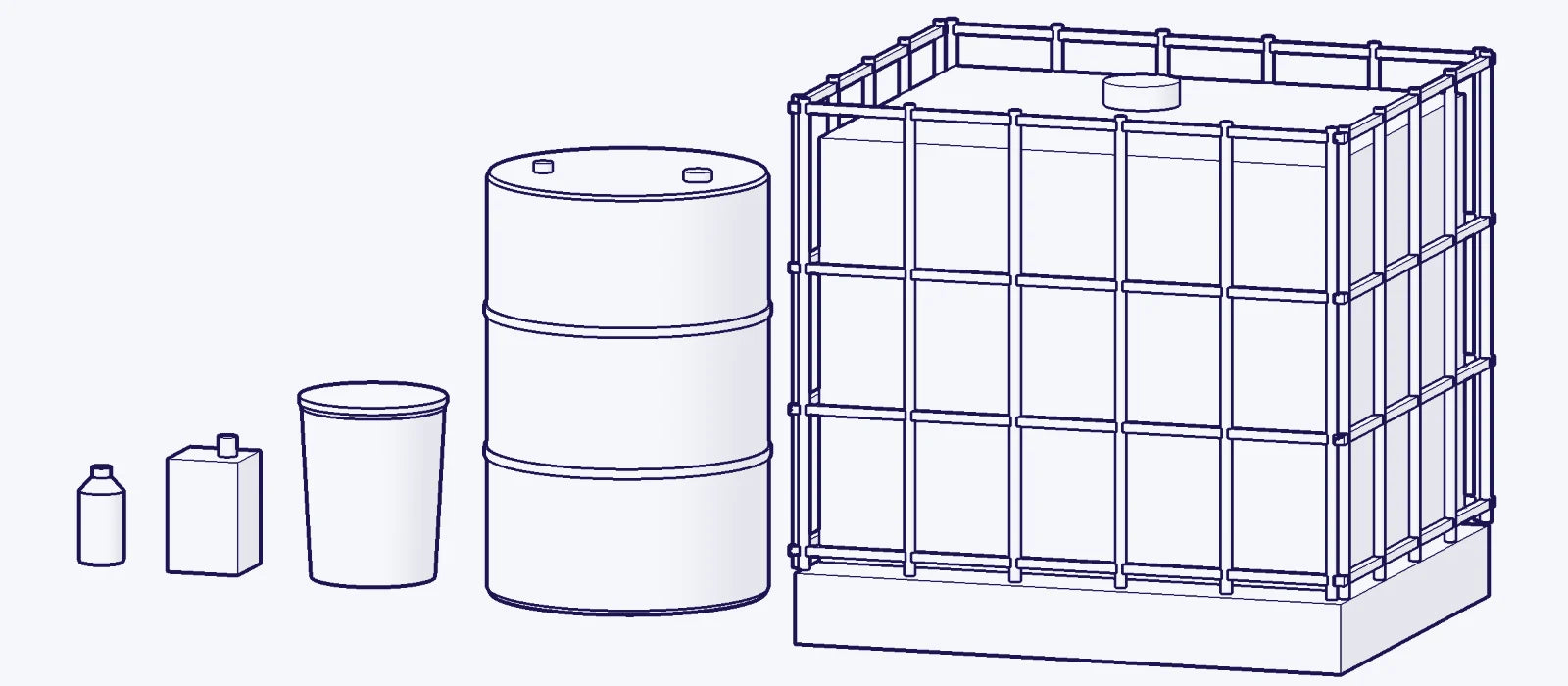
Craft distilleries typically require a mix of packaging configurations to accommodate limited floor space and specific production batch sizes. Dry ingredients like Citric Acid and Potassium Bicarbonate are often procured in 50-lb bags or pails to maintain material freshness and facilitate manual dosing. Corrosive liquids, such as Phosphoric Acid and Sodium Hydroxide, require UN-rated drums or pails that meet hazardous material transport regulations. Space constraints often necessitate pallet-level ordering rather than full truckloads. Facility managers must also segregate oxidizers and flammables, such as Isopropyl Alcohol, in designated storage lockers. Buyers generally prioritize logistics that allow for the consolidation of diverse hazard classes into single shipments, streamlining receiving processes and ensuring materials arrive with appropriate safety documentation.

Common Mistakes to Avoid

A frequent oversight in the distilling industry is substituting Technical Grade chemicals for USP or FCC Grade materials during production or equipment maintenance. While Technical Grade Sodium Hydroxide effectively removes protein soils, it may contain heavy metal impurities that exceed FDA limits for food contact surfaces. This creates a compliance risk during TTB audits if the cleaning validation process is not robust. Another common error involves the concentration management of liquid acids. Phosphoric Acid is available in various concentrations; purchasing an incorrect strength requires recalculation of dosing rates for mash acidification, potentially leading to stalled fermentations if the pH drops too low. Furthermore, distillers sometimes fail to archive the Certificate of Analysis (COA) upon receipt. Without this document linking the specific lot number to the production date, the distillery lacks the traceability required to prove regulatory compliance during a government inspection.

Why Alliance Chemical

COA Per Lot

Every lot ships with a Certificate of Analysis. Full traceability for your quality system.

SDS Included

Safety Data Sheets included with every order. Available on demand for any product.

Same-Day Shipping

Order by 2 PM CT and it ships today. DOT-certified hazmat packaging.

Real People

Call us and a person answers. No phone trees, no ticket queues. Taylor, Texas.

Made in the USAOwned and operated since 1998Certificate of Analysis (COA) available per lotSafety Data Sheet (SDS) provided with every orderTrusted by DOD, DLA, NASA, SOCOM, and Space ForceCAGE Code 1LT50Bulk pricing and purchase orders acceptedTechnical support availableContact: sales@alliancechemical.com

Frequently Asked Questions

Do you provide lot-specific COAs for TTB audits?
Yes, a Certificate of Analysis (COA) is available upon request for every order. This document includes lot-specific data verifying that the material meets USP or FCC standards, supporting your facility’s traceability and compliance requirements.
Is your Glycerin vegetable-based and suitable for mouthfeel adjustment?
We supply USP Grade Vegetable Glycerin derived from non-GMO sources. Distillers often utilize this grade to adjust viscosity and mouthfeel, provided it aligns with their specific TTB formula approvals.
Can Sodium Hydroxide be used on copper stills?
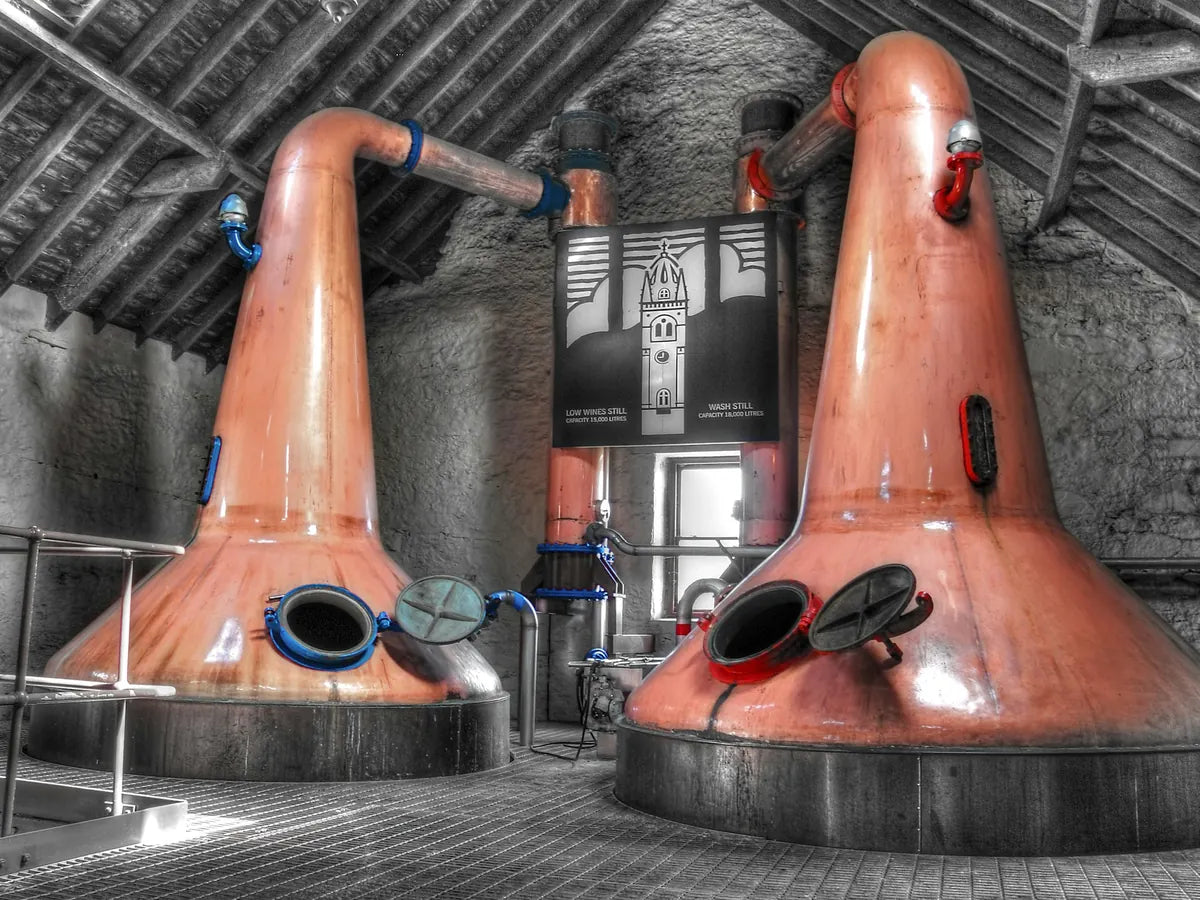
Sodium Hydroxide is a strong caustic often used for cleaning stainless steel, but it can corrode soft metals like copper. Facilities should consult their equipment manufacturer’s maintenance manual to determine compatible cleaning agents for copper components.
What distinguishes USP Grade Isopropyl Alcohol from Technical Grade?
USP Grade Isopropyl Alcohol meets strict purity standards set by the United States Pharmacopeia, ensuring low levels of impurities. This grade is appropriate for surface maintenance in regulated manufacturing environments, whereas Technical Grade does not meet these specific purity limits.

Industry Insights & Guides

Deep-dive articles on the chemicals, processes, and best practices for Craft Distilling & Spirits.

Need Chemicals for Your Craft Distilling & Spirits Operation?

Get the chemicals your Craft Distilling & Spirits operation needs — with documentation, fast shipping, and real support.

Or call: (512) 365-6838