What Metal Finishing & Surface Treatment Buyers Need

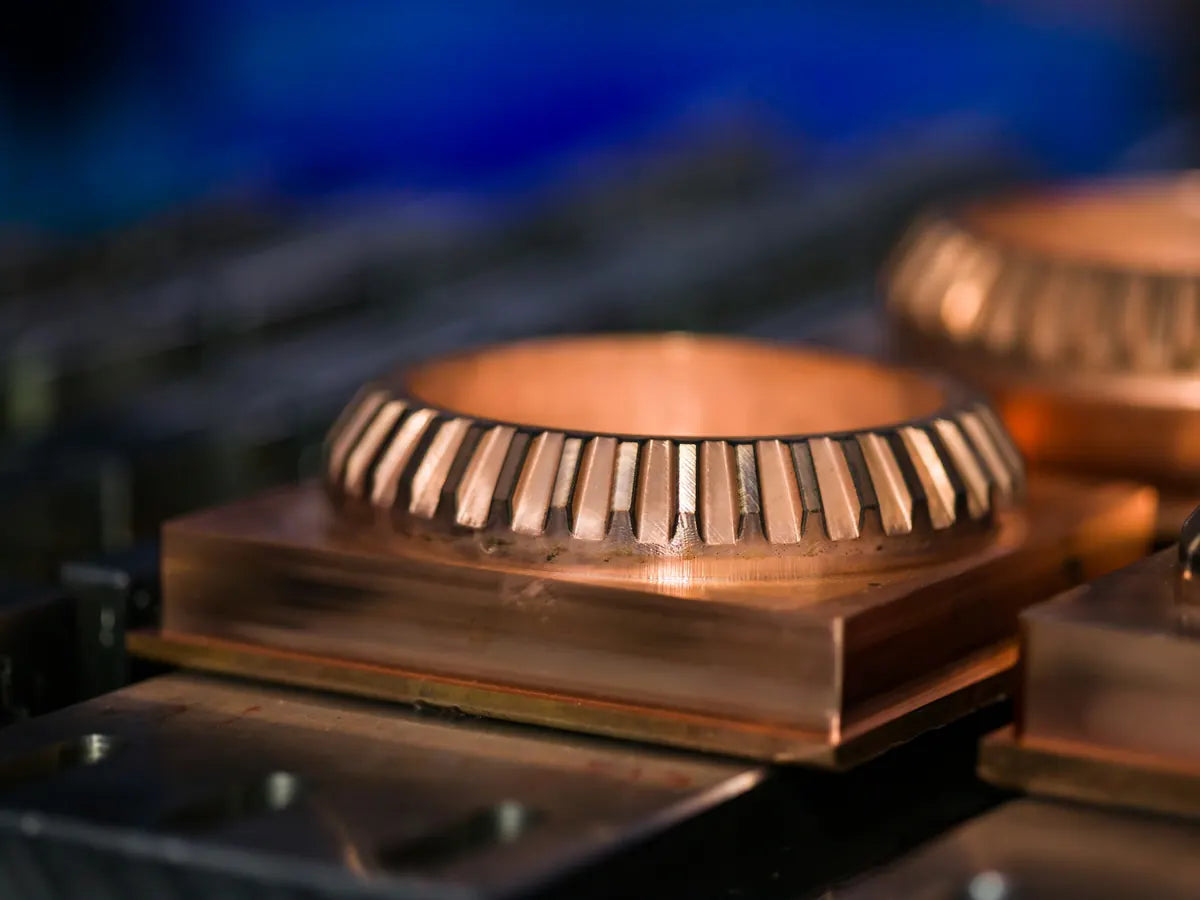
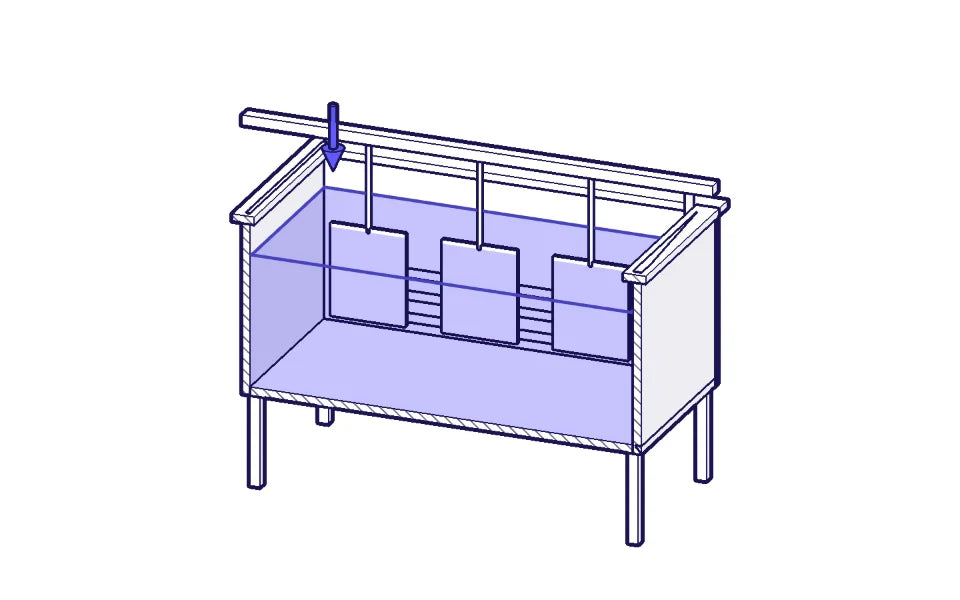
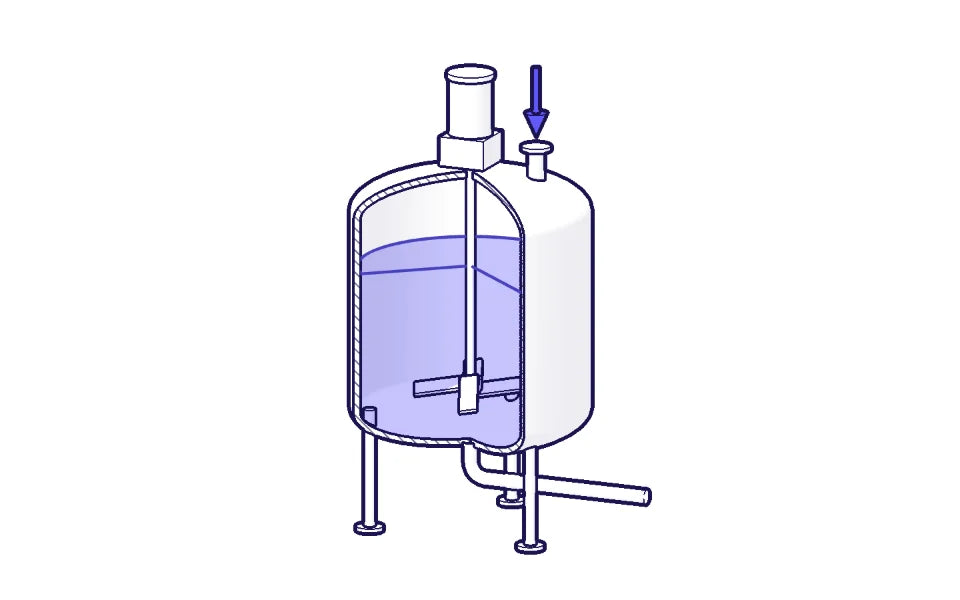
Facilities managing metal finishing, anodizing, and electroplating lines require precise chemical consistency to maintain tight process windows. The primary concern for process engineers and procurement teams is the purity profile of the raw material, specifically regarding trace metal contaminants. For example, excess iron in hydrochloric acid or heavy metals in sulfuric acid can rapidly degrade bath life and cause plating defects such as pitting or poor adhesion. Buyers operate under strict quality management systems, often requiring adherence to NADCAP or ISO 9001 standards. Consequently, full traceability via lot-specific Certificates of Analysis (COA) is a non-negotiable requirement for every shipment. Procurement also evaluates chemical concentration accuracy to ensure predictable reaction rates during pickling and etching stages. Stability in supply chain logistics is critical, as unexpected shortages can force line shutdowns, leading to significant revenue loss in high-throughput automotive or aerospace coating operations.

Key Specifications

Specification Why It Matters
Concentration (%) Process bath formulation
Iron content (ppm) Contamination in plating baths
Free acid (%) Etching and pickling rate control
Temperature range (°F) Process operating window
Drag-out rate Chemical consumption and waste costs

Recommended Products

Sulfuric Acid 96% ACS Grade

Sulfuric Acid 96% ACS Grade

Anodizing, pickling, electroplating

From $26.00

View Product
Sulfuric Acid 70%

Sulfuric Acid 70%

Pickling, cleaning

From $23.00

View Product
Nitric Acid 70% ACS Grade - Low Particle

Nitric Acid 70% ACS Grade - Low Particle

Passivation, etching, bright dipping

From $67.00

View Product
Phosphoric Acid 85% - Technical Grade

Phosphoric Acid 85% - Technical Grade

Rust removal, metal cleaning, polishing

From $18.50

View Product
Hydrochloric Acid 31% Technical Grade

Hydrochloric Acid 31% Technical Grade

Pickling, scale removal, flux cleaning

From $13.63

View Product
Oxalic Acid ACS Grade

Oxalic Acid ACS Grade

Rust removal, surface cleaning

From $25.76

View Product
Ammonium Bifluoride Flakes

Ammonium Bifluoride Flakes

Surface etching, aluminum cleaning

From $23.00

View Product
Trichloroethylene (TCE) ACS Grade
Perchloroethylene (PCE, PERC)

Perchloroethylene (PCE, PERC)

Precision degreasing

From $24.00

View Product
Acetone ACS Grade

Acetone ACS Grade

Surface preparation, cleaning

From $23.00

View Product
Methyl Ethyl Ketone (MEK)

Methyl Ethyl Ketone (MEK)

Surface preparation, coating removal

From $22.00

View Product
Sodium Dichromate

Sodium Dichromate

Chromate conversion coating

From $33.00

View Product

Packaging & Logistics

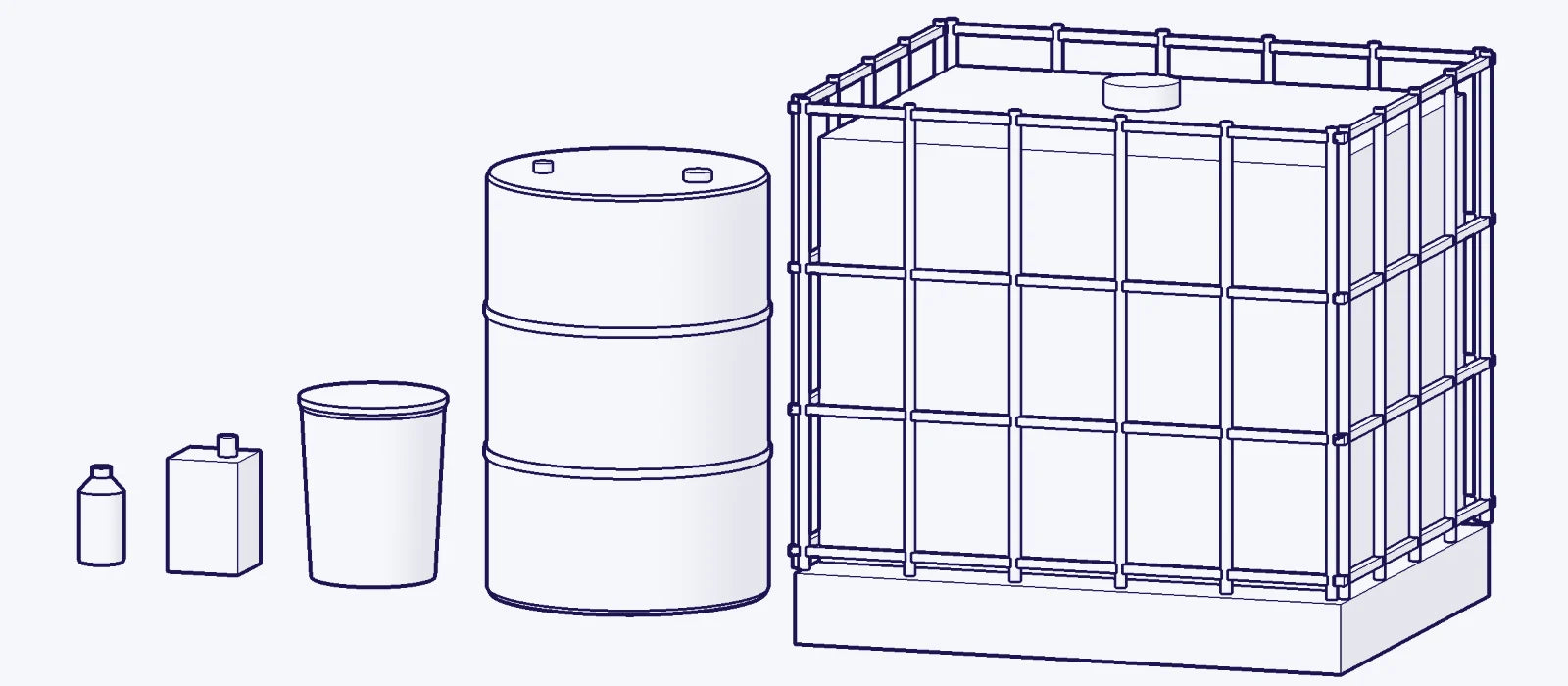
The metal finishing industry typically purchases core acids and alkalis in bulk configurations to support continuous bath maintenance. High-volume consumers often utilize 275-gallon intermediate bulk containers (IBC totes) or bulk tanker loads for initial tank make-up. Smaller operations or specific additives may be sourced in 55-gallon polyethylene drums or 5-gallon pails. Due to the hazardous nature of these materials—ranging from Class 8 Corrosives (Sulfuric, Nitric) to Class 6.1 Toxics (TCE)—shipping requires strict Department of Transportation (DOT) compliance. Facilities must ensure they have appropriate offloading capabilities, such as chemically resistant forklifts or drum pumps. Lead times are critical; buyers typically schedule deliveries to coincide with planned bath maintenance intervals to minimize on-site storage of hazardous materials.

Common Mistakes to Avoid

A frequent purchasing error in metal finishing involves overlooking the specific stabilizer profile in vapor degreasing solvents. Purchasing generic Trichloroethylene (TCE) or Perchloroethylene (PCE) without confirming the presence of appropriate acid acceptors can lead to solvent breakdown and equipment corrosion, particularly when cleaning reactive metals like aluminum or magnesium. Another common oversight is failing to specify low-iron grades of Hydrochloric Acid for electroplating pre-treatment; standard technical grade acid may contain iron levels that interfere with bright nickel or zinc plating baths. Buyers also occasionally miscalculate the heat generation differences between concentrations of Sulfuric Acid (93% vs. 96%) during dilution, which can overwhelm tank cooling systems. Finally, neglecting to request a pre-shipment COA for verification against internal process limits is a procedural gap that often leads to rejected lots upon arrival.

Why Alliance Chemical

COA Per Lot

Every lot ships with a Certificate of Analysis. Full traceability for your quality system.

SDS Included

Safety Data Sheets included with every order. Available on demand for any product.

Same-Day Shipping

Order by 2 PM CT and it ships today. DOT-certified hazmat packaging.

Real People

Call us and a person answers. No phone trees, no ticket queues. Taylor, Texas.

Made in the USAOwned and operated since 1998Certificate of Analysis (COA) available per lotSafety Data Sheet (SDS) provided with every orderTrusted by DOD, DLA, NASA, SOCOM, and Space ForceCAGE Code 1LT50Bulk pricing and purchase orders acceptedTechnical support availableContact: sales@alliancechemical.com

Frequently Asked Questions

Does the Hydrochloric Acid 31% meet specific low-iron requirements for plating lines?
Iron content varies by lot and grade. Process engineers should review the lot-specific Certificate of Analysis (COA) prior to use to ensure the iron (Fe) ppm levels are below the threshold required for your specific plating bath chemistry.
Is the Nitric Acid 70% suitable for passivation according to ASTM A967?
Nitric Acid 70% is a primary component for passivation baths described in ASTM A967 and AMS 2700. Users must dilute the chemical to the specific ratios and temperature ranges mandated by the standard for the alloy being treated.
Do you provide shelf-life data for time-sensitive anodizing chemicals?
Yes, manufacture dates and expiration or retest dates are provided on the Certificate of Analysis (COA). This documentation assists facilities in managing inventory rotation to maintain NADCAP or internal quality compliance.
What packaging is recommended for storing Sodium Hydroxide 50% long-term?
Sodium Hydroxide 50% should be stored in containers compatible with high-pH corrosives, typically specific grades of polyethylene or mild steel. Buyers must ensure storage temperatures are maintained above the freezing point (approx. 60°F) to prevent the product from solidifying or stratifying.

Ready to Order?

Get the chemicals your Metal Finishing & Surface Treatment operation needs — with documentation, fast shipping, and real support.

Or call: (512) 894-2194