
Miscellaneous Inorganic Compounds

Sort by:: Best Selling
Sort by: Best Selling
3 products

About Miscellaneous Inorganic Compounds

Miscellaneous inorganic compounds encompass essential chemical building blocks that don't fit neatly into single-element categories but serve critical roles across industrial, agricultural, and laboratory applications. These versatile materials—including boric acid, urea, and specialized salts—offer unique properties that make them indispensable for manufacturing, research, and agricultural processes.

Common Applications

  • Agricultural Enhancement: Nitrogen-rich compounds like urea provide essential nutrients for crop fertilization and soil conditioning
  • Manufacturing Processes: Flame retardant production, glass manufacturing, and ceramic formulation requiring precise chemical compositions
  • Laboratory Research: Chemical synthesis, analytical testing, and research applications demanding high-purity materials
  • Industrial Applications: Metal treatment, corrosion inhibition, and specialized manufacturing processes
  • Pest Management: Formulation of targeted pest control solutions for agricultural and commercial use
  • Electronics Manufacturing: Supporting advanced circuit production and electronic component manufacturing, as detailed in our electronics industry guide

Available Grades and Forms

Our miscellaneous inorganic compounds collection includes ACS reagent grade, technical grade, and USP pharmaceutical grade materials. Products are available as crystalline powders, granular solids, and concentrated solutions. Purity levels range from technical grade (95%+) to ACS grade (99%+) depending on your application requirements. Learn more about selecting the right grade in our chemical grades guide.

Pack sizes range from laboratory quantities (500g bottles) to industrial volumes (55-gallon drums and 275-gallon totes). Common packaging includes 1-gallon jugs, 5-gallon pails, and 50-pound bags for solid materials.

For specialized applications like boric acid pest control formulations, we provide technical support to ensure optimal results. Every order includes comprehensive SDS documentation and Certificates of Analysis for quality assurance. Same-day shipping available with no minimum order requirements.

SDS Included COA Available Same-Day Shipping No Minimum Order

Frequently Asked Questions

What is boric acid and what are its common uses?
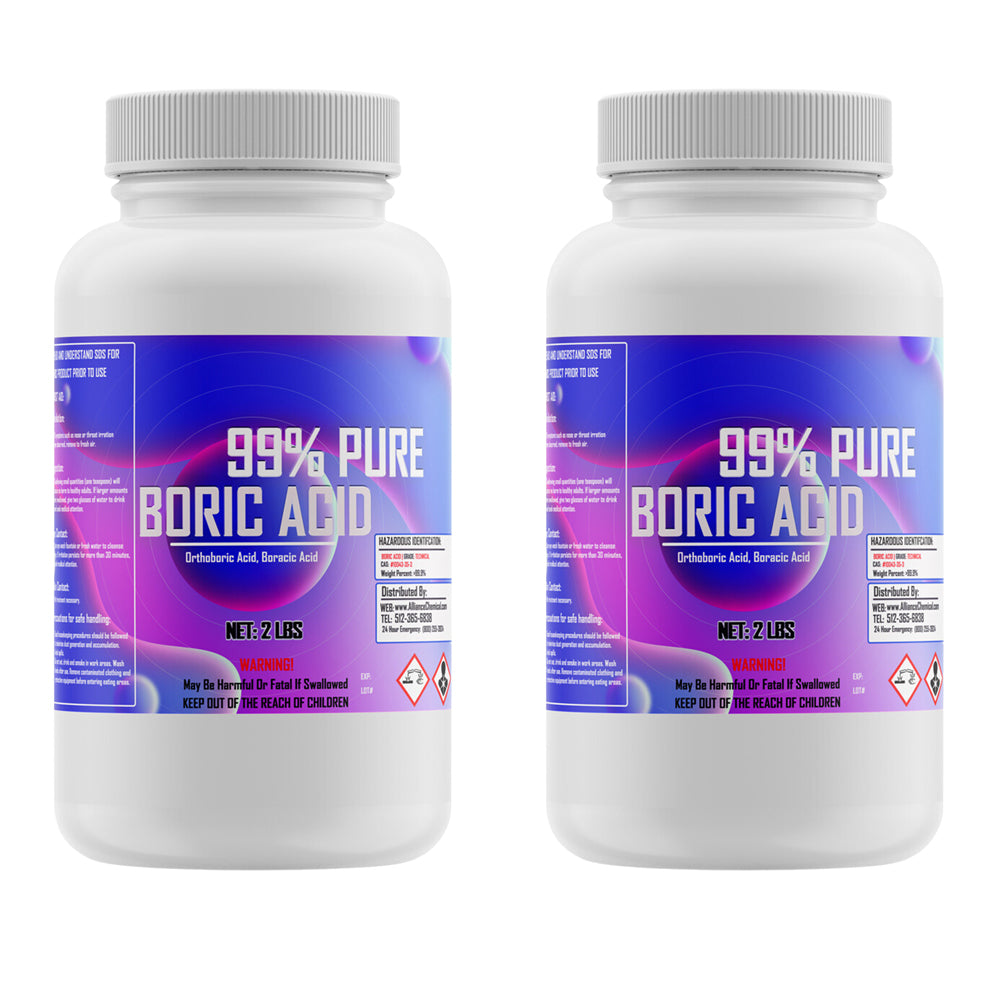
Boric acid is a weak inorganic acid used in various applications due to its antiseptic, insecticide, and flame retardant properties. It is commonly used in pest control, cleaning products, as a flame retardant in textiles, and as a component in some fertilizers. Alliance Chemical supplies boric acid in various grades to suit different industrial and laboratory needs.
How is urea used in agriculture?
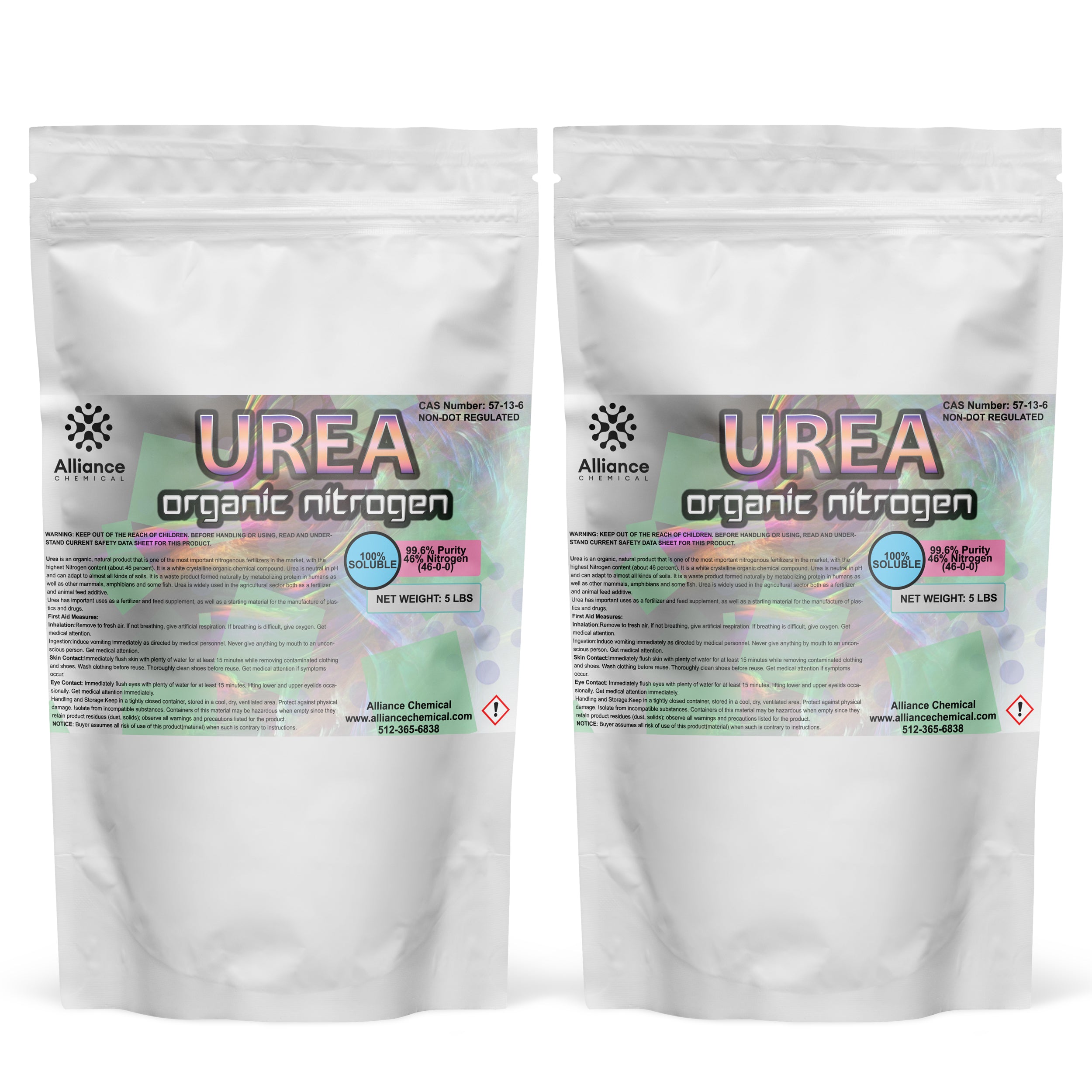
Urea is a nitrogen-rich compound widely used as a fertilizer in agriculture. It provides a readily available source of nitrogen for plants, promoting healthy growth and increased yields. It is also used in animal feed and certain industrial processes. Alliance Chemical offers urea suitable for agricultural and industrial applications.
What are the different grades of boric acid available?
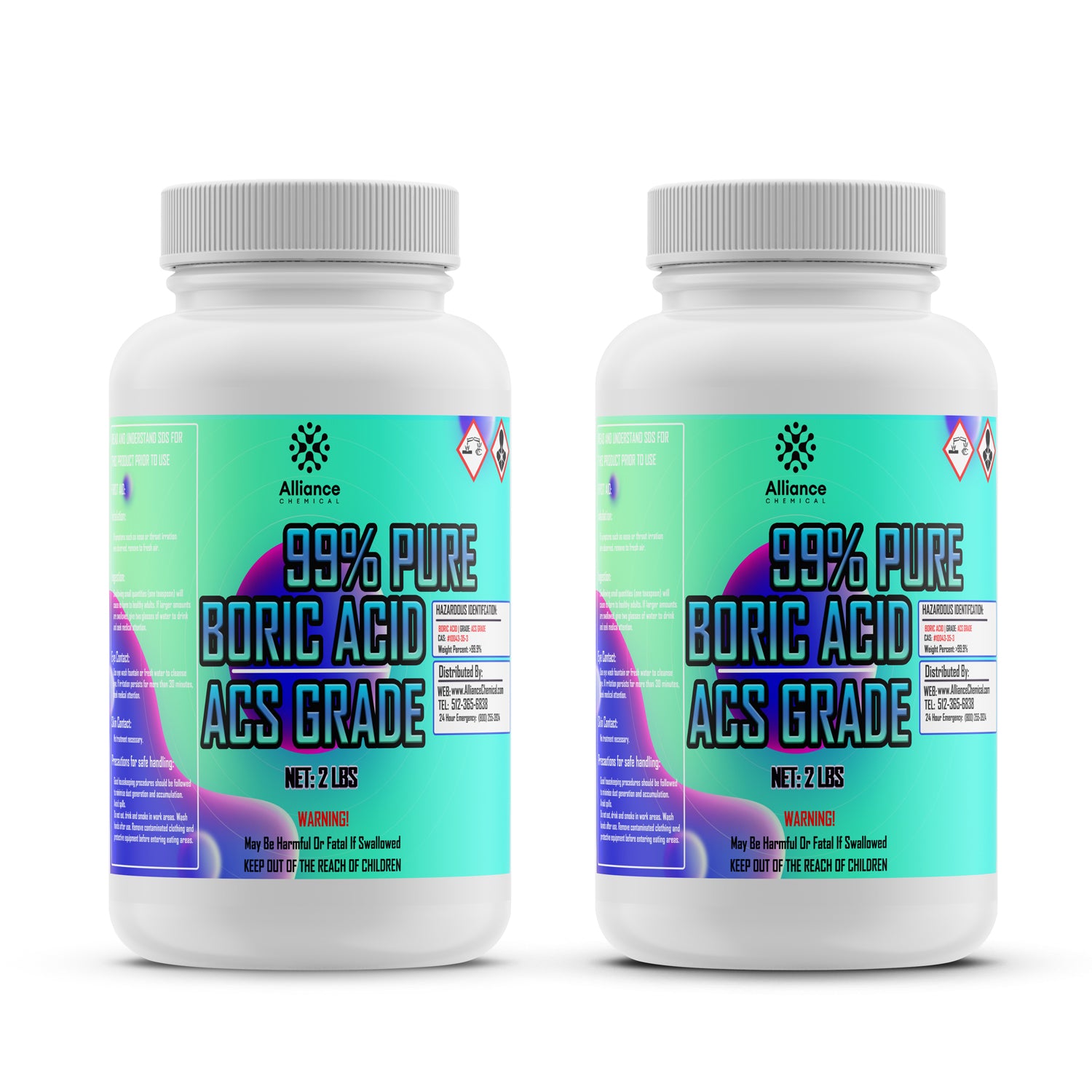
Boric acid is available in several grades, including technical grade, reagent grade, and ACS grade. The grade indicates the purity level, with ACS grade being the highest purity, suitable for laboratory use. Alliance Chemical offers Boric Acid Powder 99% and other grades to meet diverse application requirements. Always refer to the Certificate of Analysis (COA) for specific purity details.
How should I safely store inorganic compounds like boric acid and urea?
Store inorganic compounds in tightly closed containers in a cool, dry, and well-ventilated area. Keep them away from incompatible materials such as strong oxidizing agents. Always refer to the Safety Data Sheet (SDS) for specific storage recommendations for each compound. Proper labeling is essential for all stored chemicals.
Is boric acid safe to use around pets and children?
While boric acid is relatively low in toxicity compared to some other insecticides, it should still be handled with care, kept out of reach of children and pets, and used according to label instructions. Exposure through ingestion or inhalation should be avoided. Always use appropriate personal protective equipment (PPE) when handling any chemical.
What industries commonly use inorganic compounds?
Inorganic compounds are used in a vast array of industries. Common uses include agriculture (fertilizers), manufacturing (glass, ceramics, flame retardants), water treatment, laboratories (research and development), and even the cosmetics industry. The specific compounds and grades required will vary depending on the application.
How do I dispose of unused inorganic compounds safely?
Disposal of unused inorganic compounds should follow local, state, and federal regulations. Do not pour chemicals down the drain. Contact a hazardous waste disposal company for proper disposal methods. Refer to the Safety Data Sheet (SDS) for specific disposal guidelines related to each compound.
Can I use boric acid as a wood preservative?
Yes, boric acid is an effective wood preservative, protecting against fungal decay and insect infestation. Borate-based wood preservatives are commonly used to treat lumber for interior applications. Always follow the appropriate treatment guidelines and safety precautions when using boric acid for wood preservation.
Where can I find the Safety Data Sheet (SDS) for products in this collection?
Alliance Chemical provides Safety Data Sheets (SDS) for all of our products. You can usually find a link to the SDS on the product page itself. Alternatively, you can contact our customer service team, and they will be happy to provide you with the SDS for any chemical you are interested in.