Solvents

Acetone, IPA, MEK, Toluene & 25+ more — all grades

100 Products
Sort by:: Best Selling
Sort by: Best Selling

FILTERS

Chemical name
  • (2)
  • (2)
  • (2)
  • (2)
  • (1)
  • (2)
  • (2)
  • (4)
  • (2)
  • (7)
  • (1)
  • (5)
  • (2)
  • (2)
  • (2)
  • (2)
  • (8)
  • (1)
  • (2)
  • (2)
  • (2)
  • (2)
  • (2)
  • (2)
  • (1)
  • (2)
  • (1)
  • (1)
  • (2)
  • (2)
  • (2)
  • (2)
  • (1)
  • (18)
  • (1)
  • (1)
  • (2)
  • (1)
  • (2)
Grade
  • (26)
  • (4)
  • (1)
  • (58)
  • (11)
Percentage
  • (3)
  • (1)
  • (4)
  • (2)
  • (8)
  • (8)
  • (1)
  • (1)
  • (1)
  • (1)
  • (2)
  • (2)
  • (5)
  • (2)
  • (1)
  • (1)
  • (2)
  • (21)
Form
  • (86)
Industry
  • (32)
  • (7)
  • (7)
  • (29)
  • (8)
  • (19)
  • (14)
  • (79)
  • (27)
  • (22)

About Solvents

About Solvents

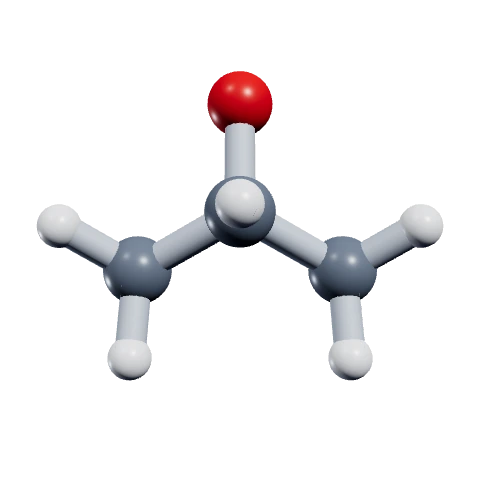
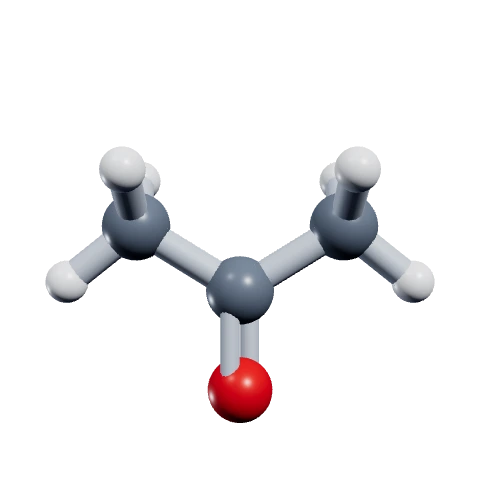
Solvents are a diverse class of chemical compounds used to dissolve, suspend, or extract other substances without undergoing a chemical change themselves. Our catalog includes high-purity alcohols, ketones, hydrocarbons, esters, and glycol ethers, ranging from ACS Reagent Grade for analytical laboratory use to Technical Grade for large-scale industrial processing. Common specific compounds in this category include Isopropyl Alcohol (CAS 67-63-0), Acetone (CAS 67-64-1), and Methyl Ethyl Ketone (CAS 78-93-3).
Common Applications

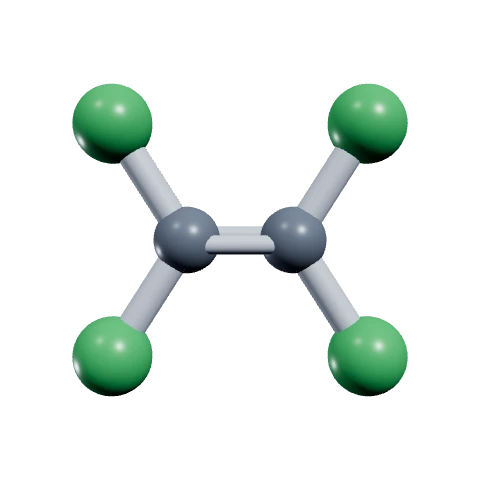
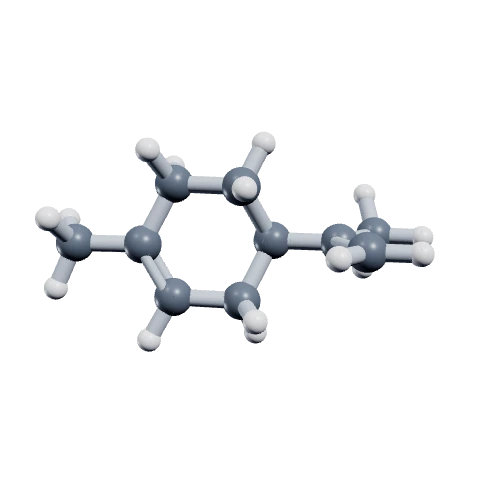
  • Industrial Degreasing: High-solvency fluids like Trichloroethylene (TCE) or D-Limonene are used to remove heavy oils and lubricants from metal components at ambient or elevated temperatures.
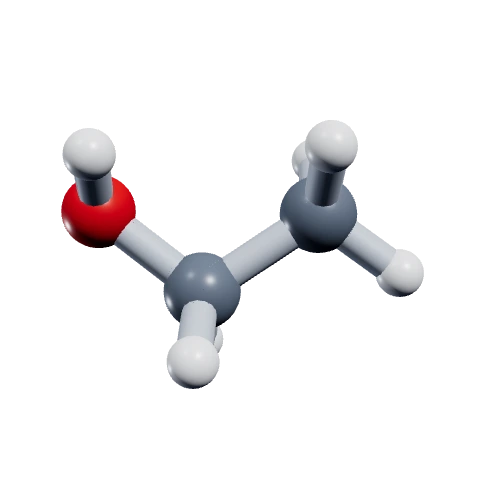
  • Botanical Extraction: High-purity solvents such as Hexane or 200 Proof Ethanol are utilized to isolate essential oils and cannabinoids via Soxhlet or supercritical methods.
  • Electronics Manufacturing: Precision cleaning of printed circuit boards (PCBs) using anhydrous Isopropyl Alcohol 99.9% to remove flux residues without leaving moisture.
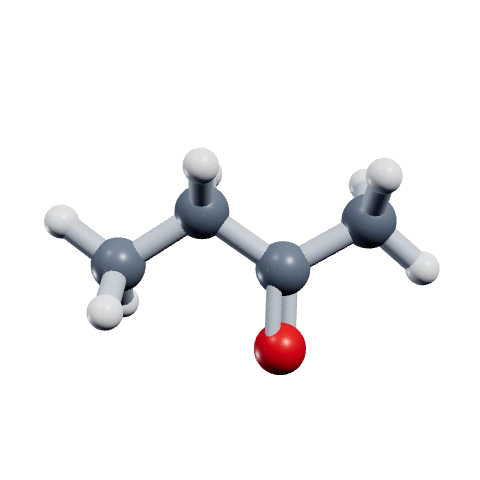
  • Polymer Processing: Utilizing Methyl Ethyl Ketone (MEK) or Acetone to vapor-smooth 3D printed parts or as a welding agent for ABS and PVC plastics.
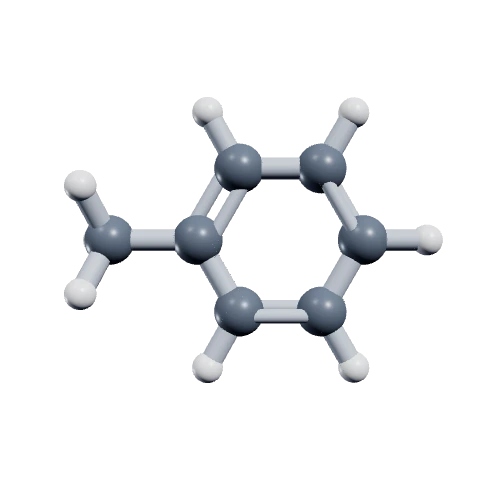
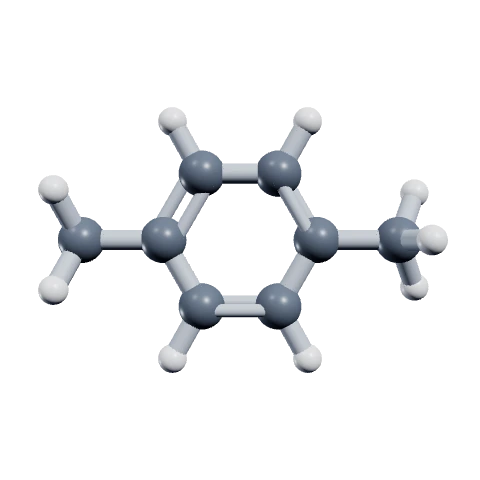
  • Coatings and Thinners: Aromatic hydrocarbons like Toluene and Xylene are used to adjust the viscosity of industrial paints, resins, and adhesives for spray applications.
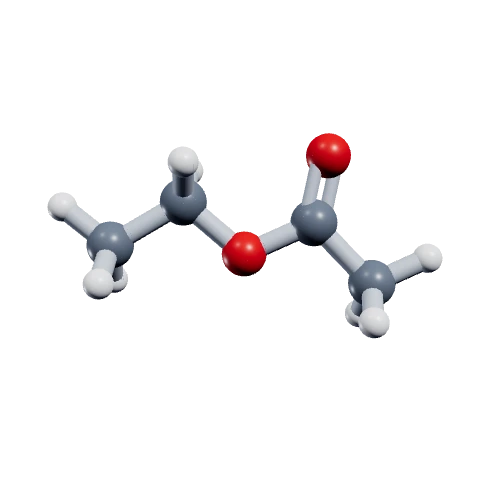
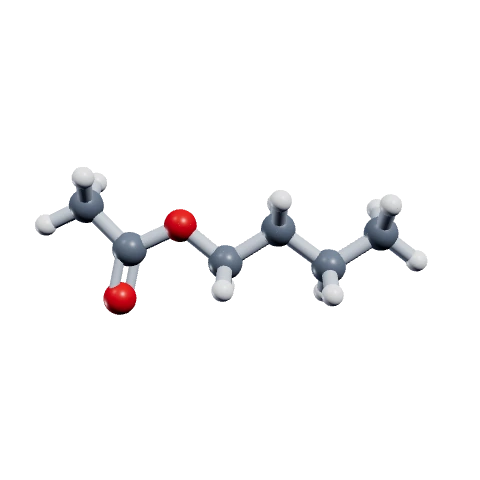
  • Automotive Finishing: N-Butyl Acetate serves as a medium-boiling solvent in topcoats to prevent blushing and ensure a high-gloss, level finish.

What We Carry

We provide solvents in a wide range of purity levels to meet specific regulatory and process requirements. Our inventory includes bulk quantities of Technical Grade for cost-effective industrial use, as well as ACS Reagent and HPLC grades for sensitive analytical work where trace impurities must be minimized.

Grade Purity Best For
ACS Reagent >99.5% Laboratory analysis, pharmaceutical synthesis, and critical cleaning.
HPLC/UV >99.9% Chromatography, spectrophotometry, and semiconductor manufacturing.
USP/FCC Meets Monograph Food-contact surfaces, personal care formulations, and medical devices.
Technical 95-98% General industrial cleaning, paint stripping, and large-scale degreasing.

Available packaging includes 1-quart bottles, 1-gallon jugs, 5-gallon pails, 55-gallon drums, and 275-gallon IBC totes.

Safety & Handling

Most industrial solvents are classified as GHS02 Flammable Liquids and GHS07 Exclamation Mark (Irritants). Proper PPE is mandatory, including chemical-resistant gloves (typically Nitrile, Butyl, or Viton depending on the solvent class), splash-resistant goggles, and adequate mechanical ventilation or organic vapor respirators. Storage must comply with NFPA 30 Flammable and Combustible Liquids Code, requiring solvents to be kept in cool, well-ventilated areas away from strong oxidizers and ignition sources. Handling must adhere to OSHA 29 CFR 1910.1200 (HazCom) and OSHA 29 CFR 1910.106 for flammable liquids. In the event of skin contact, flush with water for 15 minutes and remove contaminated clothing immediately. Always consult the Safety Data Sheets before use.

Sourcing & Quality

Shipped from Taylor, Texas — same-day on in-stock items.

COA included with every order. Certificate of Analysis documents lot-specific purity and specifications.

28 years serving 55,000+ customers including 244 federal contracts.

✓ SDS Included ✓ COA Available ⚡ Same-Day Shipping ★ No Minimum Order

Last updated: March 2026

Frequently Asked Questions

What is the difference between ACS Grade and Technical Grade solvents?
ACS Reagent Grade solvents meet or exceed the purity standards set by the American Chemical Society, typically requiring a purity of 99.5% or higher and strict limits on trace metals and residues. Technical Grade solvents are suitable for industrial applications like cleaning and degreasing where minor impurities do not interfere with the process. Selecting the wrong grade can result in equipment contamination in lab settings or unnecessary costs in industrial environments.
How should I store flammable solvents to remain compliant with NFPA 30?
Solvents classified as Class I, II, or III flammables must be stored in a cool, dry area away from direct sunlight and ignition sources. According to NFPA 30 and OSHA 29 CFR 1910.106, quantities exceeding 25 gallons of flammable liquids must be kept in a dedicated flammable storage cabinet. Ensure all containers are properly grounded and bonded during transfer to prevent static discharge.
Which solvent is best for vapor degreasing metal parts?
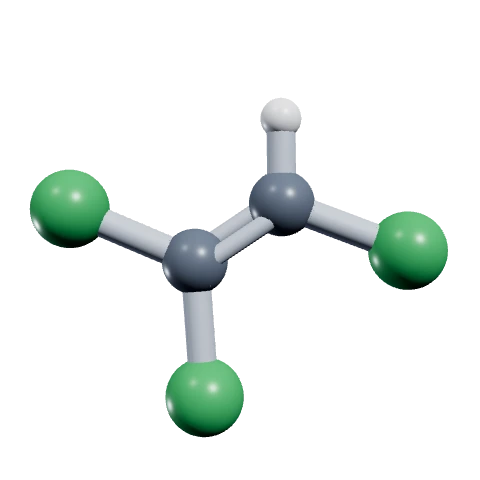
Trichloroethylene (TCE) (CAS 79-01-6) has historically been the standard for vapor degreasing due to its high solvency and non-flammable nature. However, due to evolving EPA regulations under the Toxic Substances Control Act (TSCA), users should verify current compliance deadlines. Technical Grade TCE is effective at removing heavy greases and oils from complex geometries in specialized degreasing equipment.
What solvent is recommended for 3D print smoothing and finishing?
Methyl Ethyl Ketone (MEK) and Acetone are the primary solvents used for post-processing 3D prints made from ABS (Acrylonitrile Butadiene Styrene). MEK provides a slightly slower evaporation rate than Acetone, allowing for more controlled smoothing of layer lines. For PLA prints, specific esters or chlorinated solvents may be required, though these are more aggressive and require higher safety precautions.
Can I use 70% Isopropyl Alcohol to clean electronics?
Cleaning sensitive electronics with 70% IPA is generally discouraged because the 30% water content can lead to corrosion or short circuits if not dried completely. For PCB and sensor cleaning, 99.9% Anhydrous ACS Grade Isopropyl Alcohol is the industry standard as it evaporates rapidly and leaves zero residue. Always ensure the device is powered down and capacitors are discharged before applying solvent.
What are the DOT shipping requirements for bulk solvents?
Bulk solvents are regulated as Hazardous Materials under DOT 49 CFR. Shipments typically fall under Class 3 (Flammable Liquids) or Class 6.1 (Toxic Substances), requiring specific UN-rated packaging, hazard labels, and shipping papers. Alliance Chemical ensures all solvent shipments comply with PHMSA regulations to prevent leaks and ensure carrier safety during transit.
Which solvent is safest for botanical essential oil extraction?
Food Grade (FCC) or USP Grade solvents are required for extractions intended for human consumption to ensure no toxic residues remain. High-purity N-Hexane (CAS 110-54-3) is common for high-efficiency industrial extractions, while 200 Proof Ethanol is preferred for craft-scale processing. Always verify the Certificate of Analysis (COA) to ensure the solvent is free from harmful denaturants like methanol.
How do I dispose of waste solvents according to EPA RCRA guidelines?
Waste solvents are typically classified as Ignitable (D001) or F-listed hazardous waste under the Resource Conservation and Recovery Act (RCRA). They must never be poured down drains; instead, they should be collected in labeled, closed containers for pick-up by a licensed hazardous waste disposal contractor. EPA 40 CFR Part 262 requires small and large quantity generators to track waste via the e-Manifest system.