



MEK or acetone — which do you actually need? See the head-to-head on evaporation, strength, safety, and cost → MEK vs. Acetone: Which Solvent Do You Need?
What is MEK (Methyl Ethyl Ketone)?
Understand methyl ethyl ketone properties, industrial solvent applications, safety requirements, and available grades for your facility.
Alliance Chemical supplies methyl ethyl ketone (MEK) in technical grade and multiple pack sizes, from quarts to drums, shipped from our Taylor, TX warehouse, with the Certificate of Analysis on request at no charge.
What is MEK? Meaning and Chemical Identity
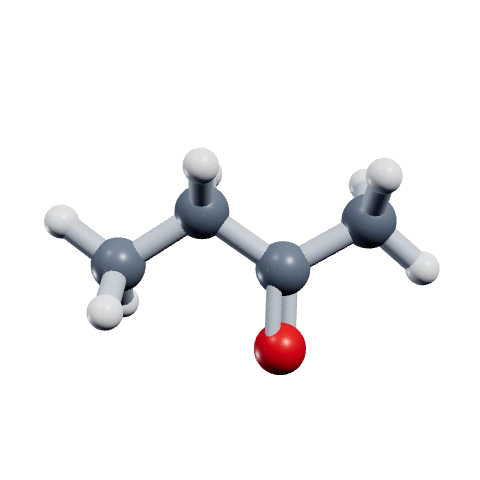
Methyl ethyl ketone (MEK) is a clear, colorless, highly volatile liquid organic compound. The MEK meaning in organic chemistry refers to its specific molecular structure: a central ketone carbonyl group bonded to one methyl group and one ethyl group. Its systematic IUPAC name is 2-butanone, and its chemical formula is C4H8O. With a molecular weight of 72.11, it is a relatively small, highly active molecule. Plant operators and formulators rely on this chemical because it is an exceptionally powerful MEK solvent. It aggressively dissolves a wide range of synthetic resins, gums, cellulose acetate, and nitrocellulose.
This makes it a foundational ingredient in industrial chemical manufacturing, surface coatings, and heavy-duty adhesives. The structure of methyl ethyl ketone provides a unique balance of hydrophilic and lipophilic properties. The carbonyl oxygen can participate in hydrogen bonding, which explains why it is miscible with water and various alcohols. Meanwhile, the hydrocarbon chain allows it to interact effectively with non-polar organic materials.
When evaluating what is MEK for a specific facility application, engineers look at its rapid evaporation rate and strong solvency power. It acts as a viscosity reducer in high-solids coatings, allowing for smoother application without compromising the final film build. Because it is a liquid at room temperature, it pumps and transfers easily through standard industrial piping, provided the equipment is rated for highly flammable solvents. We supply this chemical to operations ranging from automotive paint formulation to pharmaceutical extraction. Understanding the fundamental chemical identity of methyl ethyl ketone is the first step in optimizing its use in your production line.
What are the physical properties and volatility profile of MEK?
The physical properties of methyl ethyl ketone dictate its behavior in formulations and its handling requirements on the plant floor. MEK boils at 79.6°C (175.3°F) and melts at -86°C (-122.8°F). This relatively low boiling point translates to a fast evaporation rate, which is highly desirable in applications requiring rapid drying times, such as printing inks and industrial finishes. As a clear volatile liquid, it leaves no residue upon evaporation, ensuring a clean finish on manufactured parts.
The volatility of this MEK solvent also presents specific operational challenges. It has a flash point of -3°C (26°F). This extremely low flash point means that it can form ignitable vapor-air mixtures at standard room temperatures. Operators must implement strict temperature controls and eliminate all potential ignition sources in areas where the solvent is stored, transferred, or applied. The vapor is heavier than air and can travel along the ground to distant ignition sources.
In terms of appearance, methyl ethyl ketone is a pale, colorless, mobile liquid. Its low viscosity allows for rapid mixing and blending in large-scale batch reactors. When formulating with MEK, chemists must account for its molecular weight of 72.11 to calculate precise molar ratios, especially in reactive systems or complex solvent blends. The combination of high solvency, low boiling point, and low viscosity makes it an aggressive, fast-acting component. Facilities utilizing this chemical must balance the efficiency of its rapid evaporation against the safety requirements dictated by its flammability profile. Proper engineering controls, including explosion-proof ventilation and grounded transfer equipment, are mandatory when working with a solvent possessing a -3°C flash point.
What are the industrial applications of MEK solvent?
The primary industrial value of methyl ethyl ketone lies in its aggressive solvency. As a heavy-duty MEK solvent, it is a critical component in the manufacturing of surface coatings, vinyl films, and nitrocellulose lacquers. Formulators use it to dissolve tough resins that resist milder solvents. In the automotive and aerospace industries, it serves as a primary thinner and viscosity modifier for high-performance paints. The fast evaporation rate ensures that coatings dry quickly, reducing bottlenecking in high-volume production lines.
Beyond coatings, methyl ethyl ketone is widely used in the adhesives industry. It acts as the carrier solvent for contact cements, PVC cements, and rubber-based adhesives. When the adhesive is applied, the solvent flashes off rapidly, allowing the polymer chains to lock together and form a strong bond. It is also utilized as a chemical welding agent for specific plastics, effectively melting the surface of the polymer to create a seamless joint.
In chemical manufacturing, MEK functions as an extraction solvent. Pharmaceutical companies and specialty chemical producers use it to separate target compounds from complex mixtures. Its ability to dissolve both polar and non-polar substances makes it highly effective in these extraction processes. Additionally, maintenance teams rely on methyl ethyl ketone as a heavy-duty cleaning agent. It strips uncured resins, fiberglass epoxies, and stubborn grease from mixing tanks, spray guns, and application equipment. Because it evaporates completely, it does not leave a film that could contaminate subsequent batches. Whether used as a primary formulation ingredient or a critical maintenance cleaner, this solvent provides unmatched performance in dissolving difficult organic materials.
How does MEK compare to N-Butyl Acetate in evaporation and solvency?
Formulators frequently compare methyl ethyl ketone against other industrial solvents to achieve the perfect balance of solvency and drying time. A common comparison is MEK versus n-butyl acetate. Both are effective organic solvents, but their physical properties dictate different use cases. Methyl ethyl ketone has a boiling point of 79.6°C (175.3°F) and a molecular weight of 72.11. In contrast, n-butyl acetate (CAS 123-86-4) is a larger molecule with a chemical formula of C6H12O2 and a molecular weight of 116.16.
This structural difference significantly impacts their volatility. N-butyl acetate boils at a much higher temperature of 126°C (258.8°F). Consequently, n-butyl acetate evaporates much slower than MEK. When a formulator needs a coating to dry rapidly, they will increase the proportion of methyl ethyl ketone in the solvent blend. If the coating requires a longer wet edge or open time to allow for leveling and prevent blushing, they will incorporate n-butyl acetate to retard the evaporation rate.
Flammability is another critical distinction. MEK has a highly flammable flash point of -3°C (26°F). N-butyl acetate has a higher flash point of 22°C (71.6°F). While both require strict safety protocols, the higher flash point of n-butyl acetate makes it slightly less hazardous regarding room-temperature ignition. Both solvents are colorless, volatile liquids, but n-butyl acetate has a characteristic odor, whereas MEK has a sharp, sweet, mint-like acetone odor. By blending these two solvents, chemists can precisely engineer the evaporation curve and solvency profile of their industrial coatings, inks, and adhesives.
What are the solubility and miscibility characteristics of MEK?
The solubility profile of methyl ethyl ketone makes it an exceptionally versatile tool for chemical formulators. It is highly miscible with water and a wide variety of alcohols. This high water miscibility is a defining characteristic that separates it from many other hydrocarbon solvents. Because it can bridge the gap between aqueous and organic phases, it is frequently used as a co-solvent in complex formulations. When blending water-reducible coatings or specialized cleaning solutions, the addition of MEK helps stabilize the mixture and prevents phase separation.
In addition to water and alcohols, this MEK solvent is fully miscible with most common organic solvents, including aromatics, aliphatics, esters, and ethers. This broad compatibility allows formulators to create custom solvent blends tailored to specific resin systems. For example, it can be combined with toluene or xylene to optimize the dissolution of heavy industrial polymers. The molecular structure of methyl ethyl ketone—specifically the polar carbonyl group combined with the non-polar alkyl chain—enables it to interact with a diverse range of chemical functional groups. It effectively dissolves acrylics, alkyds, epoxies, and polyurethanes.
This universal solvency is why it is stocked in bulk by paint manufacturers and chemical packagers. However, operators must account for its water miscibility during storage. If left in unsealed containers in humid environments, the solvent can absorb atmospheric moisture. This water uptake can alter the solvent's performance, potentially causing blushing in clear coats or reducing its effectiveness in moisture-sensitive polyurethane systems. Maintaining tightly sealed drums and utilizing desiccant breathers on bulk tanks prevents unwanted moisture absorption.
What are the safety, handling, and storage protocols for MEK?
Handling methyl ethyl ketone requires strict adherence to industrial safety protocols due to its extreme flammability. With a flash point of -3°C (26°F), the liquid generates sufficient vapor to ignite at standard room temperatures. Facilities must store this chemical in tightly closed, approved containers within a cool, dry, and well-ventilated area. Storage locations must be kept away from direct sunlight, heat sources, open flames, and incompatible materials such as strong oxidizing agents.
Because it is a highly volatile clear liquid, vapor accumulation is a significant risk. The vapors are heavier than air and can pool in low-lying areas, trenches, or sumps, creating an invisible explosion hazard. To mitigate static electricity buildup during transfer operations, all drums, totes, and pumping equipment must be properly grounded and bonded. Static discharge is a common ignition source for low-flash-point solvents. When pumping MEK, operators should use explosion-proof motors and non-sparking tools.
Personal protective equipment (PPE) is mandatory when handling this solvent. Operators must wear chemical-resistant gloves, splash-proof safety goggles, and protective clothing to prevent skin and eye contact. Prolonged skin exposure can strip natural oils, leading to severe dryness and dermatitis. Inhalation of high vapor concentrations can cause central nervous system depression, dizziness, and respiratory irritation. If ventilation is inadequate to maintain vapor concentrations below occupational exposure limits, approved respiratory protection must be worn. For specific regulatory data, including the exact hazard class, UN number, and packing group, consult the linked SDS for your specific product. Emergency response teams should use alcohol-resistant foam, dry chemical, or carbon dioxide to extinguish MEK fires, as straight water streams may be ineffective and spread the burning liquid.
Selecting the Right Grade: Technical vs. ACS
Alliance Chemical stocks methyl ethyl ketone in multiple grades to meet the specific purity requirements of different industries. Selecting the correct grade ensures optimal performance while managing procurement costs. Technical Grade MEK is the standard choice for bulk industrial applications. It is manufactured to a high level of purity (100% concentration) and is ideal for heavy-duty cleaning, paint thinning, adhesive formulation, and general chemical manufacturing. For facilities producing surface coatings, fiberglass resins, or industrial degreasers, the Technical Grade provides the aggressive solvency and rapid evaporation required without the premium cost associated with laboratory-certified chemicals.
Conversely, ACS Grade MEK is required for highly sensitive applications. This grade meets or exceeds the stringent purity standards established by the American Chemical Society (ACS). It is a volatile clear liquid, colorless and mobile, with guaranteed low levels of trace impurities, moisture, and non-volatile residue. ACS Grade is utilized in analytical laboratories, precise chemical synthesis, pharmaceutical manufacturing, and semiconductor processing. In these environments, even microscopic contaminants can interfere with analytical results, poison catalysts, or degrade the quality of the final product.
When ordering, consider the end-use application. If the solvent is being used to wash down a resin mixing tank, Technical Grade is the efficient choice. If it is being used as a mobile phase in chromatography or as an extraction solvent for active pharmaceutical ingredients, ACS Grade is mandatory. Our team can assist purchasing decision-makers in selecting the appropriate grade and packaging size—from 1-gallon jugs to 55-gallon drums—to support their specific operational requirements.
| Property | Methyl Ethyl Ketone (MEK) | N-Butyl Acetate |
|---|---|---|
| CAS Number | 78-93-3 | 123-86-4 |
| Formula | C4H8O | C6H12O2 |
| Molecular Weight | 72.11 | 116.16 |
| Boiling Point | 79.6°C (175.3°F) | 126°C (258.8°F) |
| Melting Point | -86°C (-122.8°F) | -78°C (-108.4°F) |
| Flash Point | -3°C (26°F) | 22°C (71.6°F) |
Frequently Asked Questions
What is MEK?
Methyl ethyl ketone (MEK) is a clear, colorless, highly volatile liquid organic solvent used industrially to dissolve resins, coatings, and adhesives.
What is the MEK meaning in chemistry?
The meaning refers to its chemical structure: a central ketone carbonyl group bonded to one methyl group and one ethyl group. Its systematic name is 2-butanone.
Is MEK solvent miscible with water?
Yes, methyl ethyl ketone is highly miscible with water and various alcohols, making it a versatile co-solvent in complex chemical formulations.
What is the boiling point of methyl ethyl ketone?
MEK has a boiling point of 79.6°C (175.3°F), which contributes to its fast evaporation rate in industrial applications.
How does MEK compare to n-butyl acetate?
MEK evaporates much faster due to its lower boiling point of 79.6°C, whereas n-butyl acetate boils at 126°C and provides a slower evaporation rate.
What are the storage requirements for MEK?
Due to its flash point of -3°C (26°F), it must be stored in tightly closed, grounded containers in a cool, well-ventilated area away from all ignition sources.
Alliance Chemical stocks high-purity Methyl Ethyl Ketone (MEK) in both Technical and ACS grades to support your manufacturing, coating, and extraction processes. Explore our catalog to find the right packaging size for your facility.
Methyl Ethyl Ketone (MEK)Methyl Ethyl Ketone (MEK) ACS GradeN-Butyl AcetateReferences & Authoritative Sources
Chemical identity, properties, and safety data sourced from the U.S. National Library of Medicine's PubChem database — the authoritative open-chemistry data resource maintained by the National Institutes of Health.
- PubChem CID 6569: Methyl Ethyl Ketone (MEK) — National Center for Biotechnology Information, U.S. National Library of Medicine. CAS 78-93-3.
- PubChem CID 31272: N-Butyl Acetate — National Center for Biotechnology Information, U.S. National Library of Medicine. CAS 123-86-4.
Related from Alliance Chemical
Toluene 99.5%: The Complete Guide to Race-Gas Octane, Nitrocellulose Lacquer & Synthesis Solvent
The aromatic hydrocarbon at the intersection of race-fuel octane chemistry, nitrocellulose lacquer formulation, and organic-synthesis Grignard work.
Related: MEK vs. Acetone: Which Solvent Do You Actually Need? — a full head-to-head of the two most-confused shop solvents.
Related: Tert-Butyl Acetate (TBAc): The VOC-Exempt Solvent Guide — a counted VOC that TBAc frequently replaces.
Key numbers and sources
| Fact | Value | Source |
|---|---|---|
| Chemical formula of methyl ethyl ketone | C4H8O | pubchem.ncbi.nlm.nih.gov |
| CAS number of methyl ethyl ketone | 78-93-3 | pubchem.ncbi.nlm.nih.gov |
| Systematic IUPAC name of methyl ethyl ketone | 2-butanone | pubchem.ncbi.nlm.nih.gov |
| Molecular weight of methyl ethyl ketone | 72.11 | pubchem.ncbi.nlm.nih.gov |
| Boiling point of methyl ethyl ketone | 79.6°C | pubchem.ncbi.nlm.nih.gov |
| Flash point of methyl ethyl ketone | -3°C | pubchem.ncbi.nlm.nih.gov |
| Melting point of methyl ethyl ketone | -86°C | pubchem.ncbi.nlm.nih.gov |
Related: The Solvent That Let Bing Crosby Quit Live Radio: MEK, Magnetic Tape, and Why the Solvent Has to Leave — the 1948 story of how MEK and toluene put the oxide on the first Ampex tapes.
Frequently asked questions
What is MEK?
Methyl ethyl ketone (MEK) is a clear, colorless, highly volatile liquid organic solvent used industrially to dissolve resins, coatings, and adhesives.
What is the MEK meaning in chemistry?
The meaning refers to its chemical structure: a central ketone carbonyl group bonded to one methyl group and one ethyl group. Its systematic name is 2-butanone.
Is MEK solvent miscible with water?
Yes, methyl ethyl ketone is highly miscible with water and various alcohols, making it a versatile co-solvent in complex chemical formulations.
What is the boiling point of methyl ethyl ketone?
MEK has a boiling point of 79.6°C (175.3°F), which contributes to its fast evaporation rate in industrial applications.
How does MEK compare to n-butyl acetate?
MEK evaporates much faster due to its lower boiling point of 79.6°C, whereas n-butyl acetate boils at 126°C and provides a slower evaporation rate.
What are the storage requirements for MEK?
Due to its flash point of -4°C (24.8°F), it must be stored in tightly closed, grounded containers in a cool, well-ventilated area away from all ignition sources.
Related Chemical Collections
About the author
Andre Taki
This article is for informational purposes only.


