Carbonates and Related Compounds

Sort by:: Best Selling
Sort by: Best Selling
2 products

About Carbonates and Related Compounds

Carbonate and bicarbonate compounds are essential alkaline chemicals that serve as workhorses across numerous industries. These water-soluble salts excel at pH adjustment, neutralization reactions, and cleaning applications due to their buffering capacity and mild abrasive properties. From water treatment facilities to food processing plants, carbonates provide reliable performance for critical manufacturing processes.

Common Applications

  • Water Treatment: pH adjustment, water softening, and alkalinity control in municipal and industrial systems
  • Glass Manufacturing: Flux agent in glass production, reducing melting temperatures and improving workability
  • Food Processing: Leavening agent in baking, pH control in beverages, and processing aid in food manufacturing
  • Chemical Processing: Buffer systems, neutralization of acidic waste streams, and raw material for sodium compound synthesis
  • Cleaning Applications: Heavy-duty cleaning formulations, especially in winemaking operations where effective equipment cleaning is critical
  • Flue Gas Treatment: Removal of sulfur dioxide and other acidic emissions from industrial smokestacks

Available Grades and Forms

Our carbonate collection includes technical, FCC (Food Chemicals Codex), and USP (United States Pharmacopeia) grades to meet diverse quality requirements. Products are available as fine crystalline powders and granular forms. Understanding chemical grades helps ensure you select the right specification for your application.

Pack Sizes

We stock carbonates in multiple pack sizes from 1-pound containers up to 50-pound bags and bulk packaging for high-volume users. This flexibility accommodates everything from laboratory research to industrial production requirements.

Every carbonate product ships with complete Safety Data Sheets (SDS) and Certificates of Analysis (COA) for quality verification. With same-day shipping available and no minimum order requirements, Alliance Chemical makes it easy to maintain your carbonate inventory whether you need a single container or multiple pallets.

SDS Included COA Available Same-Day Shipping No Minimum Order

Frequently Asked Questions

What are carbonates and bicarbonates commonly used for in water treatment?
Carbonates and bicarbonates are primarily used to adjust pH and alkalinity in water treatment processes. They can neutralize acidic water, prevent corrosion in pipes, and aid in coagulation and flocculation. Alliance Chemical provides carbonates suitable for municipal and industrial water treatment applications, including Soda Ash for raising pH.
How do carbonates and bicarbonates function as pH adjusters?
Carbonates and bicarbonates act as buffers, meaning they resist changes in pH when acids or bases are added to a solution. They neutralize excess acidity or alkalinity, maintaining a stable pH level. Soda ash, for example, increases pH, while potassium bicarbonate is often used to maintain stability. Always use appropriate personal protective equipment (PPE) when handling pH adjusting chemicals.
Which industries commonly use carbonates and bicarbonates?
Carbonates and bicarbonates find applications in a wide range of industries, including water treatment, food and beverage processing, glass and ceramic manufacturing, pharmaceutical production, and flue gas desulfurization. They are versatile chemicals that contribute to various processes, such as pH control, cleaning, and raw material synthesis. Alliance Chemical provides high-quality carbonates tailored to meet the specific needs of these industries.
What are the safety precautions for handling carbonate and bicarbonate compounds?
While generally considered safe, carbonates and bicarbonates can cause irritation to the skin, eyes, and respiratory tract. It's crucial to wear appropriate personal protective equipment (PPE), such as gloves, goggles, and a respirator, when handling these compounds. Ensure adequate ventilation and avoid generating dust. Refer to the Safety Data Sheet (SDS) for detailed safety information and storage guidelines. Alliance Chemical provides SDS documents for all its products.
How should I store carbonates and bicarbonates properly?
Carbonates and bicarbonates should be stored in a cool, dry, and well-ventilated area away from incompatible substances such as strong acids. Keep containers tightly closed to prevent moisture absorption and contamination. Avoid storing them near sources of heat or ignition. Follow the specific storage instructions on the product label and SDS provided by Alliance Chemical.
What grades of carbonates and bicarbonates are available from Alliance Chemical?
Alliance Chemical supplies various grades of carbonates and bicarbonates to meet diverse application requirements. These can include technical grade for industrial uses, food grade for food and beverage applications, and ACS grade for laboratory and research purposes. The specific grades available may vary depending on the compound. Refer to the product specifications for detailed information on purity and suitability for your specific needs.
What is Soda Ash and what are its primary uses?
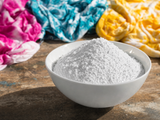
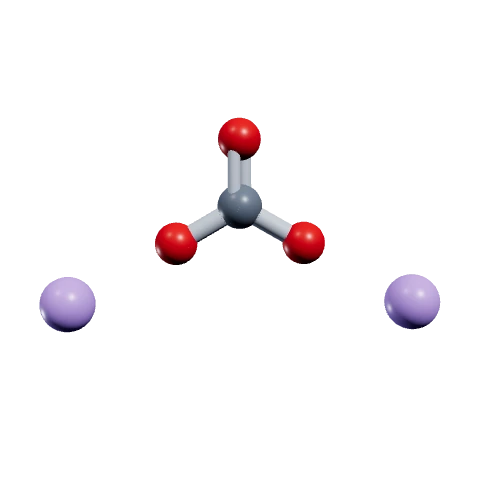
Soda Ash, also known as sodium carbonate (Na2CO3), is a white, odorless powder primarily used to raise the pH of water and to precipitate hardness. It finds widespread application in water softening and treatment, glass manufacturing, and as a cleaning agent. Alliance Chemical provides high-quality Soda Ash suitable for these applications, packaged in various sizes to meet your needs.
What are the common concentrations of Potassium Bicarbonate - FC that Alliance Chemical supplies?
Alliance Chemical supplies Potassium Bicarbonate - FC (Food Chemical Codex) in various package sizes according to customer needs. Common concentrations are essentially 100% as Potassium Bicarbonate is usually used as a dry solid. This product is well-suited to food processing applications and is available with Certificates of Analysis to verify its purity and meet regulatory requirements.
What are the differences between carbonate and bicarbonate compounds?
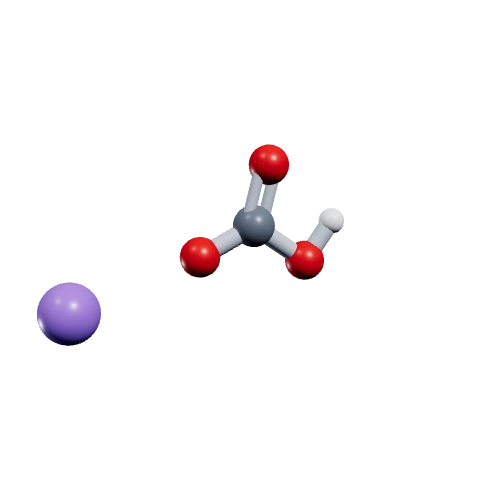
Carbonate compounds contain the CO3²⁻ ion, while bicarbonate compounds contain the HCO3⁻ ion. Bicarbonates have one additional hydrogen atom compared to carbonates. They exhibit slightly different chemical properties, affecting their reactivity and applications. For example, bicarbonate compounds are often used as buffering agents, while carbonates are suitable for adjusting pH and softening water.