

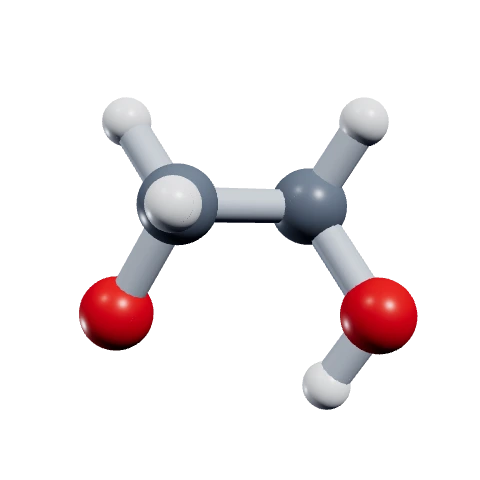


Expert guidance on choosing the right antifreeze concentration and formulation for snowmobiles, RVs, ATVs, and winter vehicles. Achieve -50°C freeze protection with properly inhibited ethylene glycol and propylene glycol coolants.
❄️ Why This Guide Matters
Selecting the wrong antifreeze concentration or formulation can result in catastrophic engine damage, frozen cooling systems, or accelerated corrosion in winter vehicles. Whether you're operating a snowmobile in -50°C arctic conditions, winterizing an RV, or maintaining an ATV for year-round use, understanding antifreeze chemistry, proper concentration selection, and the critical importance of corrosion inhibitors ensures reliable performance and extends equipment life. This comprehensive guide provides professional-grade technical information for making informed coolant decisions.
Understanding Antifreeze: Chemistry and Function
Antifreeze—also called coolant or engine coolant—is a concentrated chemical solution added to vehicle cooling systems to prevent freezing in cold temperatures, raise the boiling point in hot conditions, and protect metal components from corrosion. The two primary base chemicals used in automotive antifreeze are ethylene glycol and propylene glycol, each offering distinct performance characteristics and safety profiles.
How Antifreeze Works: Freezing Point Depression
Pure water freezes at 32°F (0°C), which would cause catastrophic damage to engine blocks, radiators, and cooling system components when solidified. Antifreeze works through a colligative property called freezing point depression—when glycol molecules are dissolved in water, they disrupt the formation of ice crystals, dramatically lowering the temperature at which the solution freezes solid.
Key principle: The freezing point depression is concentration-dependent. Higher glycol concentrations provide lower freeze protection, but only up to an optimal point (typically 60-70% glycol). Beyond 70%, protection actually decreases because pure glycol has a higher freezing point than properly mixed solutions.
The Three Critical Functions of Antifreeze
- Freeze protection: Prevents coolant from solidifying in sub-zero temperatures, which would crack engine blocks, split radiators, and rupture hoses
- Boil-over protection: Raises the boiling point above water's 212°F (100°C) to prevent overheating under load—a 50/50 mix boils at approximately 223°F (106°C) at 15 PSI
- Corrosion protection: Inhibitor packages protect aluminum, steel, copper, brass, and cast iron components from oxidation, electrolysis, and cavitation damage

Modern vehicle cooling systems require properly formulated antifreeze for freeze protection, heat transfer, and corrosion prevention
Ethylene Glycol vs Propylene Glycol: Complete Technical Comparison
The choice between ethylene glycol and propylene glycol antifreeze depends on performance requirements, safety considerations, environmental factors, and specific application needs. Both provide excellent freeze and boil protection, but differ in key properties.
Ethylene Glycol (C₂H₆O₂) - The High-Performance Standard
Chemical characteristics: Ethylene glycol is a colorless, odorless, sweet-tasting organic compound with superior thermal properties that make it the preferred choice for most automotive, snowmobile, and high-performance applications.
Performance advantages:
- Superior heat transfer: Lower viscosity and better thermal conductivity provide more efficient heat exchange—critical for high-RPM engines and extreme operating conditions
- Lower operating temperatures: Slightly better freeze protection at equivalent concentrations—a 60/40 ethylene glycol mix provides protection to approximately -60°F (-51°C)
- Cost-effective: Generally 20-30% less expensive than propylene glycol for equivalent protection levels
- Widespread availability: Standard formulation used by virtually all automotive manufacturers
- Proven long-term stability: Decades of engineering data supporting 5+ year service life with proper inhibitor packages
Safety considerations:
- Highly toxic: Ethylene glycol is poisonous if ingested—as little as 2-4 ounces can be fatal to an adult human
- Sweet taste is dangerous: The pleasant taste makes it attractive to children and pets—thousands of pet poisonings occur annually
- Environmental hazard: Toxic to aquatic life and wildlife—spills require proper cleanup and disposal
- Strict disposal regulations: Classified as hazardous waste in most jurisdictions—cannot be dumped down drains or into ground
Propylene Glycol (C₃H₈O₂) - The Safer Alternative
Chemical characteristics: Propylene glycol is a Generally Recognized As Safe (GRAS) compound used in food, pharmaceuticals, and cosmetics. It provides comparable freeze/boil protection with significantly reduced toxicity.
Performance characteristics:
- Non-toxic formulation: Classified as GRAS by FDA—safe for incidental food contact and low toxicity if accidentally ingested
- Environmental advantages: Biodegradable, less harmful to aquatic ecosystems, lower environmental impact
- Safe for RV potable water systems: Approved for winterizing freshwater tanks, lines, and fixtures
- Pet and wildlife safe: Dramatically reduces risk of poisoning from spills or leaks
- Similar freeze protection: A 50/50 propylene glycol mix provides protection to approximately -26°F (-32°C); 60/40 to approximately -51°F (-46°C)
Performance trade-offs:
- Slightly higher viscosity: Can reduce heat transfer efficiency by 5-10% compared to ethylene glycol—may affect cooling capacity in extreme high-performance applications
- Lower boiling point: Approximately 5-8°F lower boiling point than ethylene glycol at equivalent concentrations
- Higher cost: Typically 20-40% more expensive than ethylene glycol
- Limited availability: Not as widely stocked at retail—may require specialty supplier
Side-by-Side Technical Comparison
| Property | Ethylene Glycol | Propylene Glycol | Significance |
|---|---|---|---|
| Molecular Formula | C₂H₆O₂ | C₃H₈O₂ | Propylene glycol has one additional carbon |
| Molecular Weight | 62.07 g/mol | 76.09 g/mol | Affects concentration calculations |
| Specific Gravity | 1.113 | 1.036 | Ethylene glycol is denser |
| Viscosity @ 68°F | 16.1 cP | 48.6 cP | Propylene glycol is 3x more viscous—affects pumping and heat transfer |
| Boiling Point | 387°F (197°C) | 370°F (188°C) | Pure glycol boiling points (diluted mixes are lower) |
| Freezing Point | 8°F (-13°C) | -74°F (-59°C) | Pure glycol—NOT recommended without dilution |
| 50/50 Mix Freeze Point | -34°F (-37°C) | -26°F (-32°C) | Ethylene glycol provides slightly better protection |
| 60/40 Mix Freeze Point | -60°F (-51°C) | -51°F (-46°C) | Both provide excellent extreme cold protection |
| Heat Transfer Efficiency | Excellent | Good (5-10% lower) | Ethylene glycol cools more efficiently |
| Toxicity Rating | Highly toxic | Low toxicity (GRAS) | Major safety difference |
| LD50 (Oral, Rat) | 4,700 mg/kg | 20,000 mg/kg | Propylene glycol is 4x less toxic |
| Environmental Impact | Toxic to aquatic life | Low toxicity, biodegradable | Disposal and spill considerations |
| Typical Cost (per gallon) | $8-12 | $12-18 | Ethylene glycol more economical |
| Typical Color Coding | Green, orange, yellow, pink | Pink, orange | Color indicates inhibitor type, not glycol type |
| Service Life (inhibited) | 5 years / 150,000 miles | 5 years / 150,000 miles | Equivalent when using extended-life inhibitors |
💡 Choosing Between Ethylene and Propylene Glycol
Choose Ethylene Glycol for:
- Snowmobiles, ATVs, motorcycles (closed systems, minimal exposure risk)
- High-performance engines requiring maximum heat transfer
- Passenger vehicles and trucks (standard automotive use)
- Cost-sensitive applications where safety risks are managed
- Extreme cold climates requiring maximum freeze protection
Choose Propylene Glycol for:
- RV potable water system winterization
- Environments with children or pets present
- Marine applications (boats, jet skis) with potential environmental discharge
- Solar thermal systems
- Food processing equipment cooling loops
- Applications where safety regulations mandate low-toxicity formulations

Proper antifreeze concentration and formulation are critical for protecting cooling systems in extreme winter conditions
Antifreeze Concentration Selection: The Critical Decision
Selecting the proper antifreeze concentration is the single most important decision for protecting your vehicle's cooling system. Too little glycol provides inadequate freeze protection; too much glycol actually reduces protection and impairs heat transfer. Understanding the freeze protection curve and matching concentration to your operating environment is essential.
The Concentration vs Freeze Point Curve
Antifreeze protection does NOT increase linearly with concentration. In fact, protection reaches a maximum at approximately 60-70% glycol concentration, then decreases as concentration approaches 100%. This counterintuitive relationship exists because pure glycol has a higher freezing point than properly mixed solutions.
Why this matters: Using 100% pure antifreeze without dilution provides protection only to about 8°F (-13°C) for ethylene glycol—far worse than a 50/50 mix. Always dilute concentrated antifreeze to the manufacturer's recommended ratio.
Complete Concentration Protection Chart
| Glycol % | Water % | Freeze Point (Ethylene Glycol) | Boiling Point @ 15 PSI | Best Applications |
|---|---|---|---|---|
| 100% | 0% | 8°F (-13°C) | 387°F (197°C) | ❌ NOT RECOMMENDED - Poor freeze protection and heat transfer |
| 70% | 30% | -64°F (-53°C) | 235°F (113°C) | Extreme arctic conditions (scientific expeditions, polar operations) |
| 60% | 40% | -60°F (-51°C) | 226°F (108°C) | ✅ Snowmobiles, extreme winter climates, -50°C requirement |
| 50% | 50% | -34°F (-37°C) | 223°F (106°C) | ✅ Standard automotive, most winter conditions, best balance |
| 40% | 60% | -12°F (-24°C) | 216°F (102°C) | Mild winter climates, minimal freeze risk |
| 30% | 70% | 5°F (-15°C) | 210°F (99°C) | Southern climates with occasional freezing |
| 20% | 80% | 19°F (-7°C) | 204°F (95°C) | Minimal freeze protection (not recommended for winter) |
Note: Propylene glycol concentrations provide approximately 5-9°F less freeze protection than equivalent ethylene glycol concentrations. Boiling points are also approximately 5-8°F lower.
How to Select the Right Concentration for Your Climate
Determine Your Minimum Expected Temperature
Identify the coldest temperature your vehicle will experience. Don't use average winter temperatures—use the record low or extreme forecast temperatures. For snowmobiles and winter recreational vehicles, consider wind chill and altitude effects. Arctic and mountain environments can see -40°F to -60°F (-40°C to -51°C) temperatures.
Add a Safety Margin
Always select protection at least 10-15°F below your minimum expected temperature. If your region experiences -30°F lows, choose protection to -45°F minimum. This safety margin accounts for localized cold spots in the engine (water pump inlet, lower radiator tank) and protects against unexpected temperature drops.
Match Concentration to Protection Level
Use the chart above to select the appropriate glycol concentration. For -50°C (-58°F) protection as requested in snowmobile applications, a 60/40 mix (60% glycol, 40% water) provides protection to -60°F (-51°C)—exceeding the -50°C requirement with appropriate safety margin.
Consider Heat Transfer Requirements
High-performance engines, snowmobiles, and motorcycles generate significant heat. While 60/40 provides maximum freeze protection, ensure your cooling system capacity can handle the slightly reduced heat transfer compared to 50/50. Most modern systems compensate easily, but older or marginal systems may require additional cooling capacity.
Verify with Testing Equipment
After mixing and filling, always verify your actual freeze protection using a refractometer or hydrometer. These inexpensive tools measure the refractive index or specific gravity of your coolant, providing accurate freeze protection readings. Never rely on mixing calculations alone—always test.
Pre-Mixed vs Concentrated Antifreeze: Which to Buy?
Pre-Mixed 50/50 (Ready-to-Use):
- Advantages: Convenient, no mixing required, guaranteed proper ratio, pre-mixed with deionized water
- Disadvantages: More expensive per unit of protection, fixed concentration (only -34°F protection), heavier to transport, takes more storage space
- Best for: Convenience-oriented users, passenger vehicles in moderate climates, quick top-offs
Concentrated 100% (Requires Dilution):
- Advantages: Flexible concentration for custom protection levels, more economical (50% cost savings vs pre-mixed), lighter to transport, less packaging waste
- Disadvantages: Requires measuring and mixing, need access to distilled or deionized water, risk of mixing errors
- Best for: Extreme cold climates requiring 60/40, snowmobiles, RVs, bulk users, professional applications
✅ Recommended Products for -50°C Snowmobile Protection
For achieving -50°C (-58°F) freeze protection in snowmobiles and extreme winter vehicles, Alliance Chemical offers:
Option 1: Concentrated for Custom Mixing (RECOMMENDED)
- 100% Ethylene Glycol Inhibited - Mix at 60% glycol / 40% distilled water for -60°F protection
- Most economical and flexible solution
- Allows precise adjustment for extreme conditions
Option 2: Enhanced Pre-Mixed (for easier use)
- Ethylene Glycol 60/40 - Pre-mixed to -60°F protection, ready to use
- No mixing required, guaranteed correct concentration
- Ideal for snowmobile users who prefer convenience
Option 3: Standard Pre-Mixed (mild climates)
- Ethylene Glycol 50/50 - Standard -34°F protection
- Suitable for most passenger vehicles and moderate winter conditions
Application-Specific Recommendations by Vehicle Type
Different winter vehicles have unique cooling system requirements, operating conditions, and protection needs. This section provides detailed guidance for major vehicle categories.

Snowmobiles and winter recreational vehicles demand specialized antifreeze formulations for reliable operation in extreme conditions
Snowmobiles: Extreme Cold and High Performance
Operating environment: Snowmobiles operate in the harshest conditions—extreme cold (-40°F to -60°F), high RPM operation, temperature cycling from sub-zero to operating temperature within minutes, and exposure to snow ingestion and road salt.
Cooling system characteristics:
- Liquid-cooled 2-stroke and 4-stroke engines: Most modern snowmobiles use liquid cooling with aluminum cylinder heads and blocks
- Heat exchangers: Utilize snow contact for heat dissipation—requires excellent low-temperature fluidity
- Small coolant capacity: Typically 1-3 quarts total system capacity
- High operating temperatures: Engines reach 180-200°F but must start and operate in extreme cold
Recommended antifreeze specifications:
- Concentration: 60/40 (60% glycol, 40% water) for -60°F (-51°C) protection
- Type: Ethylene glycol with OAT (Organic Acid Technology) inhibitors for aluminum protection
- Color: Typically green or pink depending on manufacturer specification
- Service interval: Replace every 2 years or 5,000 miles minimum due to extreme operating conditions
Critical considerations:
- Never use automotive 50/50 antifreeze—insufficient freeze protection
- Use distilled water for mixing—tap water minerals accelerate corrosion in aluminum engines
- Check coolant level before every ride—small leaks become critical quickly
- Verify freeze protection with refractometer annually—degraded coolant loses protection
- Drain and replace coolant if exposed to salt spray from roads
ATVs and UTVs: Year-Round Extreme Use
Operating environment: All-terrain vehicles face dust, mud, temperature extremes, vibration, and variable loads. Many operate year-round in both winter and summer conditions.
Recommended specifications:
- Concentration: 50/50 for general use; 60/40 for extreme winter operation
- Type: Ethylene glycol with hybrid OAT inhibitors (HOAT) for universal protection
- Service interval: Replace every 2-3 years or per manufacturer schedule
Special considerations:
- Ensure radiator and cooling fins are clean—mud buildup causes overheating
- Check coolant recovery tank level regularly—vibration causes losses
- Use OEM-recommended coolant type—many ATVs specify particular inhibitor formulations
- Consider upgrading to higher-capacity radiator if operating in extreme conditions
RVs and Motorhomes: Multi-System Protection
Unique requirements: RVs require antifreeze for both engine cooling and potable water system winterization—two completely different applications with different product requirements.
Engine Cooling System:
- Concentration: 50/50 for most climates; 60/40 if stored or used in extreme cold
- Type: Ethylene glycol matching chassis manufacturer specification (often Dex-Cool/OAT for GM, green IAT for older Ford)
- Capacity: Large systems (20-30 quarts) require significant antifreeze volume
- Service interval: Follow chassis manufacturer schedule (typically 5 years/150,000 miles for extended-life coolants)
Potable Water System Winterization:
- Type: ONLY propylene glycol—ethylene glycol is toxic and illegal for potable water systems
- Concentration: Typically 30-50% propylene glycol depending on expected temperature
- Application: Pump through all water lines, faucets, shower, toilet, water heater (if applicable)
- Volume required: 2-5 gallons depending on system size
- Spring de-winterization: Flush thoroughly with fresh water before use
⚠️ Critical RV Safety Warning
NEVER use ethylene glycol antifreeze in RV potable water systems. Ethylene glycol is highly toxic and can cause serious illness or death if ingested. Always use propylene glycol (food-grade/RV antifreeze) for winterizing freshwater tanks, lines, and fixtures. Ethylene glycol should only be used in engine cooling systems—never in water systems intended for human consumption.
RV winterization procedure:
- Drain all freshwater tanks, water heater, and holding tanks
- Bypass water heater (consult RV manual for bypass valve location)
- Connect antifreeze supply to water pump inlet
- Turn on water pump and open each faucet (hot and cold) until pink antifreeze appears
- Flush toilet until antifreeze appears in bowl
- Run shower until antifreeze flows
- Pour 1 cup antifreeze down each drain to protect P-traps
- Add antifreeze to holding tank to cover sensors and prevent freeze damage
Passenger Vehicles and Light Trucks: Standard Protection
Recommended specifications for winter climates:
- Concentration: 50/50 provides -34°F protection—adequate for most winter driving
- Type: Follow manufacturer specification precisely—modern vehicles specify particular inhibitor chemistry
- Common types: IAT (green), OAT (orange/red Dex-Cool), HOAT (yellow/gold), Asian (pink/blue)
- Service interval: Extended-life (OAT/HOAT): 5 years/150,000 miles; Conventional (IAT): 2 years/30,000 miles
Extreme cold climate modifications:
- Upgrade to 60/40 if consistently below -20°F
- Consider engine block heater installation
- Check battery health—cold reduces cranking capacity
- Verify thermostat operation—stuck-open thermostats prevent proper warm-up
Motorcycles and Scooters: Compact Systems
Recommended specifications:
- Concentration: 50/50 standard; 60/40 for winter riding
- Type: Ethylene glycol with OAT inhibitors for aluminum engines
- Important: Many motorcycles have very small coolant capacity (1-2 quarts)—even small leaks are critical
- Service: Replace every 2 years or per manufacturer schedule
The Critical Importance of Corrosion Inhibitors
Pure glycol and water mixture provides freeze and boil protection, but offers ZERO corrosion protection. In fact, without inhibitors, glycol-water solutions accelerate corrosion and electrolysis, causing catastrophic cooling system damage within months. Corrosion inhibitor packages are the unsung heroes of antifreeze formulations.
What Corrosion Inhibitors Do
Primary functions:
- Prevent oxidation: Inhibit oxygen-driven corrosion of iron and steel components
- Protect aluminum: Form protective oxide layers on aluminum surfaces (critical for modern engines)
- Prevent electrolysis: Neutralize electrical currents that accelerate metal degradation
- Control cavitation: Prevent bubble collapse damage on water pump impellers
- Maintain pH buffering: Keep coolant slightly alkaline (pH 8.0-9.0) to prevent acidic corrosion
- Seal minor leaks: Some inhibitors swell gaskets and seals to maintain system integrity
Major Inhibitor Technology Types
| Inhibitor Type | Chemistry | Color | Life Span | Best Applications |
|---|---|---|---|---|
| IAT (Inorganic Additive Technology) |
Silicates, phosphates, borates | Green (traditional) | 2-3 years / 30,000 mi | Older vehicles (pre-2000), cast iron engines, universal applications |
| OAT (Organic Acid Technology) |
Organic acids (sebacate, 2-EHA) | Orange, red, pink | 5 years / 150,000 mi | GM Dex-Cool, modern aluminum engines, extended service |
| HOAT (Hybrid OAT) |
Organic acids + silicates | Yellow, gold, turquoise | 5 years / 150,000 mi | Chrysler, Ford, European vehicles, universal compatibility |
| Si-OAT (Silicated OAT) |
Organic acids + silicates | Blue, pink | 5 years / 150,000 mi | Asian manufacturers (Toyota, Honda, Nissan), aluminum protection |
| P-OAT (Phosphated OAT) |
Organic acids + phosphates | Pink, blue | 5 years / 150,000 mi | Asian manufacturers, hard water areas (phosphates prevent mineral deposits) |
Why Inhibitor Chemistry Matters
Material compatibility: Different metals require different inhibitor chemistries. Aluminum engines benefit from silicates but can be damaged by high phosphate levels. Cast iron engines tolerate phosphates well. Copper and brass radiators (older vehicles) require specific inhibitors to prevent dezincification.
Mixing compatibility: Mixing different inhibitor types can cause precipitation, reducing protection or clogging cooling passages. While most modern coolants claim "universal compatibility," best practice is to use the manufacturer-specified type and avoid mixing.
⚠️ Never Mix Ethylene and Propylene Glycol Antifreeze
While both provide freeze protection, ethylene glycol and propylene glycol antifreeze formulations use different inhibitor packages optimized for each base chemical. Mixing creates incompatible inhibitor chemistry that can cause:
- Inhibitor precipitation and loss of corrosion protection
- Gelation and cooling system blockages
- Accelerated component corrosion
- Unpredictable freeze protection levels
If you must change antifreeze type (e.g., switching from ethylene to propylene glycol for safety), completely flush the system first with water and refill with the new antifreeze type. Never simply top off one type with another.
How to Identify Your Required Inhibitor Type
Check Owner's Manual
The most reliable source is your vehicle's owner's manual or service manual. Look for the "Cooling System" or "Specifications" section. Manufacturers specify exact coolant types (e.g., "Motorcraft Gold Concentrated Antifreeze/Coolant" or "GM Dex-Cool").
Inspect Coolant Reservoir
Many vehicles have a label on the coolant overflow tank specifying required coolant type. Look for stickers indicating "OAT," "Dex-Cool," "Long Life," or specific part numbers.
Identify by Color (with Caution)
Color provides a HINT but is not definitive—some manufacturers use different colors for the same chemistry. General guidelines: Green = IAT, Orange/Red = OAT, Yellow/Gold = HOAT, Pink/Blue = Asian formulas. Always verify chemistry, not just color.
Contact Manufacturer or Dealer
If uncertain, contact your vehicle manufacturer's customer service or local dealer parts department. Provide your VIN (Vehicle Identification Number) for precise specification lookup.
Proper Antifreeze Mixing and Filling Procedures
Correct mixing and filling procedures ensure proper freeze protection, prevent air pockets, and maximize cooling system life.
How to Mix Concentrated Antifreeze
Calculate Required Volume
Determine your cooling system capacity from your owner's manual (typically 10-18 quarts for passenger vehicles, 1-3 quarts for snowmobiles). For 50/50 mix, you need equal parts concentrate and water. For 60/40 mix (60% glycol), multiply total capacity by 0.6 to get concentrate volume needed.
Example: 12-quart snowmobile system needing 60/40 protection: 12 × 0.6 = 7.2 quarts concentrate + 4.8 quarts water
Use Distilled or Deionized Water
Critical: Never use tap water for mixing antifreeze. Tap water contains minerals (calcium, magnesium, iron) that react with inhibitors, form scale deposits, and accelerate corrosion. Use only distilled or deionized water available at grocery stores, auto parts stores, or through industrial chemical suppliers.
Mix in Clean Container
Use a clean bucket, mixing jug, or directly in the vehicle radiator (if filling from empty). Pour glycol first, then add water while stirring. This prevents concentration gradients that can settle over time.
Verify Concentration
Use a refractometer or antifreeze hydrometer to verify freeze protection level. These inexpensive tools provide accurate readings in seconds. Never rely solely on mixing calculations—always test the final mixture.
Cooling System Filling Procedure
Drain Old Coolant Completely
Open radiator drain petcock (usually at bottom corner of radiator) or remove lower radiator hose. Drain into collection pan for proper disposal. Many engines have block drain plugs on side of engine block—drain these too for complete fluid removal.
Flush System (If Necessary)
If coolant is contaminated (rust, oil, sludge) or changing antifreeze type, flush system with clean water. Run engine with plain water for 10-15 minutes, drain completely, and repeat until water runs clear. Consider using commercial cooling system flush product for heavily contaminated systems.
Close Drains and Fill Slowly
Reinstall drain plugs and hoses. Pour mixed antifreeze slowly into radiator opening or coolant reservoir (consult manual for proper fill point). Filling too quickly traps air in system.
Bleed Air from System
Air pockets prevent proper circulation and cause overheating. Methods to remove air:
- Open bleed valves (if equipped) on heater hoses or high points in system
- Squeeze upper radiator hose while filling to help air escape
- Run engine with radiator cap off until thermostat opens and coolant circulates
- Rev engine to 2,500 RPM briefly to help push air out
Top Off and Test
After initial fill and bleeding, coolant level will drop as air is purged. Top off to proper level, install radiator cap, and run engine until fully warmed up. Check for leaks, verify temperature gauge reads normally, and top off coolant reservoir to COLD FULL mark after engine cools.
Recheck After First Drive
After first operation, remaining air will be purged causing slight level drop. Recheck coolant level when engine is cold and top off as needed. Verify freeze protection with tester.
Testing Antifreeze Concentration
Refractometer (most accurate):
- Place 2-3 drops of coolant on refractometer prism
- Close cover plate and look through eyepiece at light source
- Read freeze protection temperature directly from scale
- Wipe clean with soft cloth between tests
- Accuracy: ±2°F; works for both ethylene and propylene glycol (use appropriate scale)
Hydrometer (float-style):
- Draw coolant into hydrometer tube using bulb
- Float will rise to specific gravity level
- Read freeze protection from scale on float
- Note: Less accurate than refractometer, affected by temperature, separate scales for ethylene/propylene glycol
Test strip (least accurate):
- Dip test strip in coolant for specified time
- Compare color change to chart on package
- Accuracy: ±10°F; acceptable for quick checks but not precise
Safety, Handling, and Environmental Considerations
Antifreeze, particularly ethylene glycol, is a hazardous chemical requiring proper handling, storage, and disposal procedures. Understanding safety protocols protects your family, pets, and the environment.
Ethylene Glycol Safety Requirements
⚠️ Ethylene Glycol is Highly Toxic
Ingestion hazard: Ethylene glycol is poisonous and potentially fatal if swallowed. As little as 2-4 ounces can kill an adult human; even smaller amounts are lethal to children and pets. The sweet taste makes it attractive and dangerous—thousands of pet poisonings occur annually.
Symptoms of poisoning: Initial symptoms resemble alcohol intoxication (confusion, poor coordination, slurred speech), progressing to metabolic acidosis, kidney failure, and death within 24-72 hours without treatment.
Emergency response: If ingestion is suspected, seek immediate medical attention. Call Poison Control (1-800-222-1222) or go to emergency room. Do not induce vomiting. Treatment involves ethanol or fomepizole administration to prevent metabolism of ethylene glycol into toxic metabolites.
Safe handling practices:
- Store securely: Keep antifreeze in original labeled containers in locked cabinets away from children and pets
- Clean spills immediately: Use absorbent materials (kitty litter, sand) to soak up spills—never leave puddles that animals might drink
- Wash hands after use: Antifreeze is absorbed through skin—wear gloves and wash thoroughly after handling
- Use funnels and drip pans: Prevent spills during filling and draining operations
- Label clearly: If transferring to secondary containers, label prominently "POISON" and "ANTIFREEZE"
- Keep away from food/drink: Never store antifreeze near food, drinks, or food preparation areas
Pet safety:
- Cats and dogs are attracted to antifreeze's sweet taste
- As little as 1 teaspoon can be fatal to a 10-pound cat
- 2-3 tablespoons can kill a 20-pound dog
- Clean garage floors and driveways of any drips or puddles
- Consider switching to propylene glycol antifreeze for reduced toxicity
Propylene Glycol Safety (Lower Toxicity Alternative)
Reduced hazard profile:
- GRAS status: Generally Recognized As Safe by FDA—used in food, pharmaceuticals, cosmetics
- Lower acute toxicity: LD50 is approximately 4x higher than ethylene glycol
- Less attractive to pets: Bitter taste reduces likelihood of consumption
- Safer for environment: Biodegradable, less harmful to aquatic ecosystems
Still requires caution:
- Not completely non-toxic—large quantities can still cause illness
- Proper storage and handling still required
- Do not ingest or allow pets access to containers
- Clean spills promptly to prevent slipping hazards
Proper Disposal Requirements
Antifreeze is classified as hazardous waste in most jurisdictions and requires proper disposal procedures:
What NOT to do:
- ❌ Never pour antifreeze down household drains, toilets, or sinks
- ❌ Never dump antifreeze on the ground, in storm drains, or into waterways
- ❌ Never mix antifreeze with other automotive fluids (oil, gasoline, brake fluid)
- ❌ Never place antifreeze containers in household trash
Proper disposal methods:
- ✅ Recycling centers: Many communities operate household hazardous waste (HHW) collection facilities that accept used antifreeze
- ✅ Auto parts stores: Some auto parts retailers accept used antifreeze for recycling (call ahead to verify)
- ✅ Service stations: Some gas stations and repair shops accept used antifreeze from customers
- ✅ Municipal collection events: Many cities hold periodic hazardous waste collection days
- ✅ Antifreeze recycling services: Commercial recycling companies process used antifreeze for reuse
Storage before disposal:
- Store used antifreeze in sealed, labeled containers (original jugs work well)
- Keep separate from other fluids—do not mix with oil or other waste
- Store in secure area away from children, pets, and heat sources
- Check for leaks periodically—used antifreeze may contain contaminants that corrode containers
Environmental Impact and Regulations
Waterway contamination:
- Ethylene glycol is toxic to aquatic life—even small amounts contaminate streams and ponds
- Fish kills can occur from antifreeze discharge
- Groundwater contamination persists for years
- Propylene glycol is biodegradable but still requires proper disposal
Legal penalties:
- Illegal dumping of antifreeze violates federal and state environmental laws
- Fines range from $500 to $25,000+ depending on jurisdiction and volume
- Criminal prosecution possible for large-scale or repeated violations
- Civil liability for cleanup costs and environmental damage
Frequently Asked Questions
Q: What concentration do I need for -50°C protection in my snowmobile?
A: For -50°C (-58°F) freeze protection, use a 60/40 mixture (60% glycol, 40% water). This provides freeze protection to approximately -60°F (-51°C), exceeding your -50°C requirement with an appropriate safety margin. For snowmobiles and extreme winter recreational vehicles, we recommend 100% Ethylene Glycol Inhibited mixed with 40% distilled water, or pre-mixed Ethylene Glycol 60/40 for convenience. Standard 50/50 automotive antifreeze provides protection only to -34°F (-37°C)—insufficient for arctic snowmobile operation.
Q: Can I mix different brands or colors of antifreeze?
A: Not recommended. While many modern coolants claim "universal compatibility," mixing different inhibitor chemistries can cause precipitation, loss of corrosion protection, and reduced effectiveness. Color indicates inhibitor type (green = IAT, orange = OAT, etc.), and mixing incompatible types reduces protection. Best practice: stick with the manufacturer-specified coolant type and avoid mixing. If you must top off with a different brand, ensure it uses the same inhibitor technology (e.g., both OAT-based). If changing coolant types entirely, flush the system completely first.
Q: Why can't I use 100% pure antifreeze without diluting it?
A: Using 100% pure antifreeze is actually WORSE than using a proper mixture. Pure ethylene glycol freezes at approximately 8°F (-13°C)—far warmer than a 50/50 mix (-34°F). Additionally, pure glycol provides poor heat transfer due to its high viscosity and low thermal conductivity, causing engines to overheat. The optimal concentration for maximum freeze protection is 60-70% glycol; concentrations above or below this range provide less protection. Always dilute concentrated antifreeze to manufacturer recommendations (typically 50/50 for most vehicles, 60/40 for extreme cold).
Q: Should I use ethylene glycol or propylene glycol for my RV?
A: It depends on the application:
- Engine cooling system: Use ethylene glycol following your chassis manufacturer's specification. Ethylene glycol provides better heat transfer and is standard for automotive cooling systems.
- Potable water system winterization: ONLY use propylene glycol (RV antifreeze). Ethylene glycol is highly toxic and illegal for use in drinking water systems. Propylene glycol is non-toxic (GRAS rated) and safe for incidental contact with potable water lines.
Never mix these applications—ethylene glycol in the engine, propylene glycol in water lines. They are not interchangeable.
Q: How often should I replace antifreeze in my snowmobile or ATV?
A: For snowmobiles and ATVs operating in extreme conditions, replace coolant every 2 years or 5,000 miles, whichever comes first. Severe operating conditions (extreme temperatures, high RPM, dusty environments) degrade inhibitors faster than normal automotive use. Signs your coolant needs replacement:
- Color change (green turning brown, orange turning rusty)
- Visible rust, debris, or particles in coolant
- Oily film on coolant surface (head gasket leak)
- Freeze protection tests below specification
- Overheating issues despite proper fill level
Modern extended-life coolants (OAT/HOAT) in passenger vehicles can last 5 years/150,000 miles, but severe-duty recreational vehicles benefit from more frequent changes. Always verify freeze protection annually with a refractometer.
Q: Can I top off my cooling system with water if the coolant is low?
A: Only in emergencies, and only temporarily. Adding water dilutes your antifreeze concentration, reducing both freeze and boil protection. A small amount of distilled water (1 cup or less) won't significantly affect protection, but repeated topping-off can lower concentration dangerously. Always use the correct antifreeze mixture for top-offs when possible. If you must add water in an emergency (overheating, stuck roadside), add distilled water and test/correct concentration as soon as possible. Never add tap water—minerals cause corrosion and scale formation.
Q: What's the difference between green, orange, pink, and other colored antifreeze?
A: Color indicates inhibitor chemistry but is not standardized across all manufacturers:
- Green: Traditional IAT (Inorganic Additive Technology)—older formulation, 2-3 year life, universal compatibility with older vehicles
- Orange/Red: OAT (Organic Acid Technology)—GM Dex-Cool standard, 5-year life, excellent aluminum protection
- Yellow/Gold: HOAT (Hybrid OAT)—Ford/Chrysler/European standard, 5-year life, combines silicate + organic acids
- Pink/Blue: Asian vehicle formulas (Toyota/Honda/Nissan)—silicated or phosphated OAT, 5-year life
Important: Color is a hint but not definitive. Some manufacturers use different colors for the same chemistry. Always verify inhibitor type from product specifications or manufacturer recommendations rather than relying solely on color.
Q: Is antifreeze required if I live in a warm climate that never freezes?
A: Yes—antifreeze is essential even in warm climates, but primarily for boil-over protection and corrosion prevention rather than freeze protection. Plain water boils at 212°F (100°C), while 50/50 antifreeze mix boils at 223°F (106°C) at 15 PSI—critical for preventing overheating under load. More importantly, water alone provides ZERO corrosion protection and will rust/corrode aluminum, steel, and iron engine components within months. Inhibited antifreeze prevents oxidation, electrolysis, and cavitation damage that destroys water pumps and corrodes engine blocks. Even tropical climates require at least 30-50% antifreeze concentration for corrosion protection and boil-over margin.
Q: How do I winterize my RV's freshwater system?
A: RV potable water winterization prevents freeze damage to tanks, lines, pumps, and fixtures. Follow this procedure:
- Drain all freshwater tanks completely
- Drain water heater and bypass it (use bypass valves to prevent filling heater with antifreeze)
- Connect propylene glycol RV antifreeze supply to water pump inlet or use pump intake tube method
- Turn on water pump
- Open each faucet (hot and cold) until pink antifreeze flows out—typically 1-2 quarts per fixture
- Flush toilet until antifreeze appears
- Run shower until antifreeze flows
- Pour 1 cup antifreeze down each drain to protect P-traps
- Add 1-2 gallons antifreeze to holding tanks to cover sensors
- Turn off pump and leave faucets slightly open to prevent freeze damage from expansion
Volume required: Typically 2-5 gallons depending on RV size. Use propylene glycol rated for your lowest expected temperature (usually -50°F protection is adequate for most climates).
Alliance Chemical: Your Winter Protection Partner
🧪 Professional-Grade Antifreeze Solutions
Alliance Chemical supplies high-quality inhibited antifreeze and coolant formulations for demanding winter applications. Our products meet or exceed ASTM specifications for automotive, recreational vehicle, and industrial cooling systems.
Ethylene Glycol Products:
- 100% Ethylene Glycol Inhibited – Concentrated for custom mixing, maximum flexibility, protection to -60°F when mixed 60/40
- Ethylene Glycol 60/40 – Pre-mixed to -60°F protection, ideal for snowmobiles and extreme cold applications
- Ethylene Glycol 50/50 – Standard automotive protection to -34°F, ready to use
Propylene Glycol Products (Non-Toxic Alternative):
- 100% Propylene Glycol Inhibited – Safe for RV potable water systems, pet-friendly, environmentally responsible
- Ideal for RV winterization, marine applications, and environmentally sensitive areas
Specialty Products:
- Arctic Assist – Advanced freeze protection fluid for extreme conditions
Quality Specifications:
- ✅ ASTM D3306 compliant (automotive antifreeze standard)
- ✅ Corrosion inhibitor packages for aluminum, steel, copper, brass protection
- ✅ Available in quantities from 1 quart to bulk totes
- ✅ Complete technical documentation and Certificates of Analysis available
- ✅ Free technical support for concentration and application guidance
Technical Support Available:
Our applications team provides complimentary consultation for:
- Antifreeze concentration selection for your climate and vehicle type
- Dilution calculations and mixing procedures
- Inhibitor type compatibility verification
- Bulk pricing and fleet/commercial accounts
Related Reading
📞 Need Help Selecting the Right Antifreeze?
Every winter application has unique requirements that affect optimal antifreeze selection. Our technical team provides complimentary consultation services including:
- Antifreeze concentration recommendations for your specific climate and vehicle type
- Dilution calculations and step-by-step mixing guidance
- Inhibitor type verification for your engine and cooling system materials
- RV winterization procedures and propylene glycol volume calculations
- Ethylene vs propylene glycol selection guidance based on safety and performance needs
- Freeze protection testing methodology and equipment recommendations
- Bulk pricing for fleet vehicles, rental operations, and commercial applications
Direct Technical Line: (512) 365-6838
Monday-Friday, 8:00 AM - 5:00 PM CT. Email your vehicle specifications, operating environment, and protection requirements for detailed antifreeze selection recommendations and pricing. We respond to all technical inquiries within one business day.
References & Authoritative Sources
Chemical identity, properties, and safety data sourced from the U.S. National Library of Medicine's PubChem database — the authoritative open-chemistry data resource maintained by the National Institutes of Health.
- PubChem CID 174: 100% Ethylene Glycol Inhibited — National Center for Biotechnology Information, U.S. National Library of Medicine. CAS 107-21-1.
- PubChem CID 1030: 100% Propylene Glycol Inhibited — National Center for Biotechnology Information, U.S. National Library of Medicine. CAS 57-55-6.
- PubChem CID 962: Deionized Water — National Center for Biotechnology Information, U.S. National Library of Medicine. CAS 7732-18-5.
Products in this guide: Ethylene Glycol 30/70 · Ethylene Glycol ACS Grade · Ethylene Glycol Inhibited ACS Grade · Ethylene Glycol Semiconductor Grade
Key numbers and sources
| Fact | Value | Source |
|---|---|---|
| Ethylene glycol molecular formula | C₂H₆O₂ | pubchem.ncbi.nlm.nih.gov |
| Propylene glycol molecular formula | C₃H₈O₂ | pubchem.ncbi.nlm.nih.gov |
| Ethylene glycol molecular weight | 62.07 g/mol | pubchem.ncbi.nlm.nih.gov |
| Propylene glycol molecular weight | 76.09 g/mol | pubchem.ncbi.nlm.nih.gov |
| Ethylene glycol boiling point | 387°F (197°C) | pubchem.ncbi.nlm.nih.gov |
| Propylene glycol boiling point | 370°F (188°C) | pubchem.ncbi.nlm.nih.gov |
| Ethylene glycol specific gravity | 1.113 | pubchem.ncbi.nlm.nih.gov |
| Propylene glycol specific gravity | 1.036 | pubchem.ncbi.nlm.nih.gov |
Related: NOAA Just Called a Very Strong El Niño. Here Is What That Does to a Glycol Loop in Texas — the same freeze-point curve on the plant side: winterizing closed loops for the El Niño winter of 2026–27.
Related: Why Water Splits Iron: The 1784 Quebec Shell Experiments and How Propylene Glycol Keeps Boats, RVs, Cabins and Loops Alive Through Winter — why a stored system needs far less glycol than one that runs all winter.
Frequently asked questions
Pre-Mixed vs Concentrated Antifreeze: Which to Buy?
Pre-Mixed 50/50 (Ready-to-Use): Advantages: Convenient, no mixing required, guaranteed proper ratio, pre-mixed with deionized water Disadvantages: More expensive per unit of protection, fixed concentration (only -34°F protection), heavier to transport, takes more storage space Best for: Convenience-oriented users, passenger vehicles in moderate climates, quick top-offs Concentrated 100% (Requires Dilution): Advantages: Flexible concentration for custom protection levels, more economical (50% ...
Related Chemical Collections
About the author
Andre Taki
This article is for informational purposes only.


