Product Overview
Ethylene Glycol Semiconductor Grade (CAS 107-21-1) is a clear, colorless, syrupy liquid — odorless, water-miscible, and denser than water. Buyers in semiconductor manufacturing, industrial heat transfer, and chemical processing order it where a glycol carrying the Semiconductor grade designation is specified for thermal management loops, heat transfer fluid make-up, antifreeze formulation, or solvent duty. Alliance Chemical packages it to order from our Taylor, Texas warehouse in sizes from 1 quart bottles for bench and QC work up to 55 gallon drums and 275 and 330 gallon totes for production systems.
Why This Concentration
The word that matters on this listing is the grade, not a dilution figure: this is ethylene glycol sold under the Semiconductor grade descriptor. Fabs, electronics cooling integrators, and process engineers who maintain tightly controlled thermal management systems typically write that designation into their purchasing specs because contamination tolerance in those loops is low. A grade label on its own is a procurement distinction, not a certification — so confirm fit the right way: pull the TDS for the published specifications and check the lot-specific COA against your own acceptance criteria before you commit a tote to a production loop. If your application is general antifreeze or heat transfer service rather than semiconductor work, the same chemistry applies; the grade designation simply signals the sourcing and documentation discipline your spec may require.
Chemical Profile
Ethylene glycol, formula C2H6O2 with a molecular weight of 62.07, presents as a clear, colorless syrupy liquid with no odor. It is denser than water — density 1.115 at 68 °F — so a spill sinks rather than floats, and because the liquid penetrates soil readily, containment matters: limit any release before it reaches groundwater or surface streams. It mixes freely with water, with solubility of 100 mg/mL or greater at 63.5 °F, which is why it blends predictably into water-based coolant and heat transfer fluid systems. Vapor pressure is low — 0.06 mmHg at 68 °F, rising to 1 mmHg at 127.4 °F — so evaporative loss from a closed loop is minimal. CAS Number 107-21-1 identifies the substance on the SDS, the COA, and your receiving paperwork.
Industrial Applications
-
Semiconductor thermal management. Ethylene glycol serves as a coolant in semiconductor manufacturing, circulating through temperature-control loops that hold fabrication equipment at its process setpoint. Its low vapor pressure keeps closed-loop losses down.
-
Heat transfer fluid. In industrial chillers, HVAC loops, and process heating and cooling circuits, ethylene glycol blended with water is the standard working fluid. Buyers running large systems typically draw from drums or totes for fluid make-up and seasonal changeouts.
-
Antifreeze service. Ethylene glycol depresses the freezing point of water, the basis of its long-standing use in automotive and industrial antifreeze formulations.
-
Solvent duty. It acts as a solvent in a range of chemical reactions and manufacturing processes where a water-miscible, low-volatility liquid is needed.
-
Plasticizer feedstock. The polymer industry uses ethylene glycol in the production of plastics and resins.
Handling & Storage
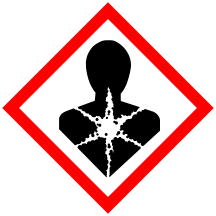
The GHS signal word for this product is Warning, with two hazard statements: H302, Harmful if swallowed, and H373, May cause damage to organs (kidneys) through prolonged or repeated exposure (per the product's GHS classification). Treat ingestion prevention seriously — never transfer glycol into unmarked or food-type containers, and keep it segregated from break areas. Wear gloves and goggles when handling, and work with ventilation adequate to the transfer task. Store in a cool, dry area out of direct sunlight, in HDPE or glass containers, away from strong oxidizing agents and acids. Because the liquid sinks in water and moves easily through soil, stage drums and totes over secondary containment and have absorbent on hand at the transfer point. This handling guidance is reviewed by Andre Taki, DOT Hazmat Specialist.
Hazmat & Shipping
This product carries no assigned UN number, no DOT hazard class, no packing group, and no proper shipping name (per 49 CFR 172.101) — it is not regulated as a hazardous material for ground transport. That classification governs only how the material is classed for shipping; it does not determine any carrier's fees, routing, service level, or a receiver's paperwork obligations, so confirm those details with your carrier and your own receiving procedures.
Documentation
An SDS ships with every order and is available in English, Spanish, French, and Japanese — useful when your EHS program or a multilingual crew needs the hazard communication in more than one language. A technical data sheet is available for the published product specifications, and a lot-specific Certificate of Analysis accompanies each lot, which is exactly the paper trail purity-driven buyers in semiconductor and electronics work rely on for incoming QC. Request any document before purchase if your qualification process requires review first.
Why Buy from Alliance Chemical
This listing runs the full packaging range a glycol buyer actually needs — 1 quart and 1 gallon for bench evaluation, 5 and 15 gallon for pilot loops, and 55 gallon drums through 275 and 330 gallon totes for production fluid management — all offered to order with SDS, TDS, and lot-specific COA support. Alliance Chemical has distributed industrial chemicals since 1998 and has served more than 55,000 customers, shipping from our warehouse at 204 S Edmond St, Taylor, Texas. Every page like this one, and the handling guidance on it, is reviewed by Andre Taki, DOT Hazmat Specialist.