HVAC & Geothermal

41 products
Filter
Sort by: Best Selling
Sodium Metabisulfite - ACS Grade

ACS Reagent Grade

Available sizes: 2 lbs.–50 Lbs.

From $34.20
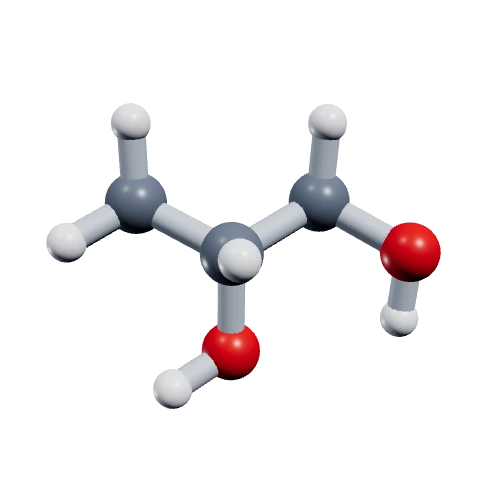
Propylene Glycol 50% – USP Grade (C3H8O2)

50%USP Grade

Available sizes: 1 Quart–330 Gallon

From $18.52
Propylene Glycol Inhibited ACS Grade

100%ACS Reagent Grade

Available sizes: 1 Quart–330 Gallon

From $25.00
Ethylene Glycol 30/70

30%Technical Grade

Available sizes: 1 Quart–330 Gallon

From $22.00
Inhibited Ethylene Glycol 50/50 with OAT-908 — Data...

50%Inhibited

Available sizes: 1 Quart–330 Gallon

From $29.00
Ethylene Glycol Inhibited ACS Grade

100%ACS Reagent Grade

Available sizes: 1 Quart–330 Gallon

From $26.00
50% Propylene Glycol Technical Grade

50%Technical Grade

Available sizes: 1 Quart–330 Gallon

From $20.94
50% Propylene Glycol Inhibited

50%Inhibited

Available sizes: 1 Quart–330 Gallon

From $21.63
Arctic Assist

100%Technical Grade

Available sizes: 1 Quart–330 Gallon

From $21.02
Inhibited Ethylene Glycol 40/60 with OAT-908 — Data...

40%Inhibited

Available sizes: 1 Quart–330 Gallon

From $26.00
Propylene Glycol 60% USP Grade

60%USP Grade

Available sizes: 1 Quart–330 Gallon

From $23.00
40% Propylene Glycol Inhibited

40%Inhibited

Available sizes: 1 Quart–330 Gallon

From $21.63
Inhibited Ethylene Glycol 35/65 with OAT-908 — Data...

35%Inhibited

Available sizes: 1 Quart–330 Gallon

From $24.00

About HVAC & Geothermal

Glycol-based coolants, antifreeze, and heat transfer fluids for HVAC systems, geothermal loops, and chiller applications.

Frequently Asked Questions

How do I choose between ethylene glycol and propylene glycol?
Choose the fluid specified for the system and application. Evaluate freeze protection, heat-transfer performance, equipment compatibility, applicable safety requirements, and whether the system has food-contact or other restricted-use considerations.
What glycol concentration should an HVAC or geothermal loop use?
The required concentration depends on the design freeze-protection target, operating temperatures, system water quality, and equipment requirements. Establish the concentration from the engineered design and verify it with the responsible operator or contractor.
Why does water quality matter in a glycol system?
Water quality can affect corrosion control, scale formation, and inhibitor performance. Use the water quality and fluid preparation requirements specified for the system rather than assuming all water sources are interchangeable.
What should be checked before adding or changing coolant?
Confirm the existing fluid type, inhibitor chemistry, materials compatibility, target concentration, and equipment manufacturer guidance. Review the product Safety Data Sheet and do not mix fluids without documented compatibility.