Environmental

Sodium Bisulfite, H2O2 & more — remediation chemicals

45 Products
Sort by:: Alphabetically, A-Z
Sort by: Alphabetically, A-Z

FILTERS

Chemical name
  • (1)
  • (1)
  • (3)
  • (4)
  • (2)
  • (4)
  • (2)
  • (10)
  • (1)
  • (2)
  • (8)
  • (1)
  • (1)
  • (5)
Grade
  • (10)
  • (3)
  • (29)
  • (1)
  • (2)
Percentage
  • (1)
  • (1)
  • (1)
  • (1)
  • (1)
  • (1)
  • (1)
  • (4)
  • (1)
  • (1)
  • (2)
  • (2)
  • (3)
  • (4)
  • (2)
  • (1)
  • (4)
  • (2)
  • (4)
  • (2)
  • (2)
  • (1)
  • (2)
Form
  • (1)
  • (2)
  • (28)
  • (1)
  • (1)
Industry
  • (5)
  • (1)
  • (8)
  • (6)
  • (35)
  • (7)
  • (27)

About Environmental

About Environmental Chemicals

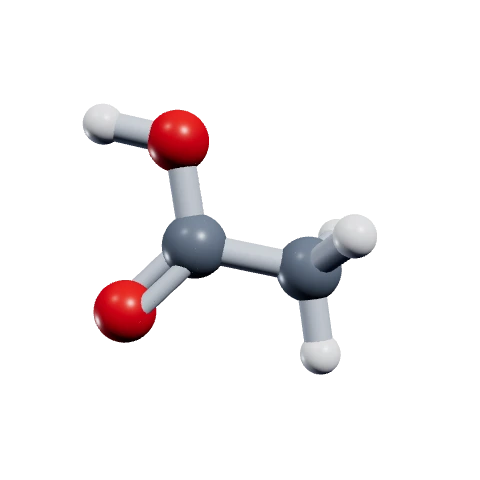
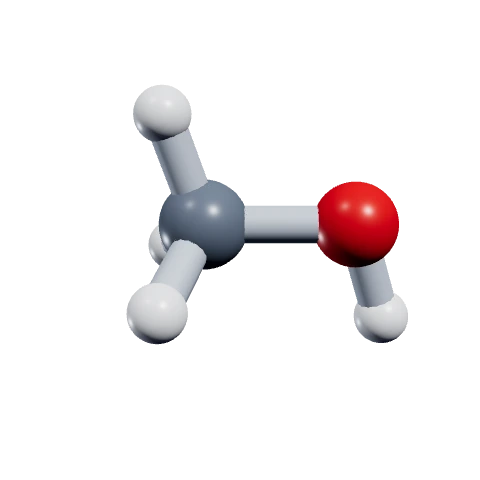
Environmental chemicals are high-purity reagents and industrial-strength compounds used for analytical testing, wastewater treatment, and site remediation. This category includes critical solvents such as Methanol (CAS 67-56-1) and Acetic Acid (CAS 64-19-7), alongside specialized solutions required for EPA-compliant air, water, and soil monitoring. These chemicals are formulated to meet the rigorous precision required by environmental testing laboratories and the scale required for large-scale municipal and industrial remediation projects.

Common Applications

  • Aflatoxin Testing: Utilizing 60/40 Methanol/DI Water ACS Grade solutions for the extraction and analysis of toxins in agricultural and environmental samples.
  • PFAS Remediation: Deploying specific chemical reagents and adsorbents for the treatment of per- and polyfluoroalkyl substances in groundwater.
  • Wastewater Dechlorination: Using sulfur-based reducing agents to neutralize residual chlorine before discharge into sensitive aquatic environments.
  • Soil Contamination Analysis: Employing high-purity solvents for VOC (Volatile Organic Compound) extraction in accordance with EPA Method 5035.
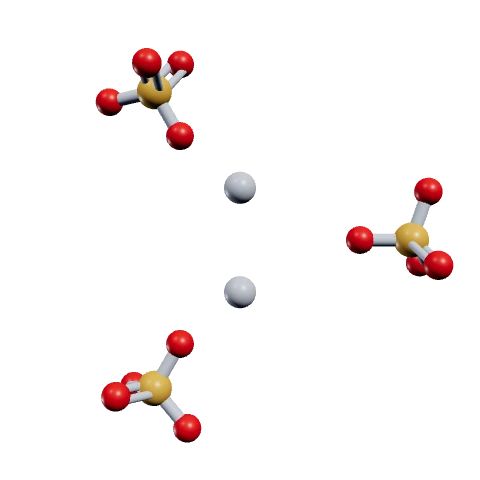
  • Phosphorus Removal: Dosing Aluminum Sulfate for the coagulation and precipitation of phosphorus in municipal wastewater systems.
  • Vegetation Control: Utilizing concentrated 30% to 75% Industrial Vinegar for non-selective, biodegradable weed control in sensitive environmental areas.
  • Stormwater Management: Adjusting the pH of runoff using concentrated acids or bases to meet NPDES (National Pollutant Discharge Elimination System) permit requirements.

What We Carry

Alliance Chemical stocks a comprehensive range of grades including ACS Reagent Grade for laboratory analysis, Technical Grade for industrial remediation, and custom aqueous solutions. We provide concentrations of Acetic Acid from 10% to 75% and Methanol/DI Water blends optimized for specific EPA analytical methods. Packaging options range from 1-gallon jugs and 5-gallon pails to 55-gallon drums and 275-gallon IBC totes.

Grade Purity / Standard Best For
ACS Reagent ≥99.5% or NIST Traceable EPA Method Lab Testing, Trace Analysis
HPLC/UV High Optical Clarity Chromatography, Environmental Monitoring
Technical Industrial Strength Wastewater Treatment, Soil Remediation

Safety & Handling

Handling environmental chemicals requires strict adherence to safety protocols due to the corrosive nature of concentrated acids and the flammability of solvents like Methanol. Methanol is classified as GHS02 (Flammable) and GHS06 (Acute Toxicity), while Concentrated Vinegar (Acetic Acid) is classified as GHS05 (Corrosive). Personnel must utilize appropriate PPE, including chemical-resistant gloves (Nitrile or Butyl), splash goggles, and face shields when handling bulk concentrates.

Storage must comply with OSHA 29 CFR 1910.1200 (HazCom) and NFPA 30 Flammable and Combustible Liquids Code. Ensure proper secondary containment is used to prevent spills from reaching soil or groundwater, in accordance with EPA RCRA (Resource Conservation and Recovery Act) standards. In case of accidental exposure, flush the affected area with water for at least 15 minutes and seek medical attention. Always consult the Safety Data Sheets before use.

Sourcing & Quality

Shipped from Taylor, Texas — same-day on in-stock items.

COA included with every order. Certificate of Analysis documents lot-specific purity and specifications.

28 years serving 55,000+ customers including 244 federal contracts.

✓ SDS Included ✓ COA Available ⚡ Same-Day Shipping ★ No Minimum Order

Last updated: March 2026

Frequently Asked Questions

What concentration of Methanol is required for EPA Method 5035 soil testing?
EPA Method 5035 typically requires high-purity, purge-and-trap grade Methanol to preserve soil samples for Volatile Organic Compound (VOC) analysis. Alliance Chemical provides a 60/40 Methanol/DI Water ACS Grade solution specifically formulated to minimize background interference and ensure compliance with municipal and federal testing standards. This high-purity reagent ensures that trace levels of contaminants are accurately detected without solvent-induced contamination.
How should hazardous environmental lab waste be disposed of according to RCRA?
Disposal of environmental testing reagents must follow EPA RCRA standards under 40 CFR Part 261. Flammable solvents like Methanol (D001) and corrosive acids like 75% Vinegar (D002) must be collected in approved hazardous waste containers and manifested for transport to a TSDF (Treatment, Storage, and Disposal Facility). Never discharge laboratory reagents into a septic system or municipal sewer without neutralizing to a pH between 5.5 and 9.0, and only if local POTW regulations allow.
Can industrial-strength vinegar be used for large-scale environmental remediation?
Yes, 30% to 75% Acetic Acid is frequently used in environmental remediation for pH adjustment of alkaline wastewater and as a biodegradable herbicide for vegetation management on reclaimed land. Unlike synthetic herbicides, Acetic Acid breaks down rapidly into carbon dioxide and water, reducing the risk of long-term soil toxicity. When used at these concentrations, it is classified as a DOT Corrosive Material (Class 8) and requires specialized handling and storage in polyethylene or stainless steel tanks.
What is the difference between Technical Grade and ACS Grade for environmental testing?
ACS Grade chemicals meet or exceed the purity standards set by the American Chemical Society and are required for EPA-certified analytical testing to ensure repeatability and accuracy. Technical Grade chemicals are suitable for field remediation, wastewater treatment, and general industrial applications where trace metal or organic impurities do not impact the efficacy of the process. For any quantitative analysis, ACS Grade is the mandatory standard to prevent false positives in laboratory results.
What OSHA standards govern the handling of environmental testing chemicals?
The primary standard is OSHA 29 CFR 1910.1200 (Hazard Communication), which requires all containers to be properly labeled and SDS to be readily accessible. Additionally, labs handling these chemicals must comply with 29 CFR 1910.1450 (Occupational Exposure to Hazardous Chemicals in Laboratories), which necessitates a written Chemical Hygiene Plan (CHP). Employers must also ensure that Methanol exposure does not exceed the PEL (Permissible Exposure Limit) of 200 ppm as an 8-hour time-weighted average.
How do I calculate the dilution of 75% Vinegar for pH adjustment in water treatment?
Dilution should be calculated using the C1V1 = C2V2 formula to reach the desired molarity for the target pH shift. For example, reducing the pH of a 1,000-gallon alkaline tank requires precise titration data because the logarithmic nature of pH means small additions can cause large shifts. Always add acid to water (AAA) to prevent exothermic splashing, particularly when working with high-concentration Acetic Acid or Mineral Acids.
What are the storage requirements for bulk Methanol solutions in a field setting?
Bulk Methanol must be stored in accordance with NFPA 30 guidelines, utilizing grounded and bonded containers to prevent static ignition. Because Methanol has a low flash point (11°C / 52°F), it must be kept away from heat, sparks, and open flames. Field storage should include secondary containment capable of holding 110% of the largest tank's volume to comply with EPA SPCC (Spill Prevention, Control, and Countermeasure) regulations.
Is Aluminum Sulfate safe for phosphorus removal in drinking water systems?
Aluminum Sulfate is widely used in municipal drinking water treatment as a primary coagulant to remove phosphorus and suspended solids. It must meet NSF/ANSI/CAN 60 standards for drinking water chemicals to ensure it does not introduce harmful levels of lead or arsenic. Proper dosing is critical; excess alum can lead to residual aluminum in the finished water, which is regulated by EPA secondary drinking water standards.