Metal Finishing & Surface Treatment

135 products
Filter
Sort by: Best Selling
Hydrogen Peroxide 30% ACS Grade

30%ACS Reagent Grade

Available sizes: 1 Quart–330 Gallon

From $25.82
Hydrochloric Acid 31% Technical Grade

31%Technical Grade

Available sizes: 1 Quart–330 Gallon

From $18.00
VM&P Naphtha

Technical Grade

Available sizes: 1 Quart–330 Gallon

From $17.53
Phosphoric Acid 75% USP Food Grade

75%USP Food Grade

Available sizes: 1 Quart–330 Gallon

From $18.00
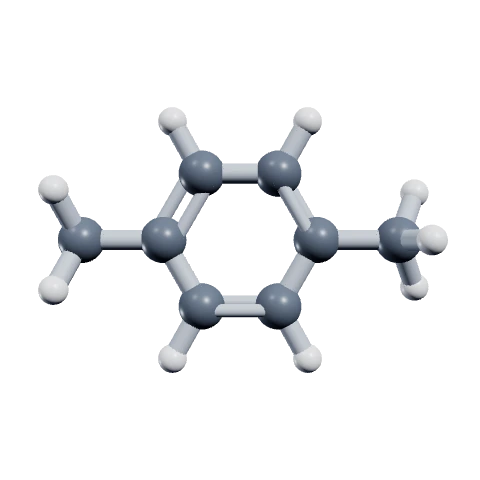
Xylene

Technical Grade

Available sizes: 1 Quart–55 Gallon

From $24.00
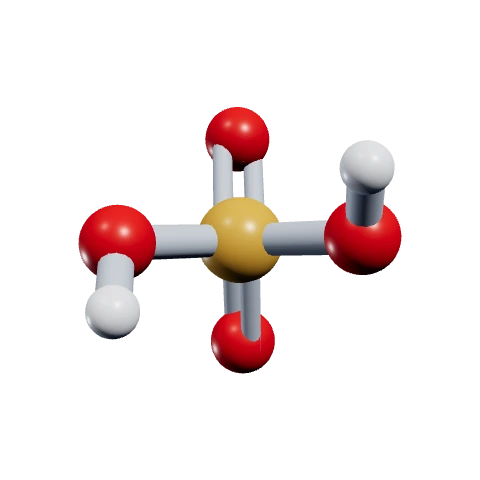
Sulfuric Acid 50% - Electrolyte Grade

50%Electrolyte Grade

Available sizes: 1 Quart–330 Gallon

From $29.70
Phosphoric Acid 75%

75%Technical Grade

Available sizes: 1 Quart–330 Gallon

From $18.00
Sodium Hydroxide 50% Solution ACS Grade

50%ACS Reagent Grade

Available sizes: 1 Quart–330 Gallon

From $22.09
Sodium Hydroxide Flakes

100%Technical Grade

Available sizes: 2 lbs.–55 Lbs.

From $16.54
Acetic Acid Glacial Technical

100%Technical Grade

Available sizes: 1 Quart–330 Gallon

From $30.00
Sodium Hydroxide Flakes ACS Grade

ACS Reagent Grade

Available sizes: 2 lbs.–55 Lbs.

From $17.95
Ammonium Hydroxide 29% Technical Grade

29%Technical Grade

Available sizes: 1 Quart–330 Gallon

From $26.40
Citric Acid 50% Solution

50%Technical Grade

Available sizes: 1 Quart–330 Gallon

From $20.00
Sodium Hydroxide 25%

25%Technical Grade

Available sizes: 1 Quart–330 Gallon

From $16.00
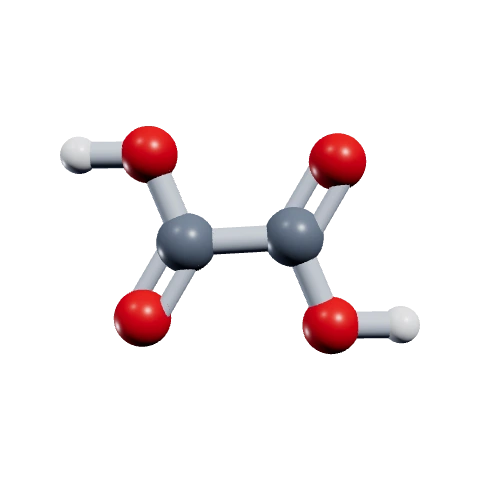
Oxalic Acid, Dihydrate - Ethanedioic Acid

Technical Grade

Available sizes: 2 lbs.–55 Lbs.

From $20.00
Deionized Water

100%Technical Grade

Available sizes: 1 Quart–330 Gallon

From $23.10

About Metal Finishing & Surface Treatment

Acids, cleaners, and specialty chemicals for metal finishing, plating, anodizing, etching, and surface treatment processes.

Frequently Asked Questions

How do I choose chemicals for a metal-finishing process?
Match the chemical, concentration, and grade to the substrate, process stage, equipment, and finish specification. Review the applicable process documentation and test on representative material before production use.
What is the difference between cleaning, etching, and passivation?
Cleaning removes soils and residues, etching changes the surface through controlled chemical action, and passivation supports the formation of a protective surface condition. These processes use different chemistries and controls.
Should I use technical or reagent-grade material?
Use the grade specified by the process or customer requirement. Reagent-grade material may be appropriate where impurity control is critical, while technical-grade material can suit many industrial operations when its specifications meet the process need.
What documentation should a metal-finishing shop review?
Review the Safety Data Sheet, product specification, Certificate of Analysis where required, and the operating or customer specification for the process. Confirm material compatibility with tanks, plumbing, ventilation, and PPE before use.