Product Overview
Xylene ACS Grade (CAS 1330-20-7) is a workhorse solvent offered by Alliance Chemical for laboratory analysis and industrial production alike. Also known as dimethylbenzene or xylol, it is the solvent buyers reach for when they need strong solvency against greases, resins, and coating binders. This listing is the ACS Grade designation — the version analytical labs, QC departments, and purity-sensitive formulators typically specify on purchase orders. We offer it in pack sizes from 1 quart bench bottles up to 55 gallon drums, so the same material your lab qualifies can scale to your production floor.
Who buys it: HPLC and analytical labs, paint and coatings formulators, chemical manufacturers using it as an intermediate feedstock, pharmaceutical extraction operations, and maintenance teams degreasing machinery at industrial facilities.
Why This Concentration
Grade is the real decision on this product. ACS Grade is the designation that analytical and QC buyers request when solvent impurities would interfere with their results — an HPLC mobile phase or an extraction step tolerates far less background than a parts-washing tank does. If your procurement spec or SOP names ACS Grade, this is the listing to order against; the technical data sheet and the lot-specific certificate of analysis let your QC lead verify each lot before it goes into service.
If your use is bulk degreasing or general-purpose thinning where the grade designation is not specified, you are still buying the same strong aromatic solvency — the grade simply gives you documentation headroom you may not need. For solvent selection, weigh what your process actually requires: purity-sensitive analysis and synthesis work points to ACS Grade; high-volume coating and cleaning work points to the larger pack sizes on this page.
Chemical Profile
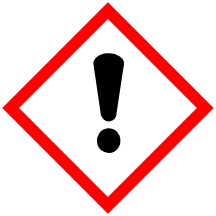
Xylene ACS Grade is identified by CAS Number 1330-20-7. It ships under the proper shipping name XYLENES (per 49 CFR 172.101), and it carries the signal word Danger under its GHS classification. It is a flammable liquid and vapor (H226, per the product's GHS classification), which drives both how we pack it and how you should store it. Full identity and lot data appear on the safety data sheet, technical data sheet, and certificate of analysis that accompany the product.
Industrial Applications
-
HPLC and analytical work — used as a mobile phase component in reversed-phase liquid chromatography, where labs specify ACS Grade to keep solvent background out of their analysis.
-
Paints and coatings — a primary solvent for dissolving and thinning coating binders, resins, and adhesives; its solvency keeps viscosity workable through application and flash-off.
-
Chemical intermediate — a feedstock in the synthesis of plastics, resins, and synthetic fibers at chemical manufacturing facilities.
-
Extraction solvent — used in pharmaceutical extraction processes to isolate active ingredients from natural source material.
-
Industrial cleaning — cuts grease and oil residue on machinery and equipment where water-based cleaners fall short.
These are established uses of the chemical in each process. Confirm compatibility against your own method or formulation using the technical data sheet before qualifying a new lot.
Handling & Storage
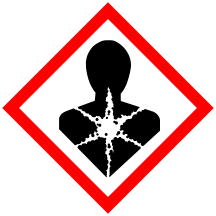
Treat this product as a flammable liquid first. Under its GHS classification the signal word is Danger, with hazard statements H226 (flammable liquid and vapor), H304 (may be fatal if swallowed and enters airways), H312 (harmful in contact with skin), H315 (causes skin irritation), H319 (causes serious eye irritation), H332 (harmful if inhaled), H335 (may cause respiratory irritation), and H373 (may cause damage to organs through prolonged or repeated exposure) — all per the product's GHS classification.
Practical rules our warehouse team applies and recommends: store in a cool, well-ventilated area away from heat sources, sparks, and open flames. Keep containers closed and segregated from strong oxidizing agents and acids. Work with adequate ventilation — vapor control matters as much as splash control with this solvent. Wear chemical-resistant gloves and goggles at minimum, and never handle it near ignition sources. The aspiration hazard (H304) means spill response should avoid any procedure that could lead to swallowing or aspirating the liquid.
Hazmat & Shipping
This product ships as regulated hazardous material: UN1307 (per 49 CFR 172.101), Hazard Class 3 — flammable liquid (per 49 CFR 172.101), Packing Group III (per 49 CFR 172.101), under the proper shipping name XYLENES (per 49 CFR 172.101). Our Taylor, Texas team packs Class 3 liquids daily — UN-spec packaging, correct marks and labels, and shipping papers prepared to the regulation. From 1 quart cases to 55 gallon drums, every pack size on this page moves under the same governed classification.
Documentation
A safety data sheet ships with every order and is available in English, Spanish, French, and Japanese. A technical data sheet is available for spec review before you buy, and a lot-specific certificate of analysis is available with your shipment — the document your QC team needs to accept the lot against your incoming inspection procedure.
Why Buy from Alliance Chemical
You can buy this xylene at the scale you actually use it — 1 quart and 1 gallon containers for the lab bench, 5 gallon pails for pilot and maintenance work, and 55 gallon drums for production — each shipped as properly classified UN1307 Class 3 freight with SDS, TDS, and lot-specific COA available. Alliance Chemical has operated since 1998 and has served more than 55,000 customers from our Taylor, Texas warehouse. Shipping and handling guidance on this page is reviewed by Andre Taki, DOT Hazmat Specialist.