Coolants and Antifreeze

Ethylene Glycol, Propylene Glycol & Arctic Assist blends

31 Products
Sort by:: Best Selling
Sort by: Best Selling

FILTERS

Chemical name
  • (2)
  • (7)
  • (2)
  • (1)
  • (19)
Grade
  • (4)
  • (1)
  • (20)
  • (6)
Percentage
  • (3)
  • (4)
  • (3)
  • (5)
  • (4)
  • (8)
Form
  • (24)
Industry
  • (5)
  • (3)
  • (1)
  • (1)
  • (5)
  • (6)
  • (13)
  • (21)
  • (9)
  • (8)

About Coolants and Antifreeze

Buy inhibited ethylene glycol and propylene glycol coolants from Alliance Chemical in pre-mixed and concentrated formulations. Available in 50/50, 60/40, and 100% concentrations with corrosion-inhibitor packages.

Products In This Collection

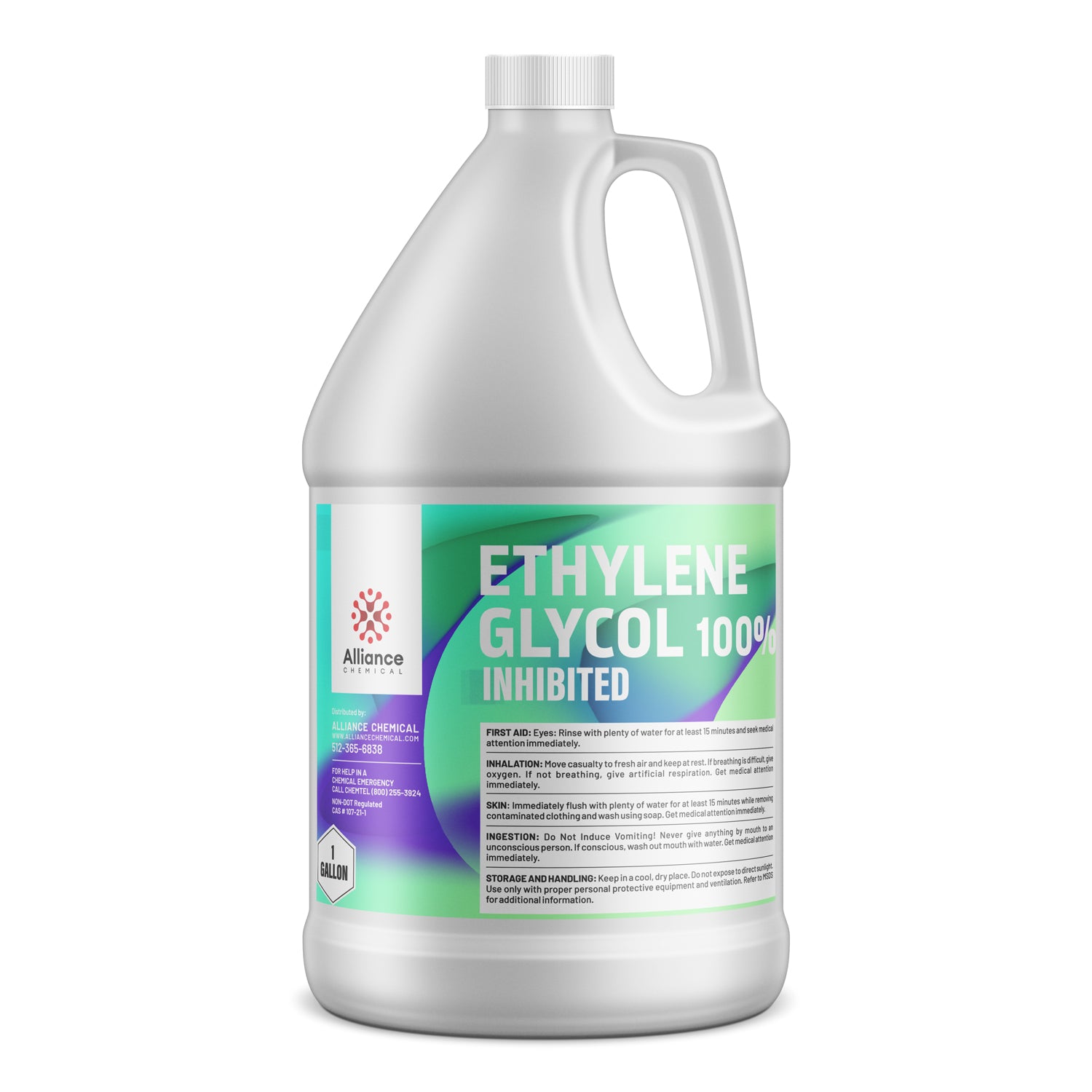
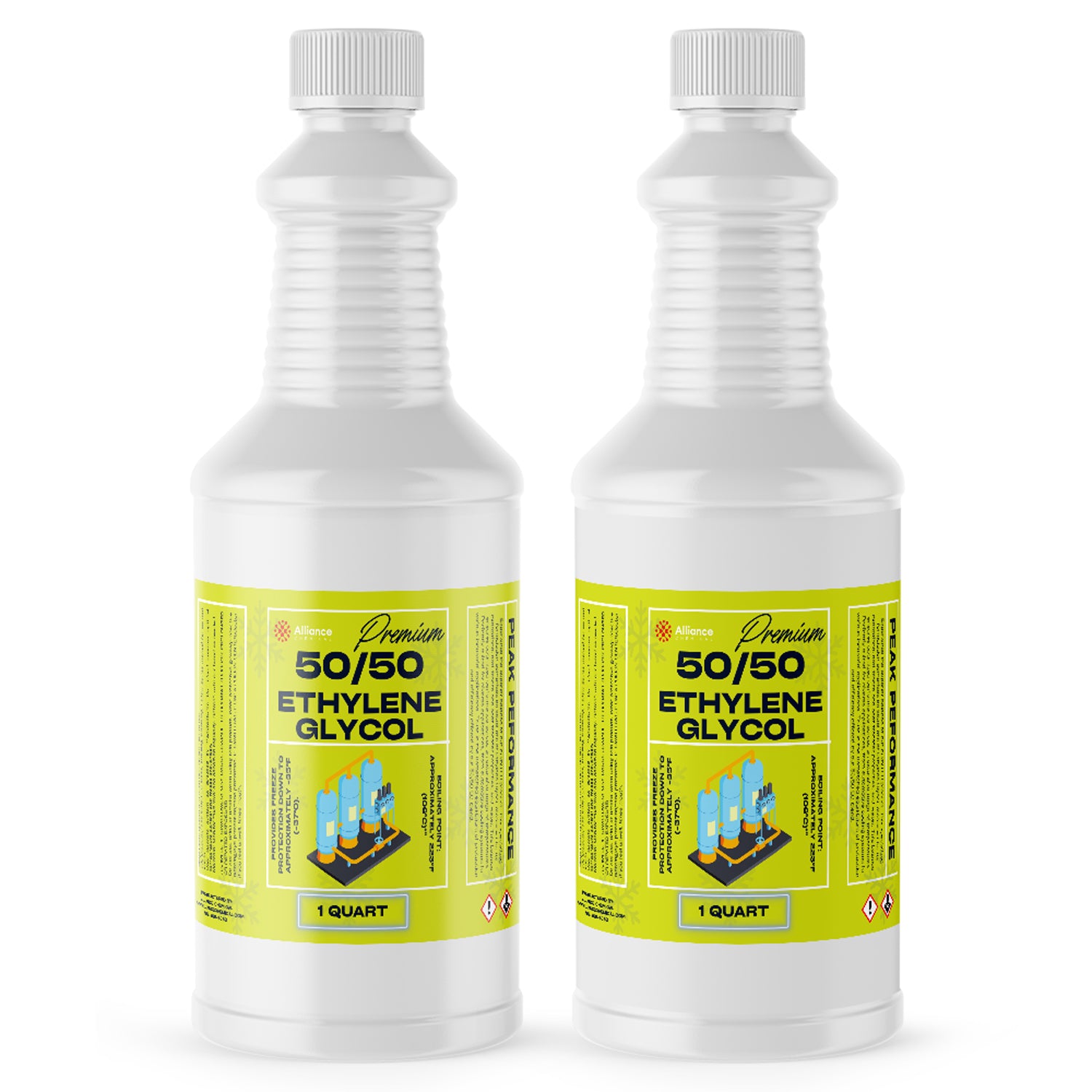
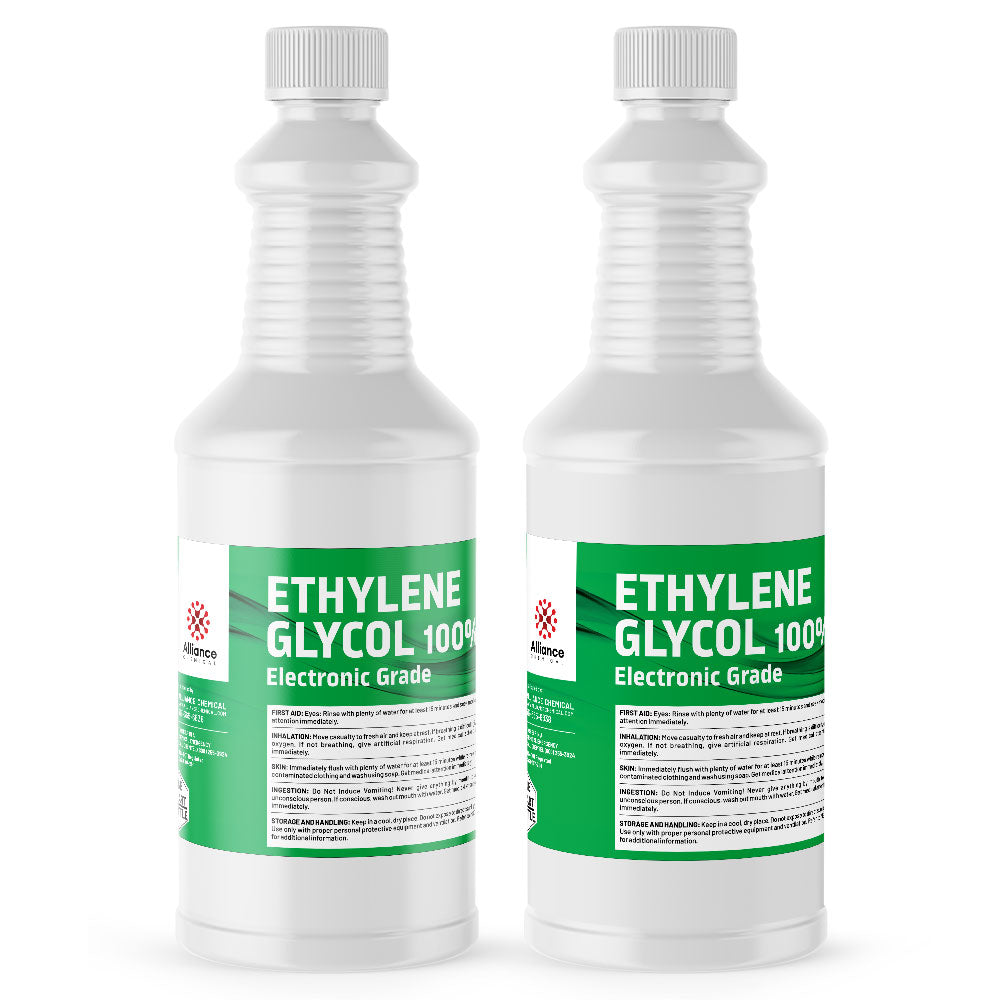
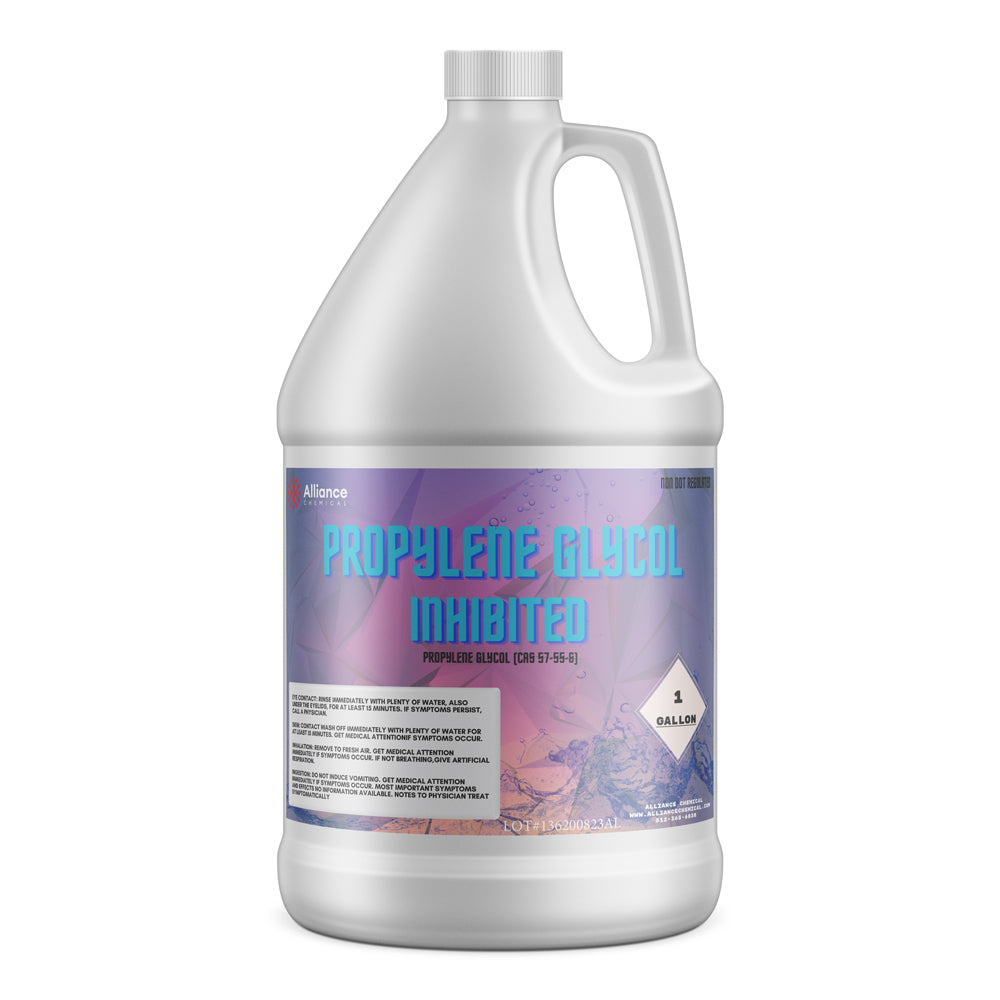
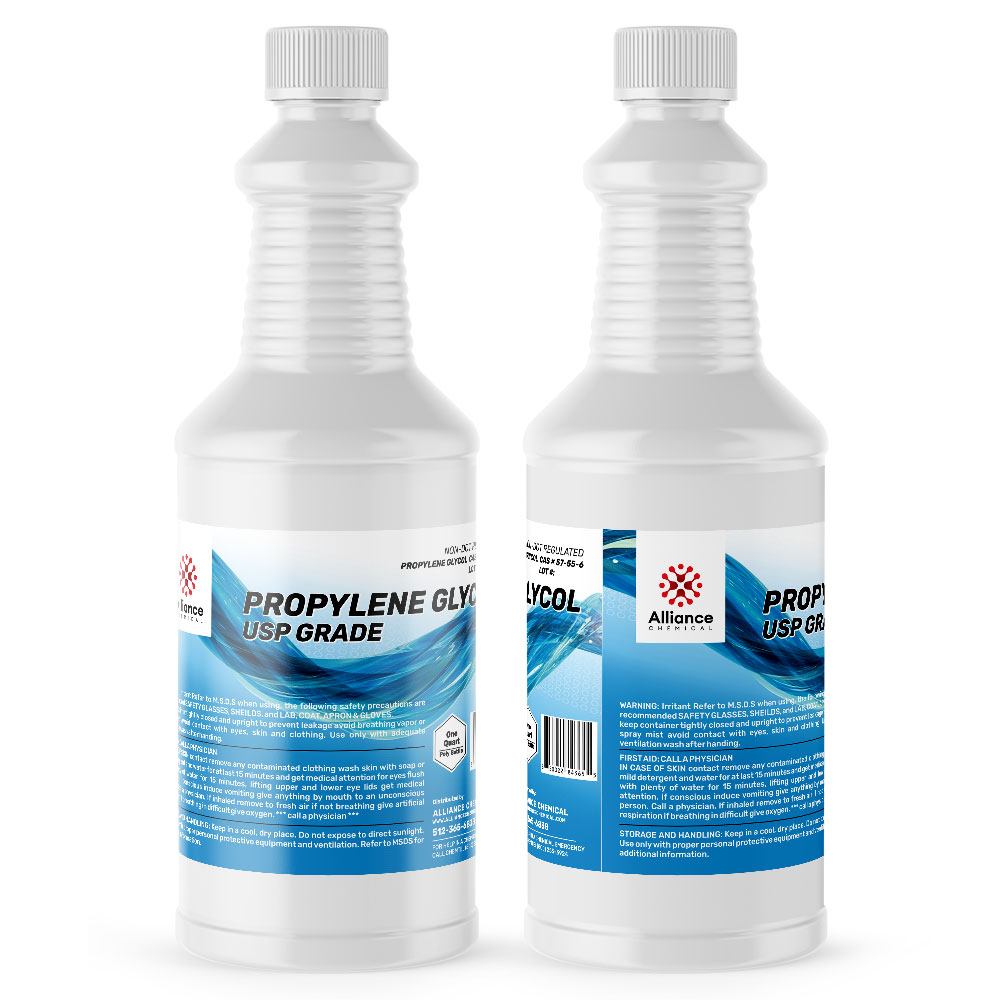
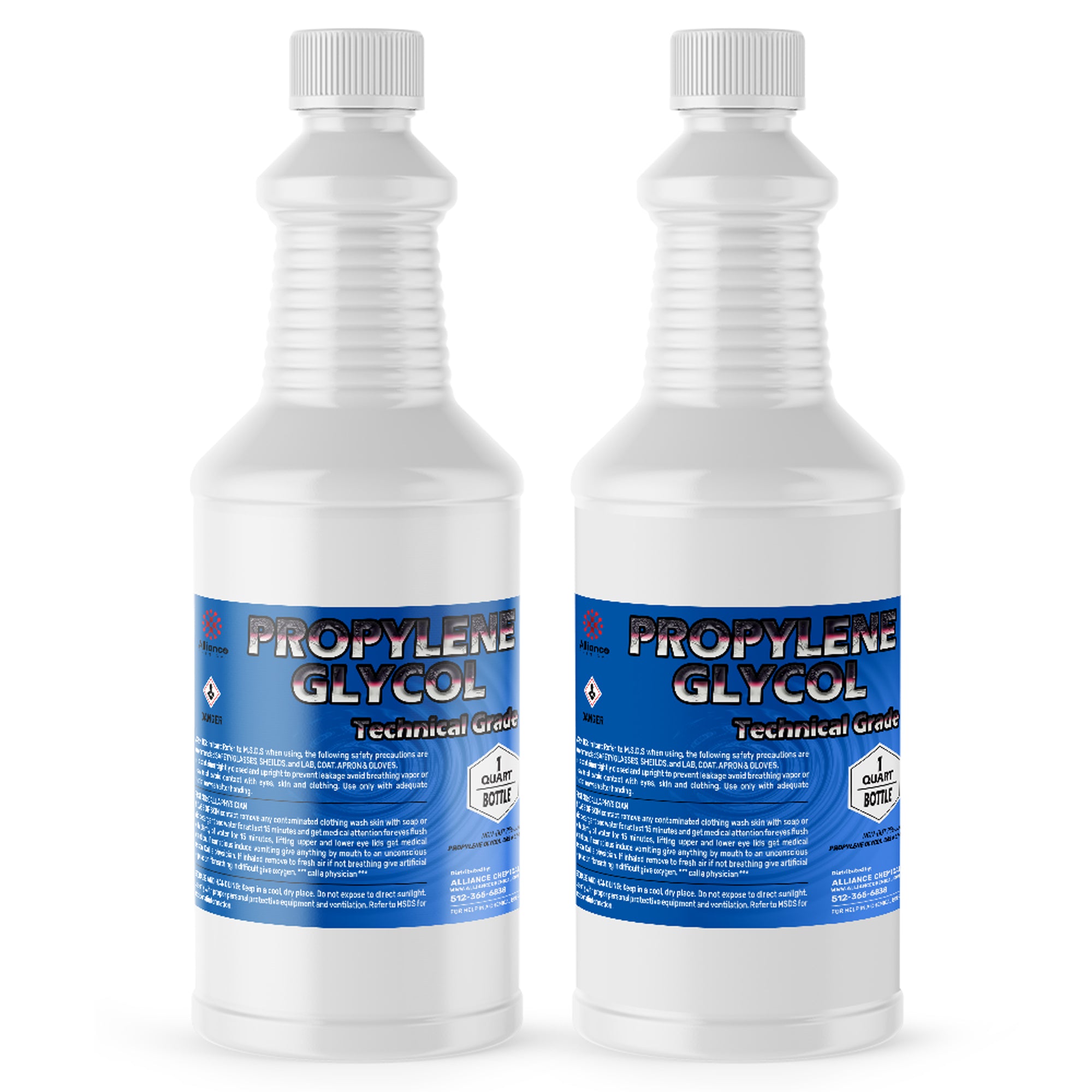
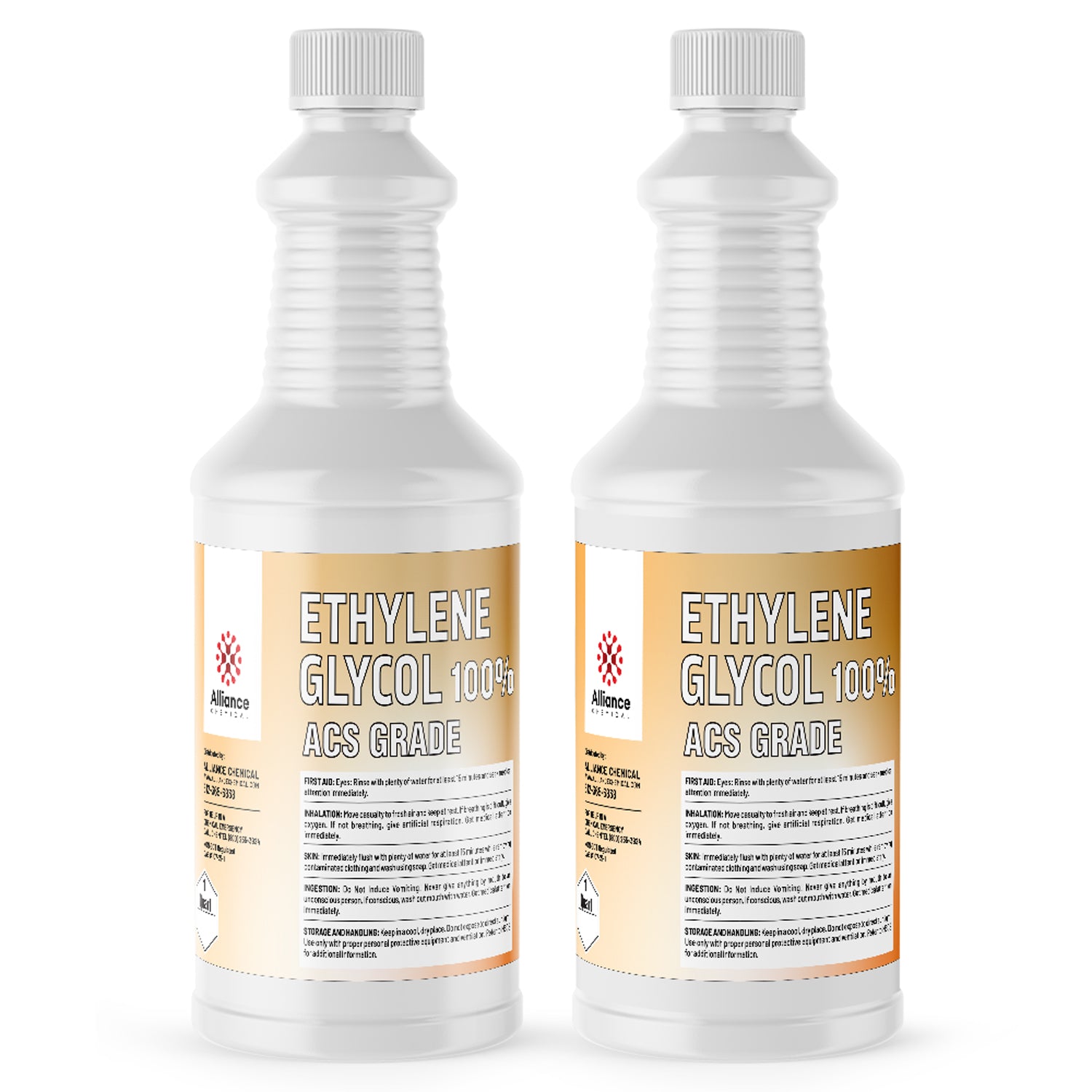
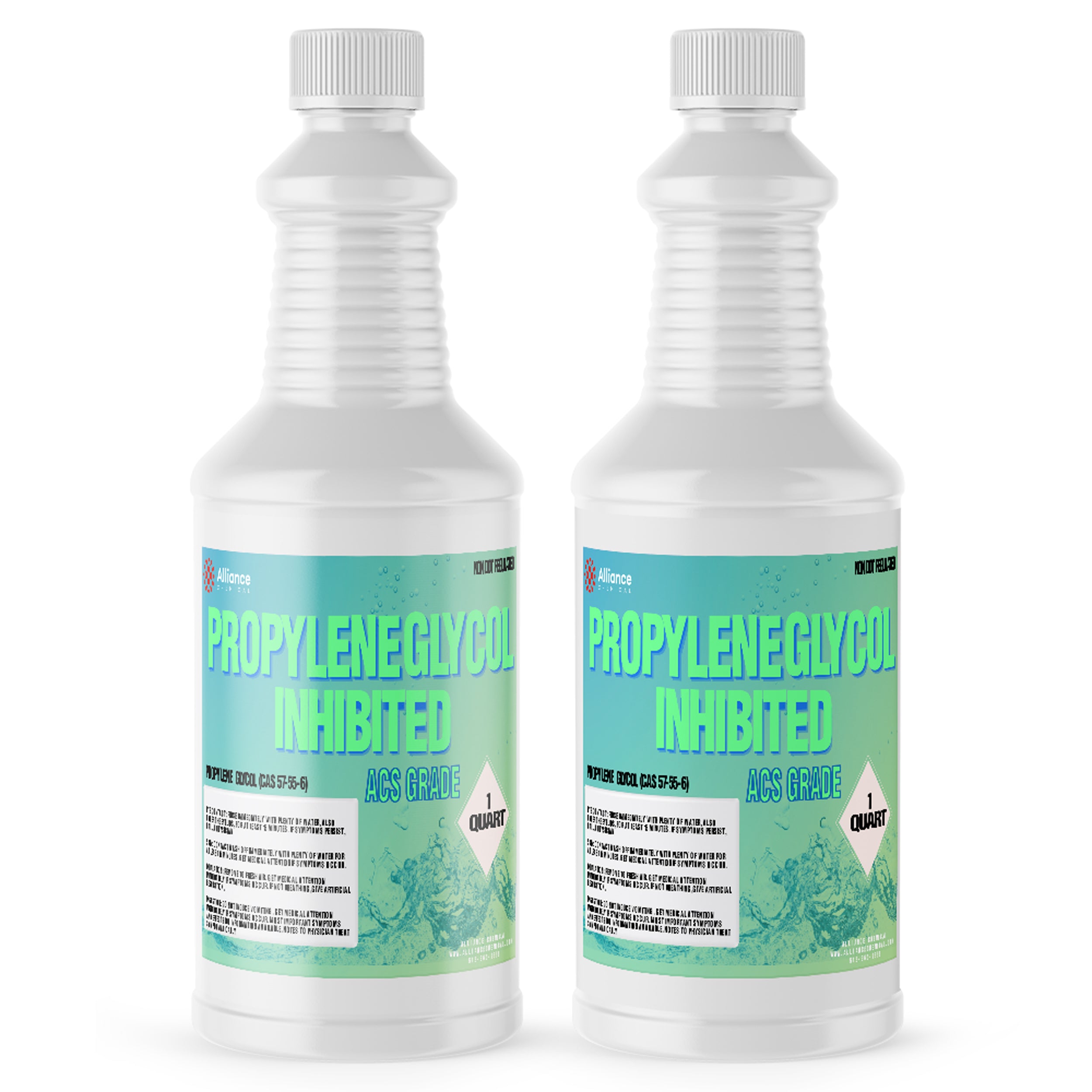
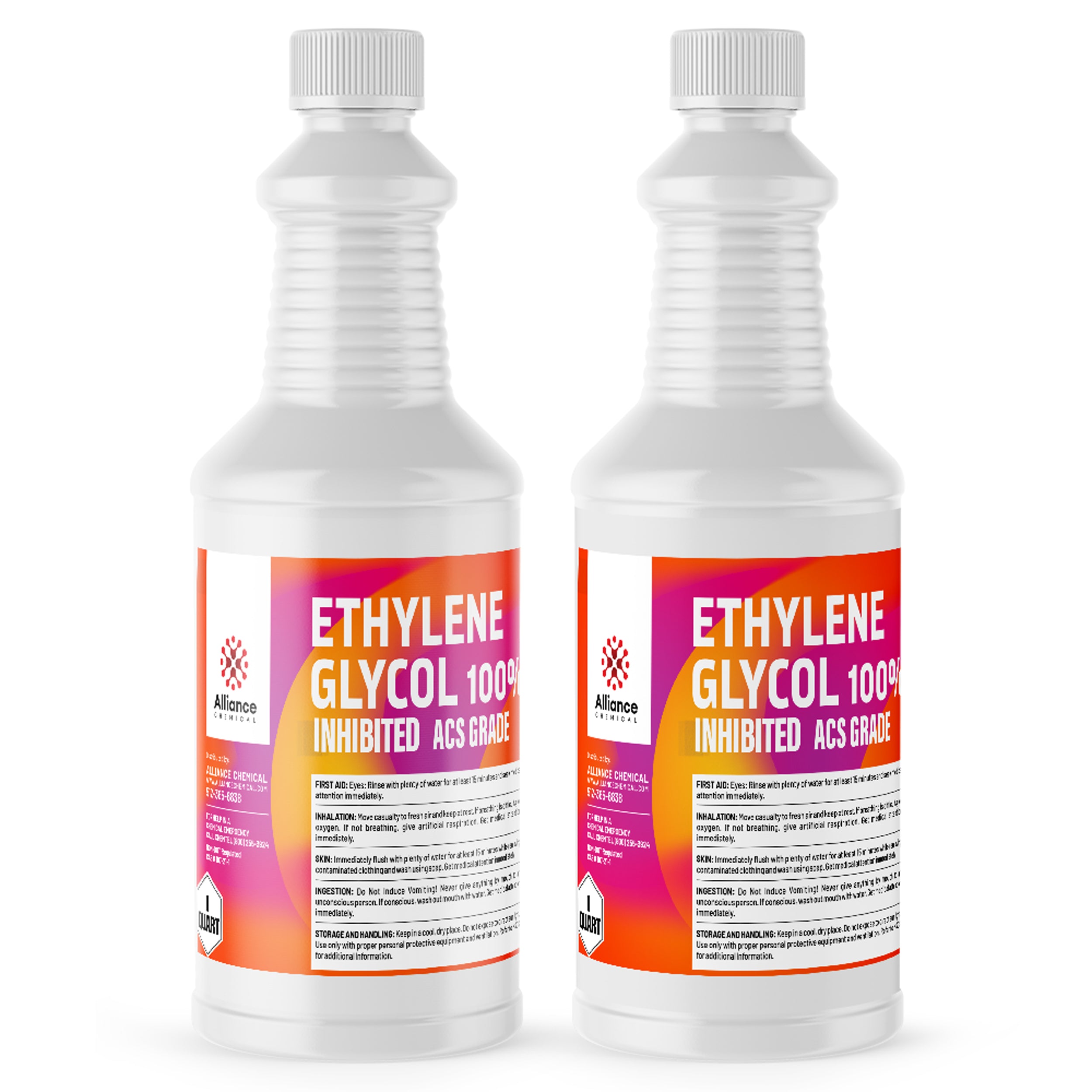
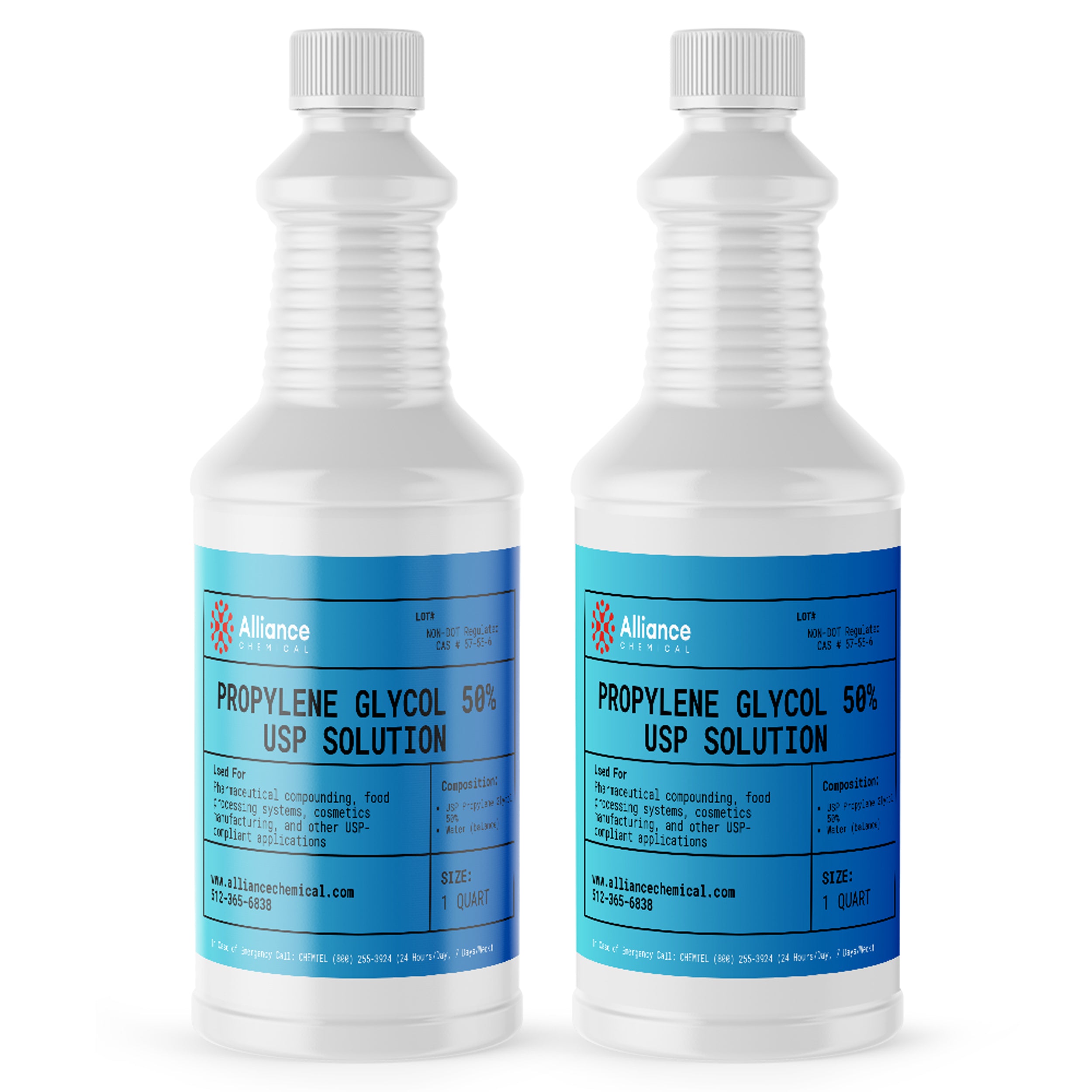
This collection includes ethylene glycol 50/50 pre-mixed (CAS 107-21-1), 100% ethylene glycol inhibited, ethylene glycol semiconductor grade (99.5%+), and 100% propylene glycol inhibited (CAS 57-55-6). All inhibited products prevent corrosion, scale buildup, and fouling in metal piping.

Common Applications

Pre-mixed ethylene glycol 50/50 provides freeze protection to −37°C for building HVAC systems, process chillers, and industrial heat exchangers. Propylene glycol inhibited is required for food processing plants, breweries, and any system with potential consumable product contact. These coolants serve data center liquid cooling, solar thermal systems, geothermal heat pumps, and hydronic heating and cooling circuits.

Why Buy From Alliance Chemical

Every coolant product ships with a Safety Data Sheet (SDS) and Certificate of Analysis (COA). Alliance Chemical offers same-day shipping and no minimum orders, from quarts to 330-gallon IBC totes.

Related: See the Glycols and Glycol Ethers and Ethylene Glycol collections.

Frequently Asked Questions

What is the difference between ethylene glycol and propylene glycol for industrial heat transfer?
Ethylene glycol (CAS 107-21-1) offers superior heat transfer efficiency and lower viscosity at low temperatures, making it the standard for most industrial HVAC and automotive applications. Propylene glycol (CAS 57-55-6) is significantly less toxic and is required in food processing, pharmaceutical manufacturing, or any application where incidental contact with groundwater or consumer products is possible. While ethylene glycol is more efficient, propylene glycol is often mandated by local environmental regulations for burst protection in sensitive areas.
Why must I use inhibited glycol instead of technical grade in a chiller?
Uninhibited or 'technical' glycol is naturally corrosive to metals like copper, steel, and aluminum because it becomes acidic over time as it oxidizes. Inhibited glycols contain buffers and passivating agents that maintain a stable pH (typically between 8.0 and 10.0) and create a microscopic protective film on metal surfaces. According to ASTM D1384 standards, inhibited fluids significantly reduce the rate of galvanic corrosion and scale buildup, extending the lifespan of heat exchangers and pumps.
What is the freezing point of a 50/50 ethylene glycol water mix?
A 50/50 volume-to-volume mixture of ethylene glycol and deionized water provides freeze protection down to approximately -34°F (-37°C). Increasing the concentration beyond 60% actually reduces the freeze protection capability; for example, 100% pure ethylene glycol freezes at approximately 9°F (-13°C). For maximum freeze protection in extreme climates, a 60/40 mix is recommended, which provides protection down to -60°F (-51°C).
What are the OSHA requirements for glycol safety labeling?
Under OSHA 29 CFR 1910.1200 (Hazard Communication Standard), all glycol containers must be labeled with appropriate GHS pictograms, including GHS08 for ethylene glycol due to its specific target organ toxicity (STOT). Employers are required to maintain current Safety Data Sheets (SDS) and provide training to employees regarding the ingestion hazards and proper PPE. NFPA 704 labeling for ethylene glycol typically carries a Health rating of 2, Flammability of 1, and Instability of 0.
How should spent industrial coolant be disposed of according to EPA regulations?
Spent glycol coolants are not listed as hazardous waste under EPA RCRA (40 CFR Part 261) in their pure state, but they often become hazardous during use due to the accumulation of heavy metals like lead, copper, or chrome from the cooling system. Generators must perform a waste determination to see if the spent fluid exceeds TCLP limits for these metals. Ethylene glycol also has a federal Reportable Quantity (RQ) of 5,000 pounds; spills exceeding this amount must be reported to the National Response Center (NRC).
Does propylene glycol USP grade meet food safety standards?
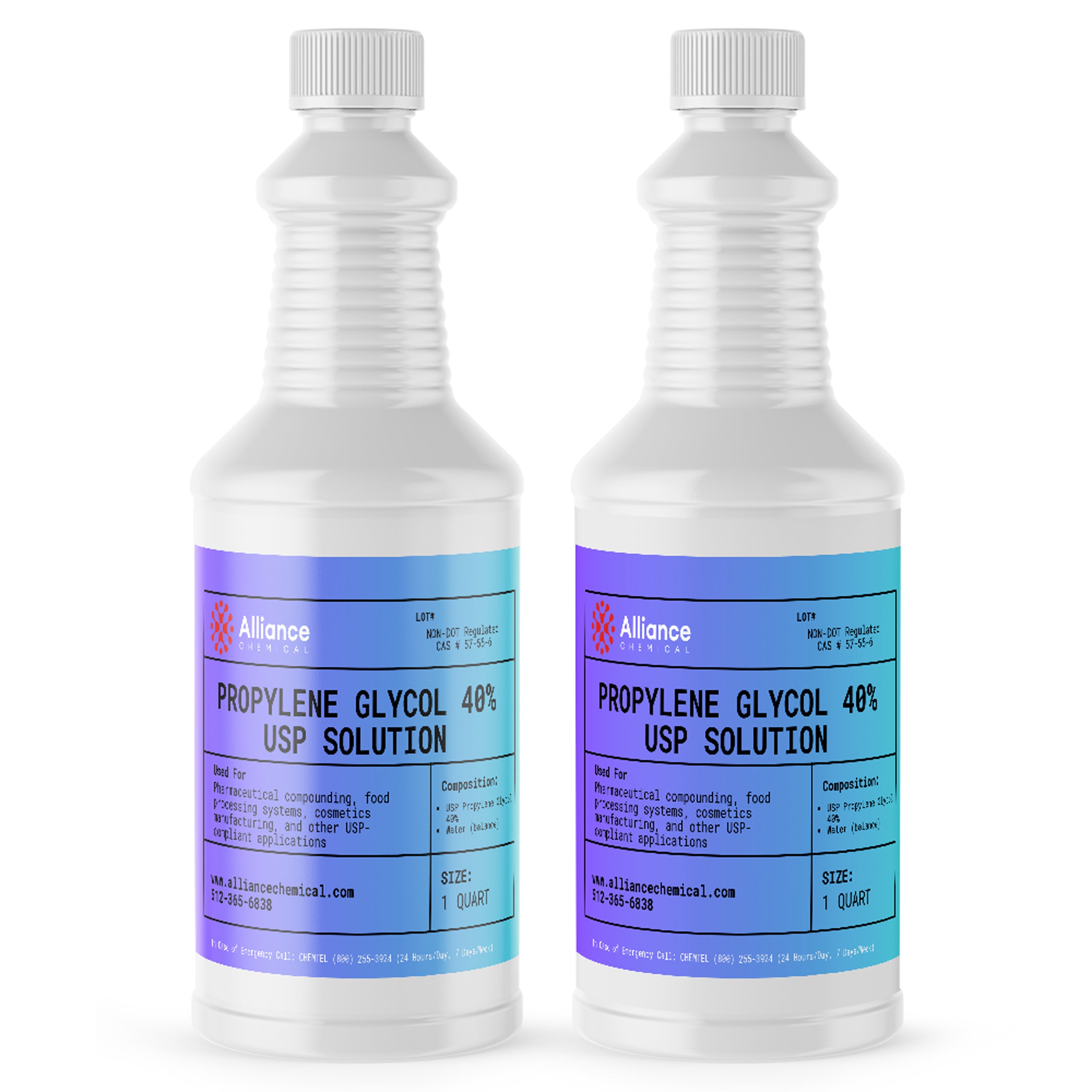
Yes, Propylene Glycol USP (United States Pharmacopeia) grade meets or exceeds the requirements of the Food Chemicals Codex (FCC) for purity. It is suitable for applications involving incidental food contact, such as immersion freezing of packaged foods or secondary cooling in breweries and dairies. Our USP grade propylene glycol is 99.9% pure and is produced in accordance with Current Good Manufacturing Practices (cGMP).
How often should I test the inhibitor levels in my heat transfer fluid?
Industrial heat transfer fluids should be tested at least annually to monitor pH, reserve alkalinity, and inhibitor concentration. A pH drop below 8.0 indicates the glycol is beginning to degrade and acidify, which can lead to rapid system corrosion. We recommend using a refractometer to verify glycol-to-water ratios, as hydrometers can be inaccurate due to temperature variations.
What is the shelf life of inhibited glycol concentrates?
Inhibited glycol concentrates typically have a shelf life of 2 years when stored in original, unopened containers in a cool, dry environment. Once diluted with water, the shelf life of the inhibitors depends on the quality of the source water and the system's operating temperature. Using deionized or distilled water for dilution is critical, as minerals in tap water can react with the inhibitor package and cause premature fluid failure.
Are there DOT restrictions for shipping ethylene glycol?
Ethylene glycol is not regulated as a DOT hazardous material for ground transport in non-bulk packages (e.g., pails or drums) unless the quantity per container exceeds the Reportable Quantity of 5,000 pounds. For bulk shipments, such as tankers or large IBC totes reaching that weight threshold, the material must be shipped as 'UN3082, Environmentally hazardous substance, liquid, n.o.s. (Ethylene Glycol), 9, PG III'.