

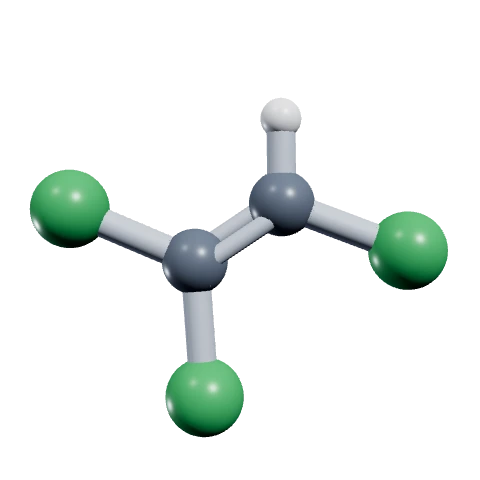


EPA is extending the postponement of certain provisions in its trichloroethylene (TCE) final rule for an additional 90 days, pushing the effective date for TSCA section 6(g) exemption conditions to May 18, 2026.
Key Facts
- EPA extended the TCE regulation postponement by 90 days, from February 17 to May 18, 2026.
- The delay applies to conditions on uses granted TSCA section 6(g) exemptions, including vapor degreasing and fluoroelastomer production.
- The original TCE final rule was published December 17, 2024 (89 FR 102568) under the Toxic Substances Control Act.
- TCE is classified as a known human carcinogen by the National Toxicology Program and a probable carcinogen by the International Agency for Research on Cancer.
What Changed: Another 90-Day Extension
The Environmental Protection Agency published a Federal Register notice on February 18, 2026, extending the postponement of certain regulatory provisions in its trichloroethylene (TCE) final rule by an additional 90 days. The new effective date for the postponed provisions is May 18, 2026, pushed back from the previous February 17 deadline.
The delay specifically targets the conditions imposed on uses that received exemptions under TSCA section 6(g) of the Toxic Substances Control Act. The original TCE final rule, published December 17, 2024 (89 FR 102568), established comprehensive restrictions on TCE use across multiple industrial applications.
Which Industries and Uses Are Affected
The postponed provisions cover conditions attached to TSCA section 6(g) exemptions—uses that EPA determined warranted continued access to TCE under specific safeguards. According to the Federal Register notice (document 2026-03155, docket EPA-HQ-OPPT-2020-0642), the affected uses include:
- Vapor degreasing operations — widely used in aerospace, automotive, and precision manufacturing to clean metal parts
- Synthesis of vulcanization accelerating agents for fluoroelastomers — a specialty chemical manufacturing process
- Other industrial applications granted conditional exemptions under the original rule
Companies operating under these exemptions now have until May 18, 2026 to meet the compliance conditions EPA originally attached to their continued TCE use.
TCE Health Risks Driving the Regulation
Trichloroethylene is classified as a known human carcinogen by the National Toxicology Program and as carcinogenic to humans (Group 1) by the International Agency for Research on Cancer (IARC), which upgraded it from Group 2A in 2014. Chronic exposure is linked to liver cancer, kidney cancer, and non-Hodgkin lymphoma.
Short-term occupational exposure to TCE can cause dizziness, headaches, and central nervous system depression. Workers in vapor degreasing operations face the highest exposure risks, which is why EPA’s final rule placed strict conditions on these uses even when granting exemptions.
What Comes Next: May 2026 Deadline
This is the second postponement of the TCE rule’s exemption conditions. EPA has not indicated whether further extensions are planned. Facilities currently using TCE under section 6(g) exemptions should prepare for the May 18, 2026 effective date by:
- Reviewing the specific conditions attached to their exemption category
- Implementing required engineering controls, monitoring, and recordkeeping
- Evaluating alternative solvents and degreasing technologies
- Ensuring Safety Data Sheets (SDS) and employee training materials are current
The full Federal Register notice is available at 91 FR 7401 under docket ID EPA-HQ-OPPT-2020-0642.
Alliance's Take
For facilities evaluating TCE alternatives, Alliance Chemical supplies a range of industrial solvents that may serve as replacements depending on the application. Our solvents collection includes options like acetone, isopropyl alcohol (IPA), and methanol—each with different vapor pressure, solvency, and flash point profiles suited to specific cleaning and degreasing tasks.
Whether you’re running a vapor degreasing line or a precision cleaning operation, having accurate Safety Data Sheets and Certificates of Analysis matters for compliance. Every chemical we ship includes current SDS documentation and COA upon request. If you need help identifying the right solvent grade or packaging for your operation, contact our team at sales@alliancechemical.com.
With the May 2026 compliance date approaching, now is a practical time to test alternative solvents in your process before the deadline arrives. Our technical team can help you match the right product to your application requirements.
Related Products
Frequently asked questions
What is the new effective date for TCE regulation exemption conditions?
EPA extended the deadline to May 18, 2026. This is a 90-day postponement from the previous February 17, 2026 date. The delay applies to conditions on uses that received TSCA section 6(g) exemptions.
Which TCE uses are affected by this postponement?
The postponement covers uses granted exemptions under TSCA section 6(g), including vapor degreasing operations and synthesis of vulcanization accelerating agents for fluoroelastomers. Other industrial applications with conditional exemptions are also affected.
Why is EPA regulating trichloroethylene under TSCA?
TCE is classified as a known human carcinogen by the National Toxicology Program. Chronic exposure is linked to liver cancer, kidney cancer, and non-Hodgkin lymphoma. EPA's final rule, published December 17, 2024, restricts TCE use while allowing exemptions for certain critical applications.
What should facilities using TCE do before the May 2026 deadline?
Facilities should review the specific conditions attached to their exemption category, implement required engineering controls and monitoring, evaluate alternative solvents, and ensure Safety Data Sheets and employee training materials are current.
Sources
About the author
Andre Taki
This article is for informational purposes only.


