


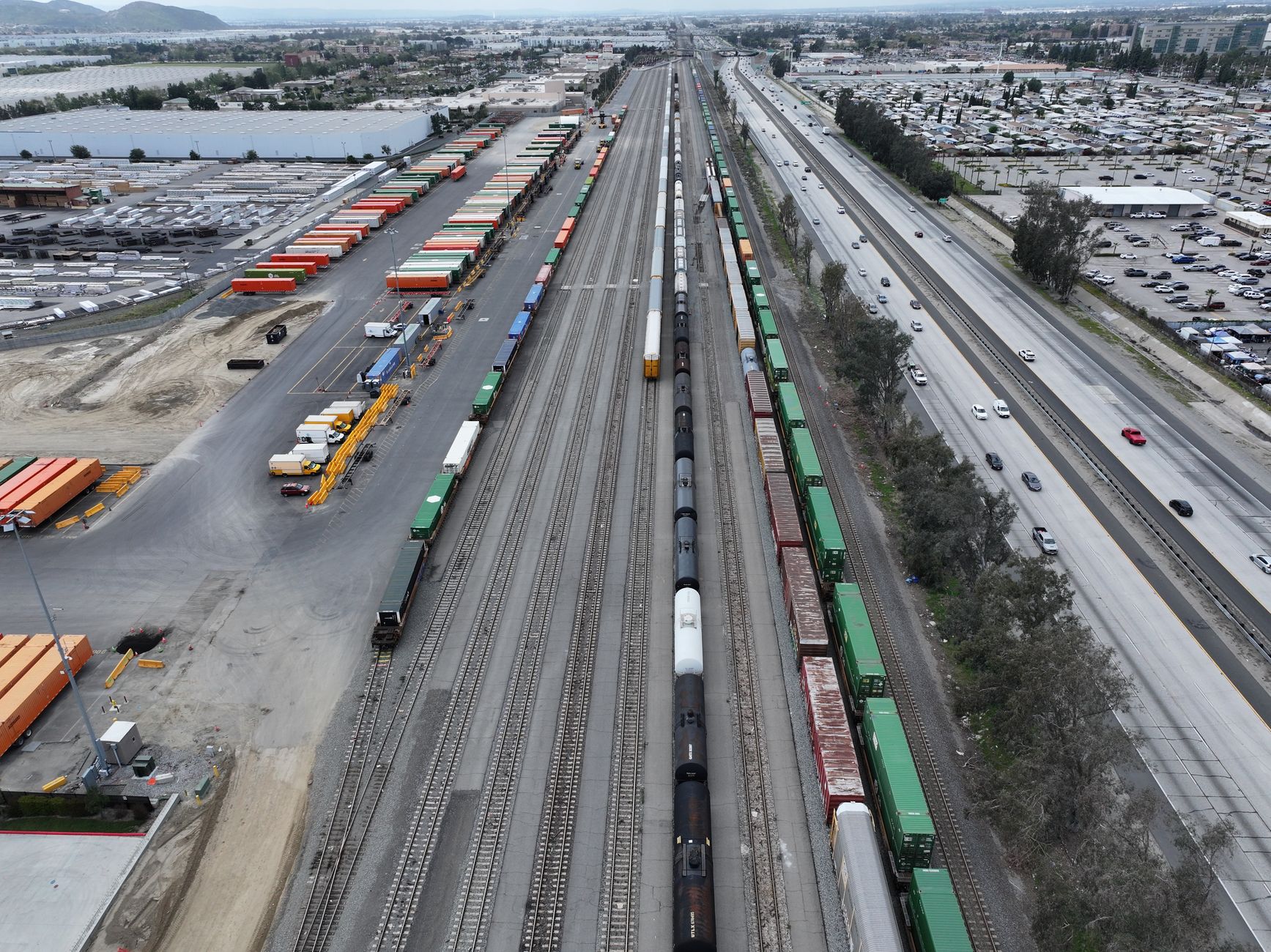
Photo by Eric Esajian on Pexels
California has adopted regulations allowing autonomous vehicle manufacturers to test and operate driverless trucks weighing 10,000 pounds or more on state roadways, with permit and safety requirements.
Key Facts
- The California DMV adopted regulations allowing autonomous vehicle manufacturers to test and operate driverless trucks weighing 10,000 pounds or more on state roadways.
- Some of the new rules were effective immediately and override a ban on operating large driverless trucks.
- The regulations establish protocols for permits, remote operator requirements and enforcement.
- Manufacturers must complete 500,000 miles of testing at each phase and use a safety driver before advancing to driverless testing.
- Heavy driverless trucks must stop at California Highway Patrol weigh stations and maintain two-way communication to respond to first responder calls within 30 seconds.
What Happened
The California Department of Motor Vehicles adopted regulations that allow autonomous vehicle manufacturers to test and operate driverless trucks weighing 10,000 pounds or more on state roadways. The report said some of the rules took effect immediately and override a prior ban on operating large driverless trucks.
According to the department, the move opens the California market to AV freight operations and adds a permit structure for testing and deployment.
Why It Matters
For industrial shippers, fleet operators, and site managers, the change signals a clearer regulatory path for large autonomous freight vehicles in one of the country’s most important logistics markets. It also suggests that compliance expectations will be part of early commercialization, not an afterthought.
The rules appear designed to separate testing from deployment and to keep human oversight in place through driver, remote operator, and communication requirements. That matters for customers evaluating future freight options because operational readiness will depend on how well manufacturers can meet those thresholds.
Key Details
The regulations require a safety driver during testing before a manufacturer can advance to driverless testing. They also require 500,000 miles of testing at each phase before an application for commercial deployment.
- A structured safety case must show the safety of AV operations, hardware and software.
- Heavy driverless trucks must follow applicable state and federal requirements for commercial motor vehicles.
- They must stop at California Highway Patrol weigh stations.
- Manufacturers are subject to moving violations and must maintain two-way communication to respond to first responder calls within 30 seconds.
The DMV said the regulations also establish protocols for permits, remote operator requirements and enforcement. DMV Director Steve Gordon said the updates support growth of the AV industry while enhancing public safety, transparency and accountability.
What To Watch Next
Market participants will be watching how quickly manufacturers use the new framework to advance testing and whether permit and safety-case requirements become the main gating factor for deployment.
For regulated industrial supply chains, the practical question is whether large driverless trucks can satisfy the operating discipline expected on public roads while integrating into time-sensitive freight networks.
Alliance's Take
For chemical buyers and plant operators, this is a signal to monitor how autonomous heavy freight may affect linehaul availability, delivery timing and carrier qualification requirements in California.
EHS and logistics teams should treat the new rules as a reminder that AV freight adoption will hinge on documented safety controls, roadside compliance and incident-response capability.
Related Products
Frequently asked questions
What vehicles do the new California DMV rules cover?
They cover driverless trucks weighing 10,000 pounds or more that autonomous vehicle manufacturers want to test or operate on state roadways.
What are the main compliance steps for manufacturers?
Manufacturers must use a safety driver before driverless testing, complete 500,000 miles of testing at each phase, and submit a structured safety case.
What operational requirements apply to heavy driverless trucks?
They must follow state and federal commercial motor vehicle rules, stop at California Highway Patrol weigh stations, and maintain two-way communication for first responder calls within 30 seconds.
Sources
About the author
Andre Taki
This article is for informational purposes only.