


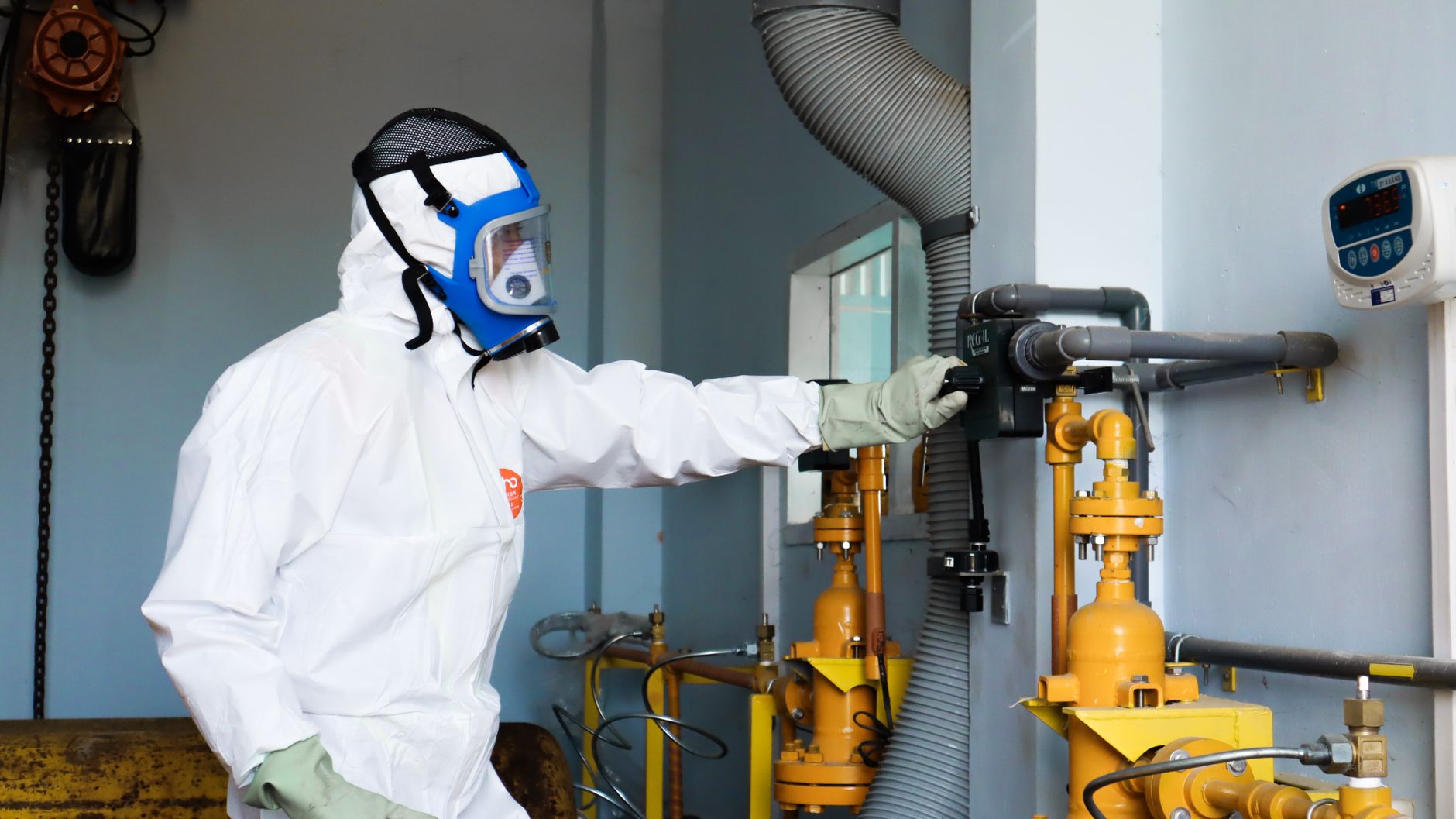
EPA finalized partial delegation of Clean Air Act 112(r) prevention-of-accidental-release authority to Missouri for agricultural anhydrous ammonia facilities, while retaining oversight for other regulated chemicals.
Key Facts
- The EPA took final action to approve Missouri’s request for delegation of a partial Clean Air Act Risk Management Program.
- The delegated portion applies to agricultural anhydrous ammonia facilities in Missouri.
- EPA retains authority for anhydrous ammonia that does not meet the definition of agricultural anhydrous ammonia at these facilities.
- EPA also retains authority over RMP coverage for other regulated chemicals that may be present at these facilities.
- The source is a Federal Register regulatory notice published on April 29, 2026.
What Happened
The EPA took final action to approve the Missouri Department of Natural Resources’ request for delegation of a partial Clean Air Act 112(r) prevention-of-accidental-release program. The approval is limited to agricultural anhydrous ammonia facilities in Missouri.
The Federal Register notice says the EPA’s action gives Missouri a delegated role for part of the Risk Management Program, while federal authority remains in place for other covered substances and situations.
Why It Matters
For facilities handling anhydrous ammonia, the practical issue is jurisdictional clarity: state and federal requirements may now split depending on whether the ammonia qualifies as agricultural anhydrous ammonia and whether other regulated chemicals are present.
That matters for compliance planning, emergency response coordination, and document control. EHS teams and operators should expect Missouri-specific implementation to sit alongside retained EPA oversight for some aspects of risk management coverage.
Key Details
The notice describes the approval as a partial delegation rather than a full transfer of authority. EPA retains authority for anhydrous ammonia that does not meet the agricultural definition at these facilities, and for the RMP as it applies to other regulated chemicals.
- Authority approved: partial delegation under CAA 112(r).
- State receiving delegation: Missouri, through MoDNR.
- Facility scope: agricultural anhydrous ammonia facilities.
- Federal retention: non-agricultural anhydrous ammonia and other regulated chemicals.
The source material points readers to the official Federal Register PDF for the formal text of the action.
What To Watch Next
Buyers and plant managers should watch for how Missouri applies the delegated program in practice, especially where ammonia storage, handling, and emergency planning overlap with other regulated chemicals.
Sites should also verify which portions of their Risk Management Program are state-led and which remain under EPA oversight, so internal procedures, vendor requirements, and incident-prevention plans match the applicable authority.
Alliance's Take
For Alliance Chemical customers, the immediate takeaway is to confirm whether Missouri facilities handling ammonia fall under the delegated agricultural program or under retained EPA authority. That distinction can affect compliance ownership, inspections, and recordkeeping.
Procurement and EHS teams should align ammonia inventory, SDS management, and emergency response planning with the applicable jurisdiction before materials move or process changes expand chemical coverage.
Related Products
Frequently asked questions
What did EPA approve for Missouri?
EPA approved Missouri’s request for partial delegation of the Clean Air Act 112(r) prevention-of-accidental-release program for agricultural anhydrous ammonia facilities.
Does Missouri now regulate all anhydrous ammonia at these facilities?
No. EPA retained authority for anhydrous ammonia that does not meet the agricultural definition, as well as for other regulated chemicals that may be present.
Why should facility teams care about this action?
Because it affects which agency has primary oversight for parts of the Risk Management Program, which can change compliance workflows, inspections, and emergency planning.
Sources
- Approval of Missouri · Federal Register (2026)
- Original full text XML
About the author
Andre Taki
This article is for informational purposes only.