

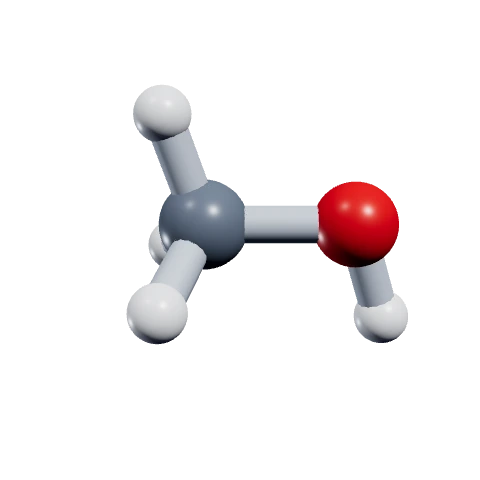


Photo by Righteous Gustavo on Unsplash
ETH Zurich researchers have developed a single-atom indium catalyst that lowers the energy barrier for converting CO2 into methanol, a critical precursor for industrial chemical production.
Key Facts
- Researchers at ETH Zurich engineered a catalyst where individual indium atoms act as independent active sites.
- The system significantly reduces the energy input required to produce methanol from carbon dioxide and hydrogen.
- Indium was selected for the single-atom design, replacing traditional catalysts that rely on metal particles or clusters.
- Methanol serves as a universal precursor for the manufacturing of plastics, chemicals, and various industrial materials.
What Happened
Researchers at ETH Zurich have announced a breakthrough in catalyst design that streamlines the conversion of carbon dioxide and hydrogen into methanol. By moving away from traditional metal particles, the team successfully engineered a system where each individual indium atom drives the chemical reaction independently. This single-atom approach represents a significant departure from conventional methods that use grouped metal clumps.
The development addresses the inherent energy hurdle that every chemical reaction must overcome. While industrial processes typically require high energy inputs, this new indium-based catalyst reduces that barrier. The report indicates that this system makes the production process more efficient and easier to study at the molecular level.
Why It Matters
Methanol is frequently described as the "Swiss army knife of chemistry" because it is a universal precursor used to manufacture a wide range of materials, including plastics and synthetic fuels. Javier Pérez-Ramírez, Professor of Catalysis Engineering at ETH Zurich, noted that improving the efficiency of its production is vital for the chemical industry.
For industrial operators, the reduction in energy requirements translates directly to potential cost savings. Lowering the energy barrier for high-volume chemical reactions reduces the overhead associated with heat and pressure in industrial reactors. Furthermore, the efficiency of metal use in this catalyst reduces the quantity of raw indium required to achieve desired reaction rates.
Key Details
The single-atom catalyst design offers several technical advantages over traditional trial-and-error development methods. By isolating indium atoms as individual active sites, scientists can achieve a higher degree of precision and predictability in how the catalyst interacts with CO2 and hydrogen. The primary benefits of this breakthrough include:
- Reduced energy consumption for CO2-to-fuel conversion processes.
- Maximization of metal utility by using individual atoms rather than clumps.
- Enhanced precision in catalyst engineering, moving away from observation-heavy trial and error.
- Improved ability to monitor and optimize reactions happening on the catalyst surface.
The use of indium in this specific configuration allows for a more deliberate optimization of the catalyst's surface. Researchers reported that this transparency helps them understand the reaction mechanics more clearly than with traditional grouped metal catalysts.
What To Watch Next
As the chemical industry shifts toward sustainable production, this single-atom catalyst could accelerate the adoption of cleaner fuel technologies. The ability to efficiently recycle carbon dioxide into methanol is a core component of emerging green chemistry initiatives. Industry analysts will likely monitor how this technology scales from the lab at ETH Zurich to industrial-scale pilot plants.
Future development will focus on the longevity and stability of single-atom catalysts in continuous-flow reactors. If the indium catalyst maintains its efficiency over long production cycles, it could become a standard component in the next generation of methanol production facilities, potentially impacting global procurement strategies for chemical precursors.
Alliance's Take
For our procurement and lab management partners, the shift toward single-atom catalysts signals a future where feedstock costs for methanol derivatives may become more stable as production energy costs drop. This research highlights the increasing importance of indium as a critical metal in the sustainable chemical supply chain.
From an operational and EHS perspective, catalysts that lower the required energy input can lead to safer reaction environments by reducing the intensity of heat and pressure required. We recommend monitoring these advancements in catalyst precision as they move toward commercialization, as they will eventually redefine efficiency standards for industrial precursors.
Related Products
Frequently asked questions
What is the primary advantage of a single-atom catalyst?
A single-atom catalyst, like the one developed using indium at ETH Zurich, maximizes the efficiency of the metal by ensuring every atom acts as an active site, which significantly lowers the energy needed for chemical reactions.
Why is methanol production the focus of this research?
Methanol is a vital industrial alcohol and universal precursor used to create a wide variety of chemicals and materials, including plastics, making its efficient production central to the chemical industry.
How does this new catalyst impact energy requirements?
The single-atom design lowers the energy barrier for the reaction between CO2 and hydrogen, potentially reducing the costs and energy intensity associated with industrial chemical manufacturing.
Sources
Related Chemical Collections
About the author
Andre Taki
This article is for informational purposes only.


