

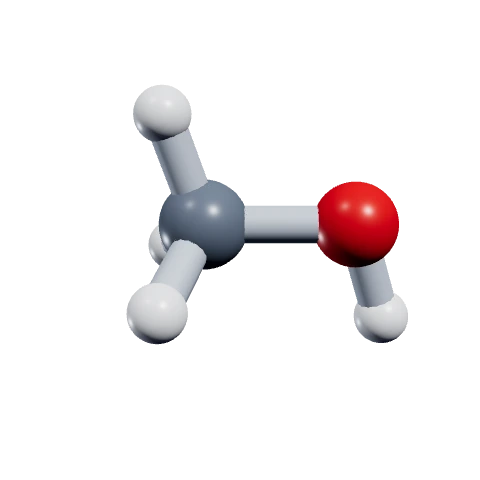


Photo by TECNIC Bioprocess Solutions on Unsplash
Researchers at Northwestern University have developed a plasma-based reactor that converts methane to methanol in one step at ambient conditions, potentially reducing carbon emissions.
Key Facts
- The process converts methane to methanol in a single step using high-voltage electricity pulses at ambient temperatures and pressures.
- A lab-scale plasma-bubble reactor produced approximately 40% methanol during initial experiments.
- The reaction uses a copper oxide catalyst and deionized water to quench the methanol, preventing overoxidation into carbon dioxide.
- Traditional methanol production requires a two-step process involving high-temperature steam, syngas creation, and high-pressure catalysis.
What Happened
Researchers led by Dayne Swearer at Northwestern University have developed a method to produce methanol by zapping methane with pulses of electricity. This plasma-based reaction occurs at ambient temperatures and pressures, representing a departure from the energy-intensive thermal processes currently used in industrial chemistry.
The research team utilized a lab-scale plasma-bubble reactor to control the chemical transition. In the initial experiments, the report said the group achieved a methanol yield of approximately 40% by bubbling methane plasma into water. This electrified route aims to offer a greener alternative to traditional production cycles that generate significant carbon dioxide emissions.
Why It Matters
Methanol is a critical commodity chemical used as a building block for plastics, paints, adhesives, and solvents. It also serves as a low-emission fuel. However, the legacy production method requires heating methane with high-temperature steam to create syngas—a mixture of hydrogen and carbon monoxide—which is then converted to methanol under high pressure. This two-step process is not only energy-intensive but produces millions of tonnes of carbon dioxide annually.
The ability to bypass the syngas stage could significantly lower the carbon footprint of chemical manufacturing. By using electricity to drive the reaction instead of fossil-fuel-generated heat, industrial operators may eventually be able to decarbonize a primary feedstock supply chain.
Key Details
The electrified process begins by pumping methane gas into a tube where it is zapped with high-voltage electricity. This action frees electrons from the methane, partially ionizing the gas and creating a plasma. To control the reaction and prevent the methane from turning into waste products, the team employed a specific quenching mechanism.
The plasma is forced through a fritted glass diffuser containing tiny pores lined with a copper oxide catalyst. As the plasma passes through these pores, it reacts with deionized water. The key components of this setup include:
- High-voltage electrical pulses to initiate ionization.
- Methane gas as the primary feedstock.
- A copper oxide catalyst to facilitate the reaction.
- Deionized water for immediate quenching of the produced methanol.
According to the researchers, the formation of rapidly expanding bubbles in the water helps inhibit overoxidation. This ensures the methane is converted into methanol rather than being further oxidized into carbon dioxide.
What To Watch Next
The transition from a lab-scale plasma-bubble reactor to industrial-scale production will be the primary hurdle for this technology. Commercial viability will likely depend on the scalability of the plasma diffuser and the long-term stability of the copper oxide catalyst under continuous electrical pulsing.
As industry regulations regarding carbon emissions tighten, electrified chemical processes are expected to see increased investment. Procurement leads should monitor the development of this and similar electrified routes, as they may eventually change the cost structures and environmental profiles of essential building-block chemicals like methanol.
Alliance's Take
For Alliance Chemical customers, this development signals a potential shift in the long-term supply chain for methanol-based solvents and feedstocks. The move toward electrified, single-step production could eventually reduce the carbon intensity of downstream products like adhesives and coatings, helping EHS leads meet sustainability targets.
From an operational standpoint, the ability to produce methanol at ambient temperatures and pressures is highly significant. If scaled, this technology could reduce the safety risks and energy costs associated with high-pressure syngas reactors, though industrial operators should stay informed on the specific infrastructure requirements for high-voltage plasma systems.
Related Products
Frequently asked questions
How does the plasma method prevent CO2 emissions?
The process uses water to rapidly quench the produced methanol in bubbles, which inhibits the overoxidation that typically converts carbon into CO2.
What catalyst is used in this new methanol production process?
The reaction utilizes a copper oxide catalyst located within the pores of a fritted glass diffuser inside the reactor.
What are the primary industrial uses for methanol?
Methanol is a feedstock for plastics, paints, and adhesives, and it is also commonly used as an industrial solvent and low-emission fuel.
Sources
- Methane zapped into plasma bubbles makes low-emission methanol · Chemistry World (2026)
Related Chemical Collections
About the author
Andre Taki
This article is for informational purposes only.


