

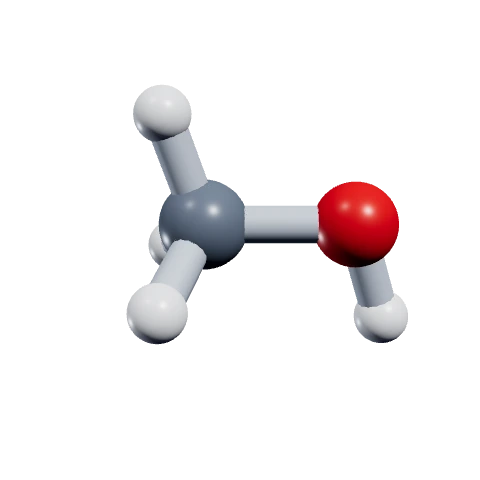


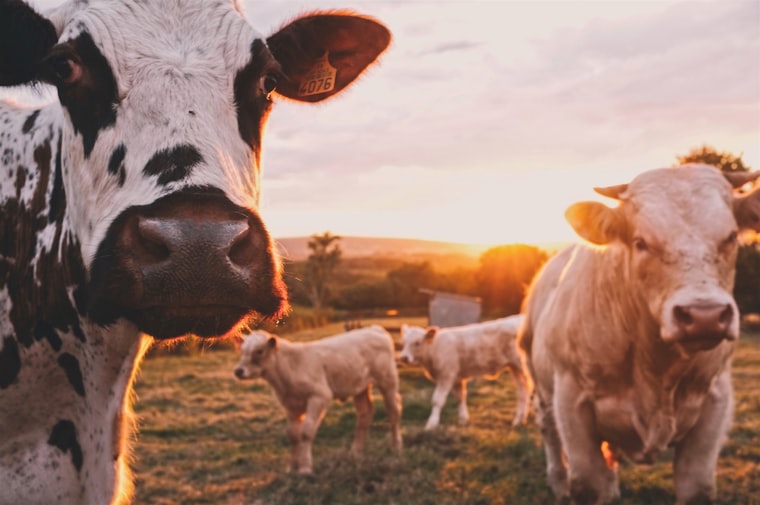
In the landscape of modern livestock management, the pursuit of practices that enhance both animal welfare and operational efficiency is paramount. Freeze branding represents a significant leap forward in cattle identification, offering a humane, clear, and permanent alternative to traditional hot-iron methods. This definitive technical guide explores the science of cryo-branding, provides a detailed procedural walkthrough, and explains why Methanol has become the essential cryogen for professionals seeking optimal results.
The Science of Freeze Branding: A Cryobiological Approach
Unlike hot branding, which creates a scar by destroying all layers of skin tissue, freeze branding is a more precise, targeted process. It uses extreme cold to selectively destroy the melanocytes—the pigment-producing cells—located at the base of the hair follicles, without permanently damaging the follicle itself.
When the super-cooled branding iron is applied to the animal's hide, the intense cold travels through the skin. The melanocytes are far more sensitive to cold than the surrounding tissue and the hair-growth cells. The cold shock destroys them. As a result, when the hair in the branded area regrows, it does so without pigment, appearing stark white. On white-coated animals, the iron is held longer to completely destroy the hair follicle, resulting in a clear, bald brand similar to a hot brand but with significantly less hide damage.
Why Methanol? The Thermodynamics of an Optimal Cryogen
To achieve the required temperature of -70°C (-94°F) or colder, the branding irons must be submerged in a cryogen. While liquid nitrogen can be used, the most common and practical method is a slurry of dry ice and a liquid alcohol.
The choice of alcohol is critical. While other alcohols like isopropyl can work, Methanol is the superior choice for several key thermodynamic reasons:
- Low Freezing Point: Methanol has a freezing point of -97.6 °C (-143.7 °F), ensuring it remains liquid at the temperature of dry ice (-78.5 °C or -109.3 °F) and won't turn to slush, which would inhibit heat transfer.
- High Thermal Conductivity: It is an excellent conductor of thermal energy, meaning it can rapidly and efficiently transfer the cold from the dry ice to the branding iron.
- Consistent Slurry: It creates a smooth, fluid slurry with dry ice, allowing for complete and uniform contact with the entire surface of the branding iron, ensuring there are no "hot spots."
The Professional's Choice: The combination of high-purity Methanol and dry ice provides the stable, ultra-cold, and highly conductive medium necessary to cool branding irons quickly and keep them at the optimal temperature for a clean, effective brand.
A Step-by-Step Guide to the Freeze Branding Process
Freeze branding is a precise procedure. Success depends on careful preparation, correct timing, and attention to detail.
1. Preparation and Setup
- Animal Restraint: The animal must be securely and safely restrained in a squeeze chute to prevent movement during the application.
- Prepare the Site: Identify the branding location. Using clippers, shave the area as closely as possible to remove the insulating layer of hair. After clipping, clean the area thoroughly with a brush and then drench it with room-temperature 99% isopropyl alcohol to remove any remaining dirt, oil, and moisture.
- Prepare the Cryogen: In a well-ventilated, outdoor area, place crushed dry ice into an insulated container (a high-quality cooler works well). Slowly and carefully pour Methanol over the dry ice until it forms a thick, fluid slurry resembling a milkshake. The mixture will bubble and fume vigorously as it cools. Do not seal the container.
- Cool the Irons: Submerge the brass or copper branding irons completely in the slurry. They are sufficiently cold when the bubbling around the irons stops.
2. Application and Timing
This is the most critical step and varies based on the animal's age, hide thickness, and coat color.
| Animal Type & Coat | Recommended Application Time |
|---|---|
| Young Calves (Dark Coat) | 25 - 30 seconds |
| Mature Cows/Bulls (Dark Coat) | 45 - 60 seconds |
| Horses (Dark Coat) | 8 - 12 seconds |
| White-Coated Cattle (Bald Brand) | Increase times by 15-20 seconds |
Press the iron firmly and evenly against the prepared site for the entire duration. Use a stopwatch for accuracy. Do not slide or rock the iron.
3. Post-Branding and Results
Immediately after removing the iron, a frozen, indented mark will be visible. This will thaw within a few minutes, and the area will swell slightly within a few hours. The branded skin will peel over the next few weeks. The white hair will begin to grow in at the next hair cycle, typically becoming clearly visible within 2-3 months.
Buyer's Guide: Selecting the Right Methanol
| Grade | Purity Standard | Primary Use Cases | Ideal User |
|---|---|---|---|
| Technical Grade | Industrial Specification | Freeze branding, solvent cleaning, fuel additive, general industrial use. | Professional Ranchers, Large-Scale Livestock Operations, Industrial Users. |
| ACS Grade | American Chemical Society | High-purity laboratory work, analytical testing, reagent preparation where impurity levels must be known. | Veterinary Labs, Agricultural Research Institutions, QA/QC Departments. |
MANDATORY Safety Protocols for Freeze Branding
This process involves extremely hazardous materials: a toxic, flammable liquid (Methanol) and a cryogenic solid (Dry Ice). Failure to follow strict safety protocols can result in severe injury, fire, or death.
- Methanol Hazard: Methanol is TOXIC if ingested, inhaled, or absorbed through the skin, and can cause blindness or death. It is also highly FLAMMABLE. All handling must be done outdoors or in an extremely well-ventilated area, far from any source of ignition (sparks, flames, smoking, running engines).
- Cryogenic Hazard: Dry ice and the chilled irons are cold enough to cause severe frostbite instantly. Always wear cryogenic-rated gloves and full-face protection when handling dry ice and the branding irons.
- Personal Protective Equipment (PPE): A full set of PPE is non-negotiable: chemical-resistant gloves for Methanol, cryogenic gloves for dry ice/irons, splash-proof safety goggles, and a face shield.
- Ventilation & Pressure: The container with the dry ice/methanol slurry will constantly release CO₂ gas. NEVER seal the lid, as this will cause the container to pressurize and potentially explode.
Related Reading
Buying this chemical? See our Methanol Supplier Comparison for supplier comparisons, grade selection, and pricing guidance.
References & Authoritative Sources
Chemical identity, properties, and safety data sourced from the U.S. National Library of Medicine's PubChem database — the authoritative open-chemistry data resource maintained by the National Institutes of Health.
- PubChem CID 887: Methanol Technical Grade — National Center for Biotechnology Information, U.S. National Library of Medicine. CAS 67-56-1.
- Methanol — thermophysical data — NIST Chemistry WebBook, SRD 69, National Institute of Standards and Technology. Accessed 2026-09-04.
Key numbers and sources
| Fact | Value | Source |
|---|---|---|
| Methanol CAS number | 67-56-1 | pubchem.ncbi.nlm.nih.gov |
| Methanol PubChem CID | 887 | pubchem.ncbi.nlm.nih.gov |
| Methanol freezing point | -97.6 °C | pubchem.ncbi.nlm.nih.gov |
| Methanol is a toxic, flammable liquid alcohol | Methanol is a toxic, flammable liquid alcohol | pubchem.ncbi.nlm.nih.gov |
| Methanol handling requires strict safety protocols due to its toxicity and flammability | Methanol handling requires strict safety protocols due to its toxicity and flammability | pubchem.ncbi.nlm.nih.gov |
| DOT hazmat-trained (49 CFR 172.704) | 49 CFR 172.704 | See article text |
Frequently asked questions
How is methanol used in livestock freeze branding?
Methanol serves as the cooling medium for freeze branding irons, chilled to -40°F to -100°F using dry ice (CO₂). The super-cooled methanol rapidly transfers cold to copper branding irons, which are then pressed against the animal's hide for 30-60 seconds. This destroys melanocytes, causing hair to grow back white for permanent identification.
Why is methanol preferred over other coolants for freeze branding?
Methanol remains liquid at much lower temperatures than water or ethanol—its freezing point is -143°F (-97°C). Combined with dry ice, it creates a bath at -109°F (-78°C). Methanol also has excellent thermal conductivity, transfers cold efficiently to copper irons, and evaporates cleanly without residue on equipment.
How long should a freeze brand be applied to livestock?
Application time depends on hide color and thickness: 30-40 seconds for light-colored cattle (kills follicles for bald brand), 45-60 seconds for dark-colored cattle (damages melanocytes for white brand). Over-application causes scarring and blotchy brands. Under-application results in temporary brands that may not remain readable.
Is methanol safe to handle for freeze branding operations?
Methanol is toxic if ingested, inhaled, or absorbed through skin. Wear chemical-resistant gloves (nitrile, not latex), safety glasses, and work outdoors or in well-ventilated areas. Store in approved containers away from heat and ignition sources (flash point 52°F). First aid for exposure: flush skin/eyes with water and seek medical attention immediately.
Related Chemical Collections
About the author
Andre Taki
This article is for informational purposes only.


