

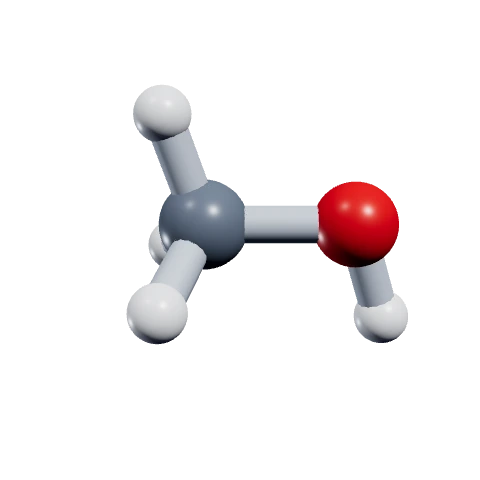


Methanol fuel cells are redefining portable and stationary power generation by converting liquid methanol directly into electricity through electrochemical reactions. Unlike hydrogen fuel cells that require pressurized gas storage, methanol fuel cells use an energy-dense liquid that is easy to transport, store, and refuel. With electrical efficiencies reaching 30-60% and applications spanning military field power to marine propulsion, Direct Methanol Fuel Cells (DMFCs) and Reformed Methanol Fuel Cells (RMFCs) represent one of the most practical pathways to clean, reliable, off-grid energy. This comprehensive technical guide covers the science, applications, fuel requirements, and safety protocols for methanol-based power generation—plus how high-purity methanol from Alliance Chemical ensures peak performance.
The Science of Methanol Energy Conversion
Methanol (CH₃OH) stores chemical energy in carbon-hydrogen bonds that can be unlocked through two primary electrochemical pathways. Both approaches offer distinct advantages depending on power requirements, system complexity, and application environment.
Direct Methanol Fuel Cells (DMFCs)
DMFCs are proton-exchange membrane (PEM) fuel cells that consume a liquid methanol-water mixture at the anode without intermediate reforming steps. The overall cell reaction is:
DMFC Electrochemistry
Anode: CH₃OH + H₂O → CO₂ + 6H⁺ + 6e⁻ (platinum-ruthenium catalyst)
Cathode: 3/2 O₂ + 6H⁺ + 6e⁻ → 3H₂O (platinum catalyst)
Overall: CH₃OH + 3/2 O₂ → CO₂ + 2H₂O (theoretical voltage: 1.21 V per cell)
The elegance of the DMFC lies in its simplicity: no reformer, no hydrogen storage, no high-temperature components. Methanol is fed as a dilute aqueous solution (typically 1–5 mol/L) directly to the anode. Understanding chemical purity grades is essential here because even trace contaminants—sulfur, chlorides, or heavy metals—can permanently poison the platinum-based catalysts.
Reformed Methanol Fuel Cells (RMFCs)
For higher-power applications (1–50 kW), Reformed Methanol Fuel Cells use a two-stage process. First, methanol and water vapor pass through a heated catalytic reformer at 200–300°C to produce hydrogen-rich syngas. Then this hydrogen feeds a conventional PEM fuel cell stack, which achieves higher power densities than direct-methanol systems.
RMFCs achieve electrical efficiencies of 35–50%, making them competitive with small diesel generators while producing virtually zero local pollutants. The approach aligns with broader green chemistry principles by minimizing hazardous byproducts and maximizing atom economy.
DMFC vs. Other Fuel Cell Technologies
How do methanol fuel cells stack up against competing technologies? This comparison highlights why DMFCs and RMFCs occupy a unique niche in the clean energy landscape.
| Parameter | DMFC | RMFC | Hydrogen PEM | SOFC |
|---|---|---|---|---|
| Fuel | Liquid methanol-water | Methanol → H₂ | Compressed H₂ gas | Natural gas / biogas |
| Operating Temp | 60–90°C | 200–300°C (reformer) | 60–80°C | 600–1000°C |
| Electrical Efficiency | 20–30% | 35–50% | 40–60% | 45–65% |
| Power Range | 1 W – 5 kW | 1 kW – 50 kW | 1 kW – 1 MW | 1 kW – 250 kW |
| Fuel Storage | Simple liquid tank | Simple liquid tank | High-pressure cylinders | Gas pipeline / tank |
| Startup Time | Seconds | 5–15 minutes | Seconds | 30–60 minutes |
| Best Use Case | Portable / low-power | Backup / off-grid | Vehicles / grid | Stationary / CHP |
The key methanol advantage is fuel logistics. Liquid methanol requires no pressurization, no cryogenic storage, and no special infrastructure—it can be transported in standard containers, stored safely at ambient conditions, and refueled in seconds. For field operations, this is a decisive benefit that solvents experts and industrial solvent professionals recognize immediately.
Methanol Concentration and Performance
The methanol-to-water ratio in the fuel feed critically affects DMFC performance. Too high a concentration increases methanol crossover through the membrane (wasting fuel and reducing voltage), while too low a concentration starves the anode and limits current output.
| Methanol Concentration | Molarity | Crossover Rate | Power Output | Best Application |
|---|---|---|---|---|
| 1–2% (v/v) | 0.25–0.5 M | Very low | Low | Ultra-long-run sensors |
| 3–5% (v/v) | 0.75–1.25 M | Low | Moderate | Portable electronics |
| 6–10% (v/v) | 1.5–2.5 M | Moderate | Peak | Field power / military |
| 15–25% (v/v) | 3.7–6.2 M | High | Reduced | Reformer feed (RMFC) |
| 60% (v/v) | ~15 M | N/A (reformer) | High (via RMFC) | Concentrated fuel cartridge |
Pro Tip: Pre-Mixed Fuel Solutions
For RMFC systems, a pre-blended 60/40 Methanol/DI Water Solution (ACS Grade) (also stocked in Technical Grade) eliminates mixing errors and ensures ultra-pure water quality. Mineral ions from tap water can foul membrane electrode assemblies in as few as 500 operating hours. This same methanol/DI water blend is also used in aflatoxin testing of peanuts, demonstrating the versatility of high-purity methanol solutions across industries.
Key Applications: Where Methanol Fuel Cells Excel
Methanol fuel cells fill a critical gap between batteries (limited energy) and diesel generators (heavy, polluting). Here are the sectors driving adoption:
Portable Field Power
Military and emergency responders use DMFC packs for multi-day missions. A 2 kg methanol cartridge stores 10x the energy of an equivalent lithium-ion battery, powering radios, GPS, NVGs, and tactical electronics silently.
Backup Power Systems
Telecom towers, data centers, and hospitals deploy RMFC generators for extended outages. Methanol can be stored for years without degradation, unlike diesel which breaks down and requires treatment.
Marine Propulsion
Container ships and ferries are transitioning to methanol engines. Methanol’s low sulfur content eliminates SOx emissions, and its water solubility means spills biodegrade rapidly versus petroleum bunker fuel.
Remote Sensors & IoT
Environmental monitors, weather stations, and pipeline sensors in remote locations use micro-DMFCs to operate for months without maintenance, far exceeding solar-battery systems in low-light conditions.
Material Handling
Forklifts and warehouse vehicles benefit from 2-minute methanol refueling versus 8-hour battery recharges. Major logistics companies including Amazon and FedEx have deployed methanol fuel cell fleets.
Agriculture & Livestock
Beyond power generation, methanol serves agricultural applications including freeze branding of cattle, where its rapid cooling properties enable humane and permanent livestock identification.
Why Is the U.S. Military Adopting Methanol Fuel Cells?
The U.S. military is trading heavy battery loads for methanol fuel cells because a soldier can carry days of silent, cold-start power in a few liters of liquid fuel. On September 22, 2025, Advent Technologies rolled out the first batch of its Honey Badger 50 (HB50) portable fuel cells at its plant in Livermore, California, under a contract named the "Honey Badger Design Lock for Future Adoption" with the U.S. Department of Defense. It is a concrete signal that methanol power has moved from pilot to procurement.

The HB50 delivers up to 50 W of near-silent power from hot-swappable methanol cartridges. Rather than burning the fuel, it uses a high-temperature Ion Pair™ membrane electrode assembly that reforms methanol into hydrogen on the fly — a reformed-methanol fuel cell in a soldier-portable package.
Honey Badger 50 — by the numbers
50 W continuous near-silent output • ~65% reduction in carried weight over a 72-hour mission versus batteries • operating range −20 °C to +55 °C • 3–7 day missions without resupply. Source: Advent Technologies.
The appeal is logistics and signature. A diesel genset is heavy, loud, and throws a thermal signature; batteries are heavy and run down. A methanol fuel cell runs silently with no meaningful heat or acoustic signature, and a compact methanol cartridge stores far more energy than an equivalent-weight lithium-ion battery — which is why methanol packs are favored for multi-day missions powering radios, GPS, night-vision, and surveillance electronics.
The trend is global, not just American: India's defence forces ordered 450 portable methanol fuel cell systems from Germany's SFC Energy for high-altitude operations, one of the largest military methanol fuel cell deployments to date.
What Does California's 2028 Generator Rule Mean for Clean Backup Power?
Starting January 1, 2028, new portable generators sold in California must meet zero-emission standards under the California Air Resources Board's Small Off-Road Engine (SORE) regulation — effectively ending new gas-generator sales in the state. The rule targets spark-ignition engines under 25 horsepower, and between 2024 and 2028 new units already have to cut pollutants by 40–90% versus the prior standard.

Read the rule correctly
CARB's SORE regulation restricts the sale of new gas generators, not the use of generators Californians already own. You can keep running an existing compliant unit. The deadline reshapes what is available to buy new — and that is what pulls clean backup power into the market. Source: California Air Resources Board.
As gas gensets phase out, the vacuum is filled by zero-emission backup: batteries, hydrogen, and methanol fuel cell generators. Methanol's edge for multi-day outages is fuel stability and speed — methanol stores for years without the gumming and treatment diesel requires, and a fuel cell refuels in minutes rather than waiting hours for a battery to recharge. For telecom sites, clinics, and homes that need days of quiet power during a wildfire-season shutoff, that combination is hard to beat.
There is a fitting symmetry here: Advent builds the Army's methanol fuel cells in Livermore, California — the same state writing gas generators out of the market. The military-adoption story and the clean-backup-power story converge at one address, and both run on the same fuel we stock.
Methanol Fuel Cell vs. Gas Generator, Battery & Diesel
If you are choosing backup or field power, the honest comparison is not "clean vs. dirty" — it is a set of trade-offs. Here is how a methanol fuel cell stacks up against the three alternatives it usually replaces.
| Factor | Methanol Fuel Cell | Gas Generator | Battery Bank | Diesel Generator |
|---|---|---|---|---|
| Noise | Near-silent | Loud | Silent | Loud |
| Point-of-use emissions | Water + CO₂, no NOx or soot | CO, NOx, particulates | None | NOx, soot, particulates |
| Fuel storage life | Years (stable) | Months (gums up) | Self-discharges | Months; needs treatment |
| Refuel / recharge | Minutes (swap cartridge) | Minutes | Hours | Minutes |
| Weight for multi-day power | Light | Heavy | Very heavy | Heavy |
| Best fit | Quiet, multi-day, remote/field | Cheap short-term power | Short, silent, rechargeable | High continuous load |
The pattern is clear: batteries win on short, silent, rechargeable jobs; diesel wins on heavy continuous load; and the methanol fuel cell owns the middle nobody else covers well — quiet power that lasts days, refuels in minutes, and stores its fuel for years. That is exactly the profile field crews and wildfire-season backup need.
Key Numbers & Sources
The load-bearing facts in this guide, with primary sources:
- Honey Badger 50 output: up to 50 W near-silent power — Advent Technologies
- Carried-weight reduction: ~65% over a 72-hour mission vs. batteries — Advent Technologies
- Operating range: −20 °C to +55 °C; 3–7 day missions without resupply — Hydrogen Fuel News
- U.S. Army delivery: first batch rolled out Sept 22, 2025 (DoD "Design Lock for Future Adoption" contract) — Advent Technologies
- California zero-emission standard for new portable generators: January 1, 2028 (CARB SORE rule) — California Air Resources Board
- Methanol energy density: 15.6 MJ/L — enables long runtime from a compact fuel volume.
The Critical Role of Fuel Purity
Fuel cell catalysts are measured in nanometers—platinum particles just 2–5 nm in diameter dispersed on carbon supports. At this scale, even parts-per-million concentrations of contaminants can be devastating. Impurities commonly found in low-grade methanol include:
- Sulfur compounds – Irreversibly bind to platinum active sites (catalyst poisoning)
- Chloride ions – Corrode membrane electrode assemblies and dissolve platinum
- Heavy metals (Fe, Cu, Zn) – Deposit on catalyst layers, blocking reactant access
- Organic residues – Foul proton-exchange membranes, increasing resistance
Recommended Methanol Grades for Fuel Cells
| Application | Recommended Grade | Key Specification | Product |
|---|---|---|---|
| DMFC (research/lab) | ACS Reagent Grade | ≥99.8% purity, <1 ppm sulfur | Methanol ACS Grade |
| RMFC (commercial) | ACS or Technical Grade | ≥99.5% purity | Methanol Technical Grade |
| Pre-mixed RMFC fuel | ACS 60/40 blend | DI water, no mineral ions | 60/40 MeOH/DI Solution |
| Generator (large-scale) | Technical Grade | ≥99.0% purity | Methanol Technical Grade |
Proper chemical storage also plays a role in maintaining purity after purchase. Review the safe storage tips for acids, bases, and solvents to ensure your methanol supply remains contaminant-free from delivery to consumption.
The Green Methanol Revolution
Today, most methanol is produced by reforming natural gas—a process with a significant carbon footprint. The future, however, belongs to green methanol: chemically identical CH₃OH produced via sustainable pathways.
Biomethanol
Gasification of agricultural waste, forestry residues, or municipal solid waste produces syngas (CO + H₂) that is catalytically converted to methanol. This pathway diverts waste from landfills while producing carbon-neutral fuel. The intersection of chemistry and sustainability is explored further in our guide on green chemistry principles.
E-Methanol (Power-to-Liquid)
The most transformative pathway combines captured CO₂ (from industrial flue gas or direct air capture) with green hydrogen produced by wind or solar-powered electrolysis. The synthesis reaction is:
E-Methanol Synthesis
CO₂ + 3H₂ → CH₃OH + H₂O
When both the CO₂ and H₂ come from renewable sources, the resulting methanol is fully carbon-neutral—a liquid fuel synthesized from air, water, and sunlight.
Shipping giant Maersk has ordered 19 large container vessels that will run on green methanol, and the European Union’s FuelEU Maritime regulation mandates increasing renewable fuel usage starting in 2025. These developments position methanol as a cornerstone of the decarbonized energy economy.
Safety Protocols for Methanol Handling
⚠️ CRITICAL: Methanol Is Toxic and Flammable
Methanol is acutely toxic to humans. As little as 10 mL can cause permanent blindness, and 60–240 mL can be fatal. It is rapidly absorbed through ingestion, inhalation, and skin contact. Unlike ethanol, the human body metabolizes methanol into formaldehyde and formic acid, which destroy the optic nerve and cause metabolic acidosis.
- Ingestion hazard: Methanol is colorless and nearly odorless—it can be mistaken for water or ethanol. Never store in food containers. Keep locked and labeled at all times.
- Flammability: Flash point 11°C (52°F). Methanol flames are nearly invisible in daylight. Eliminate all ignition sources. Keep Class B fire extinguisher accessible.
- Inhalation: TLV-TWA is 200 ppm. Use NIOSH-approved respirators with organic vapor (OV) cartridges in enclosed spaces.
- Skin absorption: Methanol penetrates nitrile and latex gloves within minutes. Use butyl rubber gloves (minimum 0.3 mm thickness) for extended contact.
- PPE requirements: Chemical splash goggles, face shield, butyl rubber gloves, chemical-resistant apron. Work in well-ventilated areas with mechanical exhaust.
- Spill response: Absorb with vermiculite or dry sand. Do not flush to storm drains. Methanol is water-miscible and toxic to aquatic organisms at high concentrations.
- First aid: If ingested, administer ethanol or fomepizole as antidote and seek emergency medical attention immediately. Do NOT induce vomiting.
For comprehensive chemical storage guidance covering methanol and other solvents, see our detailed guide on safe storage tips for acids, bases, and solvents.
Frequently Asked Questions
Q: How long can a methanol fuel cell run on a single fuel cartridge?
Runtime depends on power draw and cartridge size, but methanol’s energy density (15.6 MJ/L) means a 1-liter cartridge can power a 25 W DMFC for approximately 50–70 hours continuously. Larger RMFC systems with 20-liter tanks can run backup generators for 200+ hours at 1 kW output—far exceeding battery-only solutions.
Q: What grade of methanol should I use for fuel cell applications?
For Direct Methanol Fuel Cells (DMFCs), always use ACS Reagent Grade methanol (≥99.8% purity) to protect sensitive platinum catalysts from sulfur and chloride contamination. For Reformed Methanol Fuel Cells with less sensitive reformer catalysts, high-quality Technical Grade methanol (≥99.5%) is acceptable for commercial deployments.
Q: Are methanol fuel cells better than lithium-ion batteries?
They serve different needs. Lithium-ion batteries excel at high power density (quick bursts of energy) and are ideal for short-duration, rechargeable applications. Methanol fuel cells excel at energy density—providing sustained power over days or weeks without recharging. For military field operations, remote sensors, or extended backup power, methanol fuel cells are superior. For smartphones and EVs, batteries remain the better choice.
Q: Is methanol a carbon-neutral fuel?
Conventional methanol produced from natural gas is not carbon-neutral. However, green methanol—produced by combining captured CO₂ with renewable hydrogen—is fully carbon-neutral on a lifecycle basis. Biomethanol from waste gasification is also carbon-neutral since the carbon was recently captured from the atmosphere by the source biomass.
Q: Can I use regular hardware-store methanol in a fuel cell?
No. Hardware-store methanol (often labeled "wood alcohol" or "methyl hydrate") typically contains significant impurities including water, acetone, and other alcohols. These contaminants will poison fuel cell catalysts and void manufacturer warranties. Always source fuel cell methanol from a reputable chemical supplier that will give you the Certificate of Analysis (CoA) for the batch you receive.
Power Your Innovation with High-Purity Methanol
From laboratory DMFC research to commercial RMFC generators, fuel cell performance begins with fuel purity. Alliance Chemical supplies ACS Reagent Grade and Technical Grade methanol in quantities from 500 mL to 55-gallon drums, with batch-specific Certificates of Analysis.
Shop Methanol ProductsRequest a QuoteBuying this chemical? See our Methanol Supplier Comparison for supplier comparisons, grade selection, and pricing guidance.
References & Authoritative Sources
Chemical identity, properties, and safety data sourced from the U.S. National Library of Medicine's PubChem database — the authoritative open-chemistry data resource maintained by the National Institutes of Health.
- PubChem CID 887: 60/40 Methanol/DI Water Solution ACS Grade — National Center for Biotechnology Information, U.S. National Library of Medicine. CAS 67-56-1.
- PubChem CID 962: Deionized Water — National Center for Biotechnology Information, U.S. National Library of Medicine. CAS 7732-18-5.
- PubChem CID 180: Acetone Technical Grade — National Center for Biotechnology Information, U.S. National Library of Medicine. CAS 67-64-1.
Related: Methanol Is Being Squeezed From Both Ends — the 2026 supply and price picture behind the methanol in this guide.
Frequently asked questions
How do methanol fuel cells work?
Direct Methanol Fuel Cells (DMFCs) convert methanol directly to electricity through an electrochemical reaction at the anode, where methanol reacts with water to produce CO2, protons, and electrons. Reformed Methanol Fuel Cells (RMFCs) first convert methanol to hydrogen gas, which then powers a standard hydrogen fuel cell.
What grade of methanol is needed for fuel cells?
High-purity methanol (ACS Reagent Grade or higher) is required for fuel cells. Contaminants can poison the catalyst, blocking reaction sites and reducing efficiency and lifespan. Using technical or lower-grade methanol risks permanent damage to expensive catalyst materials.
What are the advantages of methanol fuel cells over batteries?
Methanol fuel cells offer instant refueling (minutes vs hours of charging), higher energy density for longer runtime, no degradation over charge cycles, and consistent power output. They are ideal for backup power, remote locations, and applications where extended runtime is critical.
Is methanol fuel safe to handle?
Methanol is flammable and toxic. It must be handled with proper PPE including chemical-resistant gloves and safety goggles, in well-ventilated areas. It burns with a nearly invisible flame, so special fire detection equipment may be needed. Always follow SDS guidelines and store in approved containers away from ignition sources.
What is green methanol?
Green methanol is produced from renewable sources like biomass, captured CO2, and green hydrogen. It offers a carbon-neutral fuel pathway because the CO2 released during use equals the CO2 captured during production. Major shipping companies are already adopting green methanol as a marine fuel.
Is the U.S. military really using methanol fuel cells?
Yes. In September 2025, Advent Technologies delivered its Honey Badger 50 methanol fuel cells to the U.S. Army under a Department of Defense adoption contract. Each unit provides up to 50 watts of near-silent power and cuts a soldier’s carried weight by roughly 65% over a 72-hour mission compared with batteries.
Will methanol generators replace gas generators in California?
California’s CARB Small Off-Road Engine (SORE) regulation requires new portable generators sold in the state to meet zero-emission standards starting January 1, 2028. It restricts the sale of new gas generators, not the use of units already owned, and is accelerating adoption of zero-emission backup power — including methanol fuel cell generators, which store fuel safely for years and refuel in minutes.
Related Chemical Collections
About the author
Andre Taki
This article is for informational purposes only.


