



From Cloudy to Clear: The Essential Role of Aluminum Sulfate in Coagulation & Flocculation
Aluminum sulfate drives the coagulation and flocculation processes essential for municipal and industrial water treatment.
Alum Coagulant Fundamentals in Water Treatment
When managing turbid water, operators rely on an alum coagulant to initiate the clarification process. Suspended solids, such as clay, silt, and organic matter, naturally carry a negative electrical charge. Because like charges repel, these microscopic particles remain suspended indefinitely, causing cloudy or turbid water. This state of suspension is maintained by Brownian motion and the electrostatic repulsion between particles. Alum water treatment solves this by introducing highly positive aluminum ions into the system.
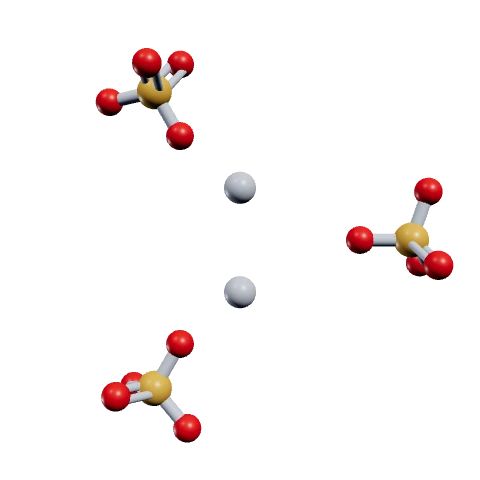
Upon addition to the raw water, aluminum sulfate rapidly dissociates. The positive ions immediately attract and neutralize the negatively charged colloidal particles. This charge neutralization is the defining mechanism of coagulation. Without the repulsive forces keeping them apart, the particles are free to collide and bind together. This initial chemical reaction occurs in a matter of seconds and requires rapid, high-energy mixing to ensure the coagulant is evenly distributed throughout the water matrix before the reaction completes.
Plant operators must ensure the flash mixing phase is aggressive enough to disperse the chemical instantaneously. Failure to achieve proper dispersion results in localized overdosing and underdosing, leading to inefficient chemical usage and poor water quality. We supply aluminum sulfate to facilities that depend on this rapid neutralization to handle fluctuating influent turbidity. By destabilizing the suspended solids, the alum coagulant sets the necessary foundation for the subsequent physical stages of water clarification.
Industrial facilities and municipal plants alike monitor influent turbidity continuously to adjust their coagulant feed. The goal is to provide exactly enough positive charge to neutralize the negative charge of the incoming solids. When this balance is achieved, the water is primed for the next phase of treatment. Using a high-quality aluminum sulfate ensures that this charge neutralization happens predictably and efficiently, regardless of the specific contaminants present in the raw water.
The Mechanics of an Alum Flocculant System
While coagulation is a rapid chemical reaction, the subsequent phase relies on physical mechanics. An alum flocculant system requires controlled, gentle agitation to encourage the neutralized micro-particles to collide and aggregate. This process, known as flocculation, transforms microscopic pin-floc into larger, visible masses called macro-flocs. As the particles continue to collide, they stick together, increasing in both size and density.
The success of an alum flocculant depends heavily on the mixing energy applied during this stage. Operators must transition from the high-energy flash mixing used during coagulation to a slow, deliberate mixing speed. If the agitation is too aggressive, the shear forces will tear the delicate flocs apart, returning the particles to a suspended state. If the mixing is too slow, the particles will not collide frequently enough to build sufficient mass. In many advanced treatment plants, operators will introduce a secondary polymer during this stage to act as a bridge, binding the alum flocs into even larger, more resilient structures.
Implement rapid mixing (flash mixing) immediately upon adding the alum coagulant to ensure even distribution. Transition to slow, gentle mixing during the flocculation stage to build floc size without breaking it.
As the macro-flocs grow, they eventually become heavy enough to overcome the natural buoyancy of the water. The water then flows into a clarifier or settling basin, where the reduced velocity allows the heavy flocs to settle to the bottom as sludge. The clear, treated supernatant water remains at the top and flows over weirs for further filtration or discharge. Maintaining the correct physical environment for flocculation ensures that the maximum amount of suspended solids is removed during the settling phase, reducing the load on downstream filters and improving overall plant efficiency. Our customers frequently monitor their flocculation basins to adjust mixing speeds based on seasonal temperature changes, which affect water viscosity and settling rates.
Managing Alum pH and Alkalinity Requirements
The effectiveness of aluminum sulfate is strictly governed by the water's chemistry, specifically the alum pH and total alkalinity. For aluminum sulfate to form the insoluble aluminum hydroxide precipitates that make up the bulk of the floc, the water must remain within an optimal pH range. Based on standard treatment profiles, this range typically falls between 5.8 and 7.2. Operating outside this window significantly degrades performance.
Because aluminum sulfate is an acidic salt, adding it to a water system naturally consumes alkalinity and drives the pH downward. If the source water lacks sufficient natural alkalinity to buffer this addition, the pH will plummet below the effective range. When the alum pH drops too low, the aluminum remains dissolved in the water rather than forming solid floc particles. This not only prevents clarification but also leads to elevated dissolved aluminum levels in the finished water, which is unacceptable for municipal drinking water and many industrial processes.
To prevent this, operators must continuously monitor alkalinity and supplement it when necessary. We frequently supply Soda Ash to facilities specifically for this purpose. Injecting soda ash ahead of the coagulant provides the necessary buffering capacity, ensuring the pH remains stable during the coagulation process. Proper pH management maximizes the efficiency of the aluminum sulfate, reduces overall chemical consumption, and guarantees compliance with finished water quality standards.
Facilities often employ automated pH and alkalinity sensors that tie directly into their chemical feed pumps, allowing for real-time adjustments. This automated control prevents sudden pH drops during periods of high coagulant demand, ensuring the flocculation process remains stable and effective around the clock. Understanding the relationship between coagulant dose and alkalinity consumption is a fundamental skill for water treatment operators. For every part per million of alum added, a specific amount of alkalinity is destroyed. Calculating this ratio allows plants to pace their soda ash feed accurately, preventing both low pH excursions and unnecessary chemical waste.
Selecting the Best Alum Solution for Cleaning and Clarification
Determining the best alum solution for cleaning and clarification depends entirely on the purity requirements of your specific application. Alliance Chemical stocks multiple grades of aluminum sulfate to accommodate everything from heavy industrial wastewater to sensitive laboratory processes.
For bulk municipal water treatment and industrial effluent clarification, Aluminum Sulfate 50% serves as the standard workhorse. This technical-grade solid provides a highly concentrated, cost-effective option for large-scale operations. With a molecular weight of 342.2 and a melting point of 770°C (1418°F), it delivers the raw coagulating power needed to handle high-turbidity influent. It is highly water soluble, making it easy to transition into a liquid feed solution on-site.
| Property | Aluminum Sulfate 50% (Technical) | Aluminum Sulfate Hydrate (ACS) |
|---|---|---|
| CAS Number | 10043-01-3 | 7784-31-8 |
| Molecular Weight | 342.2 | 666.4 |
| Melting Point | 770°C (1418°F) | 86°C (186.8°F) |
| Appearance | White crystalline powder | White crystalline powder, granular texture |
Conversely, applications requiring strict purity controls demand a more refined product. Aluminum Sulfate Hydrate ACS Grade is manufactured to meet the rigorous standards of the American Chemical Society. This grade appears as a white crystalline powder with a granular texture and features a molecular weight of 666.4. It offers high water solubility and moderate solubility in organic solvents. The ACS grade is the best alum solution for cleaning processes in sensitive manufacturing environments, laboratory reagent preparation, and specialized chemical synthesis where trace impurities would disrupt the final product.
By matching the chemical grade to the operational requirement, facilities optimize their treatment costs while maintaining the necessary quality controls. We ship both technical and ACS grades to support diverse industrial sectors. When selecting between the two, purchasing managers must weigh the cost savings of the technical grade against the stringent purity guarantees of the ACS grade. For standard wastewater clarification, the technical grade is almost always the correct choice, whereas pharmaceutical or high-tech manufacturing will strictly require the ACS certification.
Dosing Strategies and Jar Testing Protocols
Accurate dosing is the most critical operational variable when deploying aluminum sulfate. Adding too little coagulant leaves the water cloudy, as there are not enough aluminum ions to neutralize the suspended particles. However, adding too much coagulant creates a more severe problem known as charge reversal.
In an overdose scenario, the particles absorb an excess of positive aluminum ions, causing them to become positively charged. Because they once again share the same charge, they repel each other and restabilize in the water column, completely halting the flocculation process.
To determine the exact dosage required, operators rely on jar testing. A jar test is a bench-scale simulation of the plant's coagulation and flocculation process. By testing multiple samples of raw water with varying doses of aluminum sulfate, operators can visually identify the optimal concentration that produces the largest floc and the clearest supernatant. Because raw water conditions—such as turbidity, temperature, and organic content—fluctuate constantly, jar testing must be performed regularly. A dose that works perfectly during a dry summer month will likely fail during a heavy spring rain event when influent turbidity spikes.
Our team advises operators to establish a strict jar testing schedule to adjust their feed rates proactively. Maintaining precise dosing not only ensures consistent water quality but also minimizes the volume of chemical sludge generated in the clarifiers. Aluminum hydroxide sludge is notoriously difficult to dewater, and excessive sludge production drives up disposal costs significantly. By dialing in the exact required dose, plants can reduce their sludge volume, lower their chemical spend, and maintain optimal clarifier performance without risking charge reversal.
Modern treatment facilities often supplement manual jar testing with streaming current monitors. These inline devices measure the net electrical charge of the water immediately after the coagulant is added, providing real-time feedback on the effectiveness of the dose. When combined with traditional jar testing, this technology allows for incredibly precise control over the coagulation process.
Storage, Handling, and Material Compatibility
Proper storage and handling of aluminum sulfate are necessary to maintain chemical integrity and protect plant personnel. As an acidic compound, aluminum sulfate is highly corrosive to standard metals, particularly carbon steel and aluminum. Storage tanks, piping, and pump components must be constructed from corrosion-resistant materials. Fiberglass reinforced plastic (FRP), high-density polyethylene (HDPE), and specific grades of stainless steel are standard choices for bulk storage systems.
When handling the dry, white crystalline powder, operators must manage dust generation. Inhalation of aluminum sulfate dust causes respiratory irritation, while contact with moisture on the skin or in the eyes leads to acidic burns. Personnel handling the solid material must wear appropriate personal protective equipment, including chemical-resistant gloves, safety goggles, and respiratory protection if ventilation is inadequate.
For liquid solutions, temperature control is a primary storage consideration. Aluminum sulfate solutions will crystallize or freeze if temperatures drop too low. Facilities located in colder climates must heat and insulate their storage tanks and transfer lines to prevent blockages. If crystallization occurs, the chemical feed system will fail, immediately compromising the water treatment process. We recommend consulting the specific safety data sheet (SDS) for exact freezing points and handling guidelines based on the concentration of the solution in use.
Implementing robust storage protocols ensures the coagulant remains ready for deployment at all times. In the event of a spill, the acidic nature of the chemical requires immediate neutralization. Small spills of dry powder should be swept up carefully to avoid creating airborne dust, while liquid spills should be contained and neutralized with a mild base like soda ash before final cleanup and disposal according to local environmental regulations.
Industrial Applications Beyond Municipal Water
While municipal drinking water and wastewater treatment are the most visible applications, aluminum sulfate plays a foundational role in numerous industrial sectors. In the pulp and paper industry, alum is utilized extensively as a sizing agent. It binds rosin size to the cellulose fibers, improving the paper's resistance to water and ink penetration. This process requires precise pH control, often utilizing the ACS grade to prevent unwanted discoloration or degradation of the paper quality. Additionally, alum serves as a retention aid, helping to keep fine fibers and filler materials within the paper web during the manufacturing process.
In environmental management, aluminum sulfate is deployed for lake and pond restoration. Excessive phosphorus runoff from agricultural and urban areas causes severe algae blooms, which deplete oxygen and devastate aquatic ecosystems. Applying alum to the water column strips the dissolved phosphorus from the water, binding it into an insoluble floc that settles to the bottom. This creates a barrier on the lakebed, preventing the phosphorus from re-entering the water cycle and effectively starving the algae.
Industrial manufacturing facilities also rely on aluminum sulfate to treat their specific effluent streams before discharging to municipal sewers. Whether removing heavy metals, suspended solids, or complex organic compounds, the coagulation mechanism remains the same. Beyond these uses, aluminum sulfate acts as a mordant in the textile industry, helping dyes bond permanently to fabrics. It is also used in the construction industry as an accelerating admixture in concrete, speeding up the curing process in cold weather.
Alliance Chemical supplies the necessary grades and volumes to support these diverse industrial applications, ensuring facilities meet their specific operational and environmental targets across a wide range of disciplines.
| Property | Aluminum Sulfate 50% (Technical) | Aluminum Sulfate Hydrate (ACS) |
|---|---|---|
| CAS Number | 10043-01-3 | 7784-31-8 |
| Molecular Weight | 342.2 | 666.4 |
| Melting Point | 770°C (1418°F) | 86°C (186.8°F) |
| Appearance | White crystalline powder | White crystalline powder, granular texture |
Frequently Asked Questions
What is an alum coagulant used for?
An alum coagulant is primarily used in water treatment to neutralize the negative electrical charges on suspended particles like clay, silt, and organic matter. This charge neutralization allows the particles to collide and bind together, initiating the clarification process.
How does an alum flocculant work?
After coagulation neutralizes the particles, an alum flocculant system uses gentle mixing to encourage these micro-particles to aggregate into larger, heavier masses called macro-flocs. These heavy flocs then settle to the bottom of a clarifier, leaving clear water behind.
What is the optimal alum pH for water treatment?
The optimal pH range for aluminum sulfate to form insoluble floc is typically between 5.8 and 7.2. Operating outside this range can prevent floc formation and lead to elevated levels of dissolved aluminum in the treated water.
What is the best alum solution for cleaning industrial wastewater?
For bulk industrial wastewater cleaning and clarification, Aluminum Sulfate 50% (Technical Grade) is generally the best and most cost-effective solution. For sensitive laboratory or manufacturing processes requiring strict purity, Aluminum Sulfate Hydrate ACS Grade is required.
How do you prevent charge reversal during alum water treatment?
Charge reversal occurs when too much coagulant is added, causing particles to become positively charged and repel each other. To prevent this, operators must perform regular jar testing to determine the exact dosage required based on current raw water conditions.
Why is soda ash used alongside aluminum sulfate?
Aluminum sulfate is acidic and consumes the natural alkalinity of the water, which can drive the pH below the optimal range for coagulation. Soda ash is added to supplement alkalinity and buffer the water, ensuring the pH remains stable during treatment.
Ready to optimize your water treatment process? Alliance Chemical stocks high-purity aluminum sulfate and pH-balancing soda ash for industrial and municipal applications. Browse our catalog to secure the right chemistry for your facility.
Aluminum Sulfate 50%Aluminum Sulfate Hydrate ACS GradeSoda AshReferences & Authoritative Sources
Chemical identity, properties, and safety data sourced from the U.S. National Library of Medicine's PubChem database — the authoritative open-chemistry data resource maintained by the National Institutes of Health.
- PubChem CID 10340: Soda Ash — National Center for Biotechnology Information, U.S. National Library of Medicine. CAS 497-19-8.
- PubChem CID 24850: Aluminum Sulfate 50% — National Center for Biotechnology Information, U.S. National Library of Medicine. CAS 10043-01-3.
- PubChem CID 22377415: Aluminum Sulfate Hydrate ACS Grade — National Center for Biotechnology Information, U.S. National Library of Medicine. CAS 7784-31-8.
Key numbers and sources
| Fact | Value | Source |
|---|---|---|
| CAS Number (Aluminum Sulfate 50% Technical) | 10043-01-3 | pubchem.ncbi.nlm.nih.gov |
| CAS Number (Aluminum Sulfate Hydrate ACS) | 7784-31-8 | pubchem.ncbi.nlm.nih.gov |
| Molecular Weight (Aluminum Sulfate 50% Technical) | 342.2 | pubchem.ncbi.nlm.nih.gov |
| Molecular Weight (Aluminum Sulfate Hydrate ACS) | 666.4 | pubchem.ncbi.nlm.nih.gov |
| Melting Point (Aluminum Sulfate 50% Technical) | 770°C (1418°F) | pubchem.ncbi.nlm.nih.gov |
| Melting Point (Aluminum Sulfate Hydrate ACS) | 86°C (186.8°F) | pubchem.ncbi.nlm.nih.gov |
| Optimal pH range for aluminum sulfate coagulation | 5.8 and 7.2 | See article text |
Related: Why Your Ferric Chloride Dose Keeps Climbing: The Sponge Mechanism Behind Phosphorus Removal, and How to Size It — the same coagulation chemistry from the iron side, with the phosphorus dose curve explained.
Related: Aluminum Sulfate for Hydrangeas: How to Make Hydrangeas Blue (Dose, Soil pH and Timing) — the same alum outside the treatment plant: how aluminum sulfate turns hydrangeas blue.
Related: How to Make Tofu with Nigari (Magnesium Chloride): Recipe, Dose by Weight and the Chemistry — the same charge-neutralizing chemistry in the kitchen: how nigari coagulates soy proteins into tofu.
Frequently asked questions
What is an alum coagulant used for?
An alum coagulant is primarily used in water treatment to neutralize the negative electrical charges on suspended particles like clay, silt, and organic matter. This charge neutralization allows the particles to collide and bind together, initiating the clarification process.
How does an alum flocculant work?
After coagulation neutralizes the particles, an alum flocculant system uses gentle mixing to encourage these micro-particles to aggregate into larger, heavier masses called macro-flocs. These heavy flocs then settle to the bottom of a clarifier, leaving clear water behind.
What is the optimal alum pH for water treatment?
The optimal pH range for aluminum sulfate to form insoluble floc is typically between 5.8 and 7.2. Operating outside this range can prevent floc formation and lead to elevated levels of dissolved aluminum in the treated water.
What is the best alum solution for cleaning industrial wastewater?
For bulk industrial wastewater cleaning and clarification, Aluminum Sulfate 50% (Technical Grade) is generally the best and most cost-effective solution. For sensitive laboratory or manufacturing processes requiring strict purity, Aluminum Sulfate Hydrate ACS Grade is required.
How do you prevent charge reversal during alum water treatment?
Charge reversal occurs when too much coagulant is added, causing particles to become positively charged and repel each other. To prevent this, operators must perform regular jar testing to determine the exact dosage required based on current raw water conditions.
Why is soda ash used alongside aluminum sulfate?
Aluminum sulfate is acidic and consumes the natural alkalinity of the water, which can drive the pH below the optimal range for coagulation. Soda ash is added to supplement alkalinity and buffer the water, ensuring the pH remains stable during treatment.
Related Chemical Collections
About the author
Andre Taki
This article is for informational purposes only.


