



Technical Guide · Metal Fabrication Wastewater
Master the chemistry of breaking coolant emulsions and clarifying industrial wash water with aluminum sulfate — the standard coagulant in EPA-regulated metal-finishing effluent treatment.
What is aluminum sulfate, and how does it treat metal-fabrication wastewater?
Aluminum sulfate is an inorganic coagulant that destabilizes oil-in-water emulsions and clarifies industrial wastewater by neutralizing the negative surface charges holding contaminants in suspension. In metal fabrication shops, daily effluent volumes from CNC machining, parts washers, and floor scrubbers contain emulsified cutting fluids, spent synthetic coolants, tramp oils, and suspended metal fines. Discharging this untreated water directly to municipal sewers violates local environmental regulations and incurs heavy surcharge fees. To remain compliant and control disposal costs, the industry-standard treatment is chemical coagulation using Aluminum Sulfate 50%, commonly referred to as alum.
When introduced into a wastewater stream, alum destabilizes the electrical charges that keep fine particles and oil droplets suspended. The contaminants carry a negative surface charge in untreated emulsion, causing them to repel each other and remain stable. Alum introduces highly positive Al3+ ions into the matrix, neutralizing those negative charges and allowing the particles to collide and agglomerate.
This transformation produces clear water and a distinct, settleable sludge. By separating solids and oils from the water phase, shops can decant the clear effluent for legal discharge or reuse. The remaining sludge volume is a fraction of the original wastewater — hauling a small volume of compacted sludge costs significantly less than paying vacuum trucks to transport thousands of gallons of dilute wastewater.
Implementing an alum-based system requires understanding the specific chemistry of your effluent. Different machining operations produce different waste profiles: grinding produces fine particulate, while CNC turning centers might contribute more emulsified tramp oil. Regardless of the specific contaminant profile, aluminum sulfate provides a versatile, cost-effective foundation for breaking emulsions and clarifying industrial wash water.
What are the chemical properties of aluminum sulfate 50%?
Aluminum sulfate is identified by CAS number 10043-01-3, has a molecular formula of Al2(SO4)3, and a molecular weight of 342.2 g/mol. Alliance Chemical supplies it as Aluminum Sulfate 50%, a technical-grade liquid formulation widely used in industrial applications. In its pure solid form it appears as a white crystalline powder.
It decomposes at 770°C (1418°F) rather than melting cleanly, and is stable under normal warehouse conditions. It does not have a flash point and is non-flammable. The most critical property for wastewater treatment is its high water solubility — this allows operators to easily dissolve the solid powder into a liquid solution or purchase pre-mixed liquid alum for automated dosing systems.
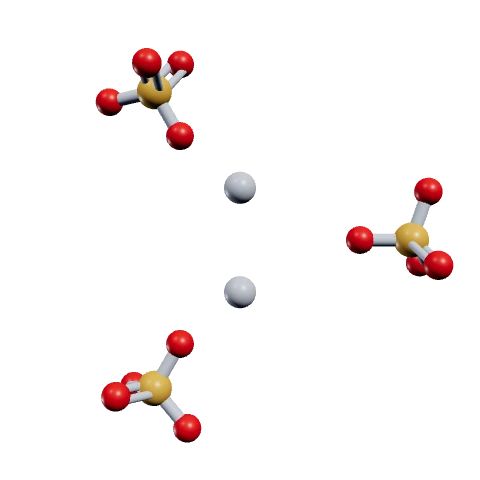
When dissolved in water, aluminum sulfate dissociates into Al3+ ions and SO42- ions. The trivalent aluminum ion is the active component that drives coagulation. Because it carries a highly positive charge, it is exceptionally efficient at neutralizing the negatively charged colloidal particles found in spent coolants and wash water.
| Property | Aluminum Sulfate 50% | Sodium Hydroxide 50% |
|---|---|---|
| CAS Number | 10043-01-3 | 1310-73-2 |
| Molecular Weight | 342.2 g/mol | 39.997 g/mol |
| Appearance | White crystalline solid; clear amber liquid at 50% | Clear, caustic liquid |
| Melting Point | 770°C (1418°F), with decomposition | 318-323°C (604-613°F) |
| Solubility in Water | High (870 g/L at 20°C) | Miscible (exothermic on dissolution) |
| pH of Aqueous Solution | 2.9 or higher (5% solution; acidic) | ~14 (strongly basic) |
Operators must consult the product SDS for specific hazard classifications, UN numbers, and packing groups before integrating the chemical into their facility. Because it is an acidic salt, aluminum sulfate solutions can be corrosive to certain metals over time. Storage tanks, piping, and dosing pumps should be constructed from compatible materials — high-density polyethylene (HDPE), fiberglass-reinforced plastic (FRP), or 316 stainless steel — to prevent equipment degradation.
Will aluminum sulfate dissolve in water?
Yes. Aluminum sulfate is freely soluble in water, about 1 part in 1 part of water, and insoluble in ethanol (PubChem CID 24850). The solution is acidic, pH 2.9 or higher at 5%, because the dissolved Al3+ hydrolyzes. That acidity is what consumes alkalinity in the treatment tank and why liquid alum goes in acid-resistant tanks and piping.
Is alum the same as aluminum sulfate? Is Epsom salt?
In water treatment, "alum" means aluminum sulfate. Potassium alum (potash alum) is a different double salt, listed in PubChem as a food-additive firming and raising agent (PubChem CID 24856). Epsom salt is magnesium sulfate, which contains no aluminum.
| Name | Formula | CAS | Molar mass (g/mol) | Contains aluminum? |
|---|---|---|---|---|
| Aluminum sulfate (water-treatment alum) | Al2(SO4)3 | 10043-01-3 | 342.2 (anhydrous) | Yes |
| Potassium alum, dodecahydrate | KAl(SO4)2·12H2O | 7784-24-9 | 474.4 | Yes |
| Epsom salt (magnesium sulfate heptahydrate) | MgSO4·7H2O | 10034-99-8 | 246.48 | No |
How does the coagulation and flocculation process work?
Treating fabrication wastewater is a two-step physical-chemical process: coagulation followed by flocculation. While these terms are often used interchangeably on the shop floor, they describe distinct phases of water clarification. Aluminum sulfate plays a primary role in the first phase and facilitates the second.
Coagulation is the rapid, chemical destabilization of the wastewater emulsion. When operators inject alum into the effluent tank, rapid mixing is required — the goal is to disperse the Al3+ ions evenly throughout the wastewater as quickly as possible. The positive ions immediately bind to the negatively charged oil droplets and metal fines. This charge neutralization happens within seconds. The previously stable emulsion breaks, and micro-flocs begin to form. These micro-flocs are tiny, tightly bound clusters of contaminants that are barely visible to the naked eye.
Once coagulation is complete, the process transitions to flocculation. Flocculation requires slow, gentle mixing. The objective is to encourage the micro-flocs to collide and stick together, forming larger, heavier masses called macro-flocs. As the aluminum sulfate reacts with the natural alkalinity in the water, it forms aluminum hydroxide [Al(OH)3], a gelatinous precipitate.
This gelatinous precipitate acts like a net, physically sweeping through the water column and enmeshing smaller particles — a mechanism known as sweep flocculation. The slow mixing prevents the fragile macro-flocs from shearing apart. As the flocs grow in size and density, they become heavy enough to overcome the fluid's buoyancy. When the mixing stops, these heavy flocs settle rapidly to the bottom of the clarifier tank, leaving a clear layer of treated water above.
What is the optimal pH for alum coagulation?
The optimal pH for alum coagulation is 5.5–7.5, with most metal-fabrication effluents performing best at 6.0–6.5. Aluminum sulfate is an acidic salt — when added to a treatment tank, it consumes the water's natural alkalinity and drives the pH downward. If pH drops below 4, the aluminum remains dissolved as soluble Al3+ rather than precipitating as the necessary Al(OH)3 floc.
Alum coagulation works between pH 5.5 and 7.5. Below pH 4: aluminum stays in solution (no floc). Above pH 8.5: aluminum re-dissolves as aluminate AlO2- (no floc). Most fabrication shops target pH 6.0–6.5 for maximum sweep-floc formation.
To maintain the optimal range and counteract the acidifying effect of alum, operators co-dose an alkaline neutralizer. Sodium Hydroxide 50% Membrane Grade (CAS 1310-73-2), commonly known as caustic soda or lye, is the standard choice for pH adjustment in industrial wastewater systems. It is a clear, caustic liquid with a molecular weight of 39.997 g/mol and complete water solubility, allowing rapid integration into the wastewater stream.

In a typical automated treatment setup, a pH probe monitors the effluent. As the alum dosing pump injects coagulant, a secondary pump injects Sodium Hydroxide 50% to keep the pH within the target set points. This precise control ensures maximum floc formation and minimizes chemical waste.
Operators must handle sodium hydroxide with extreme care — as a strong base, it causes severe chemical burns upon contact with skin or eyes. Always consult the linked SDS for proper PPE requirements before introducing it to your treatment protocol.
What is the best alum solution for aluminum and mixed-metal shops?
The best alum solution for fabrication wastewater is Aluminum Sulfate 50% Technical Grade — the coagulant itself remains the standard across most metalworking applications. The differences between shop types lie in the dosing strategy and the specific nature of the suspended solids, not the chemistry.
In shops dedicated to machining aluminum, the wastewater often contains high concentrations of fine aluminum dust and specialized synthetic coolants designed to prevent oxidation of the raw material. These synthetic coolants can form exceptionally tight emulsions stabilized by strong surfactants. Breaking these emulsions requires a robust dose of aluminum sulfate (typically 200–500 mg/L as Al2(SO4)3) to overcome the stabilizers. The highly water-soluble nature of 50% liquid alum allows operators to deliver the necessary chemical payload without excessively diluting the waste stream.
For mixed-metal shops handling steel, cast iron, and copper alloys, the wastewater profile is more complex. It may contain heavy metals (chromium, nickel, copper, zinc) that require precipitation alongside the oil and grease removal. Alum facilitates this through co-precipitation: many heavy metals are trapped within the Al(OH)3 floc matrix and removed in the settleable sludge. This is particularly effective for cationic metals when the system pH is held in the alkaline-precipitation window (pH 8.5–9.5) after the initial alum coagulation step at lower pH.
When selecting alum, consistency matters. A high-quality technical grade product ensures predictable charge density and reliable performance batch after batch. Lower-grade coagulants may contain impurities (iron, manganese, free sulfuric acid) that interfere with flocculation or add unwanted dissolved solids to the final effluent. By standardizing on pure, highly soluble aluminum sulfate, operators can dial in their automated dosing systems and reduce manual adjustments.
How do you dose alum and manage sludge in a treatment system?
An effective wastewater treatment protocol follows five disciplined operational steps: equalization, rapid mix coagulation, slow mix flocculation, clarification, and sludge dewatering. Each step has specific objectives, mixing requirements, and dwell times.
Step 1: Collection and equalization. Wastewater from CNC machines, parts washers, and floor scrubbers is routed to a central equalization tank. This blends the different waste streams, smoothing out spikes in pH, oil concentration, and temperature for more consistent chemical dosing downstream.
Step 2: Rapid mix (coagulation). In the reaction tank, the agitator runs at high speed (typically 100–300 rpm) while aluminum sulfate is injected. The exact dose varies based on effluent contamination — operators perform regular jar testing to determine the optimal concentration for current conditions. During rapid mix, pH is continuously monitored and adjusted using Sodium Hydroxide 50% to maintain the target precipitation range.
Jar testing is a critical daily procedure. By testing six small, controlled volumes of wastewater with varying alum doses (e.g., 50, 100, 200, 300, 500, 800 mg/L), operators visually confirm the minimum effective dose required to fully break the emulsion before treating the entire bulk tank.
Step 3: Slow mix (flocculation). After the emulsion breaks, the system transitions to slow gentle mixing (20–30 rpm) for 15–30 minutes to build macro-flocs. The slow mix encourages floc growth without shearing.
Step 4: Clarification. Once flocs are fully formed, the agitator turns off and the settling phase begins. Operators allow sufficient hold time (typically 1–2 hours in a static clarifier, or continuous-flow in a lamella plate clarifier) for the heavy sludge to compact at the bottom of the tank. The clear supernatant water is then decanted from the top.
Step 5: Sludge dewatering. Settled sludge still contains significant trapped water. To further reduce disposal costs, the slurry is pumped through a filter press, plate-and-frame press, or belt press. The press squeezes water out of the floc, producing dry, solid filter cakes that represent a fraction of the original wastewater volume.
How long does alum take to clear wastewater?
Charge neutralization happens within seconds of rapid mix, slow-mix flocculation takes 15 to 30 minutes, and settling takes 1 to 2 hours in a static clarifier. A batch therefore runs roughly two to three hours from dose to decant, before any filter-press time; a lamella clarifier runs the settling step continuously.

A properly operated alum coagulation + filter-press system reduces total disposal volume to 5–15% of original wastewater volume. For a shop generating 5,000 gal/week of effluent at $0.75/gal vacuum-truck hauling, this is the difference between $3,750/week and $375–$565/week in disposal cost.
How do you safely handle and store aluminum sulfate?
Industrial wastewater treatment relies on powerful chemicals that demand strict safety and storage protocols. Both Aluminum Sulfate 50% and Sodium Hydroxide 50% require dedicated handling procedures to protect personnel and equipment. Always consult the product SDS for comprehensive hazard data, UN numbers, and packing group classifications before receiving bulk shipments.
Aluminum sulfate, while non-flammable, forms a mild acid when dissolved in water. Dry powder should be stored in a cool, dry, well-ventilated area away from moisture. If the powder becomes wet, it can cake and become difficult to handle, while also creating a slip hazard on concrete floors. Liquid alum solutions must be stored in corrosion-resistant tanks — avoid carbon steel, mild steel, or aluminum piping, as the acidic solution will cause rapid degradation.
OSHA Permissible Exposure Limit for aluminum metal/oxide dust: 15 mg/m³ total, 5 mg/m³ respirable (8-hour TWA, 29 CFR 1910.1000). NIOSH recommended limit: 10 mg/m³ total, 5 mg/m³ respirable. Provide local exhaust ventilation when handling dry powder; N95 respirator minimum when dust is generated.
Is aluminum sulfate harmful to humans?
Aluminum sulfate is chiefly an eye hazard: 91.5% of company notifications to ECHA, as aggregated by PubChem, classify it as causing serious eye damage (GHS H318), and 41.1% as corrosive to metals (H290) (PubChem CID 24850). The OSHA and NIOSH figures in the callout above are for aluminum metal and oxide dust. For aluminum sulfate itself, the matching NIOSH entry is aluminum soluble salts: REL 2 mg/m3 TWA as Al, with no OSHA PEL for that group (NIOSH Pocket Guide). Use splash goggles for liquid alum and read the SDS before the first delivery.
Sodium hydroxide presents a more immediate safety hazard. As a strong base, it causes severe chemical burns upon contact with skin or eyes. Operators handling caustic soda must wear full PPE: chemical-resistant gloves (neoprene or butyl rubber), splash goggles, face shields, and rubber aprons. Because dissolution in water is strongly exothermic, manual dilution must be done slowly to prevent boiling and splattering.
Never store alum solutions (acidic) and sodium hydroxide (strongly basic) in the same secondary containment area. Accidental mixing of these concentrated chemicals causes a violent, exothermic neutralization reaction that can rupture containers, generate caustic aerosol, and cause severe burns. Use segregated containment with clear acid/base labeling, and train all operators on chemical compatibility.
EPA effluent discharge requirements for metal finishing are codified in 40 CFR Part 433. Discharge permits typically set limits on total suspended solids (TSS), total toxic organics (TTO), oil and grease, and individual metals (Cr, Ni, Cu, Zn, Cd, Pb). A properly operated alum coagulation system is the cost-effective foundation for meeting these limits.
What can an alum coagulation system save? A worked example
The savings come from hauling less liquid: after coagulation and dewatering, only the filter cake leaves by truck and the treated water goes to the sewer under the discharge permit. The example below runs on stated assumptions, not data from a particular shop; swap in your own numbers.
A shop hauling 5,000 gallons a week
Assumptions: 5,000 gal/week of spent coolant and wash water, 52 weeks a year; hauling at $0.75/gal; after treatment, the cake and residual liquid hauled equal 10% of the raw volume at the same price; alum dosed at 300 mg/L as Al2(SO4)3, with no natural alkalinity to spare.
- Raw volume: 5,000 × 52 = 260,000 gal/yr, or 0.26 million gallons (MG).
- Hauling today: 260,000 × $0.75 = $195,000/yr.
- Hauling after treatment: 10% × 260,000 = 26,000 gal × $0.75 = $19,500/yr.
- Hauling avoided: $195,000 − $19,500 = $175,500/yr, before chemical, labor, sewer-surcharge and equipment costs.
- Alum: 0.26 MG × 300 mg/L × 8.34 lb/(MG·mg/L) = 650 lb/yr of Al2(SO4)3, anhydrous basis (8.34 is the conversion EPA uses in its dechlorination fact sheet).
- Caustic, worst case: 0.26 × 210 × 8.34 = 455 lb/yr of NaOH, or about 910 lb of 50% solution.
- Dry Al(OH)3 formed: 0.26 × 137 × 8.34 = 297 lb/yr, before the oil and metal fines it captures.
Price the chemicals, labor and treatment system against your own quotes and subtract them from the hauling figure. The 10% residual volume is the assumption most worth checking, with a jar test and a trial press run.
How do you actually run a jar test? A step-by-step protocol.
Jar testing is the daily practice that separates a tuned alum system from one that burns chemical and produces bad floc. A proper jar test takes 30 minutes and locks in the correct dose for current effluent conditions. Below is the protocol used by most operating shops in EPA-permitted facilities.

Equipment required
- Six-position jar tester — Phipps & Bird PB-700 or equivalent, with paddle stirrers and synchronized speed control
- Six 1-liter beakers (or 500 mL if your tester accommodates smaller jars)
- Volumetric pipettes or graduated cylinders for dosing — 100 µL precision
- Calibrated pH meter with RTD temperature compensation (Hach HQ40d, Mettler S400, or equivalent)
- Stopwatch or timer
- Bench-top turbidity meter — HACH 2100Q or equivalent (optional but powerful for dose optimization)
- Working solution — 1% w/v aluminum sulfate (dilute 15 mL of 50% liquid alum to 1 L with deionized water; the 50% is by weight as labelled, at a density of 1.33 g/mL, so 15 × 1.33 × 0.50 = 10.0 g/L) for accurate small-dose pipetting
The protocol
- Sample collection. Pull 6 L of fresh effluent from your equalization tank. Mix well immediately before dispensing 1 L to each beaker. Older samples settle, biodegrade, and shift pH — test fresh.
- Initial pH measurement. Record the pH of the raw effluent in each beaker. Most metal-fabrication effluents are slightly acidic to neutral (pH 6.5–8.5) before treatment.
- Alum dosing sweep. Add increasing doses of working solution to beakers 1–5. Common starting sweep: 50, 100, 200, 400, 800 mg/L as Al2(SO4)3. Leave beaker 6 untreated as the control.
- pH adjustment. Within 30 seconds, add 10% NaOH solution to bring each beaker into the 6.0–6.5 coagulation window. Stir briefly with a glass rod, then measure and record final pH.
- Rapid mix. Run all six paddles at 100 rpm for 60 seconds. Observe — micro-floc should be visible by the 30-second mark in the correctly dosed beakers.
- Slow mix. Reduce to 30 rpm and run for 15 minutes. Macro-floc forms during this phase. Record the floc character at 5, 10, and 15 minutes (pinhead, fluffy, dense, stringy).
- Settling. Stop paddles. Observe settling rate for 30 minutes. Record sludge volume index — well-formed alum floc settles to under 100 mL/g of suspended solids in 30 minutes.
- Supernatant analysis. Decant 100 mL of supernatant from each beaker. Measure turbidity (target: under 5 NTU for sewer discharge), residual aluminum (under 0.5 mg/L), and any regulated parameters relevant to your discharge permit.
- Dose selection. Pick the lowest dose that achieves your turbidity target. Overdosing alum produces excessive sludge volume, increases residual aluminum, and wastes chemical. Most metal-fab shops settle into the 200–400 mg/L range (as Al2(SO4)3, not as liquid product) after a few weeks of jar-test history.
Run a fresh jar test every Monday morning, after any coolant changeover, and before any incoming-effluent volume spike. Catalog your jar-test results in a logbook — within three months you will have a fingerprint of your shop's seasonal variations and the optimal dose curve.
What are the disadvantages of using alum?
Alum's costs are chemical: every mg/L you add consumes alkalinity, adds sulfate to the effluent, and becomes aluminum hydroxide sludge. Per mg of Al2(SO4)3, that is 0.88 mg of alkalinity as CaCO3 (or up to 0.70 mg of NaOH when the water has none to spare), 0.84 mg of sulfate and 0.46 mg of dry Al(OH)3, before counting the solids it captures.
| Per 1 mg Al2(SO4)3 (anhydrous) | From the reaction | Arithmetic (PubChem molar masses) | Result | At a 300 mg/L dose |
|---|---|---|---|---|
| Alkalinity consumed, as CaCO3 | Al2(SO4)3 + 3 Ca(HCO3)2 → 2 Al(OH)3 + 3 CaSO4 + 6 CO2 | 3 × 100.09 / 342.2 | 0.88 mg | 263 mg/L |
| NaOH if no natural alkalinity | Al2(SO4)3 + 6 NaOH → 2 Al(OH)3 + 3 Na2SO4 | 6 × 39.997 / 342.2 | 0.70 mg | 210 mg/L (about 420 mg/L of 50% NaOH) |
| Dry Al(OH)3 formed | 2 Al(OH)3 per formula unit | 2 × 78.004 / 342.2 | 0.46 mg | 137 mg/L |
| Sulfate added to the effluent | 3 SO42- per formula unit | 3 × 96.07 / 342.2 | 0.84 mg | 253 mg/L |
The other drawbacks are operational: the working pH window is narrow, overdosing raises residual aluminum, and chelated metals pass straight through (see the failure modes below). The ratios are on an anhydrous basis; liquid alum is sold by solution strength, so convert with the product's stated concentration before sizing a caustic pump.
When does aluminum sulfate NOT work?
Alum is the right answer for most metal fabrication wastewater, but it is not the universal answer. Three failure modes deserve special attention before you commit capital to an alum-only system — the kind of honest cost-benefit conversation that separates a vendor relationship from a transaction.
Failure mode 1: heavily surfactant-stabilized synthetic coolants
Some modern synthetic and semi-synthetic coolants — particularly those formulated for hard-to-machine alloys like Inconel, titanium, and high-silicon aluminum — use strongly anionic surfactants that resist destabilization by Al3+ alone. Symptoms: even at 800+ mg/L alum doses, the emulsion fails to break, no visible floc forms in jar testing, supernatant remains cloudy after extended settling.
Alternative: Polyaluminum chloride (PAC) at lower doses (often 50–150 mg/L) provides higher charge density per molecule and frequently succeeds where alum fails. Alternatively, a pre-treatment step with a cationic organic emulsion breaker (poly-DADMAC or similar at 5–20 mg/L) followed by alum can break stubborn surfactant systems.
Failure mode 2: high soluble-metal load with chelation
Electroplating and chemical milling lines often use chelating agents (EDTA, citrate, ammonium-based) that keep metals like nickel, copper, and zinc in soluble form. Alum coagulation does not address chelated metal — the Al(OH)3 floc forms perfectly but the metal stays dissolved in the supernatant, fails the discharge permit metals test, and exits to the POTW where it ends up in the digester or, worse, in regulator citation reports.
Alternative: Sodium dithionite or sodium metabisulfite reduces chelated metals to a less-soluble valence state. Hydroxide precipitation at elevated pH (9–11) co-dosed with a coagulant aid like ferric chloride is the standard fix. In severe cases, chelant-breakers like dimethyldithiocarbamate (DTC) or trimercapto-s-triazine (TMT-15) bind the chelator and free the metal for hydroxide precipitation.
Failure mode 3: very low alkalinity makeup water
Soft well-water or RO-makeup shops sometimes find their alum dose consumes all available alkalinity, crashing pH to below 4 and stalling floc formation. Symptom: pH falls through the floor on alum addition, even with no apparent buffer capacity remaining.
Alternative: Pre-buffer the system with sodium bicarbonate (alkalinity boost of 30–50 mg/L as CaCO3) before alum dosing, or use sodium aluminate (NaAlO2) which provides Al3+ in an alkaline rather than acidic form. Both approaches stabilize the chemistry without abandoning aluminum as the active coagulant.
For roughly 80% of metal-fab effluent streams, aluminum sulfate is the cost-effective answer. For the remaining 20%, the alternatives above exist precisely because operators in the field documented exactly when and why alum-only systems failed. The honest cost-benefit conversation includes both scenarios.
What are the most common operator mistakes that kill alum performance?
Six failure modes account for the majority of underperforming alum coagulation systems. Each is fixable — but each requires recognizing the symptom before you can address the cause.
Mistake 1: overdosing past the optimum
More alum is not better. Past the optimum dose (usually somewhere in the 200–500 mg/L range as Al2(SO4)3), additional alum produces no floc improvement but increases sludge volume, raises residual aluminum in the supernatant (often above the 0.5 mg/L typical permit limit), and consumes alkalinity that has to be replaced with more caustic. The symptom of overdosing is supernatant that looks the same as the control beaker — colloidal, hazy, with no visible improvement. Fix: drop your dose by 25%, re-jar-test weekly, settle into the minimum effective dose.
Mistake 2: undermixing during rapid mix
If the alum is not dispersed evenly within seconds of injection, it forms localized Al(OH)3 pockets that do not contact the bulk of the contaminants. Fix: a high-shear injection point near the impeller (in-tank quill or static mixer at the alum feed line). Rapid mix RPM should be at least 100, ideally 200–300, for 30–60 seconds before transitioning to slow mix.
Mistake 3: excessive shear during slow mix
Once macro-flocs have formed, excessive paddle speed (above 40 rpm) tears them apart. Pinhead-sized residual flocs are nearly impossible to settle and produce a cloudy supernatant. Fix: slow mix should be 20–30 rpm, gentle enough to keep floc in suspension without shearing.
Mistake 4: pH overshooting in either direction
Manual caustic dosing frequently overshoots the 5.5–7.5 window in one direction or the other. Once pH drops below 4 or rises above 8.5, the alum-floc chemistry stalls and no amount of additional alum will fix the floc formation problem. Fix: automatic pH control with a fast-responding probe (PT-100 RTD compensation, not the old ceramic-junction probes that drift on industrial duty), and a PID-controlled caustic pump set to gentle ramp rather than bang-bang dosing.
Mistake 5: cold-weather settling failure
Floc settles slower in cold water — viscosity rises and settling velocity drops as temperature decreases from 20°C to 5°C, roughly doubling settling time. Shops in unheated buildings, particularly in winter, see their clarifiers fail to settle within design dwell time. Fixes: (1) provide tank heating to keep the equalization tank above 12°C, (2) add a polymer flocculant aid (high-molecular-weight polyacrylamide at 0.5–2 mg/L) which strengthens flocs and speeds settling, or (3) extend the clarifier dwell time during the cold months.
Mistake 6: ignoring the jar-test logbook
Alum systems do not maintain themselves. Effluent composition shifts seasonally, between coolant changeovers, and as the production mix evolves. A shop that calibrates dose once when the system commissions and never re-tests will eventually drift into either overdose (wasting chemical, raising aluminum carryover) or underdose (producing supernatant that fails the permit). The discipline of one jar test per week, logged consistently, is the single highest-leverage operational practice. Three months of jar-test history reveals more about effluent behavior than any single laboratory analysis.
How do you permit your discharge: NPDES Direct vs. SIU Indirect?
Every metal-fabrication shop's wastewater treatment effort is ultimately measured against a discharge permit. Two regulatory pathways exist, and which one applies to your facility determines what you actually have to achieve in terms of effluent quality.

Does 40 CFR Part 433 apply to a machine shop?
Only if the plant also runs one of the six core metal finishing operations: electroplating, electroless plating, anodizing, coating (chromating, phosphating and coloring), chemical etching and milling, or printed circuit board manufacture. When any of those is present, Part 433 also covers wastewater from 40 listed process operations, including machining, grinding, cleaning and polishing (40 CFR 433.10). A shop that only machines and washes parts is not a Part 433 metal finisher; unless another categorical standard applies (433.10(b) lists, for example, aluminum forming and copper forming, 40 CFR 467 and 468), its sewer discharge answers to the POTW's local limits and the general prohibitions in 40 CFR 403.5. Existing indirect-discharging job shops are covered by Part 413 instead.
Direct discharge: NPDES permit (40 CFR 433 + 40 CFR 122)
If your facility discharges treated effluent directly to a surface water body (river, stream, lake), you operate under an individual NPDES (National Pollutant Discharge Elimination System) permit administered by EPA or your state environmental agency. Limits in 40 CFR Part 433 Subpart A apply specifically to "metal finishing" operations and set daily maximum and monthly average limits for total suspended solids (TSS), oil and grease, total toxic organics (TTO), and individual metals: chromium, copper, nickel, zinc, cadmium, lead, and silver, plus cyanide where applicable.
For existing direct dischargers the federal floor is the BPT table in 40 CFR 433.13, with pH held between 6.0 and 9.0. Monthly averages run 38% to 62% of the daily maximum; cadmium has the lowest ratio. Sampling frequency is set in the permit.
| Pollutant (mg/L), existing sources | Daily maximum | Monthly average | Same in PSES 433.15 (existing sewer dischargers)? |
|---|---|---|---|
| Cadmium (T) | 0.69 | 0.26 | Yes, same values |
| Chromium (T) | 2.77 | 1.71 | Yes, same values |
| Copper (T) | 3.38 | 2.07 | Yes, same values |
| Lead (T) | 0.69 | 0.43 | Yes, same values |
| Nickel (T) | 3.98 | 2.38 | Yes, same values |
| Silver (T) | 0.43 | 0.24 | Yes, same values |
| Zinc (T) | 2.61 | 1.48 | Yes, same values |
| Cyanide (T) | 1.20 | 0.65 | Yes, same values |
| TTO | 2.13 | none | Yes |
| Oil and grease | 52 | 26 | No |
| TSS | 60 | 31 | No |
New sources have a lower cadmium limit, 0.11 mg/L daily maximum and 0.07 mg/L monthly average (40 CFR 433.16 for direct dischargers, 433.17 for sewer dischargers); the other values are the same. The 433.15 table applies to all plants except job shops and independent printed circuit board manufacturers.
Indirect discharge: SIU under the local POTW pretreatment program
If your facility discharges to a municipal sewer that flows to a publicly-owned treatment works (POTW), you are an Indirect Discharger and operate under a local industrial pretreatment permit issued by the POTW's Industrial Pretreatment Program (IPP). Under 40 CFR 403.3(v), every industrial user subject to a categorical pretreatment standard, which includes a Part 433 metal finisher, is a Significant Industrial User (SIU) regardless of flow. Other users become SIUs if they discharge an average of 25,000 gal/day or more of process wastewater (not counting sanitary, noncontact cooling and boiler blowdown water), contribute 5% or more of the POTW's average dry-weather hydraulic or organic capacity, or are designated by the control authority for reasonable potential to upset the POTW or violate a standard. A categorical user that never discharges more than 100 gal/day of categorical wastewater can be classed as a non-significant categorical user instead.
SIU permits apply the categorical metal-finishing pretreatment standards (40 CFR 433.15 for existing sources) PLUS any local POTW limits, which are often more stringent on specific parameters. Common local limits: total dissolved solids (TDS), surfactants (MBAS), oil and grease, sulfide, and chlorinated solvents. Your permit will specify discharge sampling frequency (typically monthly composite plus quarterly grab), and the POTW reserves the right to issue Notices of Violation (NOVs) and assess civil penalties for exceedances.
The economics of permit headroom
A properly tuned alum coagulation system pulls effluent metals and TSS well below permit limits — typically 50–80% below the daily maximum. This headroom matters operationally: production spikes, off-spec coolant batches, and equipment upsets are absorbed by the headroom rather than producing exceedances. Shops operating right at the permit limit pay for it with chronic NOV defense, lab analysis costs, and the time-cost of producing exceedance corrective-action reports.
A well-operated alum + caustic + filter-press system on metal-fabrication effluent typically achieves: TSS < 20 mg/L (most permits set 50–100 mg/L), oil and grease < 5 mg/L (vs typical permit 25–50 mg/L), residual aluminum < 0.3 mg/L (vs typical local limit 0.5 mg/L). Heavy metals depend on raw effluent composition but typically achieve 50–70% removal via co-precipitation in the Al(OH)3 floc.
Ready to optimize your shop's wastewater treatment process? Alliance Chemical stocks high-purity Aluminum Sulfate 50% and Sodium Hydroxide 50% for reliable, consistent coagulation and pH control. Texas warehouse, COA on request at no charge, 1-quart to 330-gallon IBC tote.
Aluminum Sulfate 50%Sodium Hydroxide 50% Membrane GradeReferences & Authoritative Sources
Regulatory citations and chemical-property data sourced from U.S. federal agencies, the National Library of Medicine's PubChem database, and industry-standard equipment references.
- 40 CFR Part 433 — Metal Finishing Effluent Limitations Guidelines. U.S. Environmental Protection Agency.
- EPA General Pretreatment Regulations — 40 CFR Part 403. National pretreatment standards for Indirect Dischargers and SIU classification criteria.
- OSHA Occupational Chemical Database — Aluminum (metal & oxide). PEL 15 mg/m³ total / 5 mg/m³ respirable per 29 CFR 1910.1000.
- NIOSH Pocket Guide to Chemical Hazards — Aluminum (metal & oxide). REL 10 mg/m³ total / 5 mg/m³ respirable.
- PubChem CID 24850: Aluminum Sulfate. National Center for Biotechnology Information, U.S. National Library of Medicine. CAS 10043-01-3.
- PubChem CID 14798: Sodium Hydroxide. National Center for Biotechnology Information, U.S. National Library of Medicine. CAS 1310-73-2.
- AWWA (American Water Works Association). Water Quality & Treatment: A Handbook on Drinking Water, 6th ed., chapter 8 (Coagulation and Flocculation). Standard reference for coagulant chemistry and dosing fundamentals.
- Metcalf & Eddy. Wastewater Engineering: Treatment and Resource Recovery, 5th ed., chapter 6 (Chemical Unit Processes). Industry-standard text for chemical precipitation, coagulation, and clarification in industrial wastewater.
- 40 CFR 433.10, Applicability; description of the metal finishing point source category, U.S. Environmental Protection Agency, via eCFR. Accessed 2026-09-28.
- 40 CFR 433.13, Effluent limitations attainable by best practicable control technology (BPT), U.S. Environmental Protection Agency, via eCFR. Accessed 2026-09-28.
- 40 CFR 433.15, Pretreatment standards for existing sources (PSES), U.S. Environmental Protection Agency, via eCFR. Accessed 2026-09-28.
- 40 CFR 403.3, Definitions (General Pretreatment Regulations), U.S. Environmental Protection Agency, via eCFR. Accessed 2026-09-28.
- Wastewater Technology Fact Sheet: Dechlorination (EPA 832-F-00-022), U.S. Environmental Protection Agency, Office of Water. Accessed 2026-09-28.
- NIOSH Pocket Guide to Chemical Hazards: Aluminum (soluble salts and alkyls, as Al), National Institute for Occupational Safety and Health. Accessed 2026-09-28.
- NIOSH Pocket Guide to Chemical Hazards: Sodium hydroxide, National Institute for Occupational Safety and Health. Accessed 2026-09-28.
- PubChem CID 62667: Aluminum potassium sulfate dodecahydrate, National Center for Biotechnology Information, U.S. National Library of Medicine. Accessed 2026-09-28.
- PubChem CID 24856: Potassium alum, National Center for Biotechnology Information, U.S. National Library of Medicine. Accessed 2026-09-28.
- 40 CFR 433.16, New source performance standards (NSPS), U.S. Environmental Protection Agency, via eCFR. Accessed 2026-09-28.
- 40 CFR 433.17, Pretreatment standards for new sources (PSNS), U.S. Environmental Protection Agency, via eCFR. Accessed 2026-09-28.
- PubChem CID 24843: Magnesium sulfate heptahydrate, National Center for Biotechnology Information, U.S. National Library of Medicine. Accessed 2026-09-28.
- PubChem CID 10112: Calcium carbonate, National Center for Biotechnology Information, U.S. National Library of Medicine. Accessed 2026-09-28.
- PubChem CID 10176082: Aluminum hydroxide, National Center for Biotechnology Information, U.S. National Library of Medicine. Accessed 2026-09-28.
Key numbers and sources
| Fact | Value | Source |
|---|---|---|
| CAS number of aluminum sulfate | 10043-01-3 | alliancechemical.com |
| Molecular formula of aluminum sulfate | Al2(SO4)3 | alliancechemical.com |
| Molecular weight of aluminum sulfate | 342.2 g/mol | alliancechemical.com |
| Decomposition point of aluminum sulfate | 770°C (1418°F), with decomposition | pubchem.ncbi.nlm.nih.gov |
| Solubility of aluminum sulfate in water at 20°C | 870 g/L at 20°C | alliancechemical.com |
| pH of a 5% aqueous solution of aluminum sulfate | 2.9 or higher (acidic) | pubchem.ncbi.nlm.nih.gov |
| Optimal pH range for alum coagulation | 5.5–7.5 | See article text |
| Alkalinity consumed per mg aluminum sulfate | 0.88 mg as CaCO₃ (3 × 100.09 ÷ 342.2) | pubchem.ncbi.nlm.nih.gov |
| NIOSH REL, aluminum soluble salts (as Al) | TWA 2 mg/m³ (OSHA PEL: none) | cdc.gov |
| Metal finishing BPT daily maximum, TSS and oil and grease | TSS 60 mg/L; O&G 52 mg/L | ecfr.gov |
Related: Why Your Ferric Chloride Dose Keeps Climbing: The Sponge Mechanism Behind Phosphorus Removal, and How to Size It — the iron-salt alternative for phosphorus limits, with the alkalinity and sludge trade-offs.
Frequently asked questions
What is the role of alum in wastewater treatment for machine shops?
Alum acts as a chemical coagulant. It neutralizes the negative charges on suspended metal fines and emulsified oil droplets in spent coolants, allowing them to clump together and settle out of the water as a manageable sludge. The clear water above the settled floc is decanted for permitted discharge or reuse, and the sludge is dewatered.
How does aluminum sulfate break coolant emulsions?
Aluminum sulfate introduces highly positive aluminum ions into the wastewater. These ions rapidly bind to the negatively charged surfactants and oils in the coolant, breaking the stable emulsion and initiating the formation of micro-flocs. Rapid mixing for 30 to 60 seconds disperses the aluminum before slow mixing grows the floc.
What is the best alum solution for aluminum fabrication?
Aluminum Sulfate 50% Technical Grade is the industry standard. Its high water solubility allows operators to create concentrated liquid doses capable of breaking the tight synthetic coolant emulsions commonly used in aluminum machining. Set the dose by jar test; most metal-fabrication shops settle in the 200 to 400 mg/L range, expressed as aluminum sulfate (Al2(SO4)3), not as liquid product.
Why do I need to adjust pH when using alum?
Alum is an acidic salt that lowers the pH of wastewater. If the pH drops too low, the alum will not form the gelatinous aluminum hydroxide precipitate needed for sweep flocculation. Sodium Hydroxide 50% is typically used to raise and maintain the optimal pH.
Can aluminum sulfate remove heavy metals from wash water?
Yes. During the flocculation process, the aluminum hydroxide precipitate acts like a net. It can co-precipitate and trap various heavy metals within the floc matrix, removing them from the clear effluent. It does not remove chelated metals held in solution by EDTA, citrate or ammonia; those need a chelant breaker or hydroxide precipitation at high pH.
How do I determine the correct alum dosage for my wastewater?
Operators determine the correct dosage by performing regular jar testing. This involves treating small samples of the wastewater with varying amounts of alum to visually identify the minimum concentration required to fully break the emulsion. A common starting sweep is 50, 100, 200, 400 and 800 mg/L as Al2(SO4)3, with pH adjusted to 6.0 to 6.5 in each jar.
What are the disadvantages of using alum in wastewater treatment?
Every mg of aluminum sulfate consumes 0.88 mg of alkalinity as CaCO3 (or up to 0.70 mg of NaOH), adds 0.84 mg of sulfate to the effluent and forms 0.46 mg of dry aluminum hydroxide sludge, before the solids it captures. It also works only in a narrow pH window, overdosing raises residual aluminum, and it does not remove chelated metals.
How long does it take alum to clear wastewater?
Charge neutralization happens within seconds of rapid mixing, slow-mix flocculation takes 15 to 30 minutes, and settling takes 1 to 2 hours in a static clarifier. A batch treatment therefore runs roughly two to three hours from dose to decant, plus filter-press time. A lamella plate clarifier runs the settling step continuously instead of in batches.
Is aluminum sulfate harmful to humans?
Aluminum sulfate is mainly an eye hazard: most company notifications to ECHA classify it as causing serious eye damage (GHS H318), and many as corrosive to metals (H290). NIOSH's limit for aluminum soluble salts is 2 mg/m3 TWA as aluminum, and OSHA has no PEL for that group. Wear splash goggles with liquid alum and read the SDS before handling.
Will aluminum sulfate dissolve in water?
Yes. Aluminum sulfate is freely soluble in water, about 1 part in 1 part of water, and insoluble in ethanol. The solution is acidic, pH 2.9 or higher at 5%, because dissolved aluminum ions hydrolyze. That acidity is why alum consumes alkalinity in a treatment tank and why liquid alum is stored in acid-resistant tanks and piping.
Is Epsom salt the same as aluminum sulfate or alum?
No. Epsom salt is magnesium sulfate heptahydrate, MgSO4·7H2O (CAS 10034-99-8), and contains no aluminum. Water-treatment alum is aluminum sulfate, Al2(SO4)3 (CAS 10043-01-3). Potassium alum, KAl(SO4)2·12H2O (CAS 7784-24-9), is a third compound, a double salt of potassium and aluminum that PubChem lists as a food-additive firming and raising agent.
Does 40 CFR Part 433 apply to a machine shop?
Only if the plant also performs one of six core metal finishing operations: electroplating, electroless plating, anodizing, coating (chromating, phosphating, coloring), chemical etching and milling, or printed circuit board manufacture. Then Part 433 also covers machining, grinding and cleaning wastewater. A shop that only machines and washes parts answers to its POTW's local limits and the general pretreatment prohibitions instead.
Related Chemical Collections
About the author
Andre Taki
This article is for informational purposes only.


