Product Overview
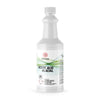
Glacial acetic acid is an anhydrous, highly concentrated form of ethanoic acid, recognized for its distinct, pungent odor and high acidity. As a vital raw material in various manufacturing processes, this technical-grade chemical acts as a versatile solvent and reagent in chemical synthesis. Unlike diluted forms of vinegar, glacial acetic acid contains very little water, allowing it to remain highly reactive and effective in applications where water contamination could ruin the reaction or process. Alliance Chemical distributes this high-quality fluid to support industrial, manufacturing, and processing facilities nationwide as part of our comprehensive catalog of industrial acids.
Our Acetic Acid Glacial Technical grade serves as a reliable building block for producing acetate esters, synthetic fibers, and various chemical intermediates. Its high concentration and consistent formulation ensure predictable performance in large-scale manufacturing operations. This technical product is key for facilities engaged in textile processing, pH control, and industrial formulations where strict purity tolerances are necessary. Because we prioritize reliable sourcing and strict quality controls, our technical-grade glacial acetic acid meets the rigorous standards required for industrial applications, ensuring consistency across every single batch we distribute.
Why This Grade
Choosing a technical grade of glacial acetic acid is critical for processes that require high concentration without the premium cost associated with laboratory or reagent grades. This grade is specifically designed to provide the high acidity and chemical reactivity of glacial acetic acid while maintaining an industrial-grade tolerance profile suitable for manufacturing. When an application calls for glacial concentration (typically near 100%), using a diluted alternative introduces unnecessary water. This excess water can dilute reaction mixtures, decrease yield, and prevent key chemical transformations from occurring, especially in water-sensitive esterification or polymer synthesis processes.
Conversely, utilizing the incorrect grade—such as a lower-concentration acid—can lead to severe industrial failure modes. For instance, in textile dye setting or paint formulations, excessive moisture from a lower-grade acid can cause uneven dye fixation, phase separation in mixtures, or failure of the final polymer matrix to cure correctly. By choosing our technical grade, industrial buyers ensure they receive the active concentration necessary to drive their processes forward without the risk of solvent dilution. This balance of cost-effectiveness and high chemical strength makes Technical Glacial Acetic Acid the preferred choice for bulk manufacturing and processing operations.
Chemical Profile
- CAS Number
- 64-19-7
- Chemical Formula
- C2H4O2
- Molecular Weight
- 60.05 g/mol
- Boiling Point
- 244 °F at 760 mmHg (NTP, 1992)
- Melting Point
- 61.9 °F (NTP, 1992)
- Flash Point
- 104 °F (NTP, 1992)
- Specific Gravity
- 1.051 at 68 °F (USCG, 1999) - Denser than water; will sink
- Appearance
- Acetic acid, glacial appears as a clear colorless liquid with a strong odor of vinegar. Flash point 104 °F. Density 8.8 lb / gal. Corrosive to metals and tissue. Used to make other chemicals, as a food additive, and in petroleum production.
- Solubility
- greater than or equal to 100 mg/mL at 73 °F (NTP, 1992)
- UN Number
- UN2789
- Hazard Class
- Class 8
- Packing Group
- II
- Proper Shipping Name
- Acetic acid, glacial
- GHS Signal Word
- Danger
Values sourced from Alliance Chemical's canonical chemistry registry. Certificate of Analysis (COA) per lot.
Industrial Applications
- Chemical Intermediate Synthesis: Used to produce vinyl acetate monomer, acetic anhydride, and various acetate esters, which serve as foundational materials for plastics and adhesives.
- Textile Dyeing and Finishing: Acts as a pH regulator and dye fixative in the textile industry, ensuring uniform color distribution on fabrics without damaging fibers.
- Industrial Solvent Formulations: Utilized as a polar protic solvent in industrial coating processes, paint manufacturing, and specialized chemical extraction workflows.
- Petroleum Production Processes: Employed in the oil and gas sector to adjust fluid pH, assist in well stimulation, and break down carbonate formations safely.
- pH Adjustment and Neutralization: Serves as a highly concentrated acidifying agent for waste stream treatment, process water neutralization, and general industrial pH control.
Hazmat & Shipping
Because of its concentrated nature, Acetic Acid Glacial Technical is classified as a hazardous material for transport. It is officially regulated under shipping designation UN2789, classified as a Hazard Class 8 corrosive substance, and assigned to Packing Group II. The proper shipping name required for all transport manifests is Acetic acid, glacial. With a flash point of 104 °F, this chemical carries a secondary hazard profile as a flammable liquid, requiring careful logistics coordination. The authoritative GHS signal word for this chemical is Danger, reflecting its ability to cause severe skin burns and eye damage under hazard code H314, as well as its status as a flammable liquid and vapor under hazard code H226.
Compliance with safety regulations is mandatory when handling and transporting this strong acid. Proper personal protective equipment (PPE) must be worn by all personnel, including heavy-duty chemical-resistant gloves, protective clothing, splash goggles, and a face shield. Ensure adequate ventilation or utilize NIOSH-approved respirators if vapor concentration exceeds safety thresholds to prevent respiratory irritation, as guided by precautionary codes like P280. A Safety Data Sheet (SDS) is provided with every order to ensure your facility remains fully compliant with federal safety guidelines. Alliance Chemical manages all shipments in strict accordance with DOT regulations, ensuring that your chemical inventory arrives safely, securely, and fully labeled to meet hazard communication standards.
Handling & Storage
Proper storage of Technical Glacial Acetic Acid is vital to prevent crystallization and dangerous reactions. Because its melting point is 61.9 °F, this chemical must be stored in a climate-controlled area maintained above 65 °F to prevent freezing, yet well below its flash point of 104 °F in a cool, well-ventilated space. Containers must be constructed from compatible materials, such as high-density polyethylene (HDPE), glass, or lined steel, as the acid is corrosive to many metals. Keep storage areas free of incompatible substances, including strong oxidizers, nitric acid, peroxides, and strong bases, to minimize the risk of hazardous chemical reactions or accidental container pressurization.
Order & Documentation
Alliance Chemical is committed to providing prompt fulfillment and comprehensive documentation for all your industrial chemical needs. A Certificate of Analysis (COA) is available upon request for every batch we ship, verifying the parameters of your technical grade acid. Additionally, a comprehensive Safety Data Sheet (SDS) is provided with every order to ensure safe handling and regulatory compliance. If you are ready to secure your chemical supply, you can Request a Quote today or Download the SDS for your safety records.
Why Buy from Alliance Chemical
Since 1997, Alliance Chemical has supplied premium industrial chemicals from Taylor, Texas under CAGE Code 1LT50, with a COA and SDS included on every order. For industrial use only.