
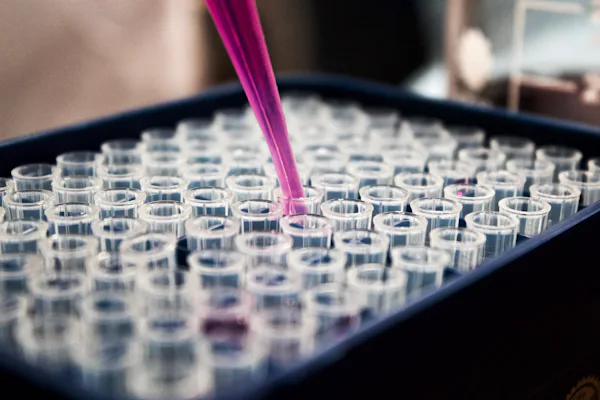
Chemical laboratory

Deionized Water

Ultra-Pure Water for Laboratory and Industrial Applications

  • CAS 7732-18-5
  • Formula H₂O
  • Flash Pt N/A °C
  • Density 0.997 g/cm³ at 25°C

Physical & Chemical Properties

Property Value Unit
Boiling point 100°C °C
Flash point N/A °C
Density 0.997 g/cm³ at 25°C g/cm³
Solubility Miscible with water -
Ph 7.0 -
Molecular weight 18.015 g/mol g/mol
Melting point 0°C °C
Vapor pressure 23.8 mmHg at 25°C mmHg
Autoignition temp N/A -
Appearance Clear, colorless liquid -
Odor Odorless -
Vapor density 0.62 (air = 1) g/cm³

Overview

Deionized water is ultra-pure water that has had virtually all mineral ions removed through ion-exchange processes. Also known as demineralized water, this clear, colorless, and odorless liquid maintains a neutral pH of 7.0 and provides the highest purity standards required for critical laboratory, pharmaceutical, and manufacturing applications. With its molecular formula H₂O and CAS number 7732-18-5, deionized water serves as an essential reagent and solvent where the presence of dissolved minerals could interfere with processes or contaminate end products.

Key Applications

Deionized water serves multiple critical functions across various industries. In laboratory settings, it acts as a primary reagent for analytical procedures, solution preparation, and equipment cleaning where trace minerals could affect results. The pharmaceutical industry relies on deionized water for drug manufacturing, formulation processes, and equipment sterilization. Semiconductor manufacturing utilizes this ultra-pure water for wafer cleaning and etching processes where even minimal ionic contamination can damage sensitive components. Additionally, it serves as an ideal HPLC mobile phase component and diluent for various chemical processes.

Safety & Handling

Deionized water presents minimal safety hazards as it has no flash point or autoignition temperature. Standard laboratory safety practices should be followed, including wearing appropriate personal protective equipment such as safety glasses and lab coats when handling large quantities. Ensure adequate ventilation in work areas, though deionized water produces minimal vapor concerns. The primary safety consideration involves preventing contamination rather than exposure risks, as this ultra-pure water can leach ions from containers and surfaces upon contact.

Storage & Shelf Life

Store deionized water in clean, non-reactive containers such as high-grade plastic or glass vessels specifically designed for ultra-pure water storage. Maintain storage temperatures between 15-25°C and protect from direct sunlight and contamination sources. Avoid metal containers as deionized water can leach ions from metallic surfaces, compromising purity. The product should be used promptly after opening to maintain ionic purity, as exposure to air can gradually introduce contaminants. Keep containers tightly sealed and store away from dust, chemicals, and other potential contamination sources.

Why Alliance Chemical

Alliance Chemical delivers reliable Deionized Water with same-day shipping from our Taylor, Texas facility. We offer flexible delivery options including UPS for smaller quantities and LTL/FTL freight for bulk orders. Every shipment includes comprehensive Safety Data Sheets (SDS) and Certificates of Analysis (COA) to ensure you receive consistent, high-quality deionized water that meets your specific purity requirements.

Shipping & Availability

Parcel Shipping

UPS Ground supports pints, quarts, and most 1-gallon packages nationwide.

LTL Freight

5-gallon pails, drums, and totes move via LTL carriers such as ABF Freight, SEFL, Saia, and XPO.

Full Truckload

FTL available for palletized bulk orders. Competitive freight rates.

Local Pickup

Same-day pickup at our Taylor, TX warehouse for Texas customers.

SDS, COA, and TDS available for every product • Same-day shipping on orders before 1 PM CT

Available Sizes

View all sizes →

Frequently Asked Questions

What is deionized water (CAS 7732-18-5) and what is it used for?
Deionized water (H2O, CAS 7732-18-5) is water treated to remove dissolved ionic species and is used as process water and rinse water in laboratories, electronics, power generation, and other industrial applications where low ionic content is required.
How should I store deionized water and what is its typical shelf life?
Store deionized water in clean, airtight, opaque containers away from direct sunlight and contamination; common containers are HDPE, PP, or stainless steel. Shelf life depends on purity and packaging but is typically weeks to months for general DI water and shorter for ultrapure grades due to CO2 absorption and microbial growth—consult your supplier for a recommended use period.
Is deionized water hazardous and what safety precautions should I follow?
Deionized water is non-flammable and not classified as hazardous, but it is not sterile or potable by default; avoid ingestion and eye contact, use appropriate PPE to prevent contamination, and follow your facility's safety procedures. For specific hazards and emergency measures, refer to the product Safety Data Sheet (SDS).
What do concentration or purity levels mean for deionized water?
Purity of deionized water is expressed by electrical resistivity (up to 18.2 MΩ·cm at 25°C for ultrapure water) or conductivity (down to ~0.055 μS/cm); higher resistivity means lower ionic content. Suppliers may also specify total organic carbon (TOC) and microbial counts to distinguish grades for different applications.
What documentation comes with deionized water shipments?
Typical documentation includes a Safety Data Sheet (SDS), Certificate of Analysis (COA) showing resistivity/conductivity and any other measured parameters, and a technical datasheet; additional test reports (TOC, microbial) are available on request for controlled applications.
How is deionized water shipped and what packaging options are available?
Deionized water is non-hazardous for transport in most jurisdictions and is commonly supplied in bottles (1–20 L), drums (20–200 L), IBCs (approx. 1,000 L), or bulk tanker for large volumes. Packaging materials typically include HDPE, stainless steel, or lined containers to protect purity during transit.
Which materials are compatible with deionized water for storage and piping?
Deionized water is compatible with plastics such as HDPE, PP, PTFE and with stainless steel (316L); it can leach ions and accelerate corrosion in some metals like copper, brass, and certain aluminum alloys, so choose materials designed for low-ionic fluids. Avoid long-term storage in glass if ion leaching or CO2 ingress is a concern.
What are the typical technical specifications I should request for deionized water?
Request specifications including resistivity (MΩ·cm at 25°C), conductivity (μS/cm), TOC (ppb), pH (may vary due to dissolved CO2), and microbial counts; also confirm absence of chlorine or other process-specific contaminants. Exact values depend on grade—ask for a COA for batch-specific data.
What industries and applications commonly use deionized water?
Deionized water is used in laboratories, semiconductor and electronics manufacturing, power generation and boiler makeup, analytical chemistry, cosmetics and personal care manufacture, and industrial rinsing where low ionic content is needed. Select the appropriate grade based on sensitivity of the process to ions, organics, or microbes.
How do I purchase deionized water and what availability options are typical?
Deionized water is widely available from chemical distributors and water service providers in packaged sizes and bulk; ordering options include standard grades, custom purity levels, and on-site generation systems for continuous supply. For pricing and lead times, provide required grade, annual volume, and packaging preference to your supplier.

Documentation & Downloads

Ready to Purchase?

SDS & COA included • Same-day shipping • No minimum order

Shop Deionized Water