



Discover the Power of Trichloroethylene: Your Ultimate Degreaser and Solvent Solution
A comprehensive guide to trichloroethylene properties, vapor degreasing applications, and industrial solvent alternatives.
What is Trichloroethylene (TCE) and How Does It Work?
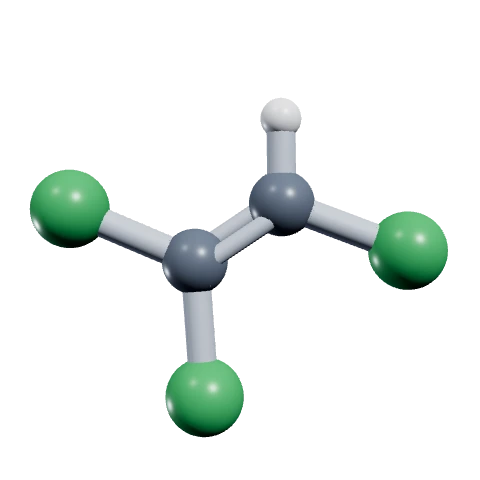
Trichloroethylene (TCE), identified by CAS number 79-01-6, is a heavy-duty industrial solvent renowned for its aggressive solvency and rapid evaporation profile. Formulated as a clear volatile liquid with the chemical structure C2HCl3, it is engineered to dissolve complex organic soils that resist standard aqueous cleaners. When evaluating solvents for heavy-duty industrial cleaning, plant operators often weigh the performance of TCE against emerging alternatives to trichlorethylene to balance operational efficiency with facility safety requirements.
The chemical architecture of trichloroethylene provides exceptional performance in industrial environments. The presence of three chlorine atoms in its molecular structure contributes to its high density and powerful degreasing capabilities. This halogenated structure allows TCE to easily penetrate and dissolve heavy hydrocarbons, synthetic lubricants, and complex greases. trichloroethylene exhibits low water solubility while acting as an excellent organic solvent, meaning it will not readily absorb atmospheric moisture that could otherwise compromise its cleaning efficacy or cause corrosion on sensitive metal parts.
One of the most critical operational advantages of trichloroethylene is its non-flammable flash point. In high-throughput manufacturing facilities, the use of highly combustible solvents introduces significant fire risks and necessitates expensive explosion-proof equipment and specialized fire suppression systems. Because TCE does not possess a flammable flash point, it can be safely heated to its boiling point in open-top vapor degreasers without creating an explosive atmosphere. This thermal stability, combined with its molecular weight of 131.38, ensures that the solvent vapors remain dense and easily contained within the designated cleaning zones of industrial equipment.
Primary Industrial Applications and Trichloroethylene Uses
Industrial facilities across the aerospace, automotive, and metalworking sectors rely heavily on trichloroethylene for its unmatched ability to strip stubborn contaminants from complex geometries. The primary application for technical-grade TCE is vapor degreasing, a process used to prepare metal components for downstream manufacturing steps such as electroplating, welding, or precision painting. Because TCE evaporates rapidly and leaves no measurable residue, parts exit the cleaning process completely dry and ready for immediate processing, thereby eliminating bottlenecks in the production line.
Beyond vapor degreasing, trichloroethylene is frequently deployed in cold cleaning applications. Maintenance personnel and plant operators use TCE for manual wiping, brushing, or dipping of oversized parts that cannot be accommodated within a standard vapor degreaser. In these scenarios, the solvent's aggressive nature quickly breaks down baked-on carbon deposits, heavy machining fluids, and anti-rust coatings. The clear volatile liquid penetrates deep into blind holes and tight tolerances, ensuring that even the most intricate mechanical assemblies are thoroughly purged of industrial soils.
Additionally, trichloroethylene serves as a vital extraction solvent in specific chemical manufacturing processes. Its low water solubility and high affinity for organic compounds make it an ideal medium for separating specific chemical components from complex mixtures. Whether used as a carrier solvent in specialized formulations or as an intermediate in chemical synthesis, TCE's predictable physical properties—including its precise boiling point of 87°C and melting point of -73°C—allow chemical engineers to maintain tight control over reaction conditions and extraction yields.
Operating a TCE Vapor Degreaser
The mechanics of a TCE vapor degreaser rely on the precise manipulation of the solvent's thermal properties. The process begins in the lower chamber, known as the boil sump, where liquid trichloroethylene is heated to its exact boiling point of 87°C. As the liquid boils, it generates a dense, pure solvent vapor that rises to fill the cleaning chamber. Because the molecular weight of TCE (131.38) makes its vapor significantly heavier than air, the vapor blanket remains stable and contained within the equipment, provided that the facility maintains proper draft control and minimizes ambient air disturbances.
When ambient-temperature metal parts are lowered into this vapor zone, the temperature differential causes the trichloroethylene vapor to immediately condense onto the surface of the parts. This condensation transfers the latent heat of vaporization to the metal, while the pure liquid solvent dissolves the accumulated oils, greases, and waxes. The contaminated solvent then drips off the parts and falls back into the boil sump. This continuous distillation process ensures that the vapor interacting with the parts is always 100% pure, even as the liquid sump gradually accumulates heavy soils over weeks of operation.
To prevent the solvent vapor from escaping the degreaser, the equipment is fitted with primary cooling coils near the top of the chamber. These coils chill the air, creating a thermal barrier that condenses the rising vapor back into a liquid state, which is then routed to a water separator and returned to the sump. Operators must carefully manage the speed at which parts are introduced and removed from the vapor zone—a process known as controlling drag-out. Removing parts too quickly can disrupt the vapor blanket and pull solvent out of the machine, leading to increased chemical consumption and elevated airborne exposure levels in the facility.
Trichloroethylene vs. Perchloroethylene (PCE)
When engineering a cleaning process, operators frequently compare trichloroethylene (CAS 79-01-6) with perchloroethylene (CAS 127-18-4), commonly known as PCE or PERC. Both are highly effective chlorinated solvents, but their distinct physical properties dictate entirely different use cases. Perchloroethylene is a colorless liquid with a mild, sweet odor that features a significantly higher boiling point of 121°C (249.8°F) and a molecular weight of 165.8. In contrast, TCE boils at a much lower 87°C and has a molecular weight of 131.38.
The 34°C difference in boiling points is the primary deciding factor between the two solvents. PCE's higher boiling point of 121°C means that its vapor transfers substantially more thermal energy to the parts being cleaned. This makes perchloroethylene the superior choice for melting and removing high-temperature waxes, heavy buffing compounds, and extreme-pressure lubricants that would otherwise resist the lower operating temperature of a TCE degreaser. However, this higher temperature also means that parts take longer to cool down before they can be safely handled or processed further.
Conversely, trichloroethylene's lower boiling point of 87°C offers distinct operational efficiencies for standard machining oils and greases. A TCE degreaser requires less electrical or steam energy to maintain its boil sump, resulting in lower utility costs. because the parts do not reach the extreme temperatures associated with PCE, the cooling and drying cycle is significantly shorter. Both solvents are slightly soluble to insoluble in water and soluble in organic solvents, but TCE remains the preferred option when rapid throughput and energy conservation are prioritized over high-temperature wax removal.
Evaluating Alternatives to Trichlorethylene
Due to evolving regulatory landscapes and internal facility safety initiatives, many plant managers are actively evaluating alternatives to trichlorethylene. Transitioning away from TCE requires a careful assessment of the soils being removed, the available equipment, and the required drying times. There is rarely a perfect "drop-in" replacement that mimics every physical property of TCE, so operators must adjust their cleaning protocols to accommodate the specific characteristics of the chosen alternative solvent.
One of the most prominent alternatives is D-Limonene Technical Grade (CAS 5989-27-5). This citrus-derived solvent is a clear to pale yellow liquid with a distinct citrus-like odor. With a molecular weight of 136.23, it is insoluble in water but highly soluble in organics, making it an exceptional degreaser for heavy hydrocarbons. However, D-Limonene boils at a much higher 175°C (347°F) and possesses a combustible flash point of 48°C (118.4°F). Because of its high boiling point and lower volatility, D-Limonene is typically used in cold cleaning or immersion tanks rather than vapor degreasers, and parts often require forced air or oven drying to remove the slight residue it leaves behind.
For applications requiring rapid evaporation similar to TCE, facilities may look toward highly volatile solvents like Acetone or Methyl Ethyl Ketone (MEK). While these solvents evaporate instantly and leave zero residue, they introduce significant flammability risks. Acetone and MEK have extremely low flash points, meaning they cannot be used in heated vapor degreasers and require strict static control and explosion-proof ventilation during cold cleaning. Ultimately, selecting an alternative to trichlorethylene involves balancing the need for aggressive solvency against the facility's capacity to manage either longer drying times (with D-Limonene) or increased fire hazards (with volatile ketones).
Physical Properties and Chemical Specifications
Understanding the exact physical properties of technical-grade trichloroethylene is essential for optimizing equipment settings and ensuring safe handling. TCE is a clear volatile liquid that maintains its stability across a wide range of industrial environments. Its precise boiling point of 87°C is the critical metric for calibrating the heating elements in a vapor degreaser, ensuring that the solvent vaporizes efficiently without degrading the chemical structure or wasting energy.
The solvent's melting point of -73°C ensures that it remains in a fluid, workable state even in the most extreme cold-weather storage conditions or outdoor chemical sheds. With a molecular weight of 131.38, the liquid is dense, which aids in the mechanical displacement of particulate matter during immersion cleaning. This high density also translates to a heavy vapor phase, which is the fundamental physical property that allows open-top vapor degreasers to function without the solvent immediately dissipating into the ambient plant air.
Solubility is another defining characteristic of TCE. It exhibits low water solubility, which is highly advantageous in industrial settings where parts may be contaminated with water-soluble cutting fluids or ambient moisture. Because TCE does not readily mix with water, any moisture introduced into the degreaser will float to the top of the water separator, allowing operators to easily decant and remove it. This prevents the solvent from becoming acidic or corrosive over time. Combined with its non-flammable flash point, these specifications make TCE a highly predictable and reliable solvent for continuous industrial use.
Safety, Handling, and Storage Protocols
Because trichloroethylene is a highly volatile liquid, strict adherence to safety and handling protocols is mandatory to protect plant personnel and maintain environmental compliance. The primary route of occupational exposure is through the inhalation of solvent vapors. Facilities utilizing TCE must implement robust engineering controls, such as local exhaust ventilation, lip downdrafts on degreasing tanks, and fully enclosed cleaning systems where feasible, to keep airborne concentrations well below established regulatory thresholds.
Operators handling technical-grade TCE must wear appropriate personal protective equipment (PPE) to prevent skin and eye contact. Because TCE is a powerful degreaser, prolonged skin exposure will strip natural oils from the dermal layer, leading to severe irritation or dermatitis. Always consult the product Safety Data Sheet (SDS) for specific glove material recommendations, as many standard elastomers will degrade rapidly when exposed to halogenated solvents. Splash-proof chemical goggles and chemical-resistant aprons should be standard issue during solvent transfer or maintenance operations.
Proper storage of trichloroethylene is equally critical. The solvent should be stored in a cool, dry, and well-ventilated area, strictly isolated from incompatible materials such as strong alkalis, reactive metals (like aluminum or magnesium powders), and strong oxidizing agents. Drums should be kept tightly sealed when not in use to prevent evaporative losses. In the event of a spill, operators must follow the containment and absorption procedures outlined in the SDS, utilizing inert absorbent materials and ensuring that the solvent does not enter facility drains or local waterways.
| Property | Trichloroethylene (TCE) | Perchloroethylene (PCE) | D-Limonene |
|---|---|---|---|
| CAS Number | 79-01-6 | 127-18-4 | 5989-27-5 |
| Boiling Point | 87°C | 121°C | 175°C |
| Molecular Weight | 131.38 | 165.8 | 136.23 |
| Flash Point | Non-flammable | Consult SDS | 48°C |
| Water Solubility | Low | Slightly soluble | Insoluble |
Frequently Asked Questions
What is the boiling point of Trichloroethylene (TCE)?
Technical Grade Trichloroethylene has a boiling point of 87°C. This specific temperature is critical for calibrating the heating elements in vapor degreasing equipment to ensure efficient solvent vaporization.
Is trichloroethylene flammable?
No, trichloroethylene features a non-flammable flash point. This allows it to be safely heated in industrial vapor degreasers without the risk of creating a combustible vapor atmosphere.
What are the most effective alternatives to trichlorethylene?
Common alternatives to trichlorethylene include D-Limonene for heavy grease removal (though it requires longer drying times due to its 175°C boiling point) and highly volatile solvents like Acetone or MEK for rapid cold cleaning, provided the facility can manage their flammable flash points.
How does TCE compare to Perchloroethylene (PCE)?
While both are chlorinated solvents, PCE has a higher boiling point (121°C) and molecular weight (165.8) compared to TCE (87°C and 131.38). PCE is typically chosen for melting high-temperature waxes, while TCE is preferred for standard oils and faster cycle times.
Can TCE be mixed with water?
Trichloroethylene has low water solubility. In industrial applications, this is advantageous because any ambient moisture introduced into the cleaning process will separate from the solvent, allowing it to be easily decanted.
What is the CAS number for Trichloroethylene?
The CAS number for Trichloroethylene is 79-01-6. It is a clear volatile liquid with the chemical formula C2HCl3.
Alliance Chemical supplies high-purity Technical Grade Trichloroethylene, Perchloroethylene, and D-Limonene for heavy-duty industrial applications. Whether you are optimizing a vapor degreasing process or evaluating alternatives to trichlorethylene, our team provides the documentation and reliable sourcing you need. Browse our catalog to review specifications and secure your supply.
Trichloroethylene (TCE) Technical GradePerchloroethylene (PCE, PERC)D-Limonene Technical GradeReferences & Authoritative Sources
Chemical identity, properties, and safety data sourced from the U.S. National Library of Medicine's PubChem database — the authoritative open-chemistry data resource maintained by the National Institutes of Health.
- PubChem CID 6575: Trichloroethylene (TCE) Technical Grade — National Center for Biotechnology Information, U.S. National Library of Medicine. CAS 79-01-6.
- PubChem CID 31373: Perchloroethylene (PCE, PERC) — National Center for Biotechnology Information, U.S. National Library of Medicine. CAS 127-18-4.
- PubChem CID 440917: D-Limonene Technical Grade — National Center for Biotechnology Information, U.S. National Library of Medicine. CAS 5989-27-5.
Key numbers and sources
| Fact | Value | Source |
|---|---|---|
| CAS number of trichloroethylene | 79-01-6 | pubchem.ncbi.nlm.nih.gov |
| Chemical formula of trichloroethylene | C2HCl3 | pubchem.ncbi.nlm.nih.gov |
| Boiling point of trichloroethylene | 87°C | pubchem.ncbi.nlm.nih.gov |
| Molecular weight of trichloroethylene | 131.38 | pubchem.ncbi.nlm.nih.gov |
| Melting point of trichloroethylene | -73°C | pubchem.ncbi.nlm.nih.gov |
| CAS number of perchloroethylene (PCE) | 127-18-4 | pubchem.ncbi.nlm.nih.gov |
| Boiling point of perchloroethylene (PCE) | 121°C (249.8°F) | pubchem.ncbi.nlm.nih.gov |
Frequently asked questions
What is the boiling point of Trichloroethylene (TCE)?
Technical Grade Trichloroethylene has a boiling point of 87°C. This specific temperature is critical for calibrating the heating elements in vapor degreasing equipment to ensure efficient solvent vaporization.
Is trichloroethylene flammable?
No, trichloroethylene features a non-flammable flash point. This allows it to be safely heated in industrial vapor degreasers without the risk of creating a combustible vapor atmosphere.
What are the most effective alternatives to trichlorethylene?
Common alternatives to trichlorethylene include D-Limonene for heavy grease removal (though it requires longer drying times due to its 175°C boiling point) and highly volatile solvents like Acetone or MEK for rapid cold cleaning, provided the facility can manage their flammable flash points.
How does TCE compare to Perchloroethylene (PCE)?
While both are chlorinated solvents, PCE has a higher boiling point (121°C) and molecular weight (165.8) compared to TCE (87°C and 131.38). PCE is typically chosen for melting high-temperature waxes, while TCE is preferred for standard oils and faster cycle times.
Can TCE be mixed with water?
Trichloroethylene has low water solubility. In industrial applications, this is advantageous because any ambient moisture introduced into the cleaning process will separate from the solvent, allowing it to be easily decanted.
What is the CAS number for Trichloroethylene?
The CAS number for Trichloroethylene is 79-01-6. It is a clear volatile liquid with the chemical formula C2HCl3.
Related Chemical Collections
About the author
Andre Taki
This article is for informational purposes only.


