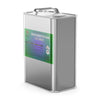
Product Overview
Trichloroethylene (TCE) ACS Grade is a high-purity, clear, colorless, volatile liquid recognized for its distinct chloroform-like odor. As a chlorinated hydrocarbon — with the chemical formula C2HCl3, a molecular weight of 131.38, and CAS number 79-01-6 — it serves as a critical solvent in various precision cleaning and extraction processes. Our diverse portfolio of high-purity Solvents provides manufacturers with dependable raw materials. Its dense physical profile — being significantly denser than water with a density of 1.46 at 68 °F — ensures it behaves predictably in industrial separation equipment. It is highly volatile yet noncombustible under normal handling conditions, presenting a unique set of operational advantages for manufacturing environments that require aggressive solvency without the risks associated with low-flashpoint flammable solvents.
Alliance Chemical distributes this solvent to meet the rigorous demands of modern processing. Our Trichloroethylene is formulated for chemical synthesis, heavy-duty vapor degreasing, and specialized extraction setups where hydrocarbon purity is non-negotiable. Because this material is slightly soluble in water and possesses a low boiling point of 189 °F at 760 mmHg, it evaporates rapidly from treated surfaces, leaving no residue behind. This rapid evaporation rate makes it a preferred choice for preparing metal substrates prior to coating or joining. We ensure that our supply chain maintains the integrity of this product from our Texas facilities directly to your site.
Why This Grade
The ACS Grade specification represents a high standard of chemical purity, conforming strictly to the guidelines set by the American Chemical Society. For sensitive analytical procedures and critical chemical synthesis, utilizing a lower-grade technical solvent can introduce trace metallic impurities, excessive moisture, or unexpected organic stabilizers that interfere with delicate reaction pathways. By utilizing our ACS Grade Trichloroethylene, laboratory technicians and process engineers avoid the common failure modes of incomplete reactions, catalyst poisoning, and baseline drift in chromatographic analysis. In industrial cleaning, utilizing lower-purity grades often leaves behind microscopic residues that can prevent proper adhesion of coatings or cause micro-corrosion on sensitive components. For more information on our distribution network, visit our aerospace chemical solutions page.
When executing critical extractions, a high-purity profile is vital to ensure that the solvent does not leave behind unwanted chemical artifacts in the final concentrate. Lower grade alternatives may contain higher concentrations of free halogens or acidic degradation products, which can deteriorate processing equipment over time. Our ACS Grade TCE guarantees consistent performance lot after lot, preventing costly batch rejections and processing downtime. Maintaining these precise specifications is essential for operations that operate under tight quality control limits and require reproducible chemical characteristics.
Chemical Profile
- CAS Number
- 79-01-6
- Chemical Formula
- C2HCl3
- Molecular Weight
- 131.38 g/mol
- Boiling Point
- 189 °F at 760 mmHg (NTP, 1992)
- Melting Point
- -99 °F (NTP, 1992)
- Flash Point
- greater than 200 °F (NTP, 1992)
- Specific Gravity
- 1.46 at 68 °F (USCG, 1999) - Denser than water; will sink
- Appearance
- Trichloroethylene appears as a clear colorless volatile liquid having a chloroform-like odor. Denser than water and is slightly soluble in water. Noncombustible. Used as a solvent, fumigant, in the manufacture of other chemicals, and for many other uses.
- Solubility
- less than 1 mg/mL at 70 °F (NTP, 1992)
- UN Number
- UN1710
- Hazard Class
- Class 6.1
- Packing Group
- III
- Proper Shipping Name
- Trichloroethylene
- GHS Signal Word
- DANGER
Values sourced from Alliance Chemical's canonical chemistry registry. Certificate of Analysis (COA) per lot.
Industrial Applications
- Precision vapor degreasing: Used extensively in specialized vapor degreasing systems to remove heavy oils, greases, and protective waxes from precision machined metal parts and aerospace components.
- Chemical synthesis intermediate: Serves as an essential intermediate and solvent in the manufacturing of fluorochemicals, refrigerants, and other complex organic compounds.
- Industrial extraction solvent: Utilized as a highly efficient extraction solvent for organic compounds, fats, and oils in industrial processing where high purity is required.
- Formulation solvent for industrial adhesives: Acts as a key formulation solvent in the production of robust industrial adhesives, specialized sealants, and elastomeric compounds.
- Bitumen extraction solvent for asphalt testing: Employed by civil engineering laboratories as a solvent for extracting bitumen from asphalt mixtures during quality control and compliance testing.
Hazmat & Shipping
Trichloroethylene is a regulated substance classified as UN1710, Hazard Class 6.1 (Toxic Substances), Packing Group III. The assigned Signal Word for this product is DANGER, reflecting its severe health hazards and potential for environmental harm. It is critical that all logistics and facility personnel understand the regulations surrounding the transport of toxic liquids. Alliance Chemical packages and ships this product in strict compliance with DOT 49 CFR regulations, ensuring that all containers are properly rated, labeled, and accompanied by the necessary transport documentation. We partner with specialized hazmat carriers to guarantee safe transit and delivery to your industrial facility.
Safe handling of this toxic liquid requires rigorous adherence to personal protective equipment (PPE) guidelines to mitigate risks associated with its GHS hazard classifications, including skin irritation (H315), eye irritation (H319), central nervous system depression (H336), germ cell mutagenicity (H341), carcinogenicity (H350), and long-term aquatic hazard (H412). Workers must wear appropriate chemical-resistant gloves, splash goggles, and respiratory protection in areas with inadequate ventilation. Proper containment systems, such as spill pallets and vapor extraction hoods, must be utilized to prevent environmental contamination and vapor accumulation in enclosed workspaces.
Handling & Storage
Store Trichloroethylene ACS Grade in a cool, dry, well-ventilated location away from direct sunlight, open flames, and high temperatures. Keep containers tightly closed when not in use to prevent vapor loss, as it is highly volatile. It is compatible with steel, stainless steel, and fluoropolymer linings, but it is highly incompatible with strong bases, strong oxidizing agents, and active metals such as aluminum, magnesium, and zinc, which can trigger dangerous exothermic reactions or decomposition. Maintain storage temperatures ideally between 50 °F and 85 °F to minimize vapor pressure buildup inside the drums and cans.
Order & Documentation
To integrate our high-purity TCE into your operational workflow, you can secure your supply through our convenient online portal or coordinate directly with our commercial sales desk. We provide a comprehensive Safety Data Sheet (SDS) with every shipment to ensure your safety compliance program is fully supported, and a Certificate of Analysis (COA) is available upon request for every batch we ship. If you require specialized bulk quantities, custom packaging, or have technical inquiries, please Request a Quote or Download the SDS today.
Why Buy from Alliance Chemical
Since 1997, Alliance Chemical has supplied premium industrial chemicals from Taylor, Texas under CAGE Code 1LT50, with a COA and SDS included on every order. For industrial use only.