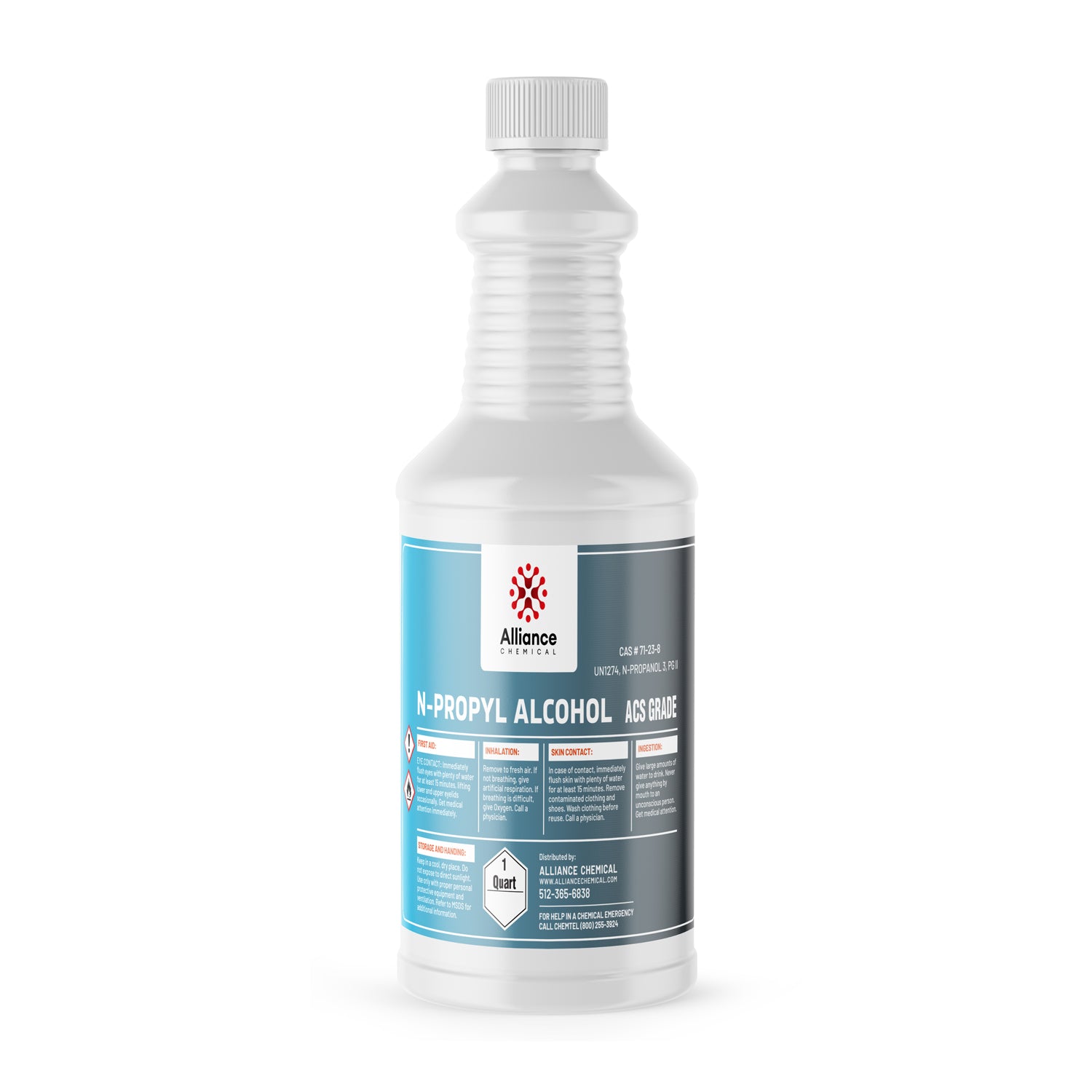
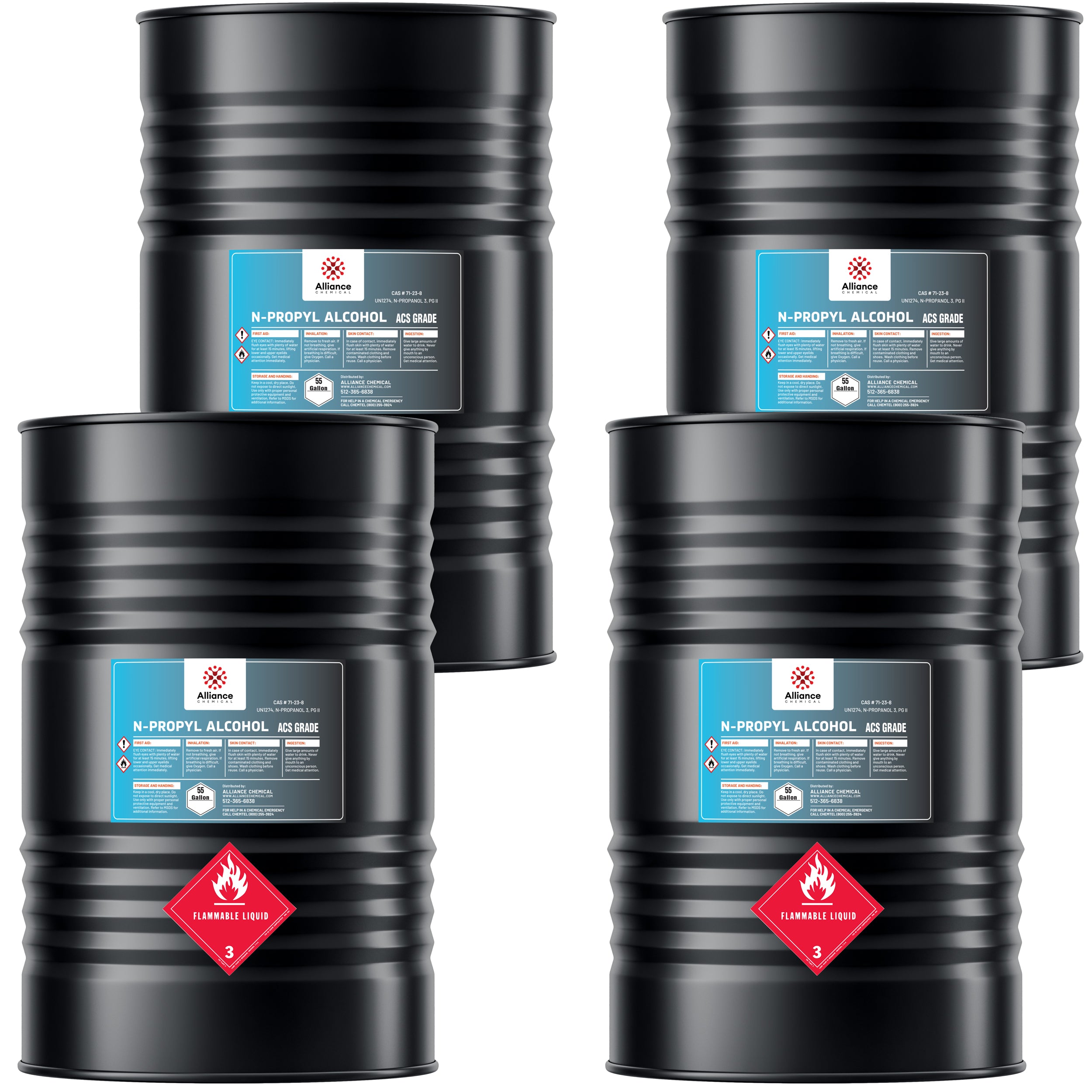
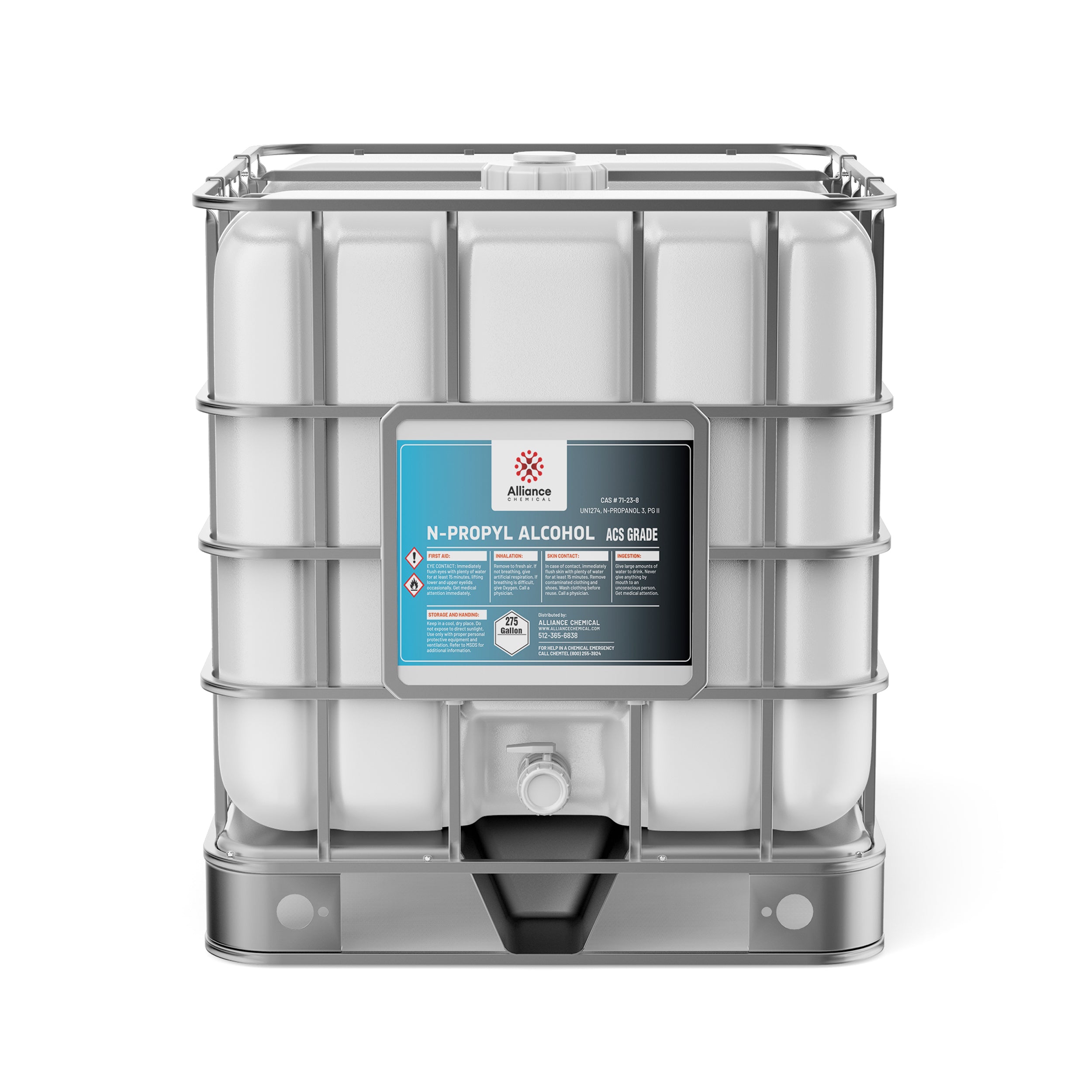
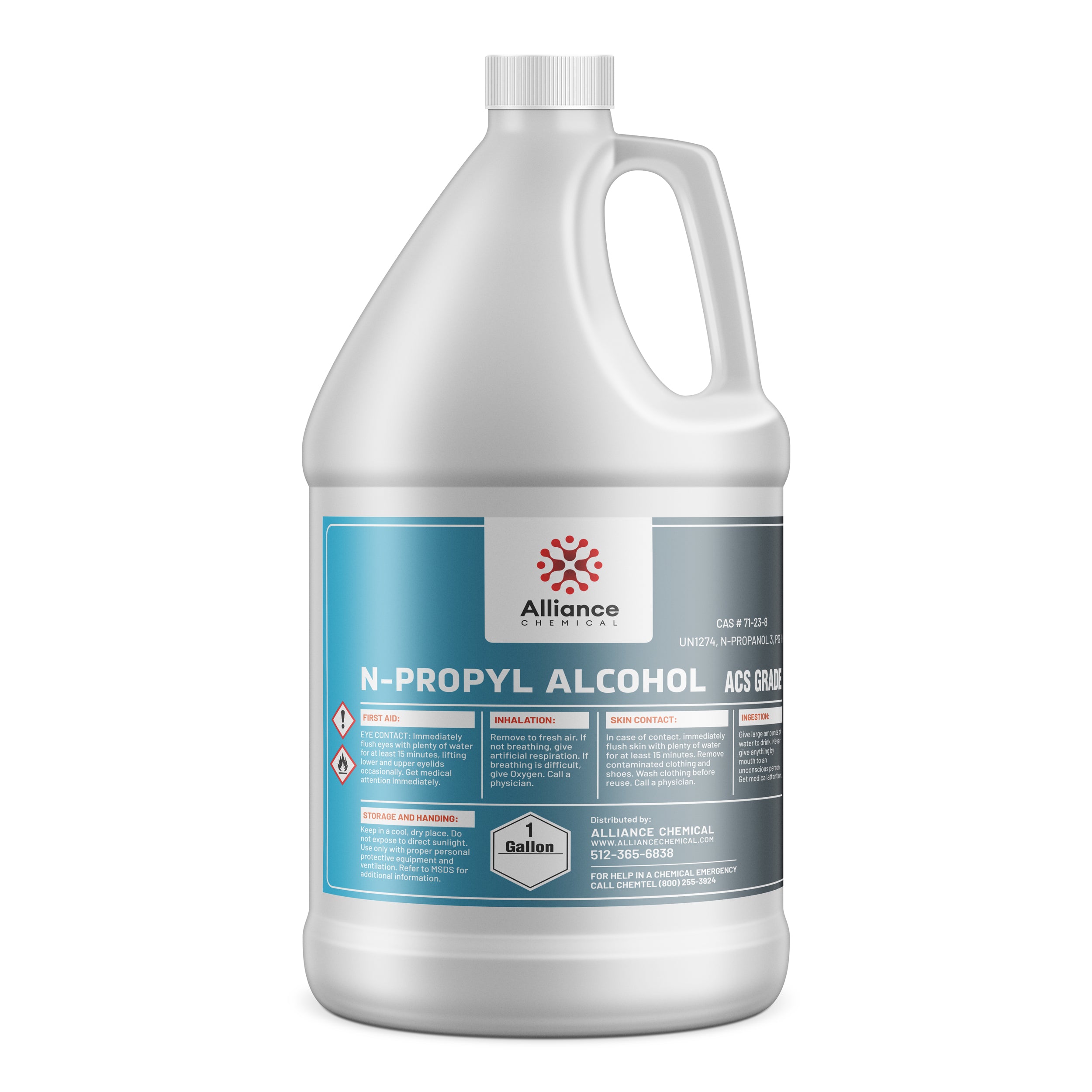
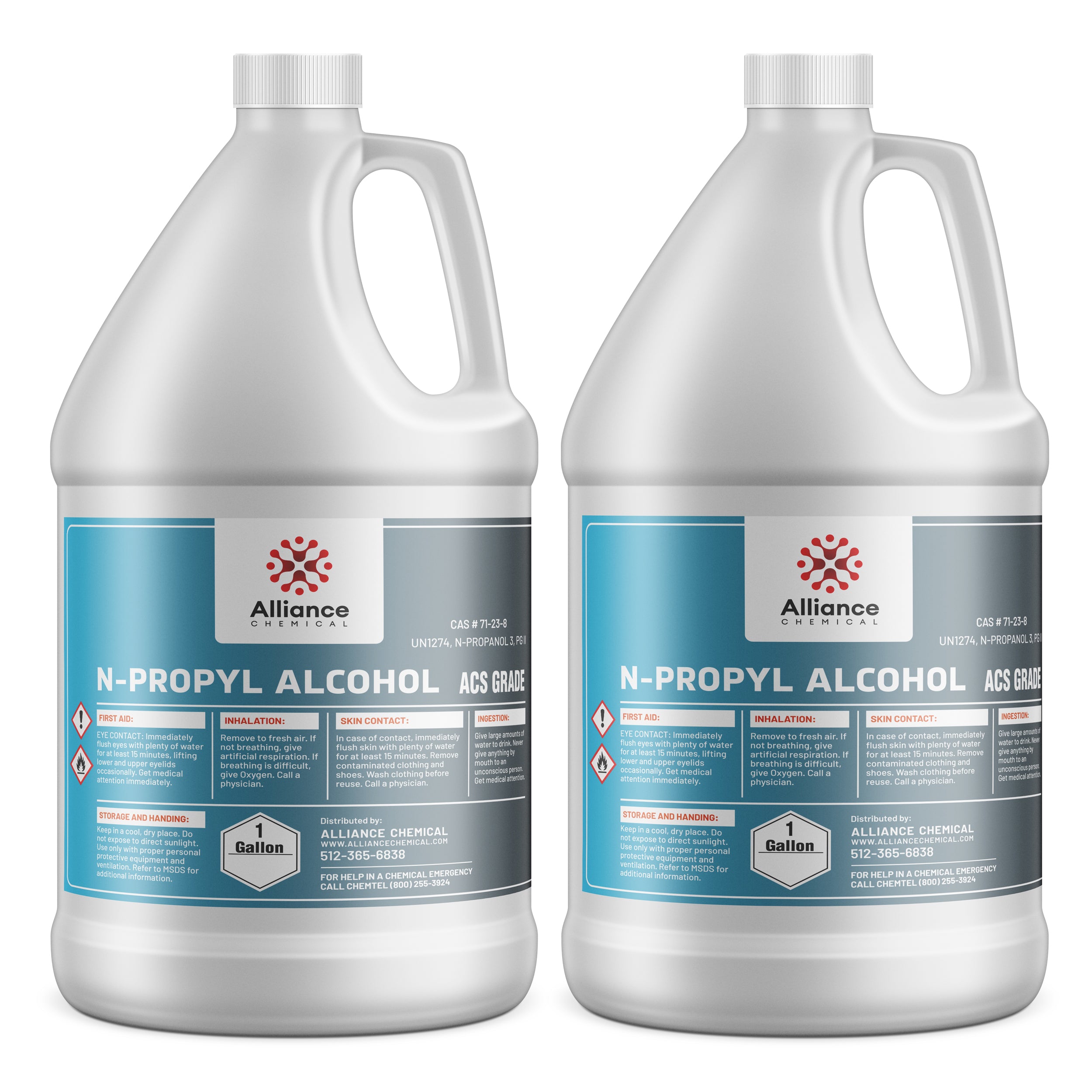
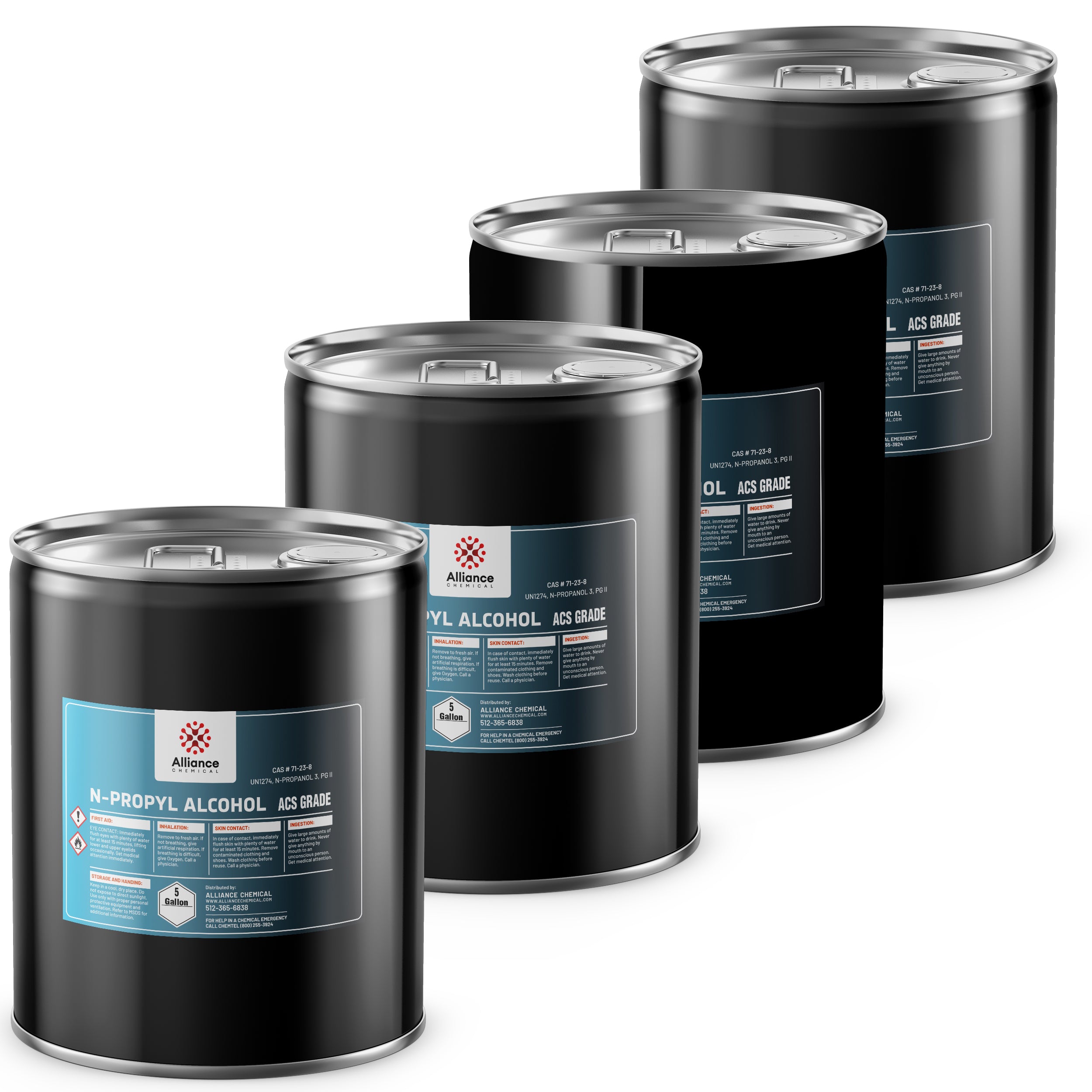
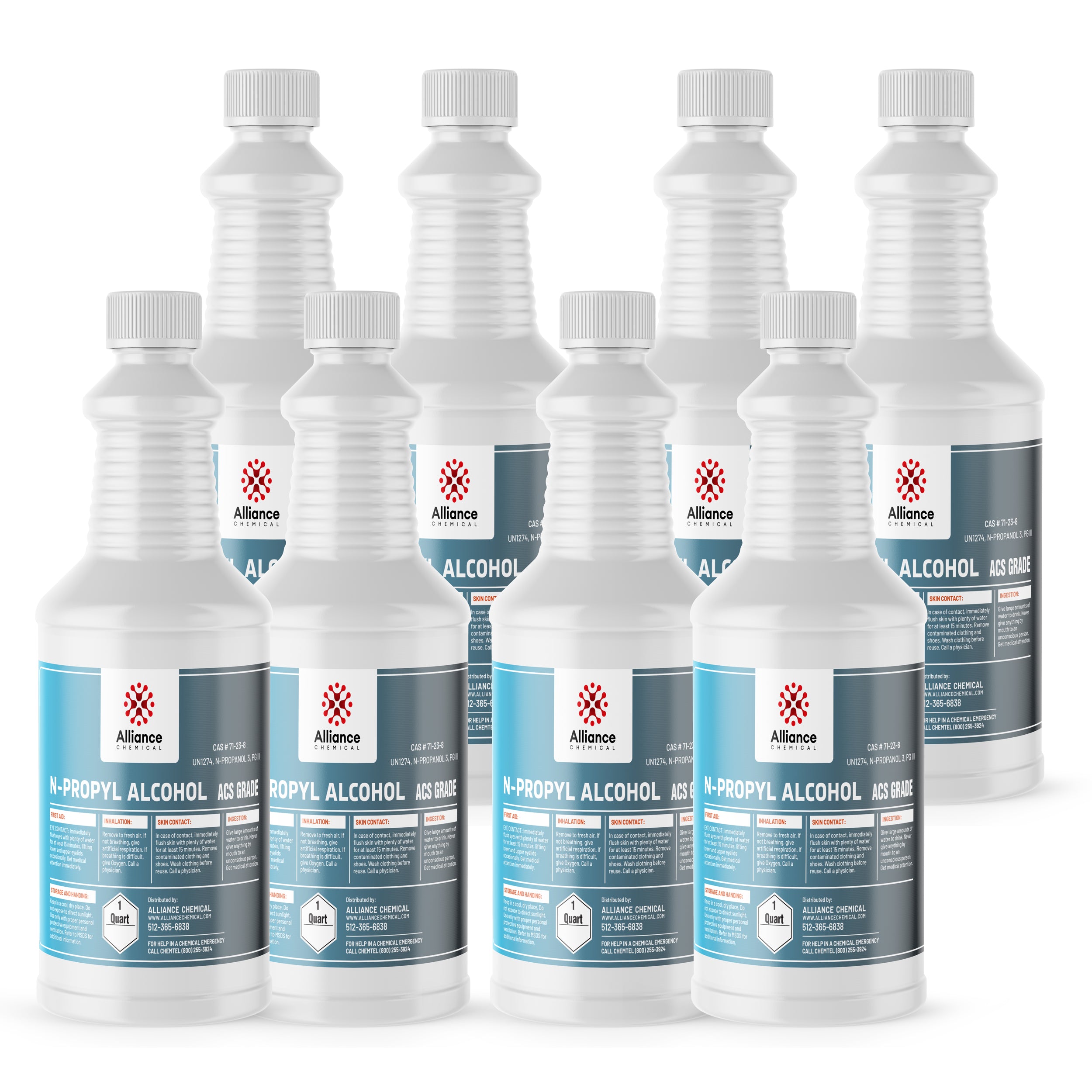
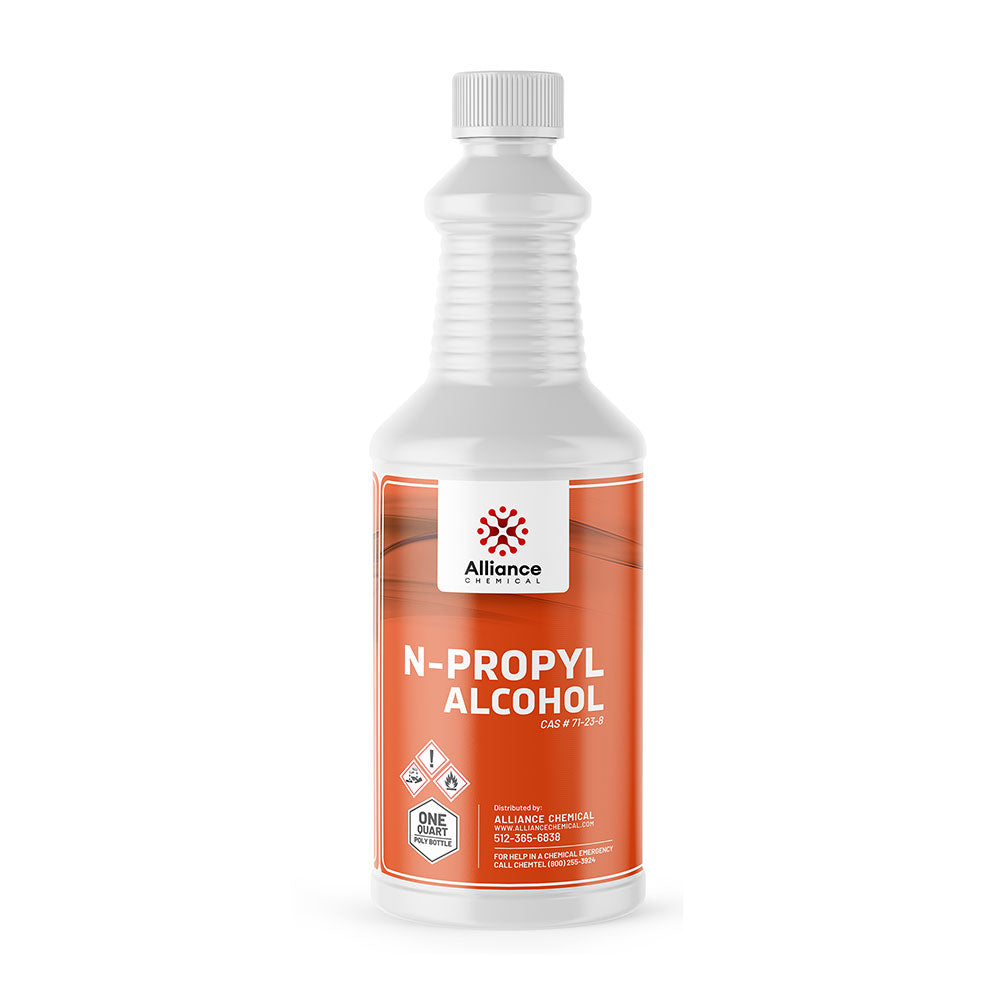
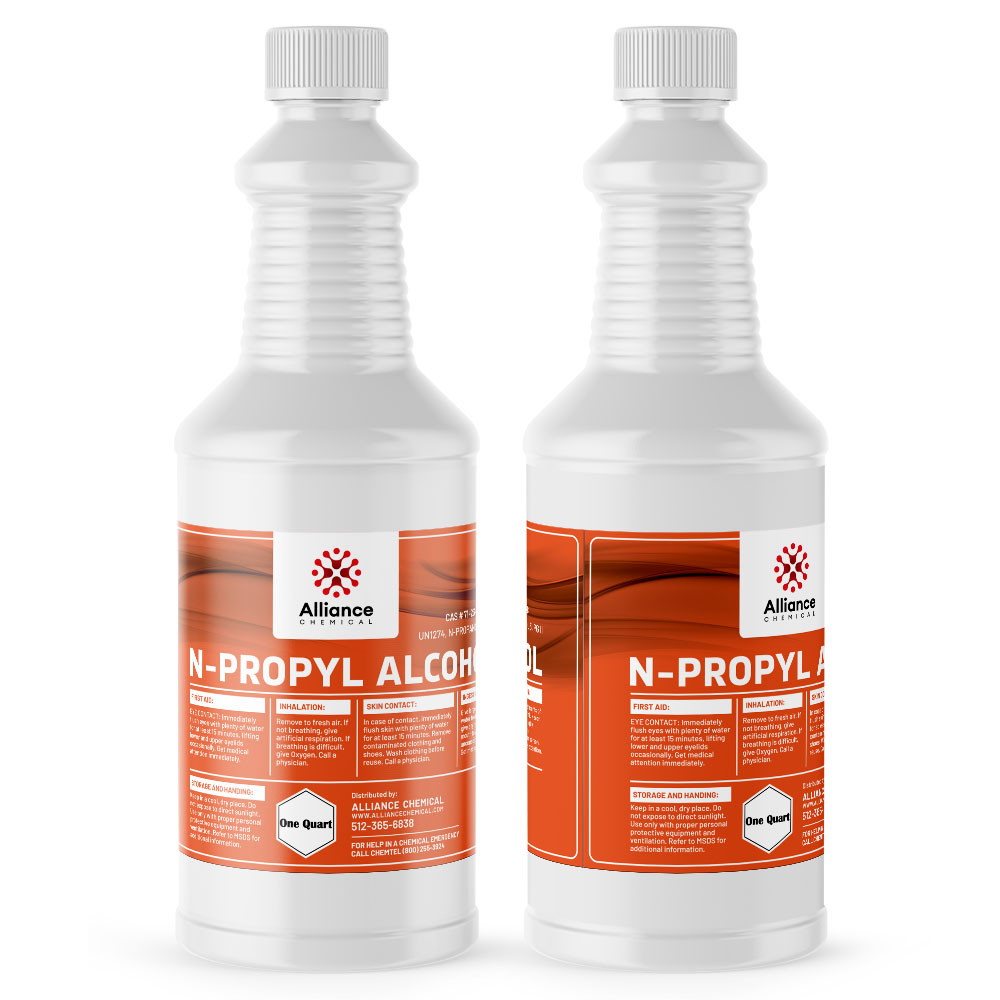
Why n-Propyl Alcohol ACS Grade
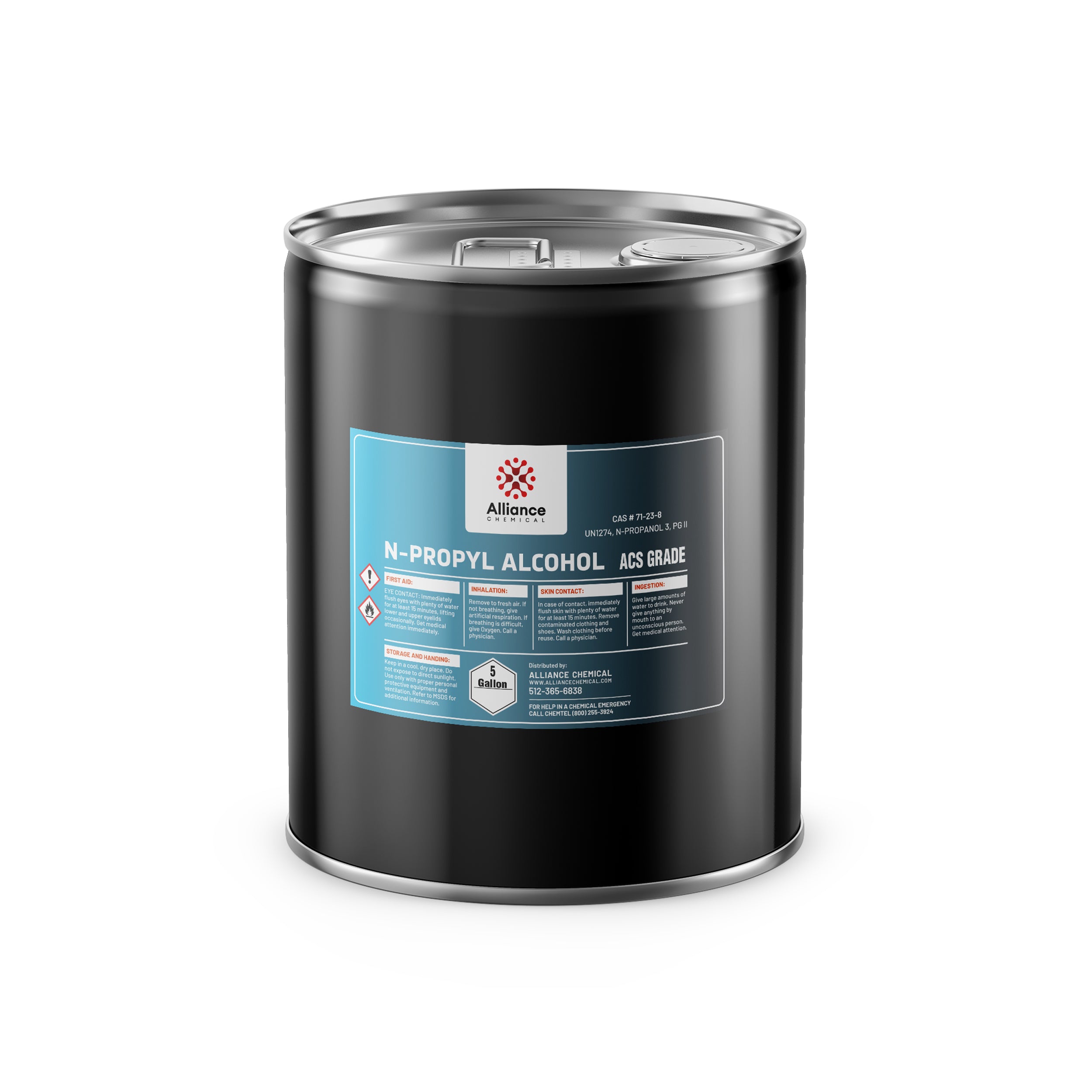
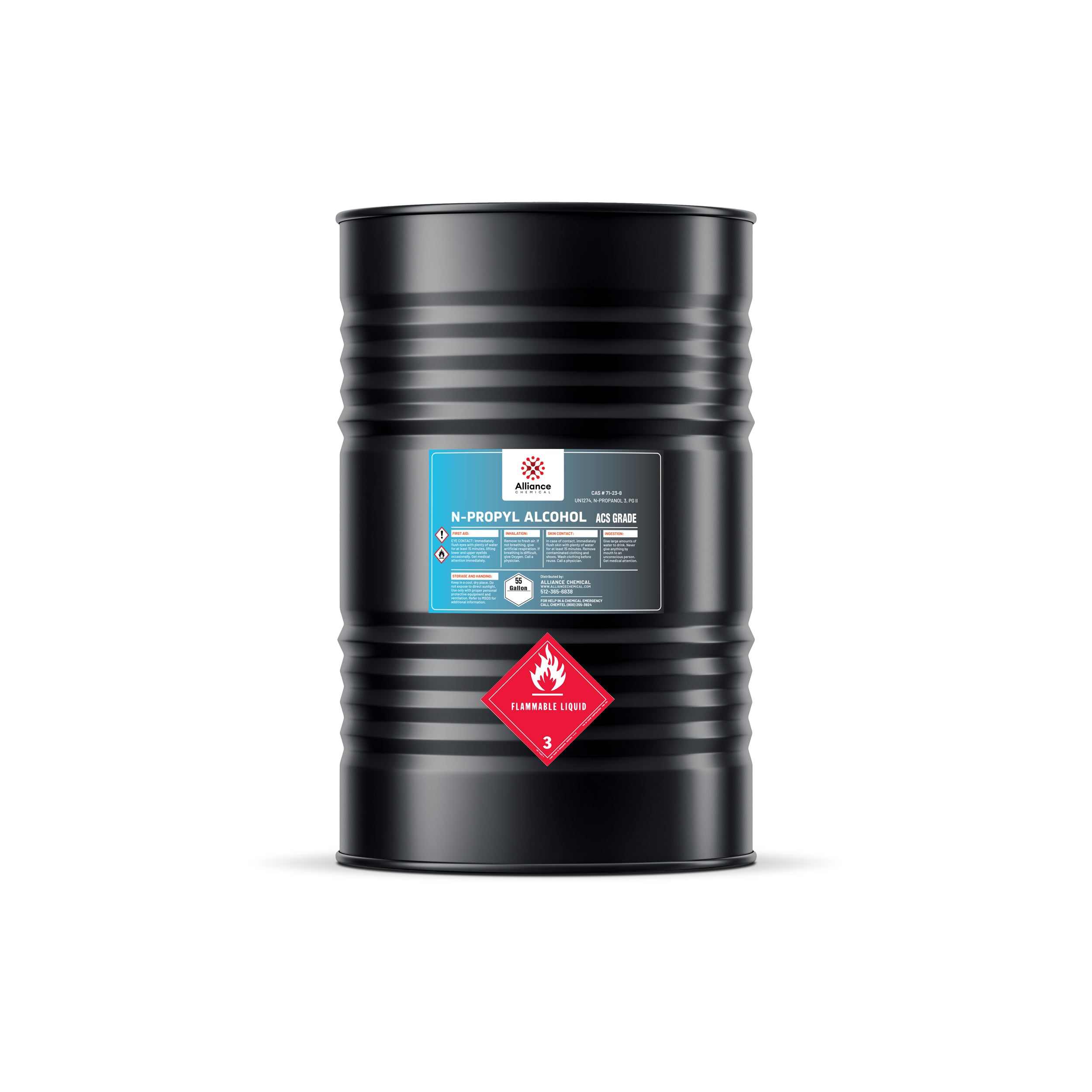
Buyers specify n-Propyl Alcohol ACS Grade when exact analytical precision, strict trace impurity limits, and zero-residue evaporation are non-negotiable operational requirements. Meeting the rigorous standards set by the American Chemical Society, this clear, colorless aliphatic alcohol provides the tightly controlled solvency power and predictable evaporation profile necessary for sensitive chemical synthesis, specialized formulations, and advanced laboratory applications. The exacting purity controls of this specific grade eliminate the risk of heavy metals, moisture, or other trace contaminants disrupting sensitive reactions, ensuring reproducible results where standard technical grades would introduce unacceptable variables.
Best Applications for This Grade
- Commonly applied in analytical chemistry and instrumental analysis as a reliable solvent matrix, where strict adherence to ACS purity limits prevents baseline interference and ensures accurate readouts in gas chromatography and mass spectrometry testing.
- Commonly applied in precision chemical manufacturing as a controlled chemical intermediate, allowing engineers to perform exact stoichiometric calculations and maintain reaction stability without interference from the trace moisture or byproducts found in standard grades.
- Commonly applied in the preparation of specialized industrial coatings, flexographic inks, and advanced polymer formulations that demand an exact evaporation rate and complete, predictable solubility across water, ether, and other organic solvents.
- Commonly applied in critical surface preparation and electronics manufacturing operations where its 15°C flash point facilitates rapid drying, while the certified low non-volatile matter content guarantees a perfectly clean, zero-residue finish on sensitive mechanical and electrical components.
When to Choose a Different Grade
- If your facility requires bulk solvency power for standard architectural coatings, heavy-duty equipment degreasing, or general facility maintenance where strict, laboratory-certified analytical limits are unnecessary, select standard n-Propyl Alcohol to align operational costs with technical requirements.
- If your specific coating or resin formulation requires the distinct solvency characteristics, resin compatibility, and evaporation profile of a ketone rather than an aliphatic alcohol for industrial manufacturing, transition to Methyl n-Propyl Ketone (MPK).
- If your laboratory procedures, chromatography applications, or analytical extractions mandate a ketone-based chemical structure while still maintaining the rigorous purity limits established by the American Chemical Society, evaluate Methyl n-Propyl Ketone (MPK) ACS.
| Molecular Weight |
60.1 |
| Formula |
C3H8O |
| Assay |
99-100.5% |
| Grade |
ACS Grade |
| Flash Point |
15°C (59°F) |
| Form |
Liquid |
| Solubility |
Miscible with water and most organic solvents |
| Appearance |
Colorless liquid |
| Melting Point |
-126 |
| Boiling Point |
97 |
| Specific Gravity |
0.803 |
| Industry |
Analytical Chemistry, Pharmaceutical Manufacturing, Industrial, Chemical Manufacturing, Coatings |