Product Overview
n-Propyl Alcohol — also sold as 1-Propanol or propyl alcohol — is a clear, colorless primary alcohol (C3H8O, CAS 71-23-8) with a sharp, musty odor close to rubbing alcohol. It is a workhorse solvent: fully miscible with water, aggressive enough to cut oils and process residues and clean-evaporating enough for extraction work. we distribute it in our Taylor, TX warehouse and ship it daily in DOT-compliant flammable-liquid packaging, from single quarts to 330-gallon totes.
The buyers we pack this for are practical people: manufacturing floors degreasing parts, synthesis operations that need a reliable reaction solvent and processors extracting flavors and fragrances. If that is your work, this page tells you what you need to decide.
Why This Concentration
This is straight n-propanol, undenatured and undiluted. That matters in two directions. First, it means no denaturant residue in your process — if you are running extractions, or synthesis where a denaturant would contaminate the output, an undenatured alcohol is the correct choice. Second, it means you handle it as the flammable liquid it is: full-strength n-propanol carries a Danger signal word and Class 3 transport requirements, so plan your storage and dispensing before the drum arrives.
If your application only calls for a general-purpose cleaning alcohol and denaturants are acceptable, a denatured alcohol product may cost less. Where the alcohol touches your product stream — extraction, reaction medium — buy undenatured and review the technical data sheet against your purity requirement before you order.
Chemical Profile
n-Propyl alcohol is a clear, colorless liquid with an odor similar to ethanol — sharp and musty, in the family of rubbing alcohol. It is miscible with water in all proportions, which is why it works both as an aqueous-compatible as a rinse that flashes off without water spotting. Our published product data lists a density of 0.803 at 68 °F (roughly 6.5 lb per gallon — plan drum weights accordingly), a vapor pressure of 44.98 mmHg, a flash point of 53–77 °F and autoignition at 700 °F. The vapors are heavier than air and mildly irritate the eyes, nose and throat, so they collect low and travel — keep ignition sources out of pits, sumps and floor-level dead zones near dispensing stations. The molecule itself: formula C3H8O, molecular weight 60.10, CAS 71-23-8.
Industrial Applications
These are the real, established uses we ship this product into:
-
Reaction solvent.As a primary alcohol it dissolves a wide range of organics, making it a standard medium for chemical synthesis and reactions across industrial chemistry.
-
Cleaning and degreasing.Manufacturing operations use it to strip oils, inks and process residues from parts and equipment where a fast-evaporating, water-miscible solvent is needed.
-
Synthesis intermediate.Technical and organic chemical producers use n-propanol as an intermediate on the way to other compounds.
-
Extraction solvent.Technical and fragrance processors use it to extract flavors and aromatic compounds from natural sources.
It also appears in the formulation of lacquers, dye solutions, antifreezes, soaps, window cleaners and cosmetic preparations — anywhere a formulator needs a mid-chain alcohol between the volatility of ethanol and the oiliness of butanol.
Handling & Storage
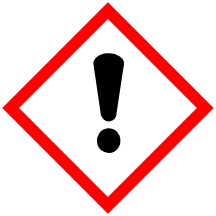
Treat this as a flammable first. The signal word is Danger and the hazard statements are H225 (highly flammable liquid and vapor), H318 (causes serious eye damage) and H336 (may cause drowsiness or dizziness) — per the product's GHS classification. H318 is the one operators underestimate on alcohols: wear sealed chemical splash goggles, not safety glasses, plus chemical-resistant gloves and work with ventilation adequate to keep vapor from pooling.
Store it cool and dry, away from heat, sparks and open flame, in closed HDPE or glass-compatible containers. Keep it away from strong oxidizers and strong acids. Ground and bond containers when transferring — a flash point that can sit in the 50s °F means room-temperature liquid is producing ignitable vapor. Ventilate storage areas so heavier-than-air vapors cannot accumulate at floor level. Handled this way, the product is storage-stable; there is no inhibitor to deplete and no stratification to manage.
Hazmat & Shipping
This product ships as a regulated flammable liquid. The proper shipping name is N-PROPANOL (per 49 CFR 172.101), under UN1274 (per 49 CFR 172.101), Hazard Class 3 (per 49 CFR 172.101), Packing Group II (per 49 CFR 172.101). We pack every order to that classification: UN-rated containers, correct Class 3 labeling and complete shipping papers. You do not need to arrange anything special on your end for standard ground delivery — we handle the hazmat side and our shipping and handling guidance is reviewed by Andre Taki, DOT Hazmat Specialist.
Documentation
A Safety Data Sheet ships with every order, available in English, Spanish, French and Japanese — useful if your EHS program or workforce needs multilingual documentation. A lot-specific Certificate of Analysis is available for your received material and a technical data sheet is available so you can check the specification against your process before you buy. If your quality system requires the COA filed against the lot on your receiving dock, it will match the containers we shipped.
Why Buy from Alliance Chemical
We are a chemical distributor and hazmat shipping operation and this is what we do all day: stock, pack and ship regulated liquids from our Taylor, TX warehouse. Your n-propanol leaves here in DOT-compliant packaging with correct labels and papers, whether that is a single quart in a lined case or a 330-gallon tote on a freight truck. Orders ship daily. Our handling and shipping guidance is reviewed by a DOT Hazmat Specialist and if you have a question about packaging, freight class, or receiving a Class 3 shipment, you will get an answer from people who move this material every week — not a call center reading a script.