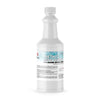
Product Overview
Methyl Ethyl Ketone (MEK), identified by CAS 78-93-3, is also known by its IUPAC name butan-2-one. This colorless, volatile liquid features a characteristic pleasant, pungent, acetone-like odor that is recognizable across many chemical environments. As a highly efficient solvent, it is widely utilized in the production of protective finishes, industrial coatings, and specialty adhesives. With a molecular formula of C4H8O and a molecular weight of 72.11, MEK is highly valued for its exceptional solvency power, fast evaporation rate, and low viscosity, making it an indispensable component in complex solvent systems. Browse our full selection of ketone solvents to find companion products for your formulation needs.
Our high-purity industrial solvent serves as an essential raw material in the compounding of specialized resins and polymer formulations. It operates efficiently in normal conditions without reacting with water or many common structural materials, providing stability in typical industrial transportation and storage environments. Businesses across North America trust our bulk and packaged options for demanding processing and manufacturing applications. We ensure that our quality processes meet standard commercial specifications to deliver consistent chemical performance to your production line every single day.
Why This Grade
In high-precision industrial applications, the purity of Methyl Ethyl Ketone (MEK) is critical to maintaining formulation standards and ensuring product consistency. Since no specific grade is designated in the canonical record, we supply a high-purity industrial grade optimized to minimize moisture and non-volatile impurities. Buyers select this grade to ensure that polymerization reactions, resin dissolutions, and adhesive compounding proceed without unwanted chemical side reactions. A lesser solvent grade with elevated water content or organic impurities will compromise the overall solvency power, leading to phase separation, cloudy coatings, or incomplete resin curing in your final products.
Using an incorrect grade or a contaminated solvent introduces significant failure modes into your manufacturing system. For instance, in specialty coatings, even trace amounts of moisture or heavier ketones can severely slow down the drying time, cause surface blushing, and reduce the overall adhesion of the paint to metal substrates. Similarly, in precision cleaning of aerospace components, improper solvent purity leaves behind a microscopic residue that can lead to part degradation or poor bonding in subsequent steps. By utilizing our consistent technical-grade MEK, you eliminate these variables and secure predictable outcomes.
Chemical Profile
- CAS Number
- 78-93-3
- Chemical Formula
- C4H8O
- Molecular Weight
- 72.11 g/mol
- Boiling Point
- 175.3 °F at 760 mmHg (NTP, 1992)
- Melting Point
- -123.3 °F (NTP, 1992)
- Flash Point
- 26 °F (NTP, 1992)
- Specific Gravity
- 0.806 at 68 °F (USCG, 1999) - Less dense than water; will float
- Appearance
- Methyl ethyl ketone appears as colorless fairly volatile liquid with a pleasant pungent odor. Flash point 20 °F. Vapors heavier than air. Does not react with water or many common materials. Stable in normal transportation. Irritates the nose, eyes, and throat. Combustion may produce toxic materials. Density 6.7 lb / gal. Used as a solvent, for making other chemicals, and for production of wax from petroleum.
- Solubility
- greater than or equal to 100 mg/mL at 66 °F (NTP, 1992)
- UN Number
- UN1193
- Hazard Class
- Class 3
- Packing Group
- II
- Proper Shipping Name
- Ethyl methyl ketone
- GHS Signal Word
- DANGER
Values sourced from Alliance Chemical's canonical chemistry registry. Certificate of Analysis (COA) per lot.
Industrial Applications
- Specialty Surface Coatings: Employed as a fast-evaporating solvent in polyurethane, nitrocellulose, and acrylic lacquers to achieve smooth and uniform protective finishes.
- Industrial Adhesives Formulations: Used to dissolve synthetic rubbers and resins, providing the rapid-drying capability and strong bonding strength required in automotive assembly.
- Printing Ink Manufacturing: Added to gravure and flexographic printing inks to optimize viscosity, ensure quick drying, and prevent smudging during high-speed printing runs.
- Precision Metal Degreasing: Applied in heavy equipment manufacturing and the aerospace sector to clean metal surfaces and remove lubricants, oils, and soils prior to painting.
- Petroleum Wax Production: Utilized in oil refineries as a dewaxing solvent to help precipitate and separate wax from lubricating oil stocks efficiently.
Hazmat & Shipping
Methyl Ethyl Ketone (MEK) is classified as a hazardous material for transport. It is officially regulated and shipped as UN1193, Hazard Class 3, with a subsidiary hazard class of not applicable. It is assigned to Packing Group II, and its proper shipping name is Ethyl methyl ketone. Because of its high flammability and potential health hazards, the GHS signal word is DANGER. GHS pictograms are not applicable according to the canonical transport record. Safe logistics demand strict compliance with hazardous materials shipping standards, and we route all shipments through licensed hazmat carriers.
Operating personnel must wear appropriate personal protective equipment (PPE) when handling this compound to mitigate hazards in the workplace. To address hazard code H225 (Highly flammable liquid and vapor), use explosion-proof ventilation, ground all containers, and use non-sparking tools. For H319 (Causes serious eye irritation) and H336 (May cause drowsiness or dizziness), workers must utilize chemical splash goggles, face shields, and organic vapor respirators in confined spaces. To protect against EUH066 (Repeated exposure may cause skin dryness or cracking), chemical-resistant gloves manufactured from butyl rubber or laminate materials are required to prevent direct contact.
Handling & Storage
Safe storage of this highly volatile liquid requires maintaining inventory in a cool, well-ventilated area, ideally between 50 °F and 85 °F, far away from direct heat or open flames. MEK is compatible with carbon steel, stainless steel, and Teflon containers, but will rapidly degrade many standard plastics, natural rubbers, and copper alloys. Keep containers tightly closed and grounded to prevent static discharge. Avoid contact with incompatible substances such as strong oxidizing agents, mineral acids, and halogenated compounds, which can trigger dangerous exothermic reactions.
Order & Documentation
We provide comprehensive support for your procurement team, ensuring that all safety and regulatory compliance requirements are met. A Certificate of Analysis (COA) is available upon request for every batch of Methyl Ethyl Ketone (MEK) we distribute, and a Safety Data Sheet (SDS) is provided with every order to assist with your facility safety planning. Please check our Methyl Ethyl Ketone product page variant options to select the correct volume for your application. To proceed, please Request a Quote or Download the SDS today.
Why Buy from Alliance Chemical
Since 1997, Alliance Chemical has supplied premium industrial chemicals from Taylor, Texas under CAGE Code 1LT50, with a COA and SDS included on every order. For industrial use only.