Why Deionized Water ASTM Type II
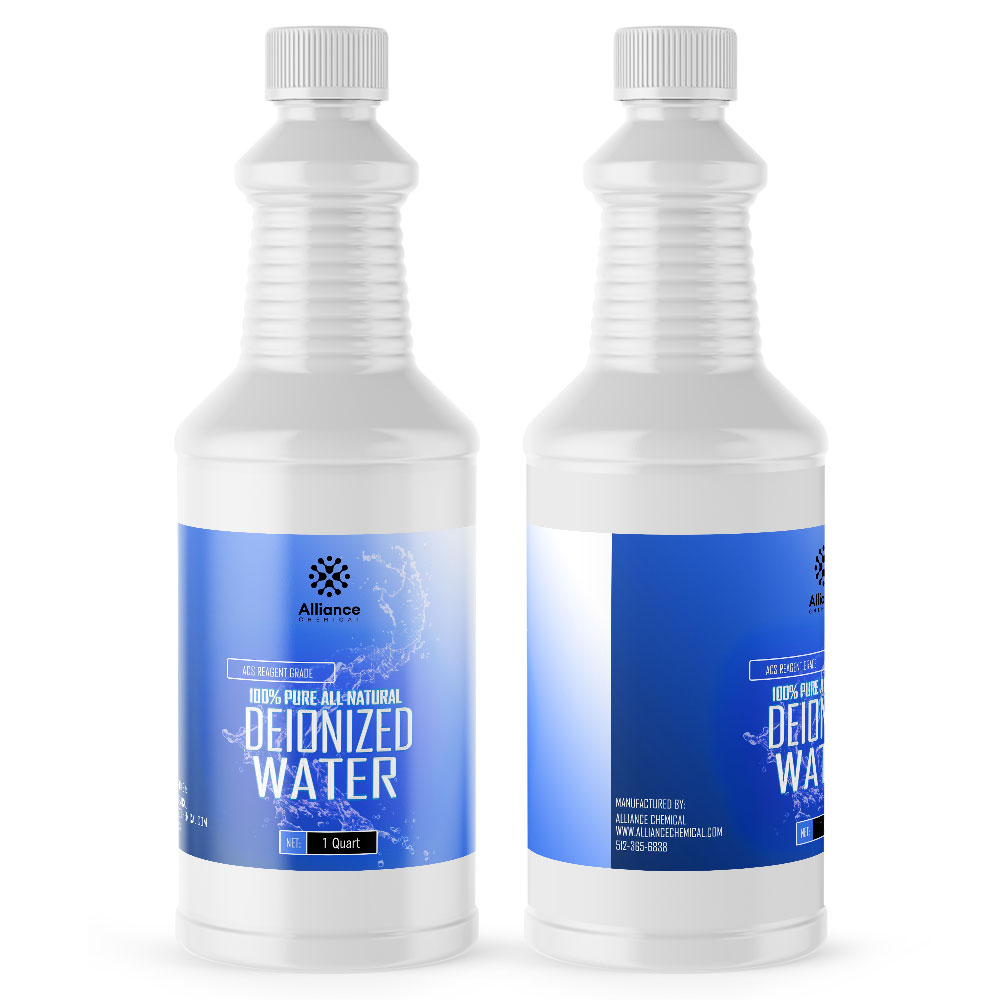
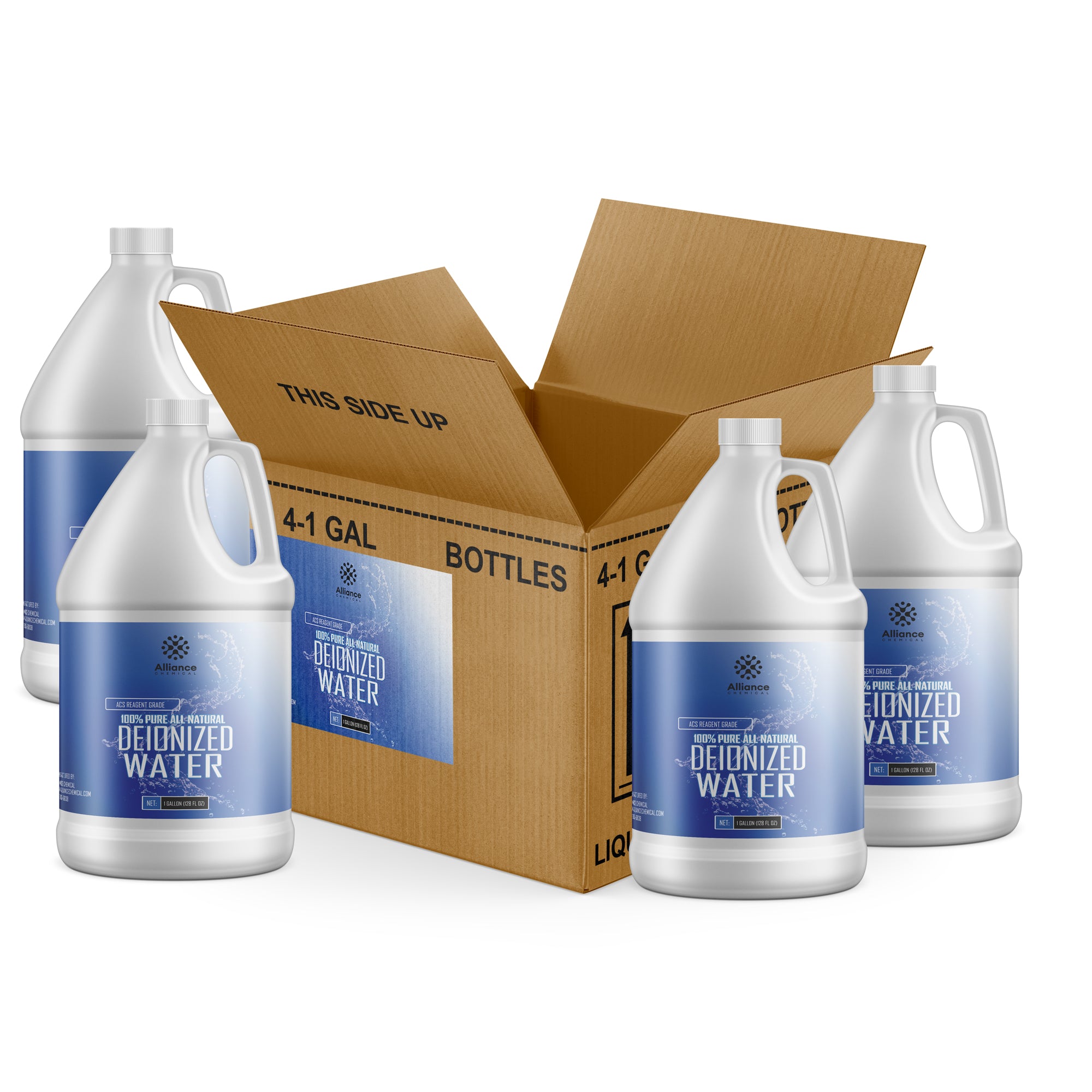
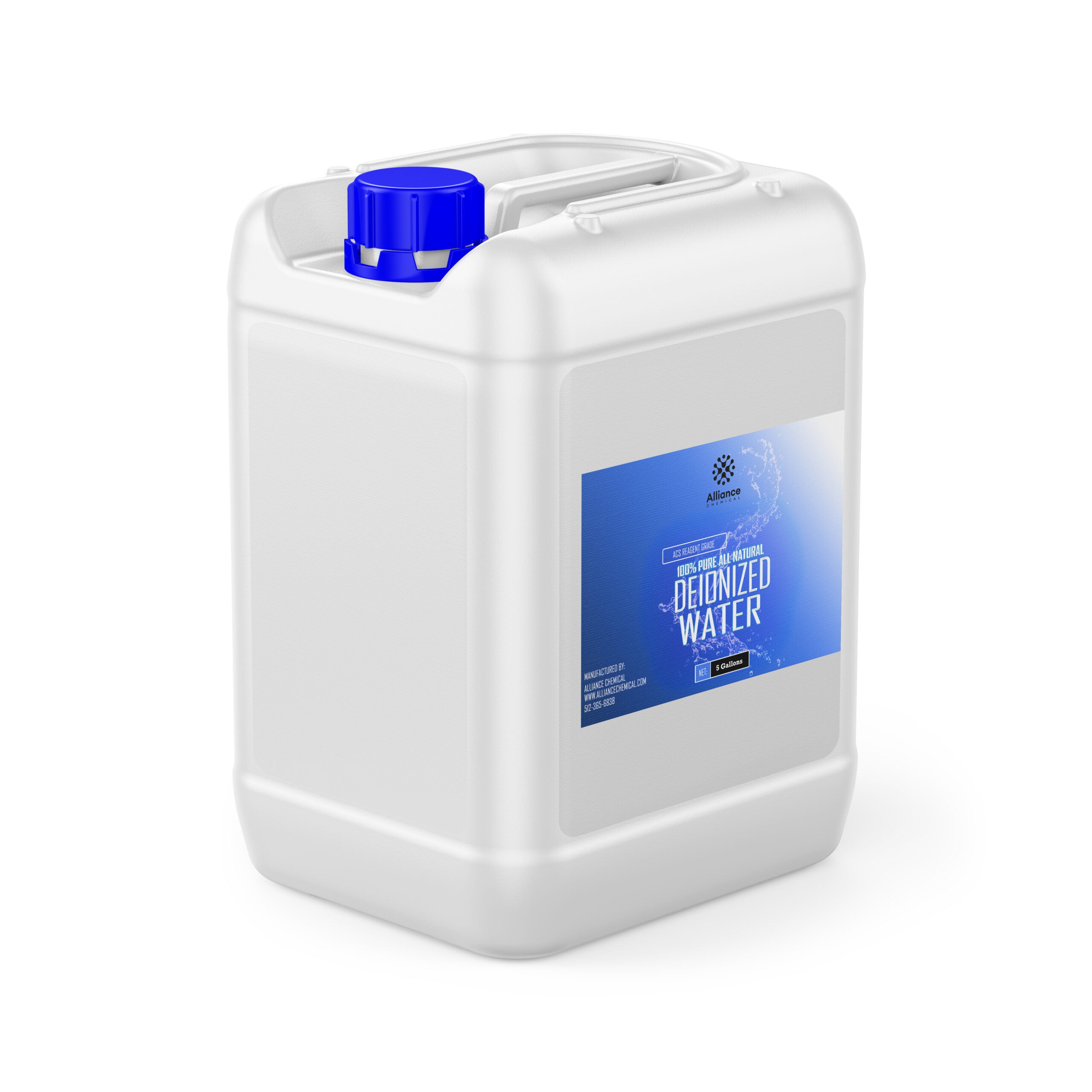
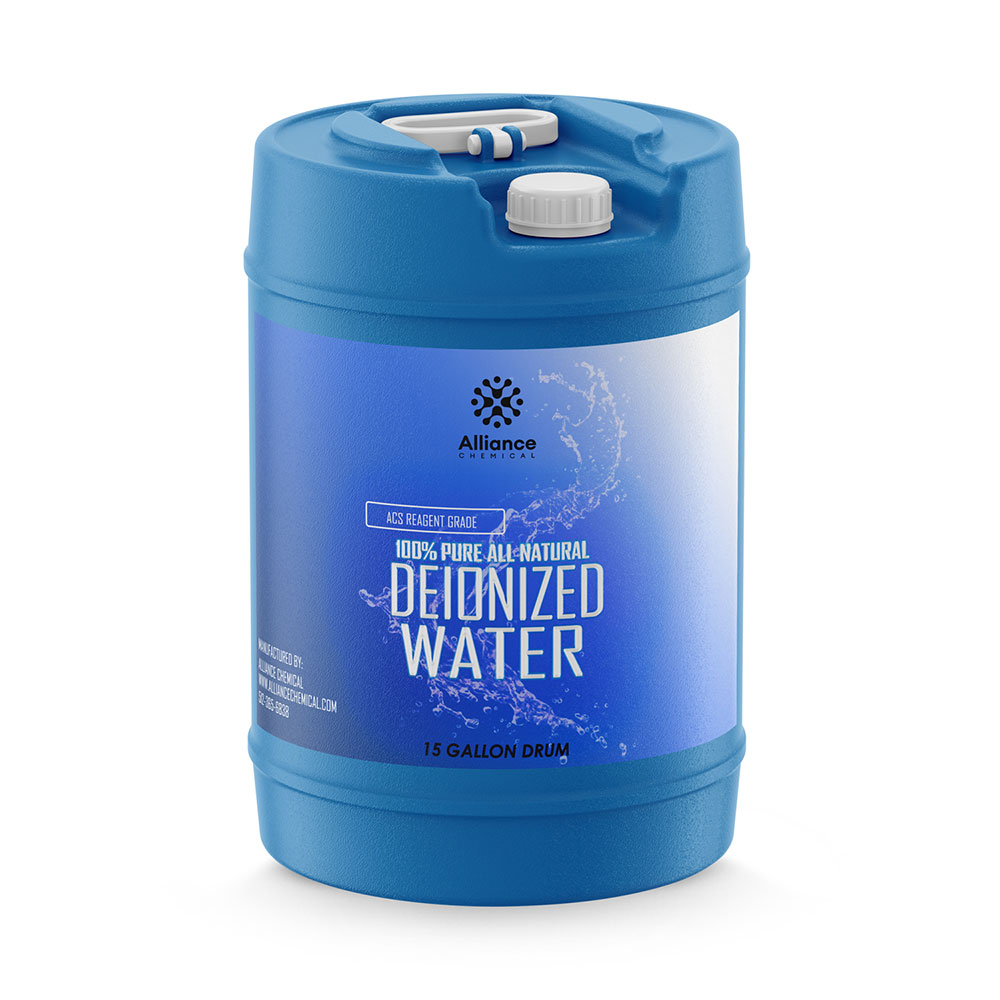
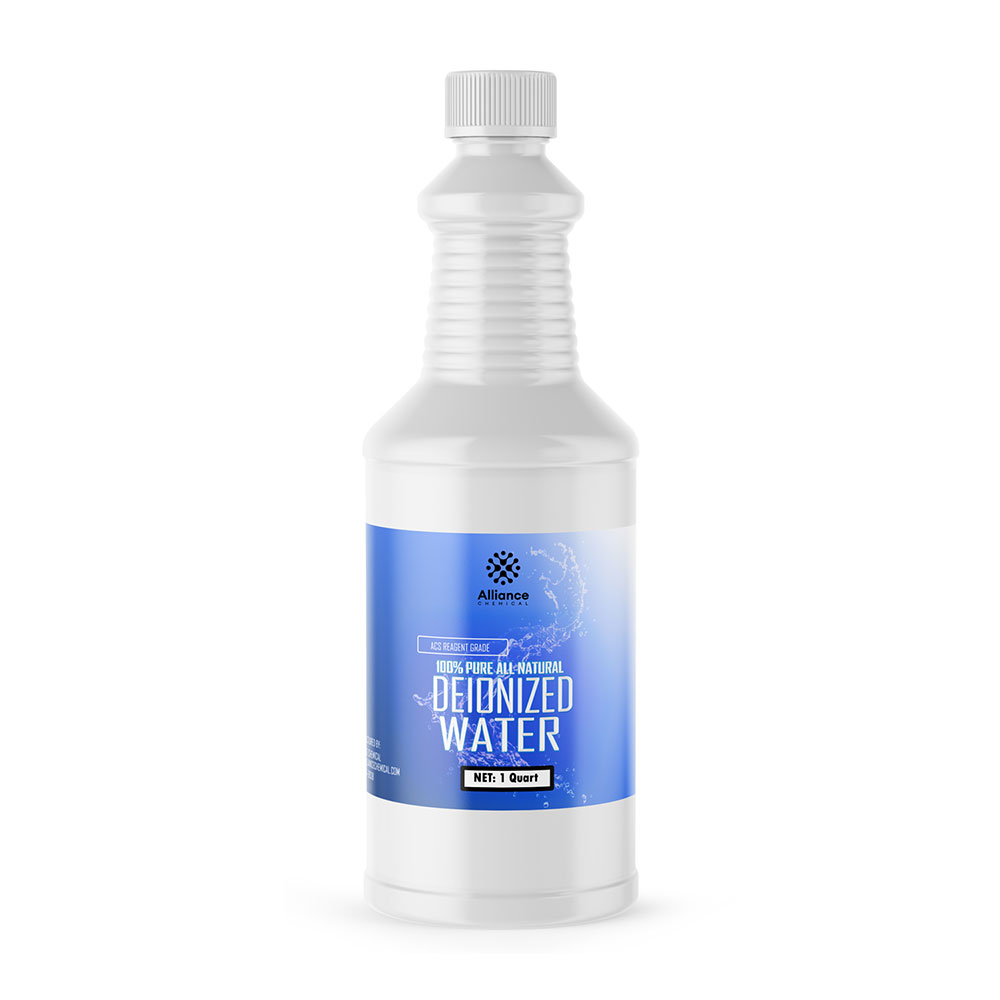
Deionized Water ASTM Type II delivers a strictly controlled, 100% concentration of H2O (CAS: 7732-18-5) processed to remove mineral ions, salts, and impurities that interfere with sensitive industrial and laboratory processes. Buyers specify the ASTM Type II grade when their operations demand rigorous inorganic trace limits to prevent scaling, minimize electrical conductivity, and ensure baseline consistency across manufacturing lines. Standard municipal or untreated water introduces dissolved solids like calcium, sodium, and iron, which rapidly degrade delicate machinery and compromise chemical reactions. This clear, odorless, and completely miscible liquid eliminates that variability, providing a reliable baseline solvent, reactant, and coolant. By utilizing an ASTM Type II specification, facility managers guarantee a low-conductivity fluid engineered to exact tolerances, reducing equipment downtime and maintaining tight operational parameters in demanding commercial environments.
Best Applications for This Grade
- Commonly applied in liquid cooling networks within AI infrastructure and high-density data centers. In these environments, utilizing a fluid with removed mineral ions prevents catastrophic short circuits and eliminates calcium or magnesium scaling inside precise micro-channel heat exchangers, ensuring maximum continuous thermal transfer efficiency.
- Commonly applied in semiconductor manufacturing processes for critical equipment rinsing and chemical formulation. The severe reduction of dissolved inorganic impurities ensures that delicate microchip wafers remain uncontaminated by rogue particulate matter or conductive ions during fabrication phases.
- Commonly applied in environmental laboratory settings to prepare standardized testing solutions, buffers, and analytical blanks. The complete miscibility and ion-free nature of this liquid prevent trace mineral contamination from skewing sensitive spectroscopic or chromatographic instrument readings.
- Commonly applied in wastewater treatment facilities to dilute concentrated treatment chemicals and prepare exact titration standards. Operators rely on this specific grade to guarantee that no competing chemical reactions occur between the dilution water and the active treatment compounds.
- Commonly applied in pharmaceutical facility operations for non-contact tasks like environmental chamber humidity control, precision glassware washing, and jacketed reactor cooling loops, where rigorous ion control is necessary but specialized medical certifications are not mandated.
When to Choose a Different Grade
- If the required process involves basic industrial rinsing, bulk concrete mixing, or heavy machinery washdown where precise ion control and conductivity limits do not impact the final outcome, standard technical grade purified water or industrial reverse osmosis water serves as a more economically aligned baseline option.
| Molecular Weight |
18.02 |
| Formula |
H2O |
| Assay |
99-100% |
| Grade |
Reagent |
| Form |
Liquid |
| Solubility |
Completely miscible in water |
| Appearance |
Clear, colorless liquid |
| Melting Point |
0 |
| Boiling Point |
100 |
| Specific Gravity |
0.998 |
| Industry |
Analytical Chemistry, Research Laboratory, Industrial, Pharmaceutical, Electronics |