Product Overview
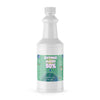
Citric Acid 50% Solution is a concentrated liquid formulation of 2-hydroxypropane-1,2,3-tricarboxylic acid. This solution provides an efficient, ready-to-use liquid source of citric acid, eliminating the operational challenges associated with dissolving dry crystalline powder in industrial workflows. Formulated with high-purity raw materials, this 50% concentration is designed for precise pH control, metal surface treatments, and scale removal across diverse commercial sectors. By procuring pre-diluted solutions, operators reduce manual handling, dust inhalation risks, and batch-to-batch variation, ensuring consistent industrial chemical processing.
As a primary organic acid, this solution performs key roles in metal cleaning, agricultural formulations, and industrial water treatment. It acts as an effective chelating agent, binding multi-valent metal ions to prevent precipitation and scaling in piping systems. The liquid format allows for automated dosing and metered integration directly into existing process lines. Alliance Chemical supplies this chemical in various packaging volumes—from 1-quart containers to multiple 1-gallon cases—to accommodate specific operation scales of Citric Acid 50% Solution. We maintain rigorous quality control standards in our acids collection to deliver dependable chemistry for all technical, manufacturing, and industrial applications.
Why This Grade
Selecting a 50% concentration liquid format over dry crystalline forms is critical for maintaining process efficiency and dosing accuracy. At 50% concentration, the solution remains stable under standard operating temperatures without premature crystallization or precipitation out of the liquid phase. Using a pre-formulated liquid minimizes preparation errors that occur during manual dry dissolution, such as local concentration spikes or incomplete dissolving of granules. This concentration offers the optimal balance between high active acid content and manageable viscosity, making it highly compatible with standard industrial metering pumps and automated injection systems.
Choosing an incorrect concentration or lower grade can lead to severe system failure modes. Inadequate concentration control can cause incomplete neutralization reactions, resulting in out-of-spec pH levels in wastewater discharge systems. Undissolved particulates from poorly dissolved powder can clog fine spray nozzles, ruin expensive membrane filters, and cause premature wear on pump impellers. Furthermore, using unverified technical grades with excessive trace metal impurities can catalyze unwanted side reactions in chemical syntheses or cause corrosion on sensitive metal surfaces instead of targeted passivation.
Chemical Profile
- CAS Number
- 77-92-9
- Chemical Formula
- C6H8O7
- Molecular Weight
- 192.12 g/mol
- Boiling Point
- Decomposes (NTP, 1992) °C
- Melting Point
- 307 °F (anhydrous) (NTP, 1992)
- Flash Point
- 100 °C
- Specific Gravity
- 1.54 at 68 °F (USCG, 1999) - Denser than water; will sink
- Appearance
- Citric acid appears as colorless, odorless crystals with an acid taste. Denser than water. (USCG, 1999)
- Solubility
- greater than or equal to 100 mg/mL at 72 °F (NTP, 1992)
- UN Number
- UN1760
- Hazard Class
- Class 8
- Packing Group
- III
- Proper Shipping Name
- Corrosive liquid n.o.s. (Citric acid)
- GHS Signal Word
- Warning
Values sourced from Alliance Chemical's canonical chemistry registry. Certificate of Analysis (COA) per lot.
Industrial Applications
- Metal Cleaning and Passivation: Used for removing rust, scale, and metal oxides from stainless steel surfaces to promote protective passivation layer formation.
- Industrial Water Treatment: Serves as a safe, effective pH adjuster and neutralizer in alkaline wastewater streams before municipal discharge compliance checks.
- Boiler and Piping Descaling: Dissolves calcium carbonate and iron oxide deposits from industrial heat exchangers, cooling towers, and boiler piping systems.
- Agricultural Formulations: Acts as a micronutrient chelating agent in liquid fertilizers, improving plant uptake of essential metals like iron and zinc.
- Textile Auxiliary: Utilized as a pH regulator in textile dyeing and finishing processes to ensure uniform dye uptake on various fabrics.
Hazmat & Shipping
Citric Acid 50% Solution is classified as a regulated hazardous material for transport due to its corrosive properties on certain metals and tissues. It is officially designated as UN1760, Hazard Class 8, Packing Group III, with the Proper Shipping Name Corrosive liquid n.o.s. (Citric acid). Under the Globally Harmonized System (GHS), the signal word is Warning. Compliance with Department of Transportation (DOT) regulations is mandatory for all shipments. This product must be transported in approved containers that resist acidic corrosion to prevent accidental release during transit.
Safety and regulatory compliance demand strict adherence to personal protective equipment (PPE) guidelines based on GHS hazard classifications. Associated hazard statements include H319 for serious eye irritation and H335 for respiratory irritation. Operators must wear chemical-resistant goggles, face shields, and protective gloves during handling to prevent direct contact. In areas with inadequate ventilation where misting may occur, NIOSH-approved respiratory protection is required to prevent inhalation of acidic vapors. Safety Data Sheet (SDS) documents are provided with every order to guide your facility's safety managers in establishing proper handling protocols.
Handling & Storage
Proper storage of Citric Acid 50% Solution is essential to preserve product integrity and prevent equipment damage. Store the chemical in a cool, dry, well-ventilated area, keeping temperatures above 32°F (0°C) to prevent freezing and below 100°F (38°C) to minimize container stress. This solution is highly compatible with high-density polyethylene (HDPE), polypropylene, and fiberglass-reinforced plastic containers, but it is highly corrosive to mild steel, copper, and aluminum. Keep containers tightly closed when not in use and store them away from incompatible substances, particularly strong bases, oxidizing agents, and metal sulfides.
Order & Documentation
Alliance Chemical ensures reliable delivery and complete technical transparency for every shipment. A Certificate of Analysis (COA) is available upon request to verify the exact chemical parameters of your batch, and a Safety Data Sheet (SDS) is provided with every order to support your facility's safety programs. To secure your supply, you can buy directly through our online store or coordinate with our technical sales team for larger volumes. Please Request a Quote for bulk pricing or Download the SDS to review detailed regulatory information before ordering.
Why Buy from Alliance Chemical
Since 1997, Alliance Chemical has supplied premium industrial chemicals from Taylor, Texas under CAGE Code 1LT50, with a COA and SDS included on every order. For industrial use only.