Product Overview
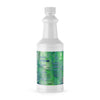
Glacial acetic acid (CAS 64-19-7) is a highly concentrated, anhydrous form of ethanoic acid with the chemical formula C2H4O2 and a molecular weight of 60.05. Known for its characteristic pungent odor and clear, colorless appearance, this organic compound is a vital component across numerous manufacturing sectors. Alliance Chemical supplies this chemical to meet the rigorous demands of industrial processing, ensuring consistency, reliability, and high purity in every batch. As an essential chemical intermediate, it serves as a cornerstone reagent in the synthesis of vinyl acetate monomer, acetic anhydride, and various acetate esters that drive modern manufacturing.
Our supply of this product is meticulously managed to maintain its anhydrous state. Since glacial acetic acid crystallizes at temperatures below 61.9 °F, handling and logistics require precise temperature controls, a factor that Alliance Chemical manages with professional expertise. Whether utilized as a solvent, a pH adjuster, or a precursor in chemical synthesis, our glacial acetic acid provides the exact specification profile necessary to protect your process integrity. We provide a Certificate of Analysis (COA) available upon request and a Safety Data Sheet (SDS) with every order to ensure total compliance and peace of mind.
Why This Grade
Selecting the correct purity grade of glacial acetic acid is critical to preventing process deviations and ensuring the high quality of your finished products. This specific high-purity FCC and manufacturing-compliant grade is engineered with stringent limits on heavy metals, chlorides, and sulfate impurities, which are common points of failure in lesser technical grades. In complex industrial processes, even trace amounts of metallic contaminants can act as unwanted catalysts, poisoning expensive process catalysts or initiating runaway side reactions. By utilizing our high-specification product, process engineers can eliminate variability and maintain strict control over reaction kinetics, ensuring reproducible yields shift after shift.
Furthermore, the moisture content of glacial acetic acid must be kept exceptionally low. In applications such as specialized solvent formulations or polyester polymer synthesis, the presence of excess water can severely impede chemical reactions, shift equilibria unfavorably, or cause hydrolytic degradation of polymer chains. Utilizing a generic or lower-grade alternative often results in premature equipment corrosion, product discoloration, and final outputs that fail quality control standards. This high-purity grade ensures that your chemical systems operate at peak efficiency without the risk of moisture-induced side reactions or contamination-driven product failures, safeguarding your operational output.
Chemical Profile
- CAS Number
- 64-19-7
- Chemical Formula
- C2H4O2
- Molecular Weight
- 60.05 g/mol
- Boiling Point
- 244 °F at 760 mmHg (NTP, 1992)
- Melting Point
- 61.9 °F (NTP, 1992)
- Flash Point
- 104 °F (NTP, 1992)
- Specific Gravity
- 1.051 at 68 °F (USCG, 1999) - Denser than water; will sink
- Appearance
- Acetic acid, glacial appears as a clear colorless liquid with a strong odor of vinegar. Flash point 104 °F. Density 8.8 lb / gal. Corrosive to metals and tissue. Used to make other chemicals, as a food additive, and in petroleum production.
- Solubility
- greater than or equal to 100 mg/mL at 73 °F (NTP, 1992)
- UN Number
- UN2789
- Hazard Class
- Class 8
- Packing Group
- II
- Proper Shipping Name
- Acetic acid, glacial
- GHS Signal Word
- Danger
Values sourced from Alliance Chemical's canonical chemistry registry. Certificate of Analysis (COA) per lot.
Industrial Applications
-
Chemical Synthesis Feedstock: Used as a critical precursor in the synthesis of vinyl acetate monomer (VAM), which is the primary building block for adhesives, paints, and paper coatings.
-
Textile Wet Processing: Serves as a reliable neutralizing agent and pH regulator in textile dyeing and finishing processes, ensuring optimal dye exhaustion and color fastness.
-
Industrial Descaling and Cleaning: Utilized in industrial-strength cleaning formulations to dissolve carbonate scale and clean metal surfaces without causing excessive pitting or structural degradation.
-
Agricultural Formulation Adjuvant: Employed in the manufacture of agricultural chemicals and adjuvants, where precise pH control and formulation stability are vital for field efficacy.
-
Polyester Intermediate Manufacturing: Acts as a solvent and reactant in the production of purified terephthalic acid (PTA), a key raw material for polyethylene terephthalate (PET) plastics.
Hazmat & Shipping
Glacial acetic acid is a regulated hazardous material due to its corrosive and flammable properties. Under DOT regulations, it is classified as UN2789, Hazard Class 8, and is assigned to Packing Group II. The official proper shipping name is Acetic acid, glacial. It is designated with the signal word Danger and is associated with hazard statements H226 (Flammable liquid and vapor) and H314 (Causes severe skin burns and eye damage). Alliance Chemical maintains full compliance with all hazmat shipping standards, utilizing certified packaging and reliable carriers to deliver your product safely and securely.
Handling this compound requires strict adherence to safety protocols and the use of appropriate Personal Protective Equipment (PPE) to mitigate risks. Personnel must wear chemical-resistant gloves (such as butyl rubber or neoprene), splash-resistant safety goggles, a full face shield, and protective clothing to guard against dermal and ocular contact. In areas where vapor concentrations may exceed permissible exposure limits, a NIOSH-approved respirator equipped with organic vapor cartridges must be utilized. Ensure proper ventilation is maintained in all work areas, and keep emergency eyewash stations and safety showers readily accessible in the immediate vicinity of handling operations.
Handling & Storage
Storage of glacial acetic acid requires careful consideration of its physical properties, particularly its melting point of 61.9 °F. To prevent crystallization, the product should be stored in a temperature-controlled environment maintained between 65 °F and 90 °F; if freezing occurs, gentle warming is required to liquify the material without applying direct heat. The chemical is highly corrosive to many metals, including mild steel, copper, and brass; therefore, it must be stored in compatible containers constructed from high-density polyethylene (HDPE), glass, or specific grades of stainless steel. Keep containers tightly closed and isolated from strong oxidizing agents, strong bases, and active metals to avoid hazardous chemical reactions.
Order & Documentation
Alliance Chemical is committed to providing seamless procurement and comprehensive documentation for your operational needs. We supply a detailed Safety Data Sheet (SDS) with every order, and a Certificate of Analysis (COA) is always available upon request to verify the purity and compliance of your shipment. We invite you to explore our high-purity liquid range by viewing our acids collection or our specialized glacial acetic acid range. To secure your supply, please Request a Quote or Download the SDS today.
Why Buy from Alliance Chemical
Since 1997, Alliance Chemical has supplied premium industrial chemicals from Taylor, Texas under CAGE Code 1LT50, with a COA and SDS included on every order. For industrial use only.