Solvents

Acetone, IPA, MEK, Toluene & 25+ more — all grades

101 Products
Sort by:: Best Selling
Sort by: Best Selling

FILTERS

Chemical name
  • (2)
  • (2)
  • (2)
  • (2)
  • (1)
  • (2)
  • (2)
  • (4)
  • (2)
  • (7)
  • (1)
  • (5)
  • (2)
  • (2)
  • (2)
  • (2)
  • (8)
  • (1)
  • (2)
  • (2)
  • (2)
  • (2)
  • (2)
  • (2)
  • (1)
  • (2)
  • (1)
  • (1)
  • (2)
  • (2)
  • (2)
  • (2)
  • (1)
  • (19)
  • (1)
  • (1)
  • (2)
  • (1)
  • (2)
Grade
  • (26)
  • (4)
  • (1)
  • (59)
  • (11)
Percentage
  • (3)
  • (1)
  • (4)
  • (3)
  • (8)
  • (8)
  • (1)
  • (1)
  • (1)
  • (1)
  • (2)
  • (2)
  • (5)
  • (2)
  • (1)
  • (1)
  • (2)
  • (21)
Form
  • (86)
Industry
  • (32)
  • (7)
  • (7)
  • (29)
  • (8)
  • (19)
  • (14)
  • (79)
  • (27)
  • (22)

About Solvents

Buy acetone, MEK, toluene, xylene, hexane, isopropyl alcohol, denatured ethanol, and specialty solvents from Alliance Chemical in ACS Reagent and Technical grades. Available in quarts, gallons, pails, drums, and totes for industrial, laboratory, and extraction applications.

Products In This Collection

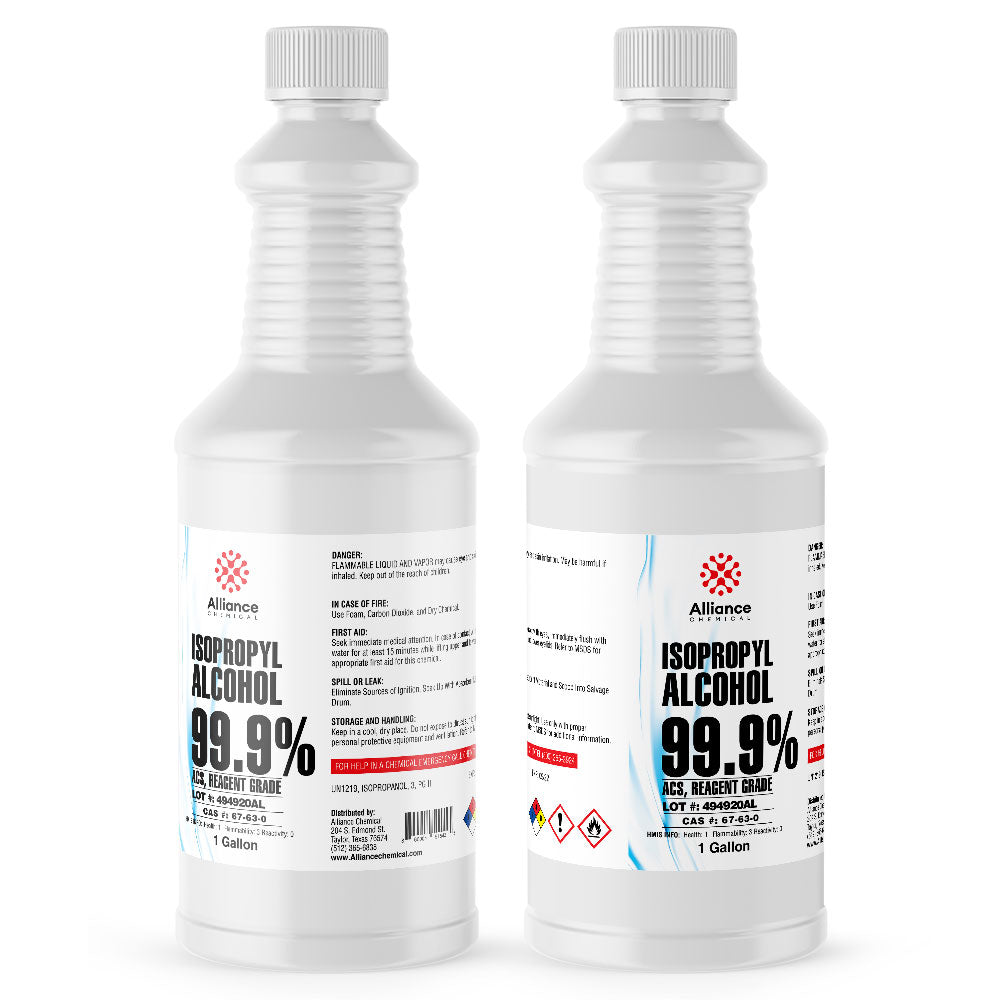
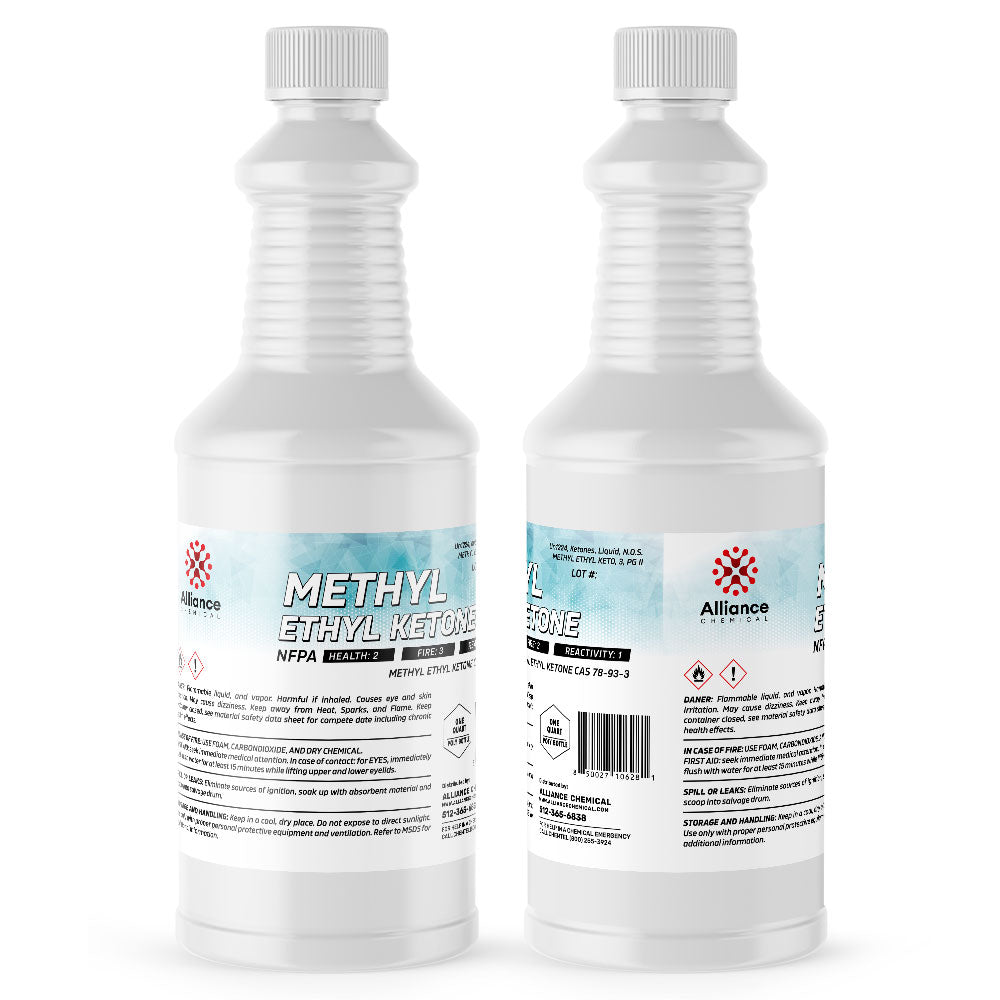
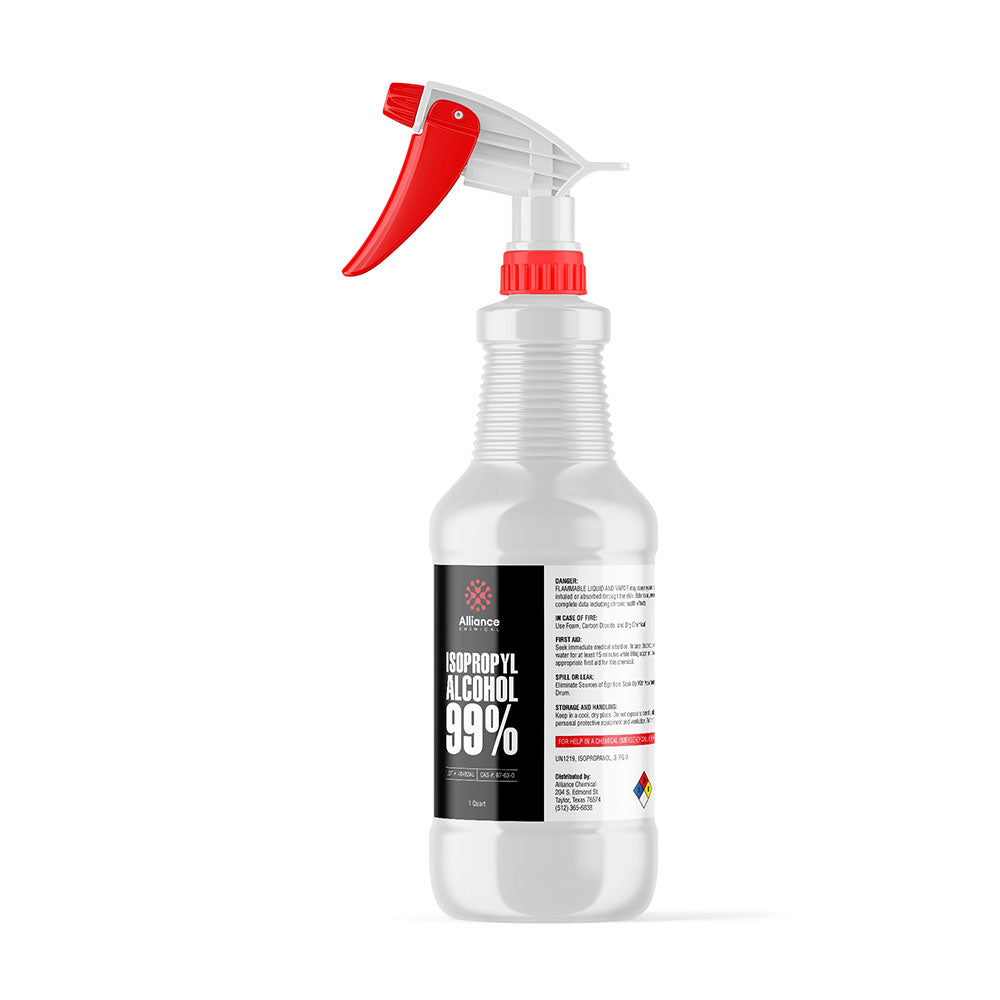
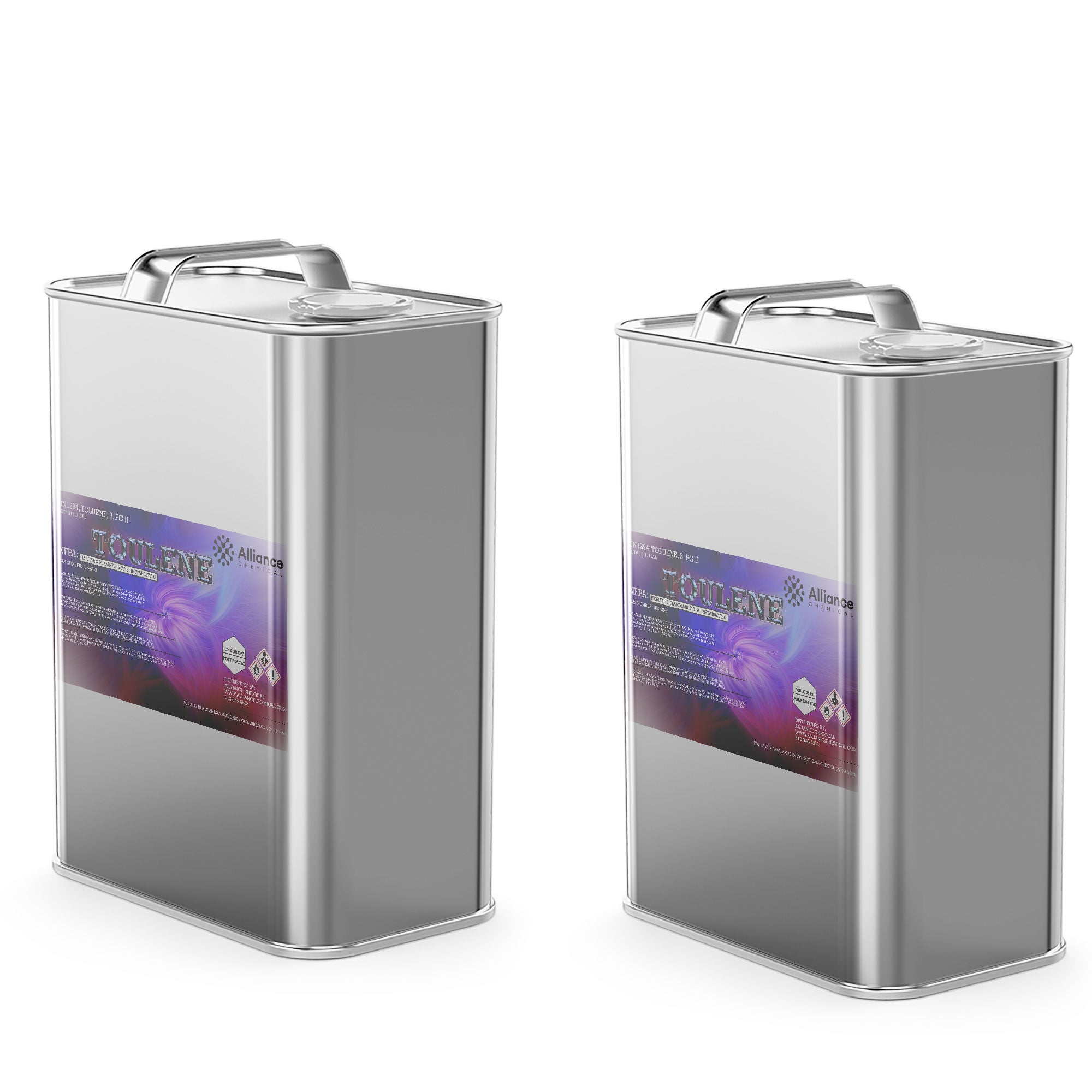
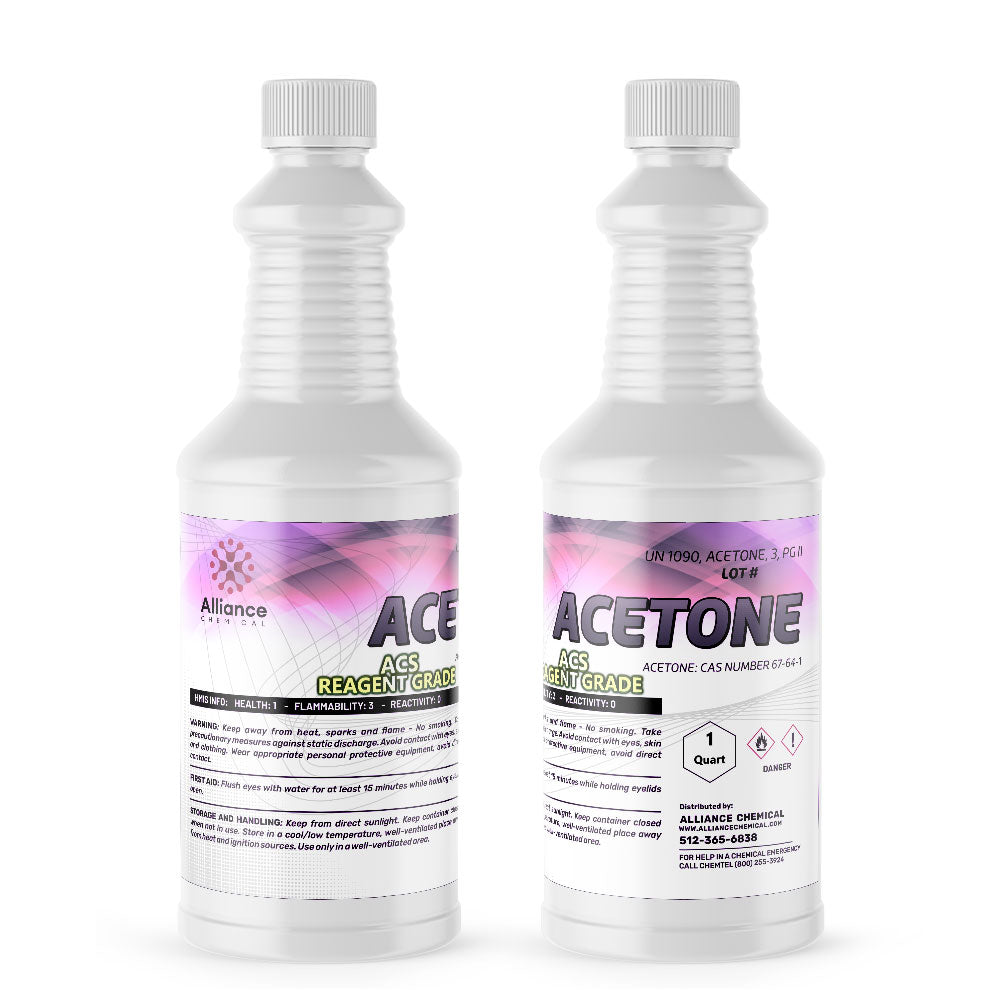
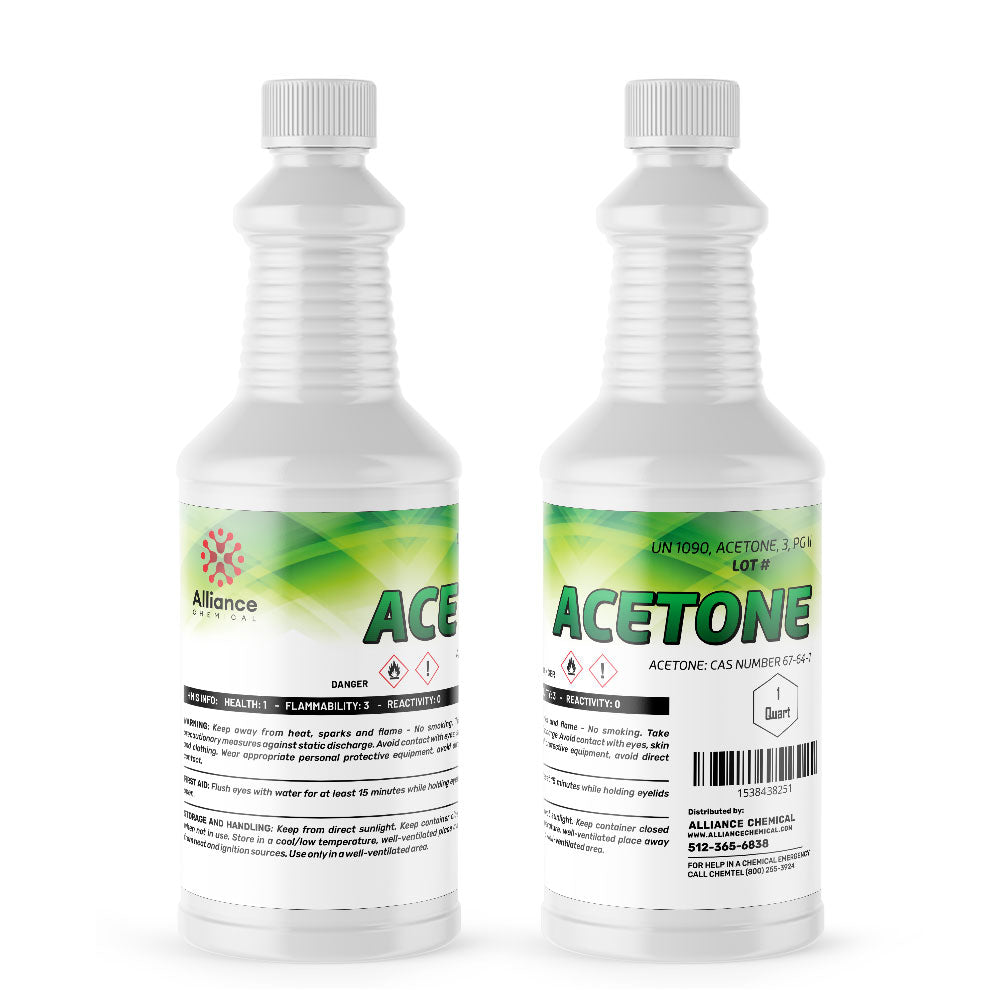
This collection includes isopropyl alcohol 99.9% ACS Reagent Grade (CAS 67-63-0), methyl ethyl ketone (MEK, CAS 78-93-3), toluene ACS Grade (CAS 108-88-3), acetone ACS and Technical Grade (CAS 67-64-1), xylene ACS Grade (CAS 1330-20-7), n-heptane 99% ACS (CAS 142-82-5), hexane Technical Grade (CAS 110-54-3), denatured alcohol 200 proof, VM&P naphtha, and additional solvents across multiple purity levels.

Common Applications

Industrial solvents from Alliance Chemical are used for parts cleaning and vapor degreasing, paint and coatings formulation, adhesive manufacturing, extraction processes in food and botanical industries, HPLC and analytical chromatography, 3D printing post-processing, and surface preparation before painting or coating. Toluene and xylene serve as primary solvents in paint, ink, and resin systems. Hexane and heptane are standard for oil and botanical extraction.

Why Buy From Alliance Chemical

All solvents ship with Safety Data Sheets (SDS) and Certificates of Analysis (COA). Alliance Chemical provides same-day shipping, no minimum orders, and DOT-compliant hazmat packaging for flammable liquids—labeled per OSHA Hazard Communication Standard 29 CFR 1910.1200.

Related: See the Chlorinated Solvents, Hydrocarbons, Ketones, Esters, and Citrus Solvents collections.

Frequently Asked Questions

What is the difference between ACS Grade and Technical Grade solvents?
ACS Reagent Grade solvents meet or exceed the purity standards set by the American Chemical Society, typically requiring a purity of 99.5% or higher and strict limits on trace metals and residues. Technical Grade solvents are suitable for industrial applications like cleaning and degreasing where minor impurities do not interfere with the process. Selecting the wrong grade can result in equipment contamination in lab settings or unnecessary costs in industrial environments.
How should I store flammable solvents to remain compliant with NFPA 30?
Solvents classified as Class I, II, or III flammables must be stored in a cool, dry area away from direct sunlight and ignition sources. According to NFPA 30 and OSHA 29 CFR 1910.106, quantities exceeding 25 gallons of flammable liquids must be kept in a dedicated flammable storage cabinet. Ensure all containers are properly grounded and bonded during transfer to prevent static discharge.
Which solvent is best for vapor degreasing metal parts?
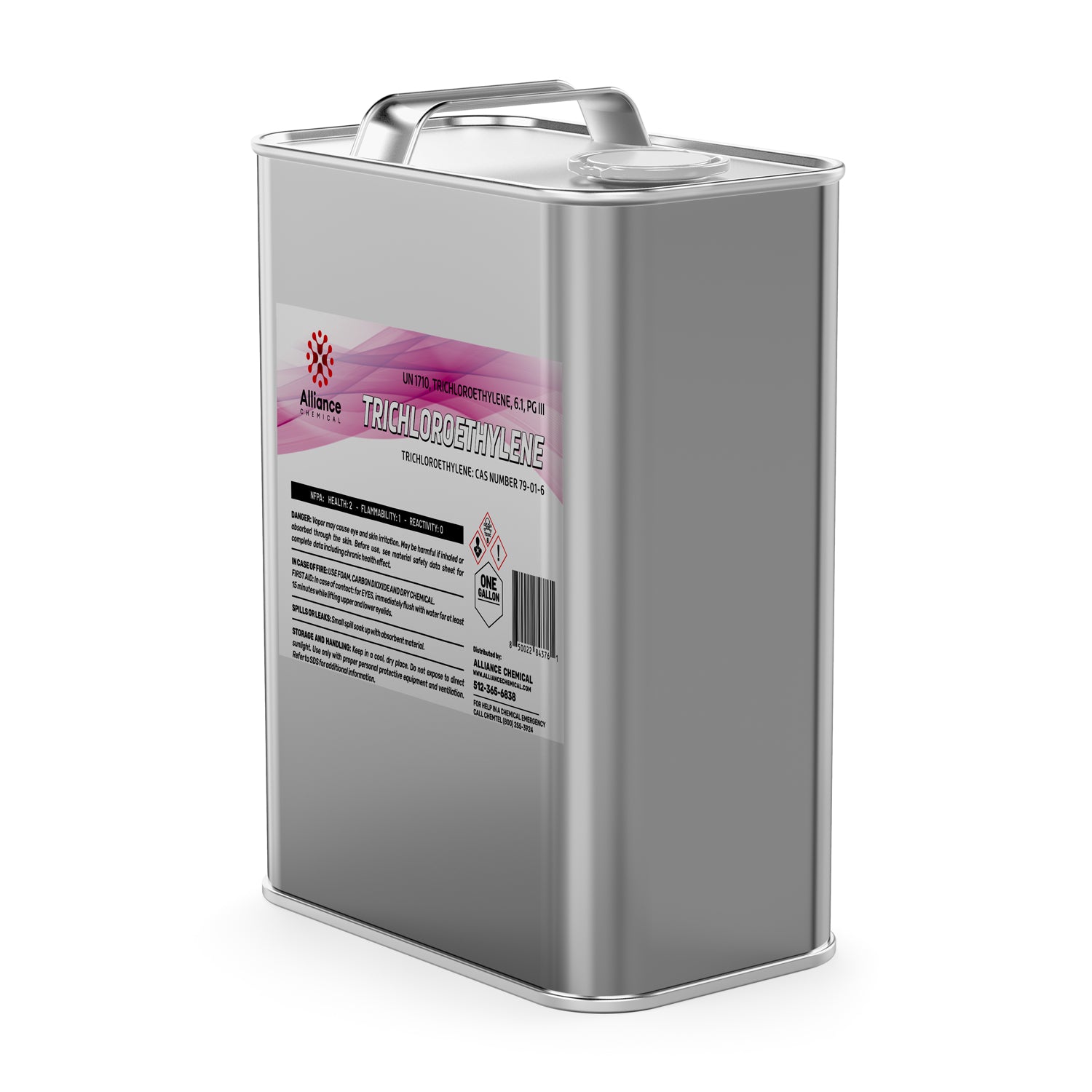
Trichloroethylene (TCE) (CAS 79-01-6) has historically been the standard for vapor degreasing due to its high solvency and non-flammable nature. However, due to evolving EPA regulations under the Toxic Substances Control Act (TSCA), users should verify current compliance deadlines. Technical Grade TCE is effective at removing heavy greases and oils from complex geometries in specialized degreasing equipment.
What solvent is recommended for 3D print smoothing and finishing?
Methyl Ethyl Ketone (MEK) and Acetone are the primary solvents used for post-processing 3D prints made from ABS (Acrylonitrile Butadiene Styrene). MEK provides a slightly slower evaporation rate than Acetone, allowing for more controlled smoothing of layer lines. For PLA prints, specific esters or chlorinated solvents may be required, though these are more aggressive and require higher safety precautions.
Can I use 70% Isopropyl Alcohol to clean electronics?
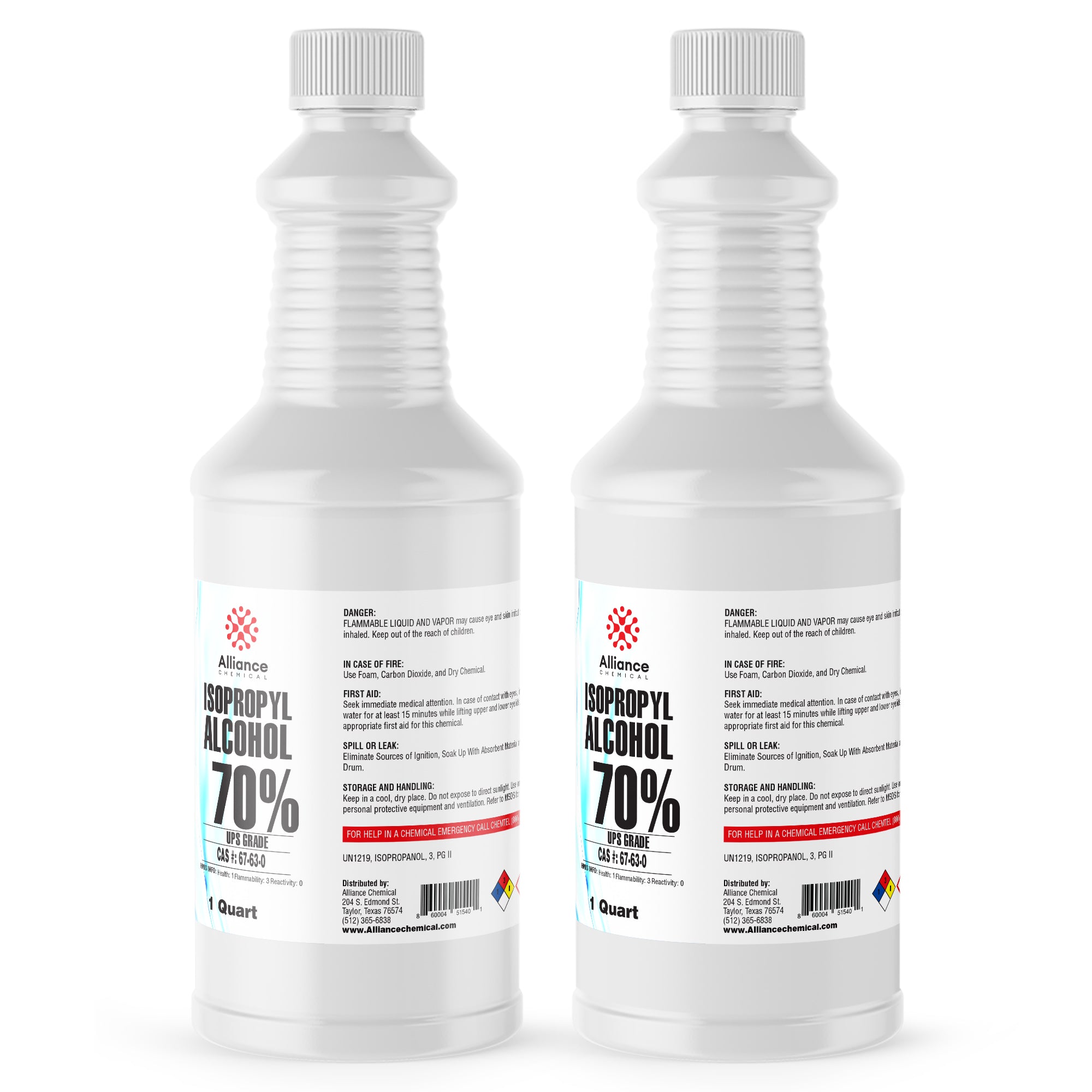
Cleaning sensitive electronics with 70% IPA is generally discouraged because the 30% water content can lead to corrosion or short circuits if not dried completely. For PCB and sensor cleaning, 99.9% Anhydrous ACS Grade Isopropyl Alcohol is the industry standard as it evaporates rapidly and leaves zero residue. Always ensure the device is powered down and capacitors are discharged before applying solvent.
What are the DOT shipping requirements for bulk solvents?
Bulk solvents are regulated as Hazardous Materials under DOT 49 CFR. Shipments typically fall under Class 3 (Flammable Liquids) or Class 6.1 (Toxic Substances), requiring specific UN-rated packaging, hazard labels, and shipping papers. Alliance Chemical ensures all solvent shipments comply with PHMSA regulations to prevent leaks and ensure carrier safety during transit.
Which solvent is safest for botanical essential oil extraction?
Food Grade (FCC) or USP Grade solvents are required for extractions intended for human consumption to ensure no toxic residues remain. High-purity N-Hexane (CAS 110-54-3) is common for high-efficiency industrial extractions, while 200 Proof Ethanol is preferred for craft-scale processing. Always verify the Certificate of Analysis (COA) to ensure the solvent is free from harmful denaturants like methanol.
How do I dispose of waste solvents according to EPA RCRA guidelines?
Waste solvents are typically classified as Ignitable (D001) or F-listed hazardous waste under the Resource Conservation and Recovery Act (RCRA). They must never be poured down drains; instead, they should be collected in labeled, closed containers for pick-up by a licensed hazardous waste disposal contractor. EPA 40 CFR Part 262 requires small and large quantity generators to track waste via the e-Manifest system.